
Your dog already thinks you’re great. But those tiny, everyday things you barely notice? They turn “great” into “absolute favorite human.” You don’t need fancy gear or training wizardry.
You just need to show up in small, consistent ways that speak fluent Dog.
Show Up with Predictable Routines
Dogs don’t carry planners, but they thrive on patterns. Meals at the same times, regular walks, and a nightly cuddle cue cut down on stress. Predictable routines tell your dog, “You can trust me.” And trust = love.
- Feed on a schedule: It stabilizes their digestion and mood.
- Walk at consistent times: Reduces anxiety and boredom barking.
- Plan daily “us time”: Even 10 minutes of focused attention matters.
Micro-rituals That Make a Big Difference
Create little habits like a morning sniffari or a bedtime ear rub.
Keep them short and fun. Your dog will anticipate them and look to you for comfort.
Speak Their Language (Without Words)
You talk. Your dog watches.
They read body language better than we read text threads. Keep your voice upbeat, your shoulders relaxed, and your movements slow when you want calm.
- Soft eyes, soft voice: Helps nervous dogs settle faster.
- Turn sideways, not head-on: Feels less confrontational to dogs.
- Use a release cue: A cheerful “okay!” tells them the moment they got it right.
Teach a “Yes!” Marker
Mark the exact moment your dog does the right thing with a clicker or a happy “Yes!” Then give a treat. This crystal-clear feedback boosts confidence and builds trust fast.
IMO, it’s the simplest love language hack ever.
Make Walks About Their Nose, Not Your Steps
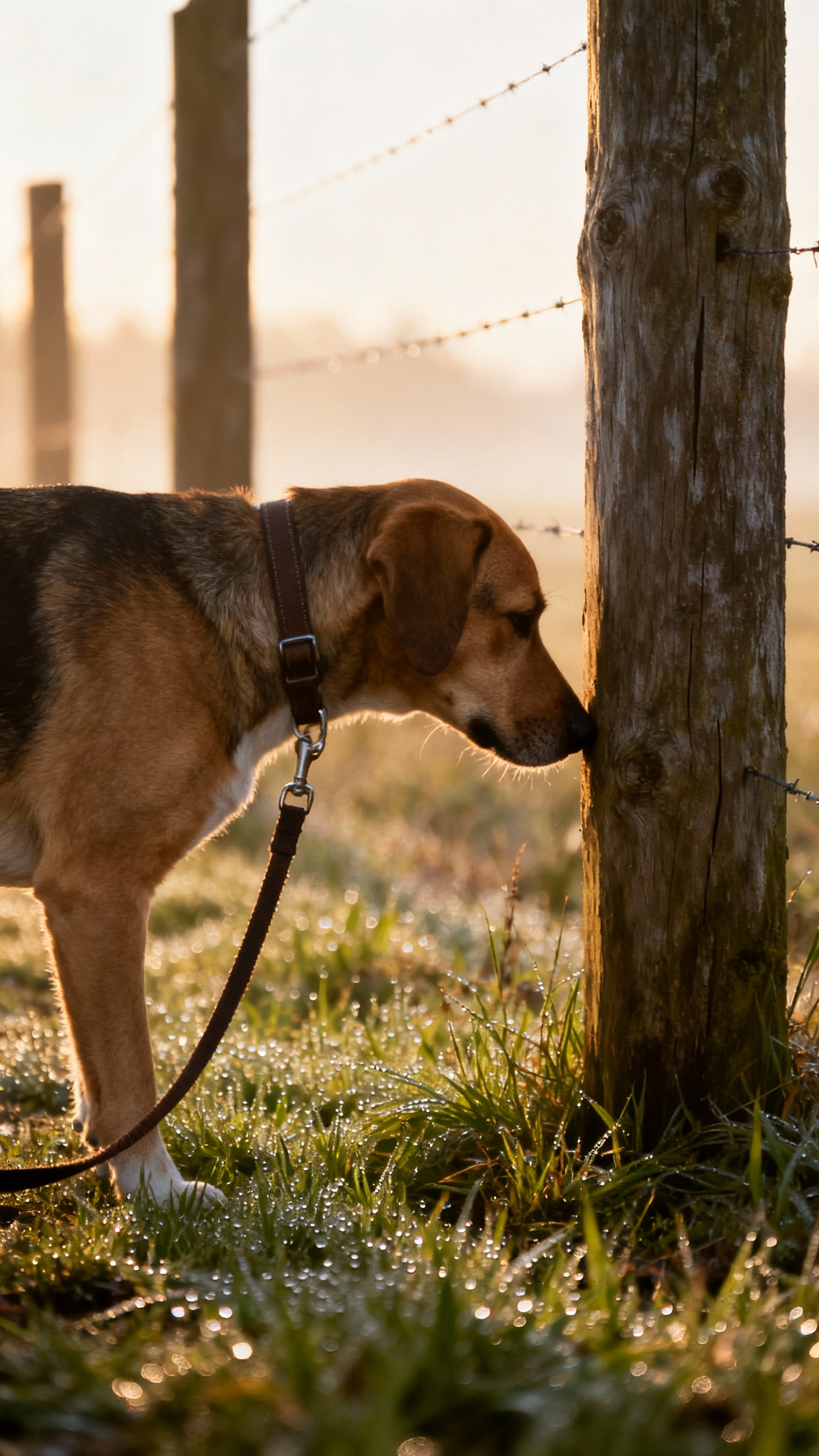
Your dog doesn’t care about your step count. They care about stories their nose can read off that fence post. Letting them sniff turns a quick stroll into the dog version of scrolling social media—minus the doom.
- Sniff breaks: Pause and let them investigate.
- Choose varied routes: New smells = mental enrichment.
- Try “sniff-first” walks: 10 minutes of pure snuffle time before moving on.
Upgrade the Gear
Use a comfy harness and a 6–10 ft leash.
You’ll give them safe freedom and stop the constant tug-of-war. FYI, ditch retractables in busy areas—they can create chaotic, tangled messes and reduce control.
Train for Real Life, Not Instagram
Sure, tricks are cute. But your dog loves when you teach useful stuff that makes life together easier.
Think “leave it,” “wait,” and a solid recall. When you advocate for them and set clear rules, your bond gets stronger.
- Use short, fun sessions: 3–5 minutes beats marathon drills.
- Reward generously: Cheese, chicken, or play—whatever lights them up.
- Practice in new locations: Proofing builds reliability with distractions.
Recall That Actually Works
Pick a special word you never use casually (like “Here!”), pay it with high-value rewards every time, and never punish after they come—even if they took the scenic route. Coming to you should always feel like winning the lottery.
Touch That Calms, Not Hypes
Not all petting feels equal to your dog.
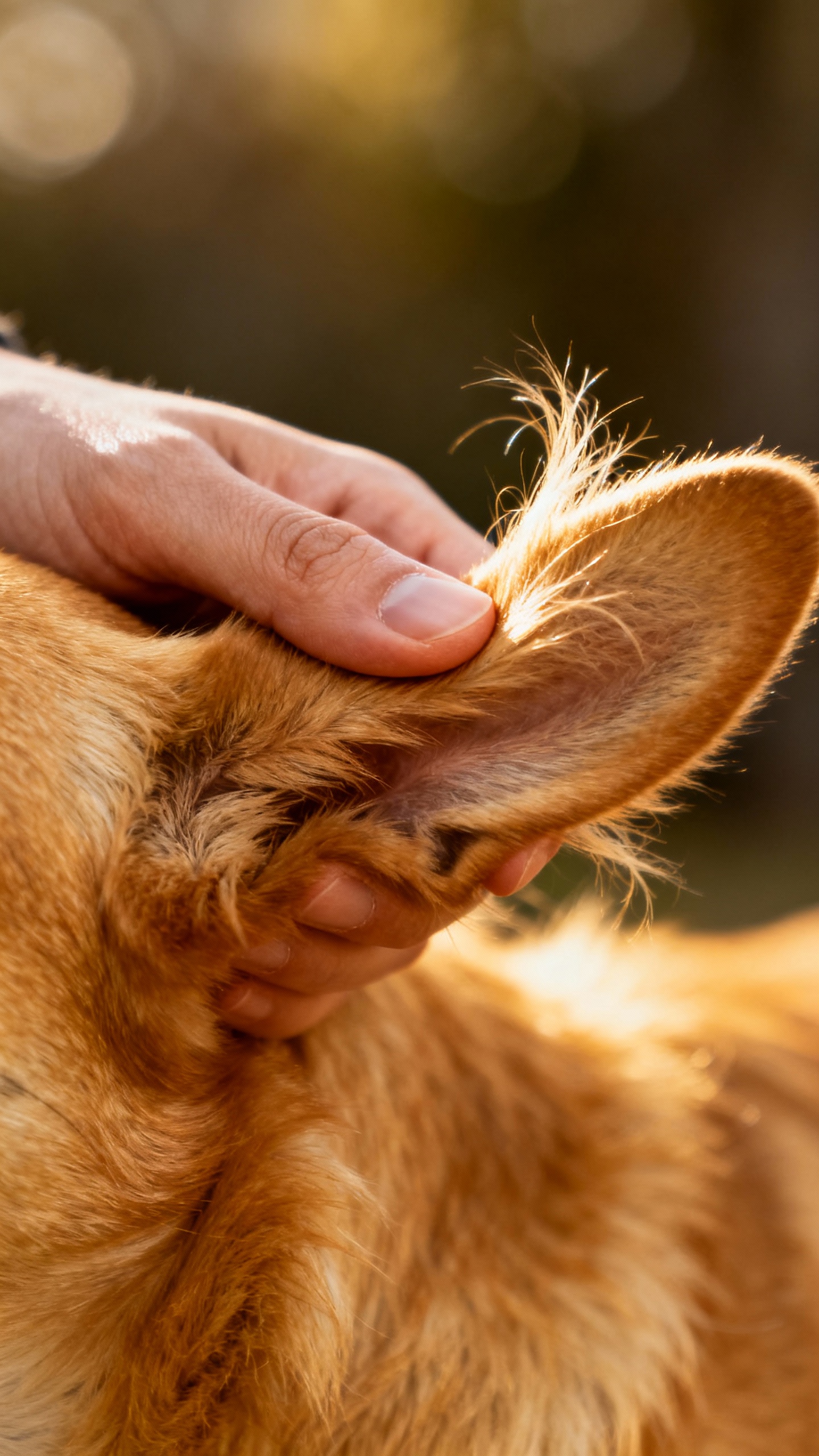
Scratch their chest or the base of the ears slowly to help them relax. Fast pats and over-the-top squealing can wind them up when they need calm.
- Consent check: Pet for 3 seconds, pause, and see if they lean in.
- Learn their “no thanks” signals: Lip licking, turning away, or yawning.
- Massage moments: Gentle strokes along the shoulders and back can release tension.
Play the Games They Love

Fetch isn’t universal. Some dogs prefer tug, chase, or puzzle toys.
When you play how they want to play, you tell them, “I get you.” That’s big.
- Tug with rules: Start/stop cues and trades keep it safe and fun.
- Flirt pole sessions: Controlled chase for high-energy pups.
- Food puzzles: Snuffle mats and treat balls work their brains on rainy days.
Short, Sweet, and Satisfying
Dogs often prefer several mini play bursts over one long, exhausting session. Stop while they’re still excited, not when they collapse in a heap (cute, but not ideal).
Be Their Safe Place in a Loud World
Thunder, fireworks, skateboards… life gets noisy. Build safety with a cozy den: a crate with a cover, a mat in a quiet corner, or a blanket fort worthy of royalty.
- Normalize sound: Play low-volume noise while giving treats to create positive associations.
- Comfort without fuss: Calm presence, gentle words, predictable routine.
- Advocate in public: Step between your dog and rude greetings; set boundaries kindly.
When Stress Spikes
If your dog startles, give them distance and something easy to do: sniff the grass, eat a scatter of treats, or look at you for a simple cue.
You prove you’ve got their back. That loyalty runs deep.
Make Grooming a Spa Day, Not a Wrestling Match
Brushing, nail trims, ear cleaning—all essential, none glamorous. Turn it into a game with treats and tiny steps.
Your dog will tolerate (and maybe even enjoy) self-care when you keep it respectful.
- Start slow: Touch paw, treat. Hold clipper near, treat. Build up gradually.
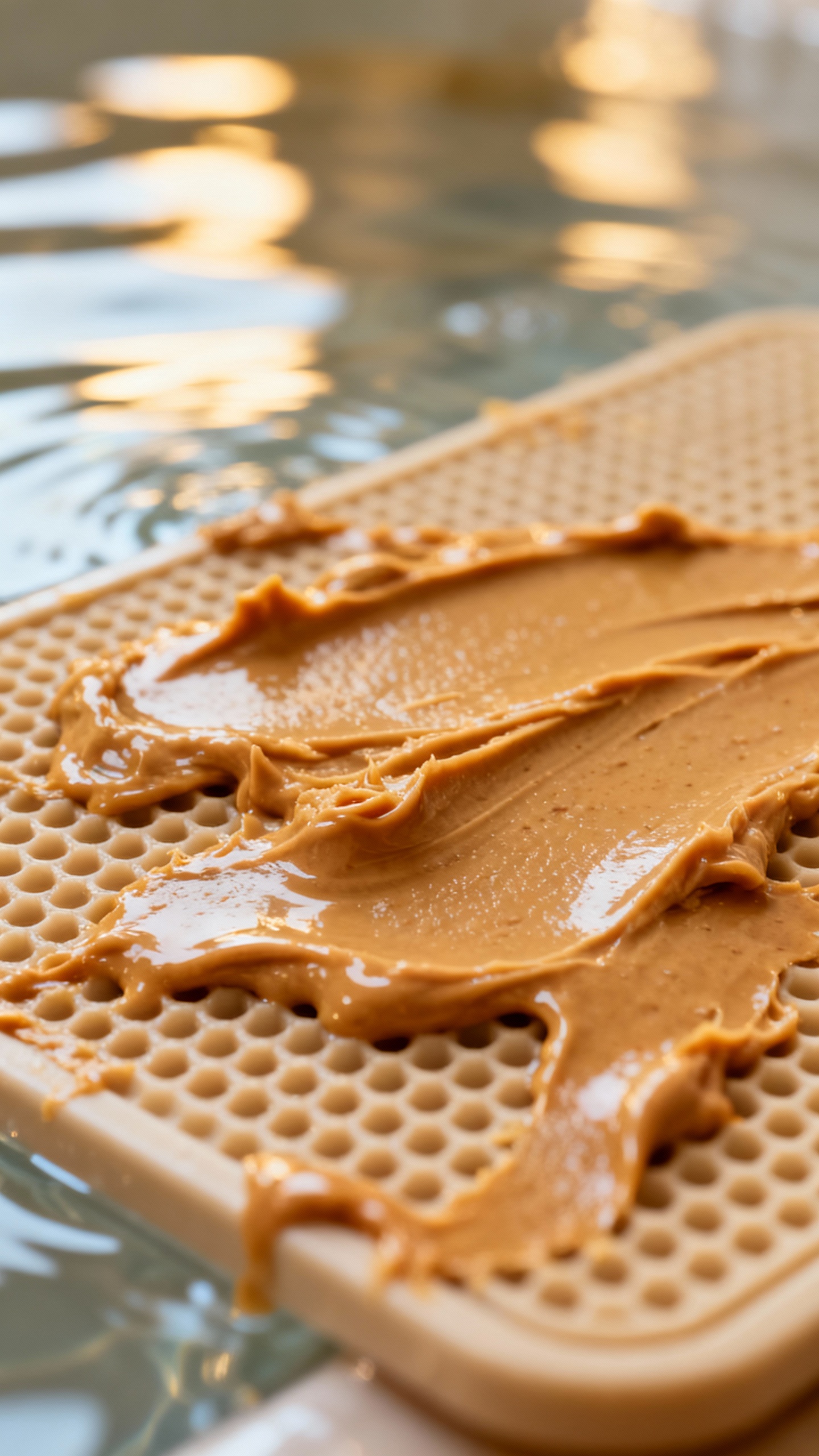
- Use licky mats: Smear with peanut butter (xylitol-free) during baths or brushing.
- Stop before they squirm: Ending on a good note beats powering through.
Honor Their Off Switch
You don’t need to entertain your dog 24/7.
In fact, teaching them to chill makes them happier. Provide comfy sleep spots in rooms you use and praise calm behavior. Rested dogs behave better and bond deeper.
- Reinforce calm: Drop a treat when they settle on their mat.
- Offer chews: Appropriate long-lasting chews can soothe and tire their brain.
- Respect nap time: Yes, the zoomies are cute; no, they don’t need constant hype.
Feed the Good Stuff (Within Reason)
Food equals love in dog-world, but balance matters.
Choose quality food that fits their age, size, and activity level. And use tasty, high-value treats for training without overfeeding.
- Check ingredients: Named proteins first, limited fillers.
- Watch the waistline: Measure meals and adjust for treat-heavy days.
- Hydration check: Clean water always available. Bowls washed regularly—yes, actually wash them.
FAQ
How much daily exercise does my dog really need?
It depends on breed, age, and personality.
Many adult dogs do well with 45–90 minutes split across the day plus mental enrichment. High-energy breeds may need more, while seniors need shorter, gentler sessions. Watch your dog’s behavior—restlessness or mischief often means they need an outlet.
Is letting my dog sniff a waste of time?
Nope.
Sniffing provides mental stimulation that tires dogs out in a healthy way. Ten minutes of focused sniffing can satisfy them more than a rushed mile. IMO, “sniff time” is the most underrated walk upgrade.
What’s the best reward: treats, toys, or praise?
Use what motivates your dog in that moment.
Many dogs love treats most, but toys or play can work better in exciting environments. Rotate rewards to keep things fresh. Praise matters, but pair it with something tangible when teaching new skills.
How do I help my dog with separation stress?
Start with super short departures and returns that feel boring and predictable.
Leave a food puzzle or safe chew, and avoid big goodbye rituals. If your dog panics, slow down and consider working with a trainer or vet. Severe cases may need a tailored plan and, sometimes, medical support.
Do I need a crate?
Not always, but crates can help with safety, travel, and calm rest if introduced kindly.
Make it cozy and reward your dog for choosing it. Never use it for punishment. If your dog hates crates, try a pen or a quiet gated room instead.
What’s one change I can make today?
Add a five-minute sniff stop to your next walk and mark/reward check-ins with you.
You’ll see a happier dog that pays more attention. Small changes stack up fast.
Wrapping It Up
Love, to a dog, looks like consistency, clarity, and fun. You don’t need perfection—you just need a handful of small habits you can keep doing.
Build those micro-moments, and your dog will keep choosing you, tail wagging, every single day. FYI: they probably already do.
Leave a Reply