
Your dog already knows what’s happening before you even roll out of bed. You think you’re in charge, but those four paws run on super-senses that catch stuff you miss entirely. Weather shifts, your emotions, even your bad decisions—your dog picks up on them early.
Ready to see what your furry Sherlock sniffs out first?
The Nose Knows: Subtle Scents You’ll Never Detect
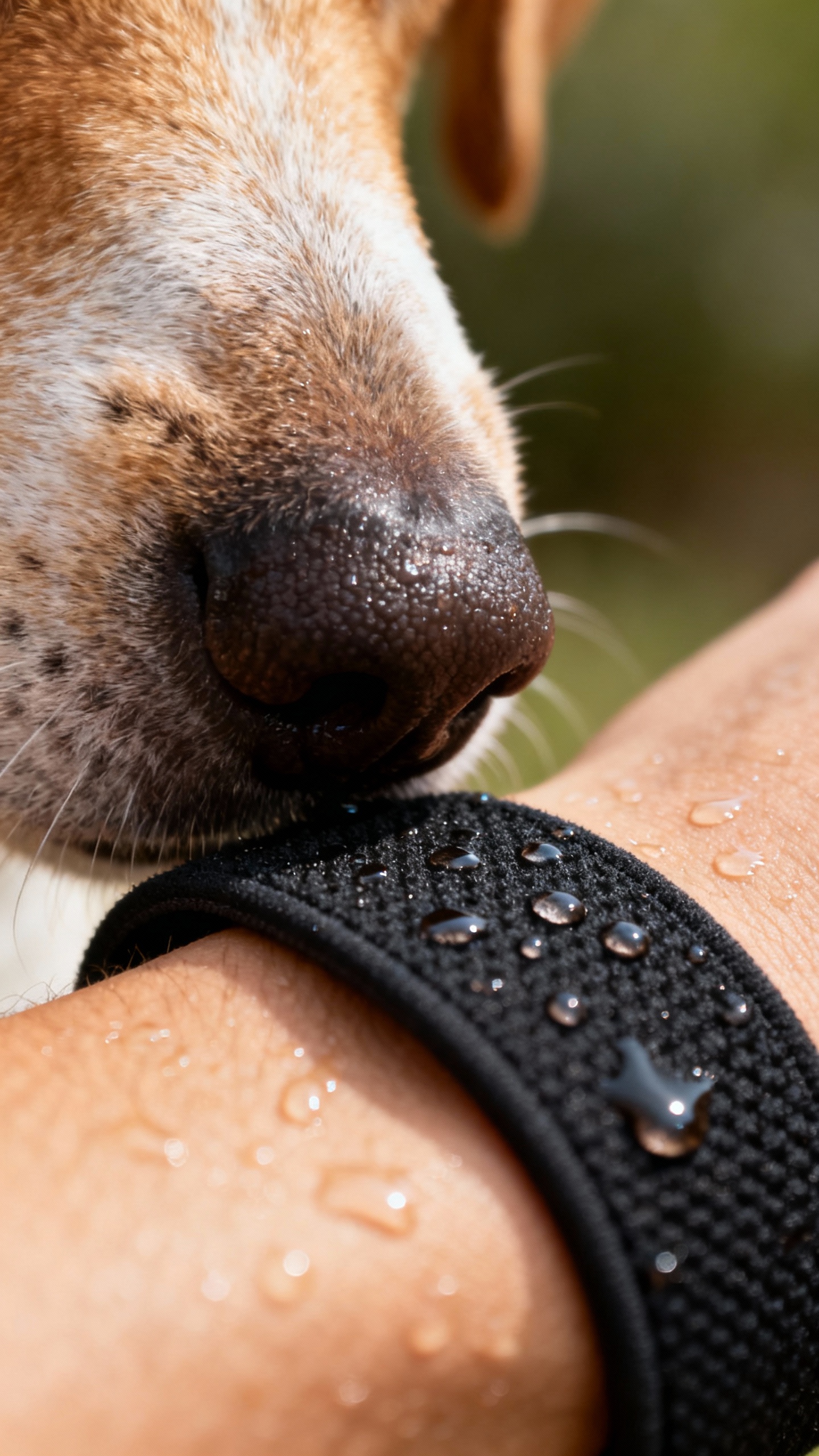
Dogs live in a world of scent, and we… don’t. Their noses can detect odors in parts per trillion. Translation: if smell were sight, we read a postcard while they read a novel with footnotes.
- Hormonal changes: Dogs smell shifts in cortisol, adrenaline, and even pheromones.
They can tell when you’re stressed before you admit it to yourself.
- Illness clues: Some dogs detect infections, migraines, and low blood sugar. They can even sniff certain cancers. Wild, right?
- Diet and mood: Ate garlic?
Feeling anxious? Your dog clocked it the minute you walked in.
Why scent tells the whole story
When your heart rate climbs or your sweat changes, your dog smells those chemical tweaks. They connect that scent pattern to outcomes: arguments, workouts, or snack time.
You just think they’re clingy—they’re actually data-driven.
Weather Whispers: Storms, Quakes, and Pressure Drops
You check an app; your dog checks reality. Dogs sense barometric pressure changes, static buildup, and distant thunder long before the first raindrop.
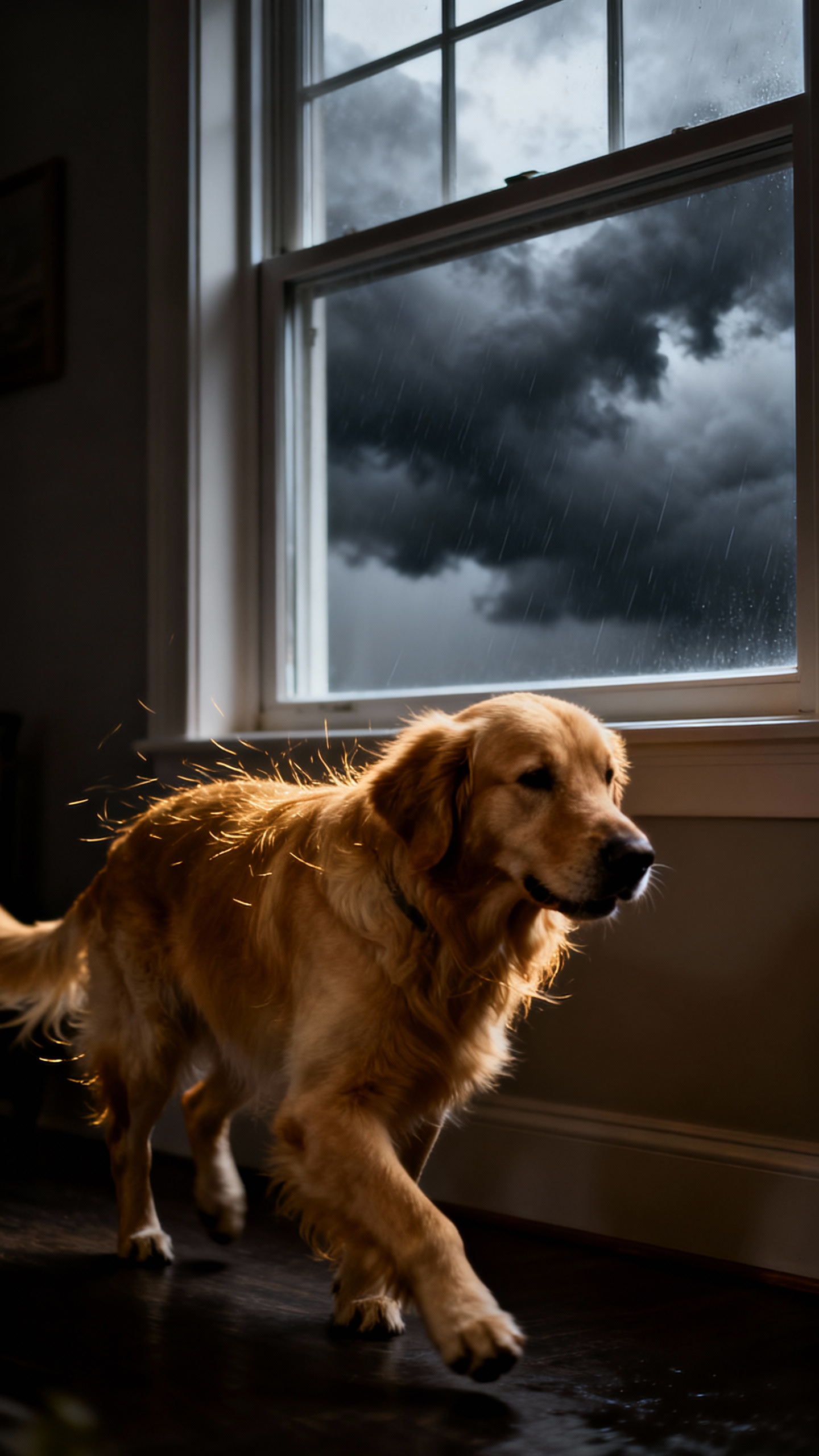
- Thunderstorms: They might pace or hide hours before it hits. Static in their fur feels weird, and they hear thunder far away.
- Earthquakes: Some dogs act unsettled before tremors.
Scientists debate why, but vibrations and underground rumblings probably play a role.
- Temperature shifts: Dogs notice subtle changes—expect them to sprawl on cool floors or burrow deeper depending on the incoming forecast.
How to help a weather-sensitive dog
– Create a cozy “storm bunker” with blankets and white noise. – Try a thunder shirt or calming chews if anxiety spikes. – Reward calm behavior; don’t over-comfort nervousness. You’ve got this, and FYI, so do they.
Your Calendar, Their Clock: Routine and Timing
Dogs don’t wear watches. They don’t need them.
They sense time through circadian rhythms, environmental cues (light, temperature), and yes—your daily rituals.
- Meal times: They know 5 p.m. before your oven does.
- Arrival prediction: Your dog hears your car blocks away and smells your scent trail drifting home.
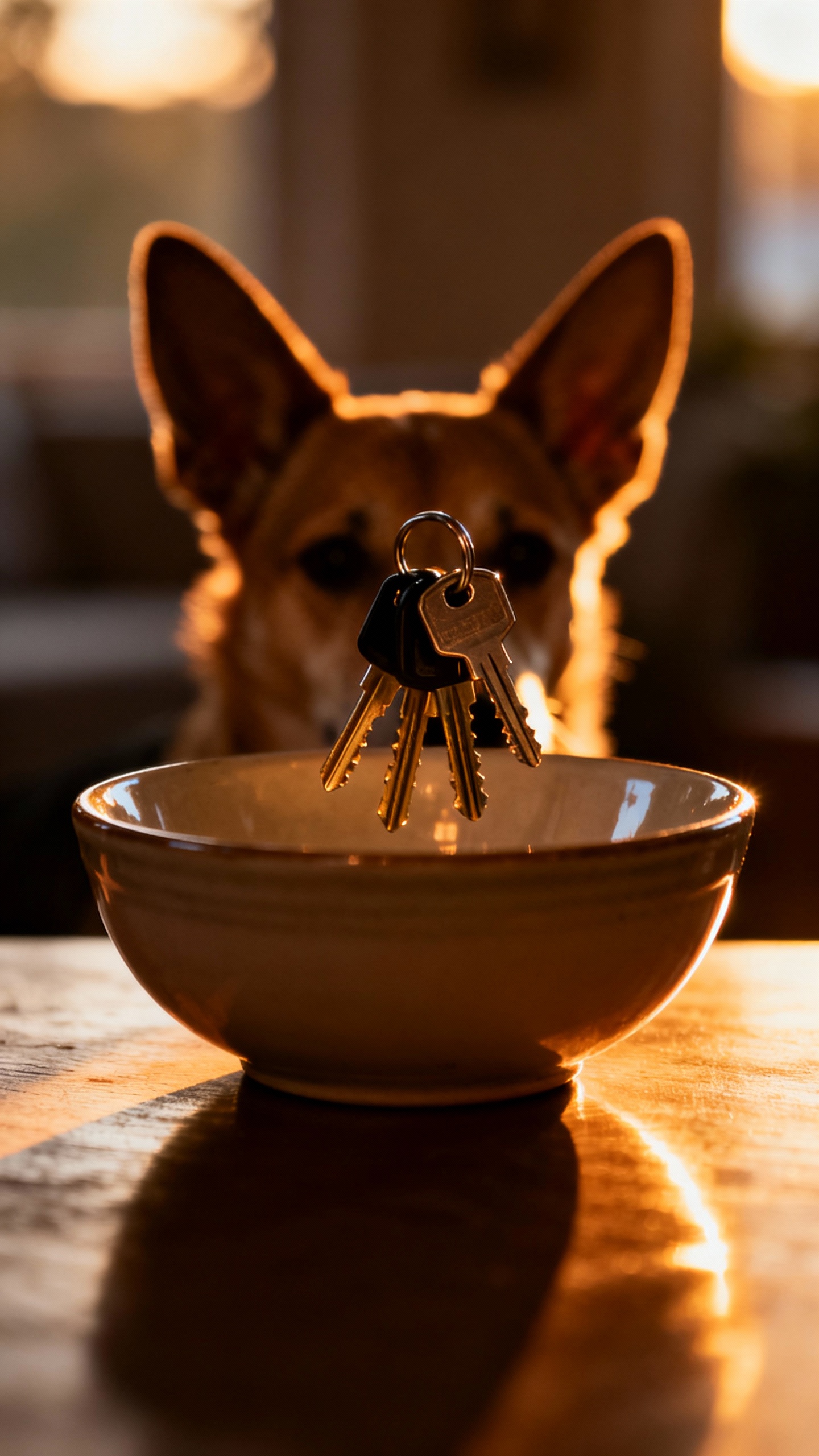
- Micro-routines: Keys in bowl? Laptop closed? Boom—walk time.
They’ve mapped your patterns.
The scent-clock theory
Some researchers think dogs use scent decay to estimate time. If your home smells less like you as the day passes, they learn when your “fresh” smell returns. It’s weird and brilliant, like most dog things.
Mood Radar: Emotions, Stress, and Intentions
You smile with your mouth; you frown with your whole body.
Dogs read the whole thing. They study your posture, voice pitch, facial expressions, and scent changes simultaneously.
- Stress and anxiety: Faster breathing, tense shoulders, clipped speech—your dog notes it all and moves closer or gives you space.
- Arguments brewing: Raised voices, heavy footsteps, door slams—dogs pick up on conflict and might leave the room before the first “We need to talk.”
- Sadness: Expect extra cuddles and slow blinks. Dogs do emotional triage better than most people, IMO.
Training tip: make your vibe the cue
Calm body language = calm dog.
Pair steady breathing with a cue like “settle.” Your dog links your relaxed state to their own, which helps during chaos later.
Health Alerts: When Your Dog Turns Into a Medical Assistant
No formal certification, just major talent. Many dogs sense health events before you feel them.
- Seizures: Some dogs alert minutes before, possibly by detecting odor or subtle movements.
- Blood sugar changes: Diabetic alert dogs smell hypo/hyperglycemia via breath and sweat changes.
- Migraines and fainting: Dogs often warn by pawing, staring, or refusing to leave your side.
What alert behaviors look like
– Intense eye contact and pacing – Persistent pawing or nudging – Blocking your path or leaning on your legs If your dog acts like your overbearing gym coach for no reason, consider a health check.
Home Security Mode: People and Animals Approaching
We hear a knock; dogs hear footfalls, engine idling, and mailperson sighing from down the block. Their hearing ranges higher and picks up faint sounds faster.
- Guests arriving: Your dog perks up long before the doorbell.
- Wildlife in the yard: Squirrels, raccoons, ghosts (kidding)… your dog knows before the blinds even twitch.
- Strange sounds: Dripping faucets, whistling vents, buzzing electronics—dogs notice.
Sometimes they “tell” you with a stare that says, “Fix your house, human.”
Channel the watchdog energy
Teach a cue like “thank you” to end alert barking. Reward quiet after one or two barks. Your neighbors will send fruit baskets.
Travel Vibes: Leaving, Returning, or Moving
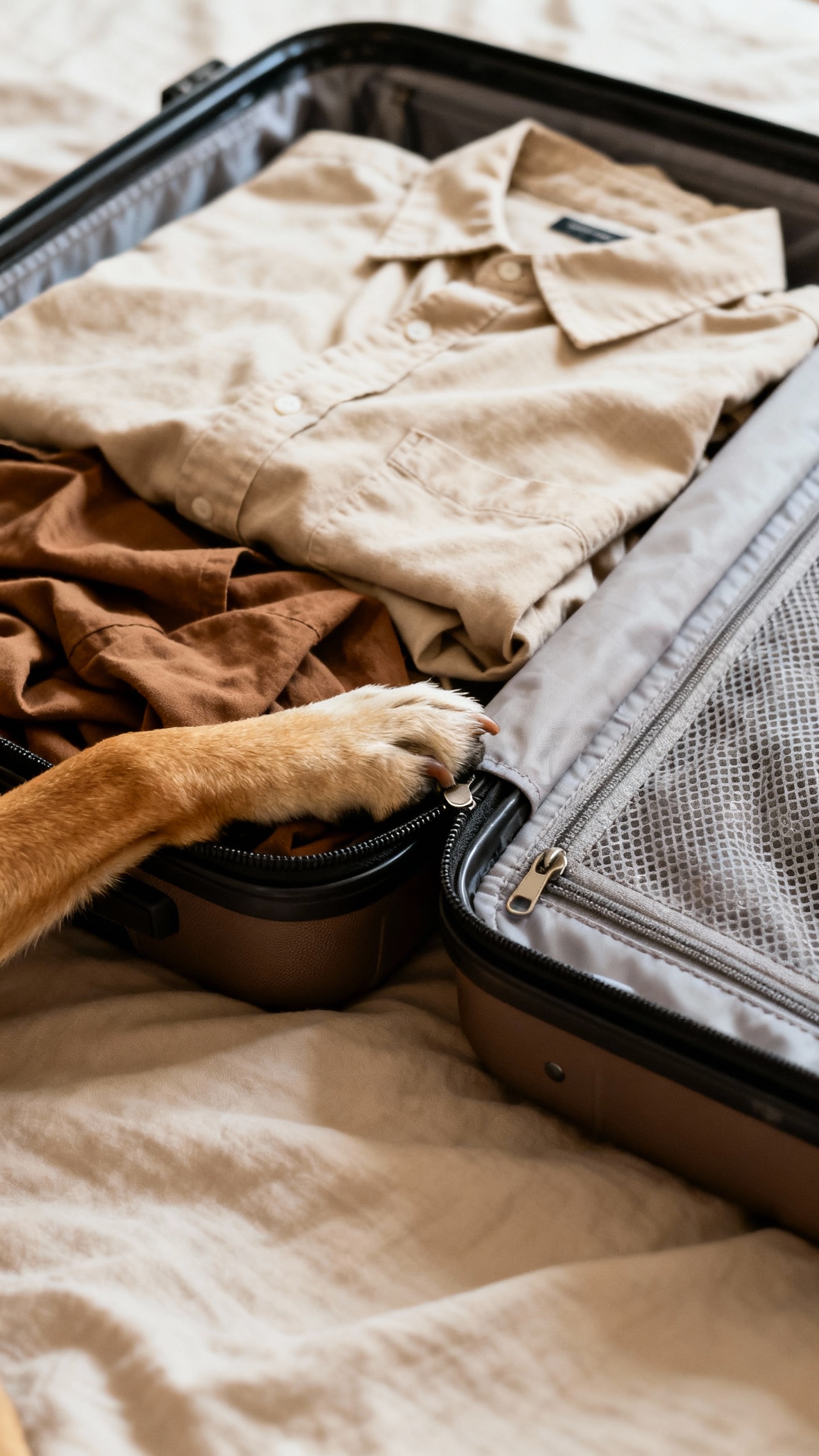
Dogs sense when bags come out, routines shift, or your energy turns “pre-trip frantic.” They study your packing, outfits, and even the suitcase smell.
- Departure: Luggage = cling mode.
They might shadow you or guard the door.
- Returning: Minutes before you arrive, they move to the window or door like they’ve got GPS.
- Big life changes: New house? Baby gear? Your dog senses the change and audits the entire situation with their nose.
The Big 10: Things Your Dog Senses First
- Your stress levels through scent and body language
- Impending storms via pressure changes and sound
- Earthquakes or tremors from vibrations
- Illness or health shifts like low blood sugar or migraines
- Time-of-day routines using environmental cues and scent decay
- Guests or intruders based on distant sounds and smells
- Animal visitors lurking in your yard
- Your arrival thanks to familiar engine noise and scent
- Relationship dynamics when arguments or tension brew
- Upcoming trips from luggage cues and your chaos energy
How to Tune In: Strengthening the Human-Dog Signal
You can’t beat their senses, but you can learn their language.
- Watch the micro-signals: Whale eye, lip licking, yawning, slow tail wag—all speak volumes.
- Build routines: Predictable schedules reassure sensitive dogs.
- Reward calm curiosity: When they notice something and look to you, pay them.
That’s teamwork.
- Enrich the nose: Sniff walks, scent games, and food puzzles let them do what they do best.
- Ask for help: If alerts feel medical, talk to your vet. If behavior escalates, call a qualified trainer. FYI, sooner is easier.
FAQ
Can any dog sense health issues, or only trained service dogs?
Many dogs naturally notice changes, but trained medical alert dogs get conditioned to signal reliably.
Untrained dogs might warn you sometimes, but for consistent alerts, professional training matters.
Why does my dog stare at me before I get a migraine?
Your scent and behavior change before pain hits. Dogs catch those early cues and may try to keep you safe by hovering or blocking your path. They’re not dramatic; they’re accurate.
How do I know if my dog is anxious about weather?
Look for pacing, panting, drooling, hiding, or clinginess before storms.
If it ramps up with thunder or wind, that’s your pattern. Create a safe space and chat with your vet if it gets intense.
Does my dog really know when I’m coming home?
Often, yes. They recognize engine sounds, neighborhood routines, and your scent trail outside.
Some dogs just vibe with the timing. Either way, it feels like magic because it kind of is.
Is alert barking good or bad?
It’s good until it’s not. A couple barks say “got it, something’s up.” Beyond that, teach a release cue like “thank you,” then reward quiet.
You’re not silencing them—you’re giving them a job with an off-switch, IMO.
Can dogs predict earthquakes?
Evidence is mixed, but plenty of anecdotal reports say dogs act oddly before quakes. They might sense vibrations or hear noises humans can’t. Don’t rely on it as an alarm system, but don’t ignore it either.
Bottom Line
Dogs don’t have superpowers—they just use their senses at full blast.
They smell our feelings, hear our future visitors, and read our routines like a favorite book. If you listen back, you’ll notice they “tell” you almost everything. Pay attention, reward the good signals, and let your furry detective lead the way.
They’ve been right this whole time.
Leave a Reply