
Some dogs slip into family life like a rom-com meet-cute. Others? They arrive like a tornado wielding a chew toy.
If you’re a first-time pet parent, the wrong match can turn your living room into a parkour course and your shoes into confetti. Let’s talk about breeds that often overwhelm newbies—not because they’re “bad,” but because they need structure, experience, and a whole lot of consistent training.
Quick Reality Check: It’s Not “Bad Dogs,” It’s Big Demands

You can love a breed and still admit it’s a handful. Some dogs come with sky-high energy, intense drive, or strong guarding instincts that challenge beginners.
These aren’t plug-and-play pups. They need confident leadership, daily mental workouts, and boundaries that don’t bend. Before we name names:
- Training and socialization matter more than the label on the leash.
- Individual temperament varies wildly within every breed.
- Rescue groups can match you with a calmer individual if you’re set on a specific breed.
The 10 Breeds That Often Overwhelm First-Timers
1) Siberian Husky
Gorgeous, goofy, and itching to run a marathon before breakfast. Huskies escape like Houdini and ignore recalls if a squirrel winks at them.
They need miles of exercise and puzzle toys daily, not just a quick walk around the block.
2) Border Collie
Smart enough to outwit your entire friend group. Border Collies need jobs—herding, agility, scent work, anything. Without mental work, they’ll “herd” your kids, your Roomba, and your sanity.
3) Belgian Malinois
The Navy SEAL of dogs.
Malinois crave intense training and clear structure. Without it, they channel their energy into property remodeling via teeth. IMO, amazing dogs—but not casual companions.
4) Australian Cattle Dog (Blue Heeler)
Workaholic vibes.
These dogs nip to move livestock, and guess what? Your ankles qualify as livestock when boredom hits. They need training with impulse control from day one.
5) Jack Russell Terrier / Parson Russell
Tiny body, turbo engine.
They dig, chase, and leap like caffeinated kangaroos. Great for active folks who love training games—rough for first-timers who expect a lap potato.
6) Chow Chow
Independent, aloof, and prone to guarding. Chows need meticulous socialization and a confident handler.
Grooming also takes time and technique, unless you enjoy matting surprises.
7) Akita
Regal, strong-willed, and protective. Akitas don’t automatically love other dogs, and they won’t bend to sloppy training. First-time owners often struggle with their intensity and physical strength.
8) Weimaraner
Velcro dog with a jet engine.
Weims crave constant activity and human company. Leave them alone too long and they’ll redecorate via separation anxiety.
9) Dogo Argentino
Athletic guardian bred for big jobs. They require advanced training, experienced handling, and careful socialization.
Not a breed that tolerates inconsistent rules.
10) Dalmatian
Yes, spots. Also: high energy, sensitivity, and a streak of stubborn. Without structured exercise, they get wild.
FYI: They can be prone to deafness and need a mindful training approach.

Why These Breeds Challenge Beginners
High energy + high intellect equals mischief when you skip training. Many of these breeds were developed for serious jobs—herding, guarding, pulling, hunting. They don’t switch off just because your calendar says “Netflix.” Key challenge areas:
- Exercise demands: Think hours, not minutes.
- Mental work: Food puzzles, training drills, scent games.
- Impulse control: Especially with prey drive and herding instincts.
- Socialization: Early and ongoing, not just a few puppy classes.
- Consistency: Mixed messages create chaos fast.
Red Flags for First-Timers
- You want a “low-maintenance” companion.
- Your schedule doesn’t allow 60–120 minutes of daily exercise and training.
- You dislike firm boundaries or feel guilty enforcing rules.
What If You’re Already in Love With One?
You can make it work, but set yourself up for success.
The secret sauce: structure, training, and help from people who know the breed.
Your Survival Kit
- Hire a trainer early—before problems solidify. Look for reward-based methods.
- Crate train to prevent chaos and give your dog a safe chill zone.
- Daily brain games: Snuffle mats, scent work, shaping sessions, trick training.
- Long-line recalls for safe freedom while you build skills.
- Structured outlets: Agility, flyball, dock diving, herding lessons (for herding breeds).
Behavior Challenges You’ll Likely See
Reactivity and Guarding
Some breeds guard naturally. Without careful socialization, they bark, lunge, or overreact to guests and other dogs.
You’ll need to manage space and practice calm greetings.
Prey Drive and Chasing
Squirrels, cats, bikes—if it moves, it’s a game. Long lines and rock-solid recall training matter. Don’t trust “He’s good off-leash” until you’ve proofed it in real distractions.
Destructive Chewing
Bored dogs chew.
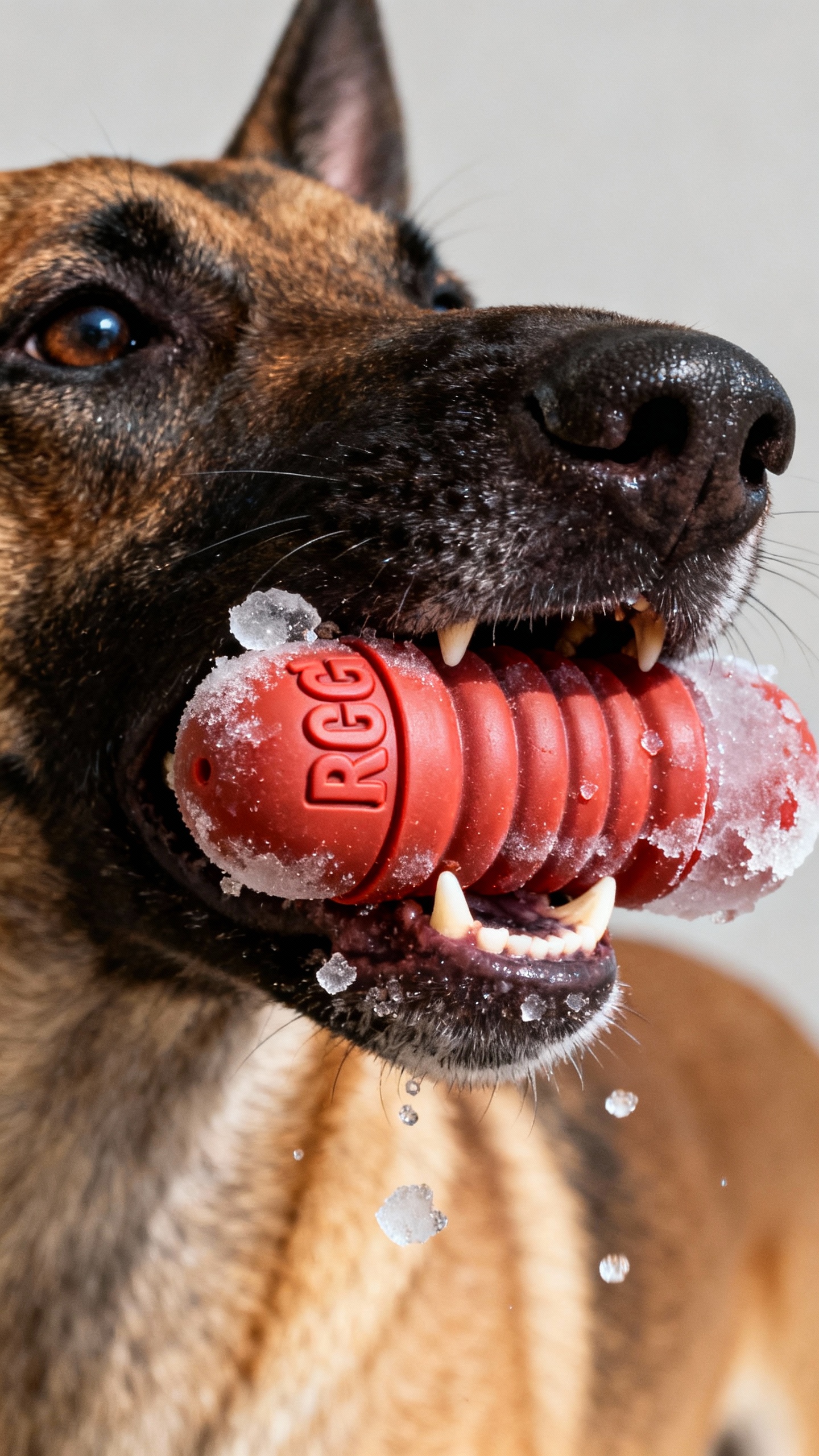
Active working breeds chew creatively. Rotate tough chews, freeze stuffed Kongs, and supervise during high-energy windows.
Separation Anxiety
Clingy breeds struggle when left alone. Train independence with short departures, calm returns, and enrichment that makes alone time rewarding.
Great Alternatives for First-Time Owners

If you want happy without the chaos, consider breeds and mixes known for adaptability.
Every dog is an individual, but these often play nicer with novice owners.
- Golden Retriever / Labrador (from responsible lines): Friendly, trainable, eager to please.
- Cavalier King Charles Spaniel: Gentle companion with moderate exercise needs.
- Poodle (Miniature/Standard): Smart and versatile, great for training-minded beginners.
- Mixed breeds from rescues: Often come with known temperaments and adult energy levels.
Pro tip
Ask shelters for dogs labeled “adoption ambassador,” “foster favorite,” or “easy keeper.” Foster notes beat guesswork, IMO.
FAQ
Are these breeds impossible for first-time owners?
Not impossible—just higher risk for frustration. If you love the breed, work with a trainer from day one, commit to exercise and mental work, and choose a reputable breeder or rescue that evaluates temperament.
What’s the single biggest mistake beginners make?
Underestimating daily workload. A 20-minute stroll won’t drain a Husky or Malinois.
Plan for structured exercise and training blocks, not just free play.
Do mixed breeds avoid these problems?
Not always. Mixes can inherit drive, energy, or guarding instincts. The win with mixes often comes from adult adoption—what you see is what you get, behavior-wise.
How early should I start training?
Immediately.
Reinforce calm behavior on day one. Sign up for a puppy or foundations class within the first week, and practice short, fun sessions daily.
What if my dog already shows problem behaviors?
Get help fast. Find a certified, force-free trainer or behavior consultant.
Management (gates, crates, leashes), enrichment, and consistent routines can turn things around.
Is neutering/spaying a behavior fix?
It can influence some behaviors, but it won’t replace training. Focus on meeting needs, setting boundaries, and building skills.
Final Thoughts
You don’t need the “easiest” dog—you need the right match for your lifestyle. Some breeds on this list adore dedicated owners and shine with structure, but they can steamroll beginners who wing it.
Choose with your head and your heart, plan for training, and you’ll dodge chaos while still getting that goofy, tail-wagging best friend. FYI: The best dog is the one you commit to showing up for—every single day.
Leave a Reply