
Your dog doesn’t need a diamond-studded collar to feel loved. They want your time, your attention, and honestly, your sandwich crusts. The best part?
You can show your pup love in ways that strengthen your bond and improve their health. Ready to make your dog’s tail do that helicopter spin? Let’s get into the good stuff.
Make Time for Real Play
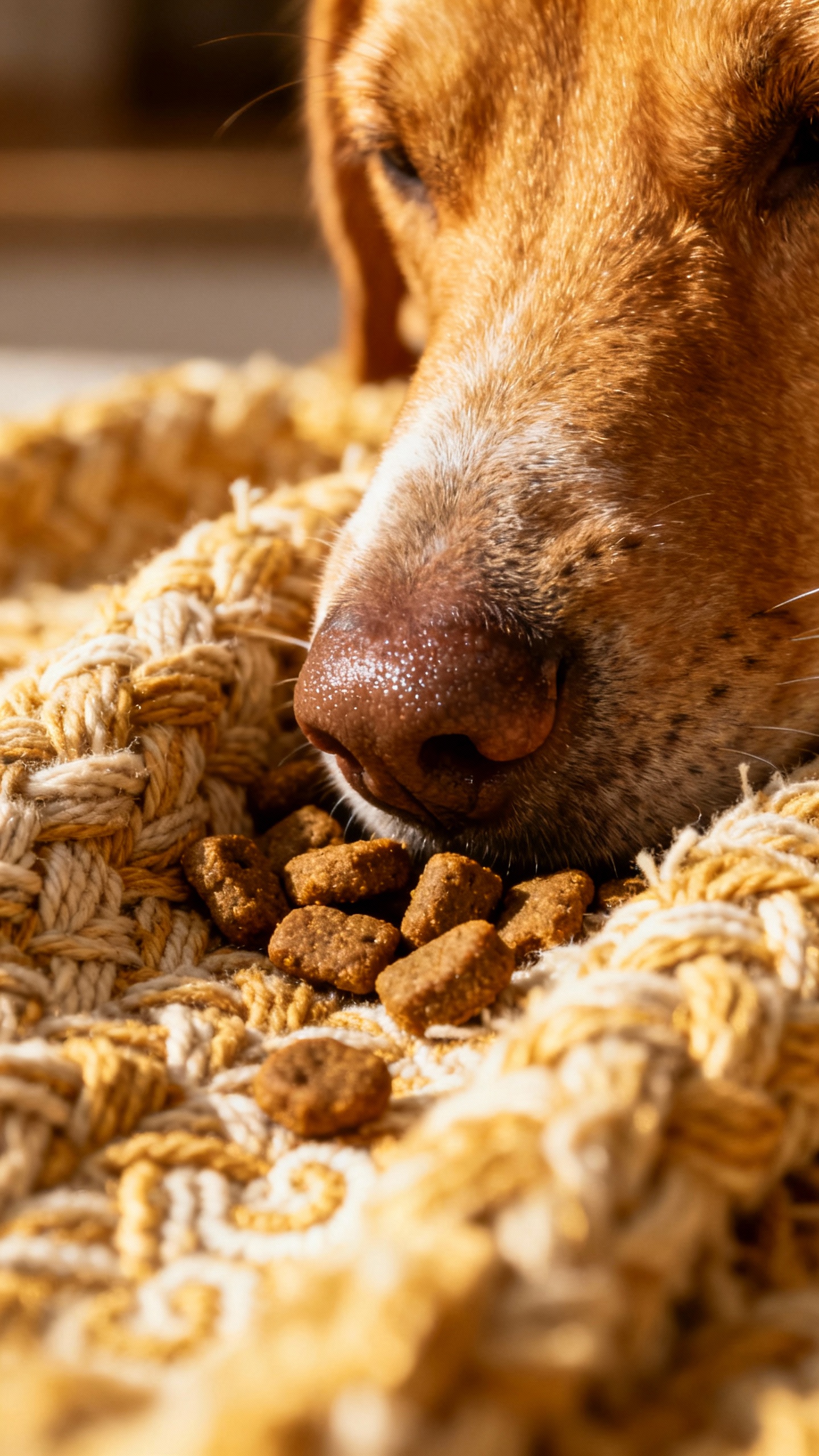
Play isn’t optional for dogs—it’s language, exercise, and joy all rolled into one fuzzy package.
And no, tossing a toy while you scroll doesn’t count. Get on the floor, get silly, and match your dog’s energy. You’ll both sleep better.
Find Their Favorite Game
- Fetch: Great for high-drive dogs who love chasing.
Use soft toys indoors and balls outside.
- Tug-of-war: Builds confidence and impulse control—just teach a “drop it.”
- Hide-and-seek: You hide, they find—great for strengthening recall and boosting their brain.
- Chase the flirt pole: Basically a giant cat toy for dogs. Fantastic outlet for zoomies.
Pro tip: End the game while your dog still wants more. You’ll keep the excitement high and avoid the “I’m over it” slump.
Train Like It’s Bonding Time (Because It Is)
Training doesn’t mean military drills or stern voices.
It means clear communication and tiny wins that add up. Your dog wants to understand you—make it easy and fun.
Short Sessions, Big Gains
- Keep it short: 3–5 minutes, a few times a day. Quit on a success.
- Use rewards that matter: Cheese, chicken, or a favorite toy—pay them well for good choices.
- Focus on life skills: “Leave it,” “wait,” and a reliable “come” beat party tricks every time.
IMO, teaching a solid recall says “I’ll keep you safe” more than any love note ever could.
Make Routine Moments Count
Turn daily stuff into training gold.
Ask for a sit before meals, a down before leash time, and an eye contact check-in at doors. Consistency = clarity, and clarity feels like love to a dog.
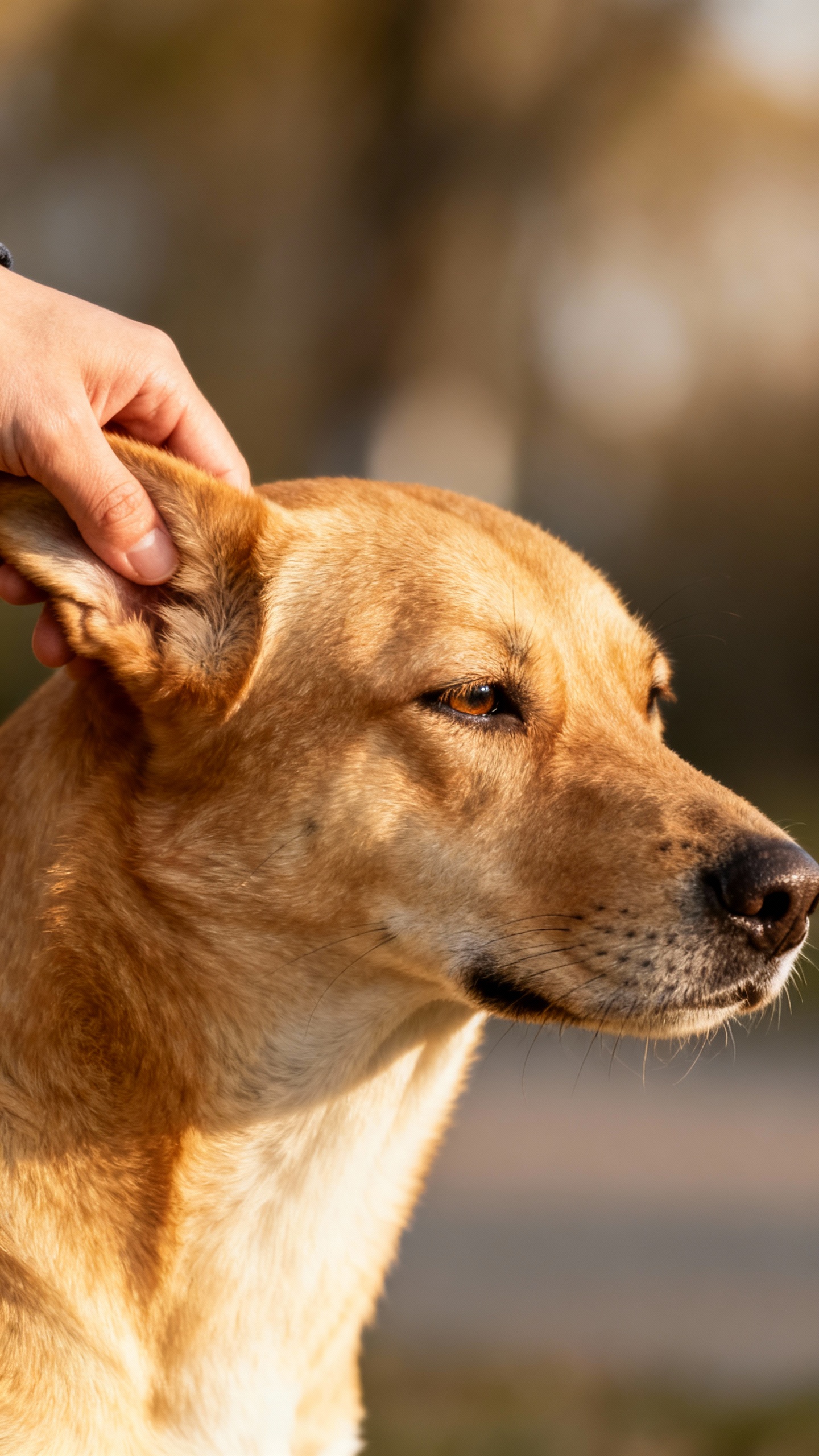
Touch That Says “You’re Safe With Me”
Not every dog craves cuddles, but every dog needs calm, respectful handling. Think of touch as a conversation—ask first, listen, and respond.
Learn Their “Yes” and “No” Signals
- Yes signs: Soft eyes, loose body, leaning into you, sighs.
- No signs: Lip licking, turning away, stiffening, whale eye, yawning when not sleepy.
Respect the no. When your dog opts out, they learn you’re safe to be honest with. That trust?
Priceless.
Massage and Grooming as Love Languages
- Slow strokes along the shoulders and chest: Calming and bonding.
- Ear rubs: Gentle only—lots of nerves there, so keep it light.
- Grooming: Use soft brushes and treats to make it spa-day chill, not a wrestling match.
FYI, regular paw handling (with treats) makes vet visits and nail trims way less dramatic. Your future self will thank you.
Feed Their Body—and Their Brain
Food is love, but let’s not love-bomb with random table scraps. Show care through nutrition and enrichment that taps into your dog’s natural instincts.
Upgrade Mealtime
- Quality food: Choose a diet that fits age, activity, and health needs.
Your vet is your co-pilot here.
- Puzzle feeders: Slow bowls, snuffle mats, and food puzzles turn eating into satisfying “hunting.”
- Training treats from dinner: Use part of their meal for training—less junk, more engagement.
Enrichment They’ll Brag About at the Dog Park
- Sniff walks: Let them choose the route sometimes. Sniffing tires the brain like cardio tires the legs.
- Chew rotation: Safe chews and stuffed Kongs keep jaws busy and minds calm.
- DIY scent games: Hide treats under cups, in boxes, or around the room. Start easy, then level up.
IMO, a tired mind beats a tired body.
A dog who got to sniff and solve stuff? That’s a zen master.

Protect Their World
Love also means being the grown-up. Set them up for success, advocate for their comfort, and choose safety over social pressure.
Be Their Voice
- Say no to unwanted greetings: Your dog doesn’t need to meet every dog or person.
It’s not rude; it’s responsible.
- Manage the environment: Use gates, crates, and tethers to prevent chaos, not punish it.
- Routine vet care: Exams, vaccines, dental checks—boring but essential.
Comfort gear matters: Use a well-fitted harness, ID tags, and a microchip. Peace of mind looks good on you.
Quality Time That Matches Their Personality
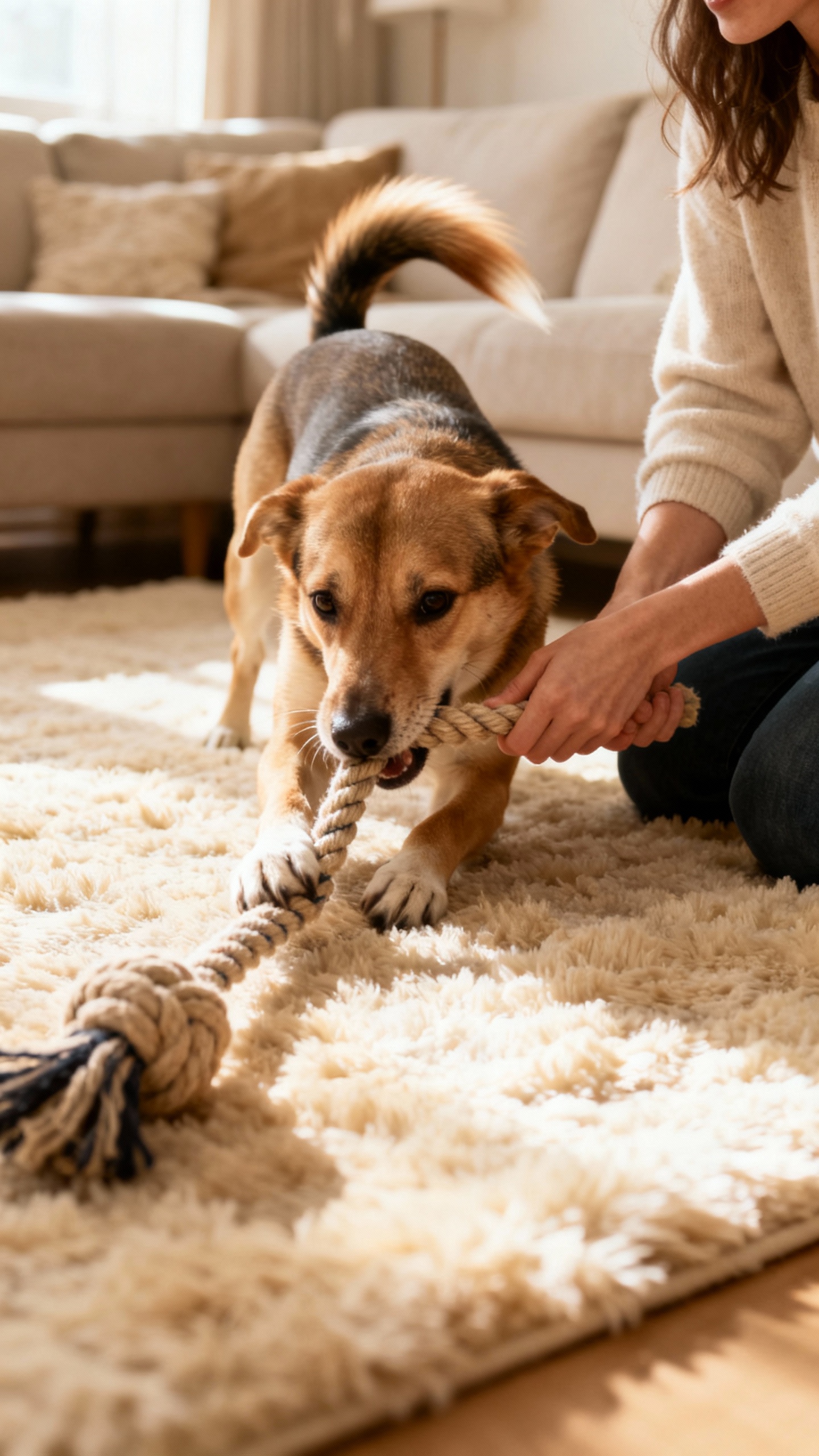
Every dog is unique. Your cattle dog might crave mountain miles; your senior pug prefers sunbeams and gentle strolls.
Meet them where they are.
Customize the Love
- High-energy dogs: Structured exercise plus brain games. Think hiking, agility, or scent work.
- Shy or sensitive dogs: Quiet routines, predictable cues, and gradual exposure to new things.
- Seniors: Softer beds, shorter walks, joint support, and slow sniff sessions.
- Puppies: Short play bursts, naps, socialization at their pace, and tons of chew options.
Matching your dog’s vibe doesn’t spoil them—it tells them you see them. And isn’t that the point?
FAQ
How much playtime does my dog actually need?
It depends on age, breed, and health, but most adult dogs do best with 30–60 minutes of physical activity daily plus mental enrichment.
Puppies need shorter, frequent bursts with lots of naps. Seniors may prefer multiple short strolls and sniff breaks. Watch your dog’s energy and adjust—hyper or destructive behavior often means they need more brain work, not just more running.
Is human food okay as treats?
Some human foods make great training rewards—think plain cooked chicken, turkey, or cheese in tiny pieces.
Avoid toxic foods like onions, garlic, grapes, raisins, xylitol, and chocolate. Keep treats to about 10% of daily calories. If your dog has allergies or a sensitive stomach, check with your vet first.
What’s the best way to show love to a dog that doesn’t like cuddling?
Focus on play, training, and enrichment.
Sit near them without touching and let them choose when to approach. Hand-feed a portion of meals, practice calm sniff walks, and use gentle massage only if they lean in. Love doesn’t always mean hugs—sometimes it’s space and predictability.
How can I make grooming less stressful?
Break it into tiny steps and pair each step with treats.
Touch the brush to their shoulder, treat. One stroke, treat. Stop before they get fidgety.
Use non-slip mats, go slow around paws and ears, and keep sessions short. Build up gradually and you’ll see confidence grow.
Do dogs get bored with the same walk route?
Many do. Rotate routes when possible, or add variety with “sniff missions,” park-and-sniff sessions, or urban obstacle courses (curbs, steps, weaving poles aka trees).
Even on the same route, let them lead sometimes and linger at interesting smells. It’s their newsfeed, FYI.
How do I know if I’m overdoing exercise?
Watch for lagging, heavy panting that doesn’t resolve, stiffness later, or reluctance to go out next time. Puppies and large-breed youngsters especially need controlled exercise to protect growing joints.
When in doubt, trade some fetch for puzzles or training—smart swap.
Wrapping It Up
Dogs don’t measure love in fancy gear. They feel it in your routines, your patience, your goofy playtime, and your willingness to learn their language. Keep it simple: play often, train kindly, touch respectfully, enrich daily, and protect their peace.
Do that, and your dog will know—beyond any doubt—that their favorite place in the world is right beside you.
Leave a Reply