
You step out for “just a minute,” and your dog acts like you vanished to another universe. Sound familiar? Dogs don’t just miss us—they broadcast it with the subtlety of a foghorn.
If you’ve ever wondered whether those puppy eyes mean “feed me” or “please never leave again,” let’s decode it. Here’s how to tell if your dog truly misses you—and what to do about it.
The Velcro Shadow: Clinginess After You Return
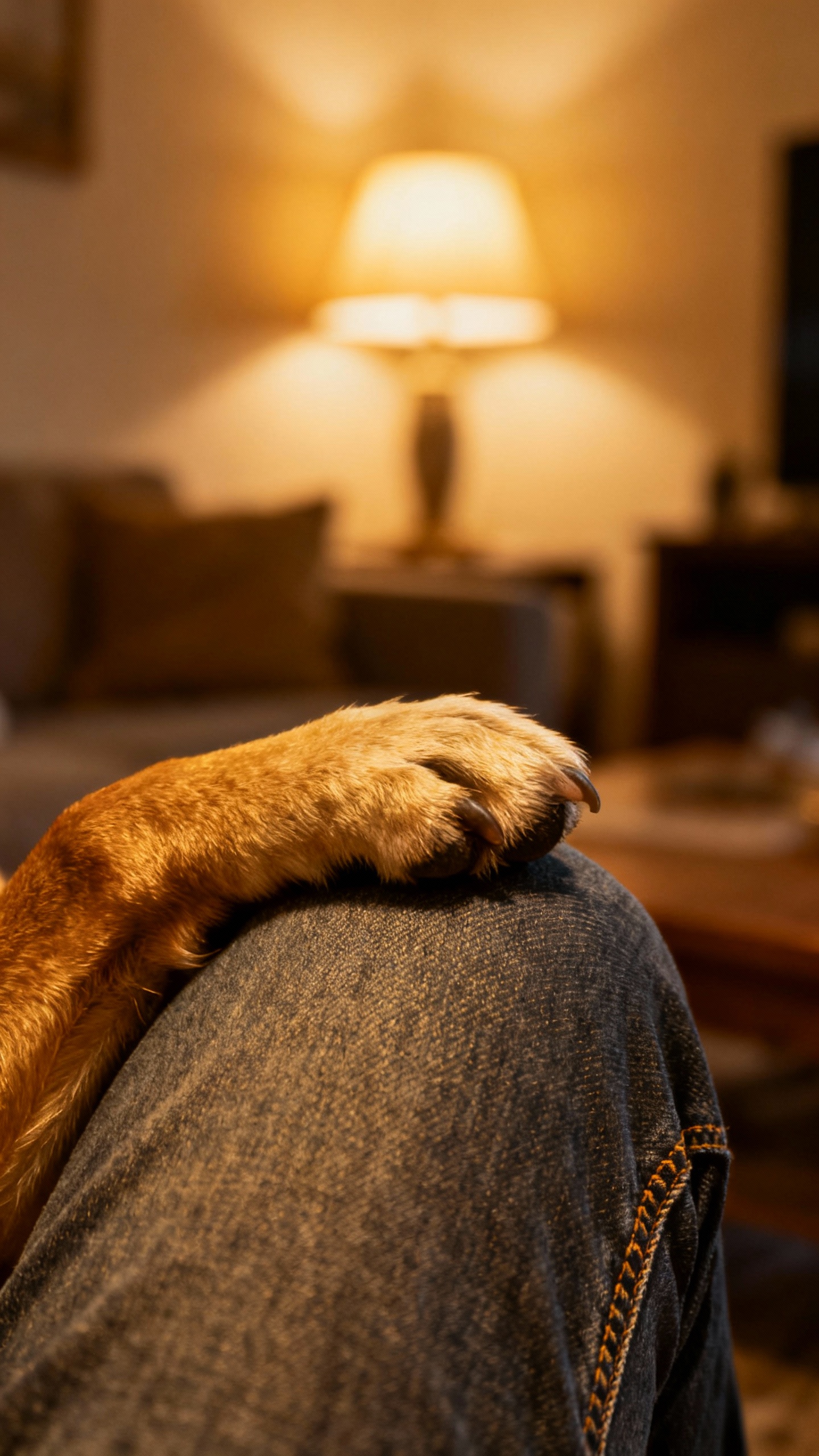
Your dog sticks to you like a magnet the second you walk in. Bathroom?
Escort. Kitchen? Security detail.
This isn’t just flattery—this is a classic “I missed you and I’m making sure you never disappear again” move.
How to spot clinginess vs. normal affection
- Follows every step: They track you from room to room like a tiny, furry detective.
- Body contact overload: Head in your lap, butt against your leg, paw on your knee—constant touch.
- “Reunion rituals”: Spinning, whining, bringing you the same toy every time you come home.
Want to help? Settle them with routine—ignore the initial frenzy, greet calmly, then give attention once they relax. It teaches them that your return equals peace, not a rave.
The Sigh-and-Stare: Changes in Sleep and Resting Behavior
Some dogs nap hard when you’re gone. Others keep one ear open like they’re guarding Fort Couch.
If your normally snoozy dog seems restless when you’re away, that’s a sign.
Red flags to watch
- Sleeping by the door or window: They’re waiting for your footsteps. Romantic? A little.
Sad? Also yes.
- Short, jumpy naps: They pop up at every noise like a tiny security system.
- Big, dramatic sighs: Dogs do use sound to release stress—those sighs might mean “ugh, where’d you go?”
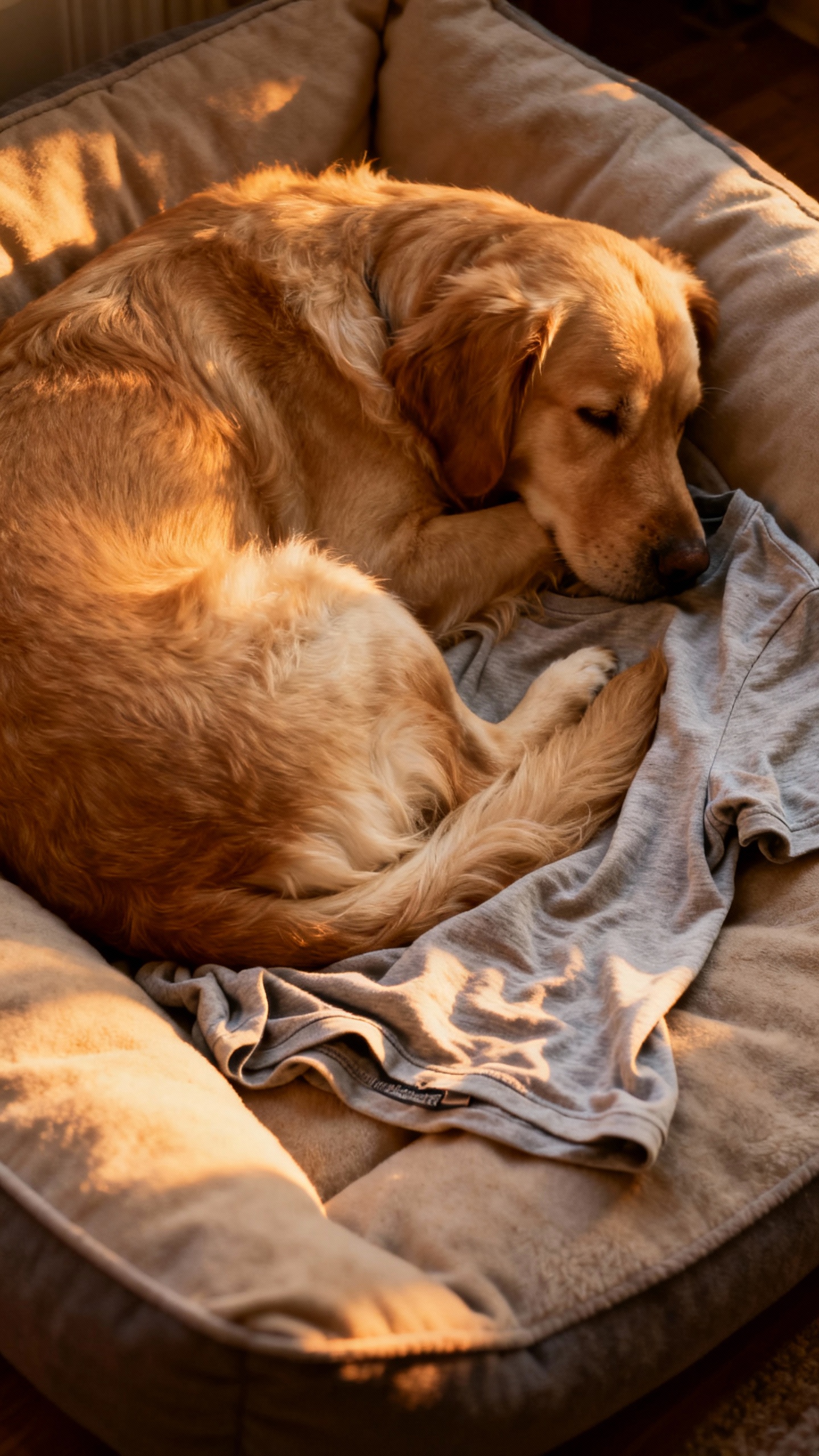
FYI, you can make your scent a comfort cue. Leave an unwashed T-shirt on their bed.
It’s not high art, but it works.
Destruction or Drama: “Acting Out” When You’re Away
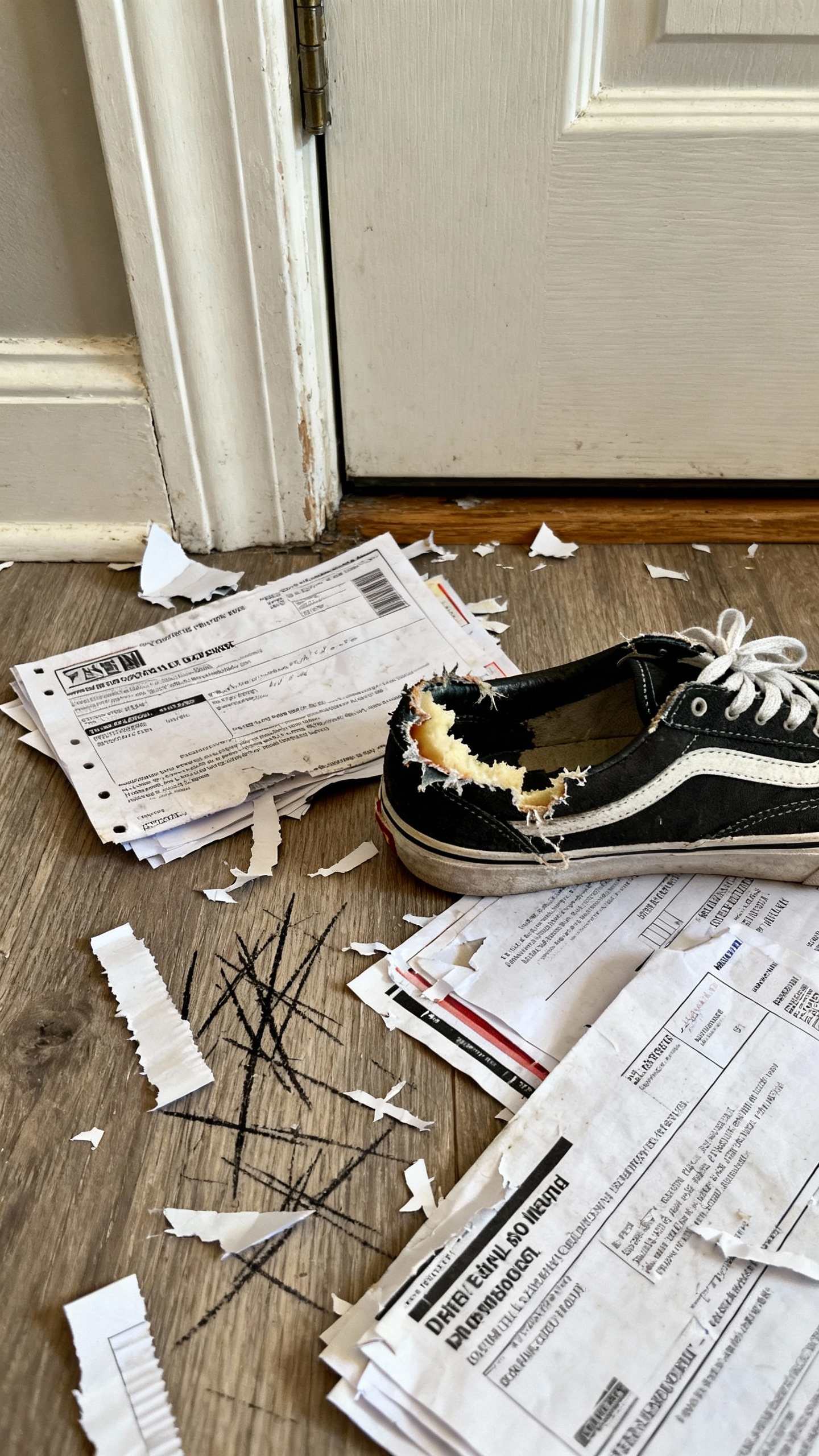
Chewed shoes, shredded paper, door scratching—it’s not a crime spree; it’s stress. Dogs don’t chew your sock for fun (okay, sometimes they do). But if the damage spikes when you’re gone, missing you is part of the picture.
Distinguish boredom from separation stress
- Boredom: Random chewing, usually lower-intensity; happens even when you’re home but busy.
Solution: more exercise and enrichment.
- Separation stress: Targeted destruction near exits, frantic pacing, drooling, howling, accidents right after you leave.
If you suspect separation anxiety, don’t white-knuckle it. Talk to a trainer or vet—you can fix it with a plan and, sometimes, meds. IMO, earlier intervention saves shoes and sanity.
The Greeting Explosion: Over-the-Top Homecomings
Some dogs greet you like you survived a shipwreck. Tail helicopter, zoomies, full-body wiggle, vocal celebrations—the works.
A joyful greeting doesn’t automatically equal anxiety, but it does scream, “I missed you a lot.”
Turn excitement into calm
- Keep arrivals low-key: Quiet hello, then wait for four paws on the floor.
- Reward calm: Pet and praise only when they settle.
- Create a predictable routine: Coat off, water down, then cuddles—same order every time. Dogs love systems.
Clues in the Camera: What They Do When You’re Gone
You can guess—or you can check. A pet cam tells you if your dog naps peacefully or paces like they’re on the world’s saddest treadmill.
Data beats guilt every time.
What to look for on video
- First 15–30 minutes: This window reveals the most anxiety—watch for whining, pacing, barking.
- Patterns: Settle after ten minutes? Probably okay. Nonstop distress?
Time for training.
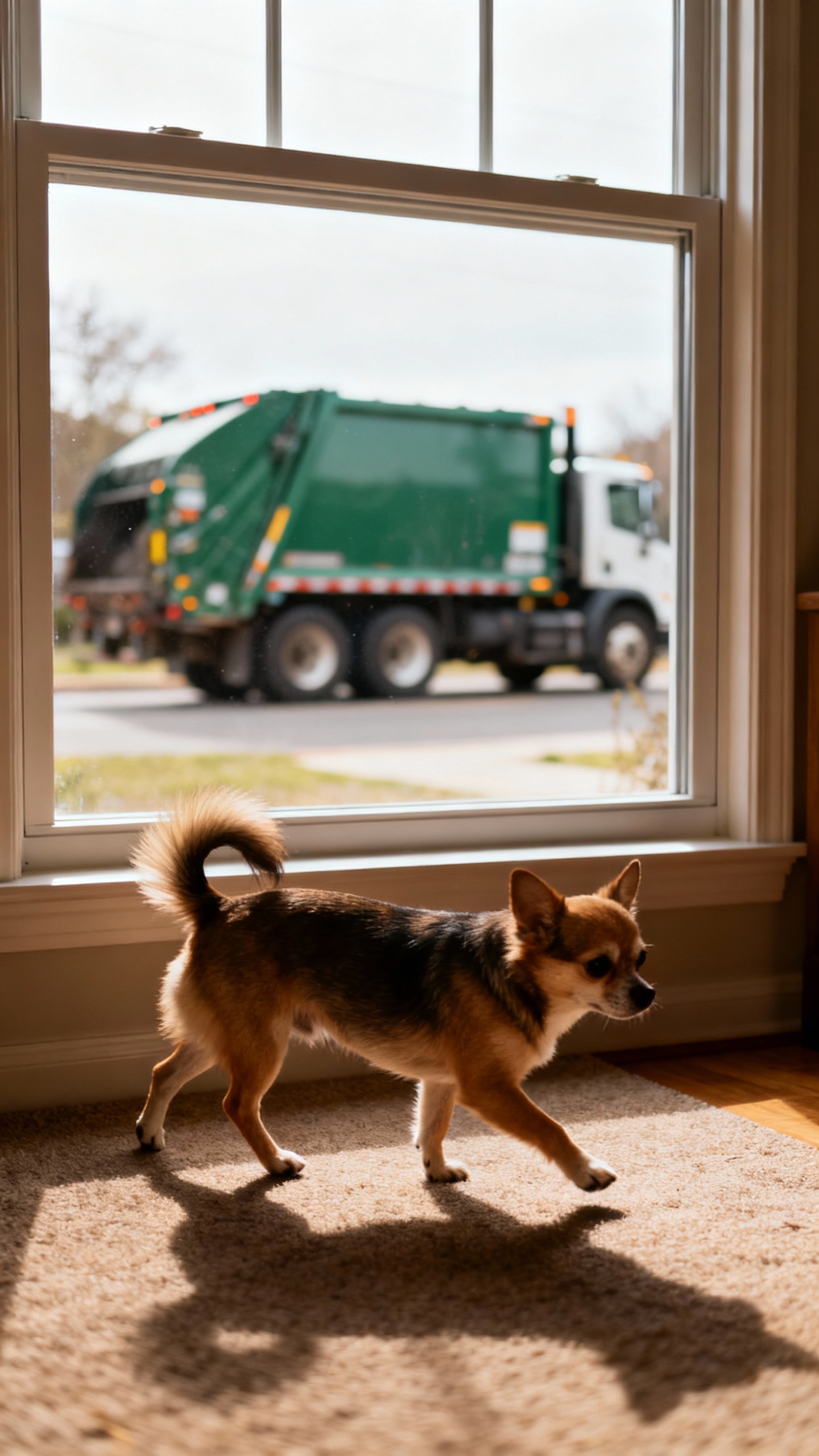
- Triggers: Garbage truck? Door slams? Pinpoint what spikes the stress.
If you see distress, shorten departures, use food puzzles right as you leave, and build up alone time in bite-sized increments.
Appetite and Play: The “Meh” Response
Your dog might snub breakfast when you leave or ignore toys they usually adore.
That “meh” vibe often means their brain prioritizes “Where are you?” over “Kibble is life.”
- Skipped meals when alone: Food loses appeal if anxiety shows up.
- No interest in puzzle toys: They can’t focus if they feel unsettled.
- Post-return appetite: They inhale everything once you’re back. Classic.
Try high-value, long-lasting chews reserved only for departures. Scarcity makes them special.
Also, exercise before you leave. A tired dog makes better choices. Same as humans, honestly.
Following the Scent: Nose-Driven Signs
Dogs navigate the world with their noses.
When they miss you, they often camp on your spot on the couch, your bed, your laundry pile (don’t lie—you have one). They might also “check” your usual routes at certain times.
- Nesting in your stuff: Your scent = comfort and safety.
- Patrolling exit points: Doors, garage, driveway peeks—it’s their version of texting “u up?”
- Time-based anticipation: They perk up right before your usual arrival. Dogs tell time through scent decay and routine.
Wild, right?
How to Help Your Dog Miss You Less (Without Cloning Yourself)
You can’t stop your dog from loving you. But you can help them feel secure when you step out.
Daily habits that build independence
- Predictable routine: Feed, walk, and rest around the same times. Stability = confidence.
- Pre-departure calm: No big fuss.
Quiet exits, low-key returns.
- Enrichment buffet: Sniff walks, puzzle feeders, scatter feeding, training games. Mental work > chaos.
- Alone-time training: Start with seconds, not hours. Leave the room, return before they worry, gradually increase.
- Safe space: Cozy bed, chew options, your scent item, ambient noise (TV or white noise).
When to call in the pros
If your dog panics—heavy panting, nonstop vocalizing, destruction at exits, self-injury—loop in a certified trainer or veterinary behaviorist.
You’re not failing; you’re supporting your dog. IMO, professional help turns months of struggle into weeks of progress.
FAQ
How long can I leave my dog alone without stressing them out?
It depends on age, temperament, and training. Many adult dogs handle 4–6 hours with proper exercise and enrichment.
Puppies and seniors need more frequent breaks. If your dog shows distress, shorten the time and build up gradually.
Do certain breeds miss their humans more?
Some breeds skew clingy—herding dogs, retrievers, and companion breeds tend to glue themselves to their people. That said, personality matters more than pedigree.
Even the most independent dog can struggle if routines change suddenly.
Will getting a second dog fix separation anxiety?
Not usually. Separation anxiety focuses on the absence of a specific person, not just loneliness. Another dog might offer comfort, but it can also double the chaos.
Fix the root issue first with training; consider a second dog later if it fits your life.
Is it okay to crate my dog when I leave?
If your dog loves their crate and relaxes there, yes. If they panic in the crate—scratching, salivating, crying—don’t force it. Use a safe room or pen and work on crate training separately with positive associations.
Do calming products actually help?
Some do for some dogs.
Try pheromone diffusers, calming chews, or pressure wraps. Pair them with training for best results. If anxiety runs hot, ask your vet about short-term meds to support behavior work.
How do I greet my dog when I get home?
Keep it chill.
Enter calmly, avoid high-pitched squeals (tempting, I know), and reward when your dog offers calm behavior—four paws on the floor, a sit, or a quiet sniff. Save the cuddle party for after they settle.
Conclusion
Dogs miss us loudly, often with chewed sneakers and dramatic sighs. The good news: you can turn that longing into confidence with routines, enrichment, and a little training.
Keep greetings calm, build independence, and use your scent to soothe. Your dog wants one thing—proof you always come back. Give them that, consistently, and you’ll both breathe easier.
Leave a Reply