
You don’t need a psychic to figure out whether your dog would go to bat for you. Dogs communicate trust constantly—you just have to know what to look for. If your dog treats you like their safe place, it shows up in their body language, their routines, and even their weird little quirks.
Let’s decode those signals so you can say, yeah, my dog’s got my back—and I’ve got his.
He Chooses You Over Everything Else
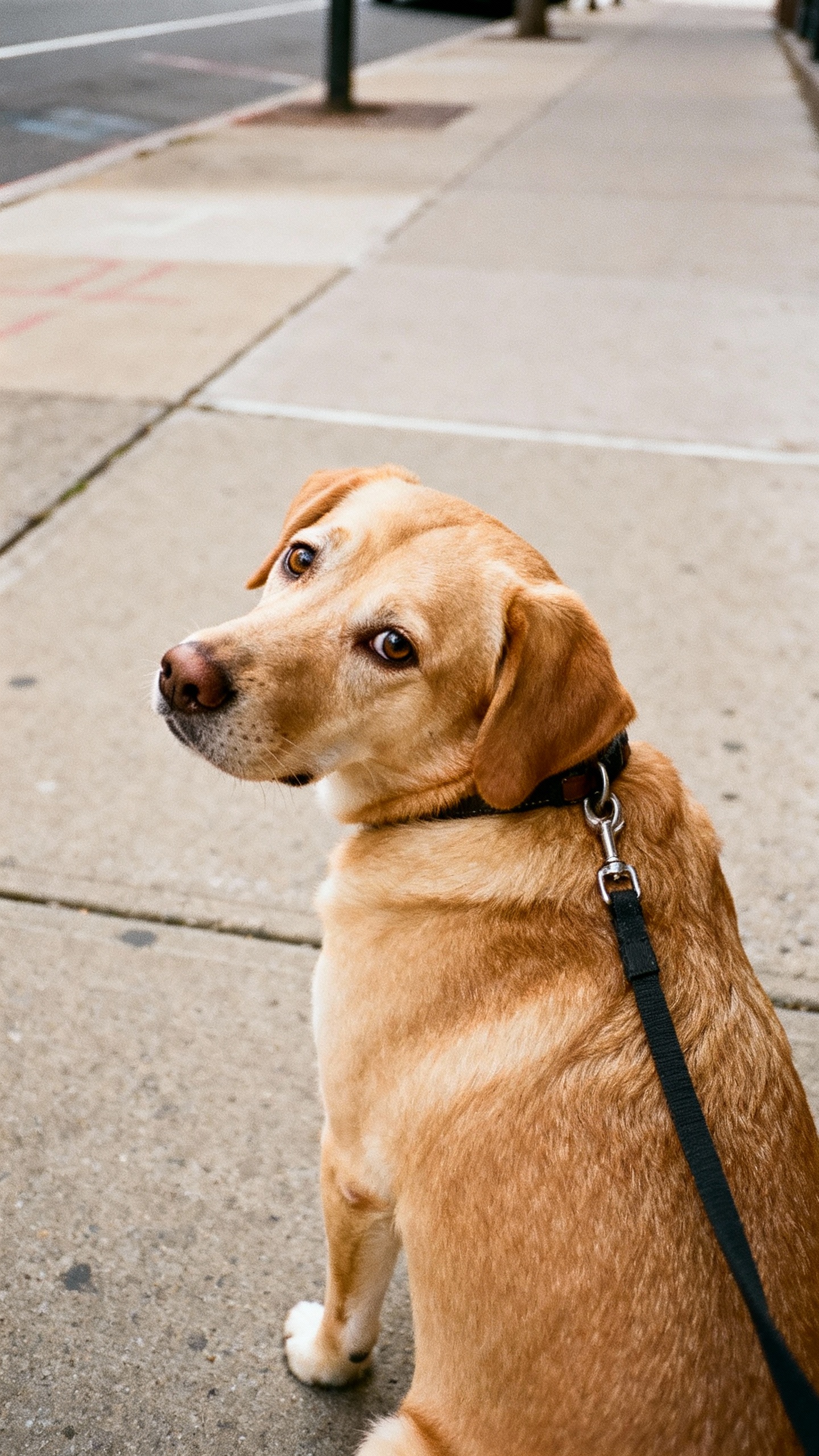
Your dog comes to you first when something feels off? That’s trust. He’ll check in with you during walks, return to your side after meeting new dogs, or glance back at you in unfamiliar places.
That “Are we good?” look means he uses you as his anchor.
- Check-ins on walks: He looks back, slows down to your pace, or nudges your leg.
- Seeks comfort when scared: Fireworks, vacuums, thunder? He heads straight to you.
- Follows you voluntarily: Not in a clingy way—more like a “You lead, I’m in” vibe.
What if He’s Independent?
Some dogs act aloof (IMO, drama queens in disguise). If he still circles back or rests within eyesight, he trusts you.
Independence doesn’t cancel loyalty; it just styles it differently.
He Sleeps Like a Rock Near You
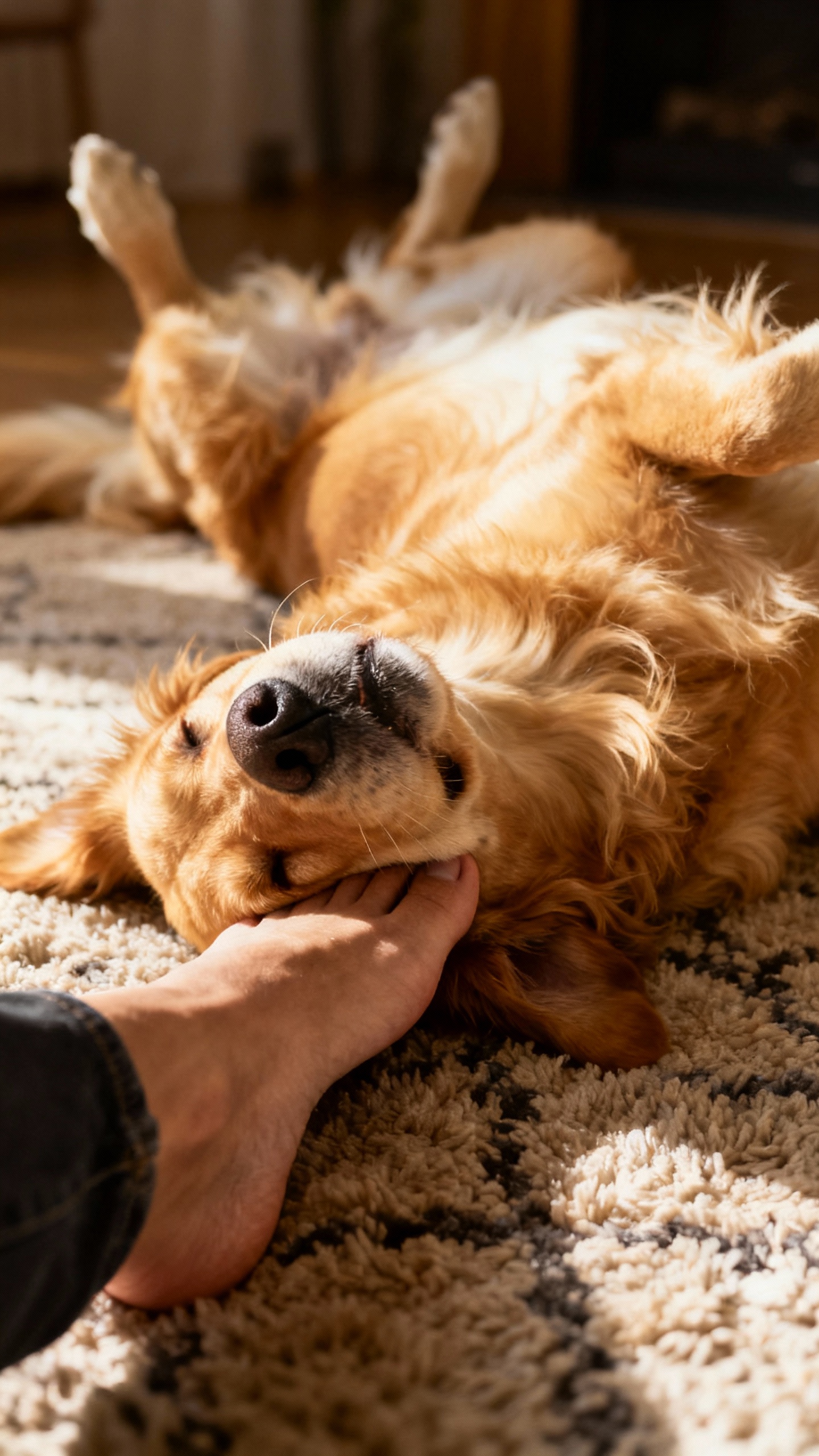
Sleep makes dogs vulnerable. If he snores next to you, belly up, chin on your foot, or sprawled on his side with zero tension, he’s basically saying, “You guard the fort. I’m off-duty.”
- Exposed belly or side: Shows he feels safe and relaxed.
- Deep, slow breathing: Indicates a calm nervous system.
- Choosing your room: He picks your space even when other cozy spots exist.
Bedtime Boundaries
Don’t want a 70-pound heater on your bed?
Totally fine. Trust doesn’t require co-sleeping. Offer a plush bed nearby and a consistent bedtime routine.
FYI, routine equals security.
He Lets You Handle the “Weird Stuff”
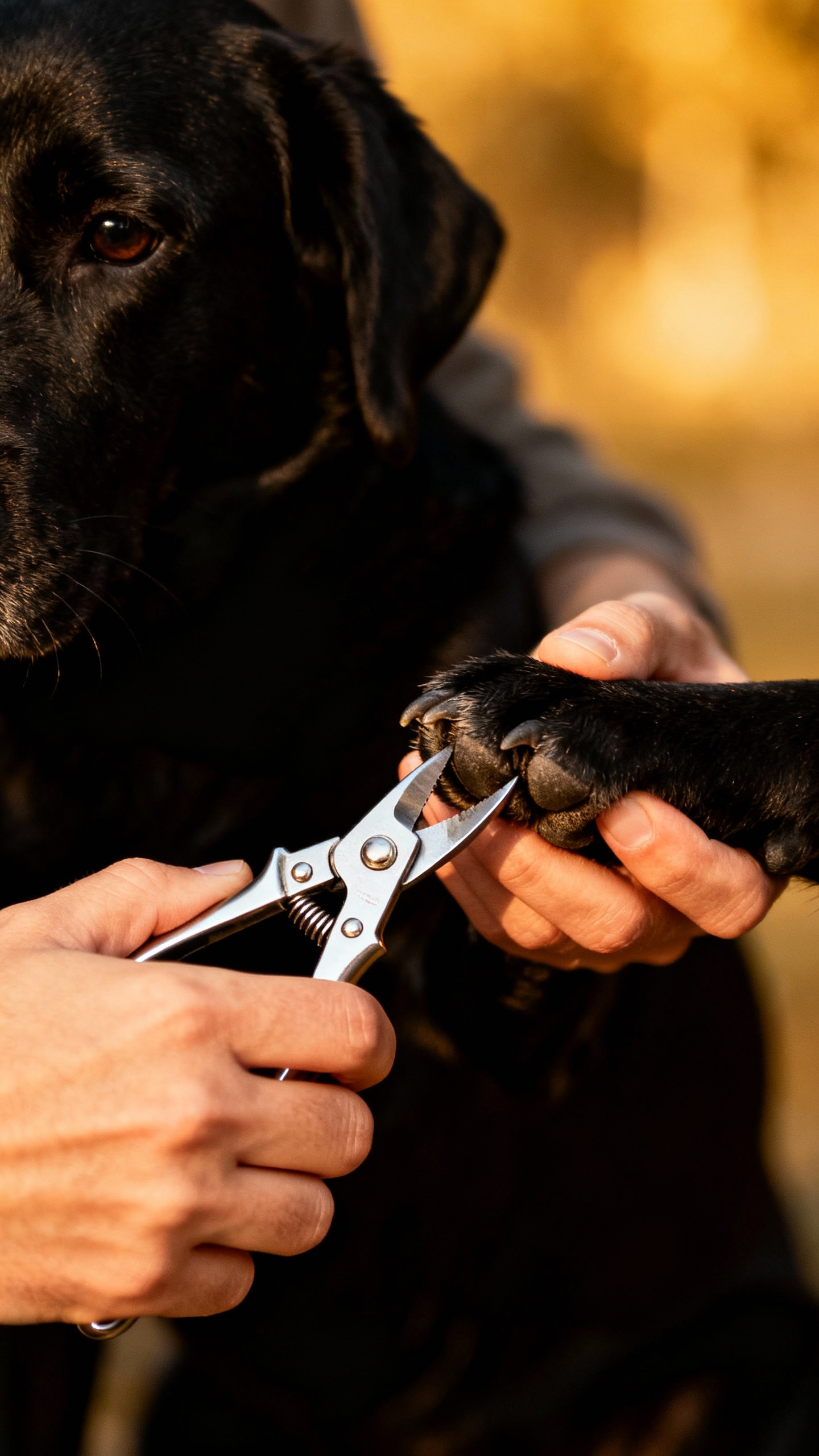
Nail trims, ear cleaning, lifting paws, checking teeth—your dog doesn’t love these, but if he lets you do them with minimal fuss, that screams trust. He believes you won’t hurt him and you’ll stop if he needs a break.
- Body handling: You can touch sensitive spots without drama.
- Cooperation signals: He leans into you, offers paws, or stays still.
- Recovers quickly: He shakes it off and returns for treats and cuddles.
How to Build This Trust
– Use gradual desensitization: touch, treat, release. – Pair grooming tools with snacks and calm words. – Respect “nope” moments. Pushing through fear breaks trust fast.
He Mirrors Your Mood (In a Good Way)
Your dog doesn’t read your texts, but he reads you.
If you’re relaxed, he loosens up. If you’re upbeat, he gets bouncy. A dog that syncs to your emotional temperature trusts you as his emotional guide.
- Calm settles: You exhale, he sighs and flops down.
- Happy energy: Your playful tone sparks tail wags and play bows.
- Comfort during stress: He lies near you or leans when you feel low.
Red Flags to Watch
If your dog reacts with anxiety to your stress every time, he may need decompression strategies.
Short sniffy walks, scatter feeding, or quiet crate time can help everyone breathe.
He Listens—Even When Tempted
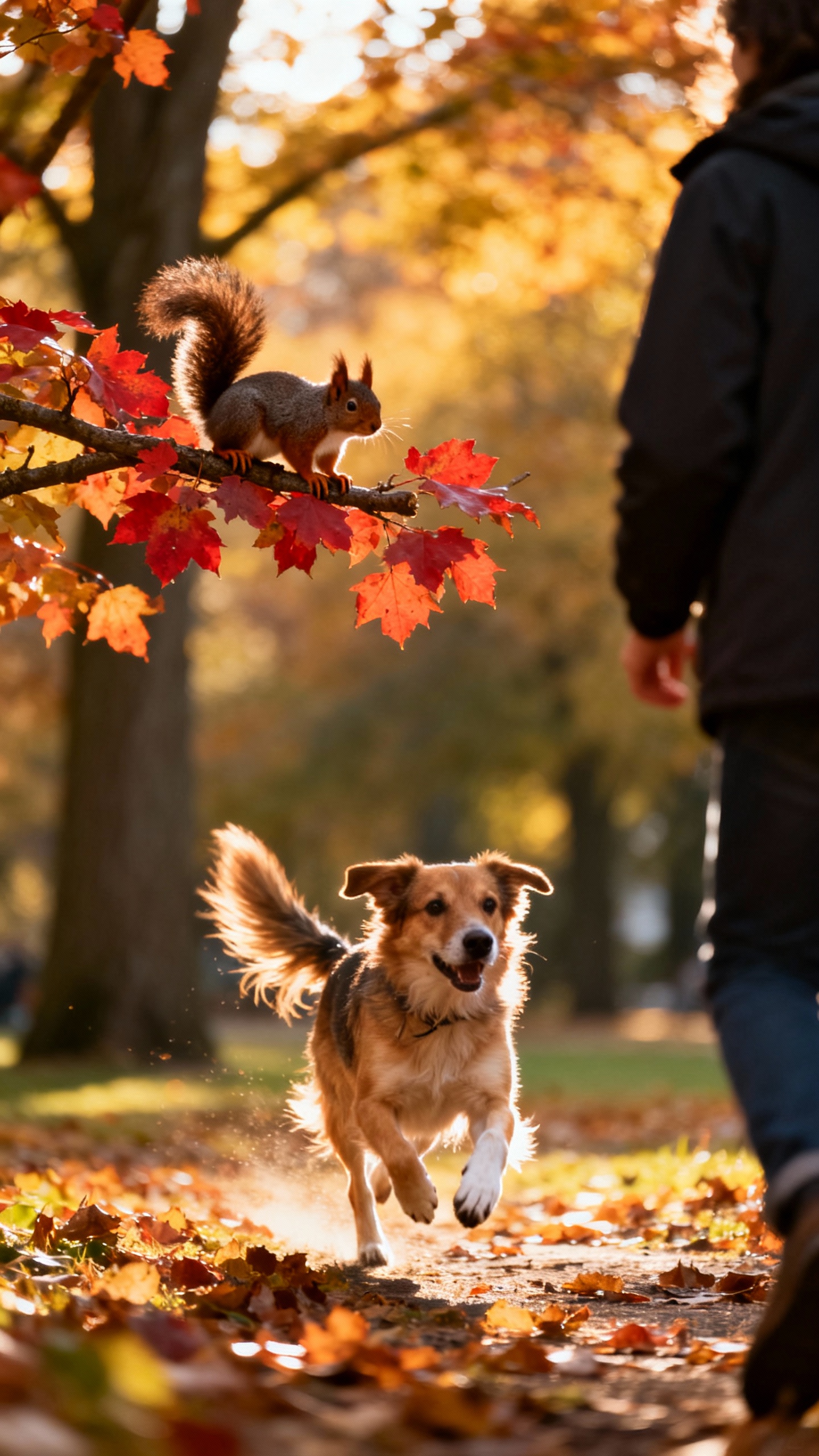
Trust shows up as cooperation, not control. If your dog recalls from a squirrel chase (most heroic act of all time), or sits when you ask around distractions, he values your direction. He believes you’ll keep him safe and make good calls.
- Reliable recall: He comes when called because your cue predicts good things.
- Loose-leash walking: He checks in and matches your speed.
- Impulse control: He waits, leaves it, or sits before doors and meals.
Make Listening Worth It
– High-value rewards: cheese, chicken, or that toy he’d trade his soul for (kidding… mostly). – Clear cues and timing: say it once, pay fast. – Keep training bite-sized and fun.
Trust thrives when you stay consistent.
He Shows You His Weirdest Self
Dogs that trust you act goofy, vulnerable, and honest. He brings you his favorite slobbery toy. He grumbles in “talking dog” mode.
He zoomies after baths and invites you to chase. That unfiltered personality? That’s trust in motion.
- Play invites: Play bows, side-eyes, butt wiggles—pure joy.
- “Conversations”: Soft grumbles or woo-woo sounds while relaxed.
- Sharing resources: He drops toys or chews near you without guarding.
But What About Guarding?
If he guards toys or food, don’t panic.
Resource guarding can stem from anxiety, not lack of love. Work on trades, predictability, and never punish growls. Growls are information, not betrayal.
How to Strengthen That Trust Daily
Trust doesn’t freeze in place; it grows or shrinks.
Keep watering it like a finicky houseplant.
- Meet needs first: Exercise, mental work, predictable meals, and sleep.
- Train kindly: Use positive reinforcement and clear boundaries.
- Advocate in public: Don’t let rude dogs or humans overwhelm him.
- Read the body language: Soft eyes, loose tail, wiggly spine = good. Stiff, tucked, whale eye = time to adjust.
- Keep play sacred: Short, fun sessions that end while he still wants more.
Quick Body Language Cheat Sheet
– Trusty dog: loose jaw, soft blinking, ears neutral, weight evenly balanced. – Worried dog: lip licking, yawning out of context, scanning, tail low, stiff posture. – Over-aroused dog: pupils big, springy steps, vocalizing, mouth tight—take a break.
FAQ
Does my dog need to cuddle to show trust?
Nope. Some dogs cuddle like weighted blankets; others prefer personal space.
Look for check-ins, relaxed sleep nearby, and cooperation during handling. Affection styles vary by breed and personality, IMO.
Why does my dog follow me to the bathroom?
Because privacy is a human construct and you’re his flock. Following you signals attachment and curiosity.
If it gets annoying, teach a “place” cue and reward waiting outside the door. Boundaries build trust too.
My rescue dog takes time to warm up. Is that normal?
Absolutely.
New environment, new rules, new humans—big feelings. Focus on routine, low-pressure training, and predictable kindness. You’ll often see big changes around the 3-3-3 timeline: 3 days to decompress, 3 weeks to learn patterns, 3 months to truly settle.
What if my dog listens at home but ignores me outside?
Outside = harder level.
Increase the reward value, shorten distances from distractions, and practice easy wins first. Gradually layer difficulty. FYI, great recall outside usually means you paid generously during training.
Can I fix resource guarding without a trainer?
Mild cases, yes.
Start with trades: offer high-value treats, say “trade,” then return the original item when safe. Work slowly and never grab. If you see growling escalate or any snapping, call a qualified trainer or behaviorist.
Do certain breeds trust humans more?
Breed influences style, not capacity.
Herding dogs may watch you intensely; guardian breeds assess more before engaging. Trust grows through fair handling, consistency, and meeting individual needs, regardless of breed label.
Wrapping It Up
When your dog checks in with you, sleeps like a baby at your feet, lets you handle the awkward stuff, mirrors your mood, and invites you into his goofy world, you’ve earned something priceless. Keep showing up with patience, play, and clear communication.
Do that, and your dog won’t just trust you—he’ll choose you, every single day. IMO, that’s the good stuff.
Leave a Reply