
You know that tiny heartbeat that follows you from room to room? The one who sighs like a tired grandparent and flops down next to you with zero respect for personal space? Let’s talk about letting that fluffball into your bed.
Not just “sometimes,” but full-on “this is our bed now.” Don’t clutch your pearls. There are actual, legit reasons to embrace the chaos.
The Comfort Factor You Can’t Fake

Your dog acts like a living weighted blanket. That steady breathing, that warm little body—pure relaxation.
Your nervous system reads that as safety and calm. You fall asleep faster, and you stay asleep longer. Dogs regulate your sleep environment better than you think. The warmth helps on cold nights, and the gentle sounds create a cozy backdrop. If you’ve ever fallen asleep to their soft snoring, you know the vibe.
Is it weirdly adorable? Absolutely.
Why Your Brain Loves That Dog Cuddle
Cuddling your dog boosts oxytocin—your feel-good, bonding hormone. It lowers cortisol (the stress one) and can help stabilize heart rate.
Translation: you drift off feeling safe rather than replaying your awkward middle-school moments at 2 a.m. IMO, that’s priceless.
Stronger Bond, Stronger Communication
Sharing a sleep space signals trust both ways. Your dog reads your breathing, routines, and moods.
You pick up on their cues faster too. The relationship deepens without you doing anything extra—like relationship multitasking while unconscious. Bedtime proximity builds emotional security. Anxious dogs often settle when they can touch you or hear you nearby. You wake up to a calmer companion.
Win-win.
But Won’t This Make My Dog “Dominant”?
Nah. That’s outdated. Dominance myths don’t hold up.
Behavior depends on boundaries, not furniture. If you set clear rules—like “no face sitting” and “move over when I say so”—you lead just fine.
Better Sleep—Yes, Really
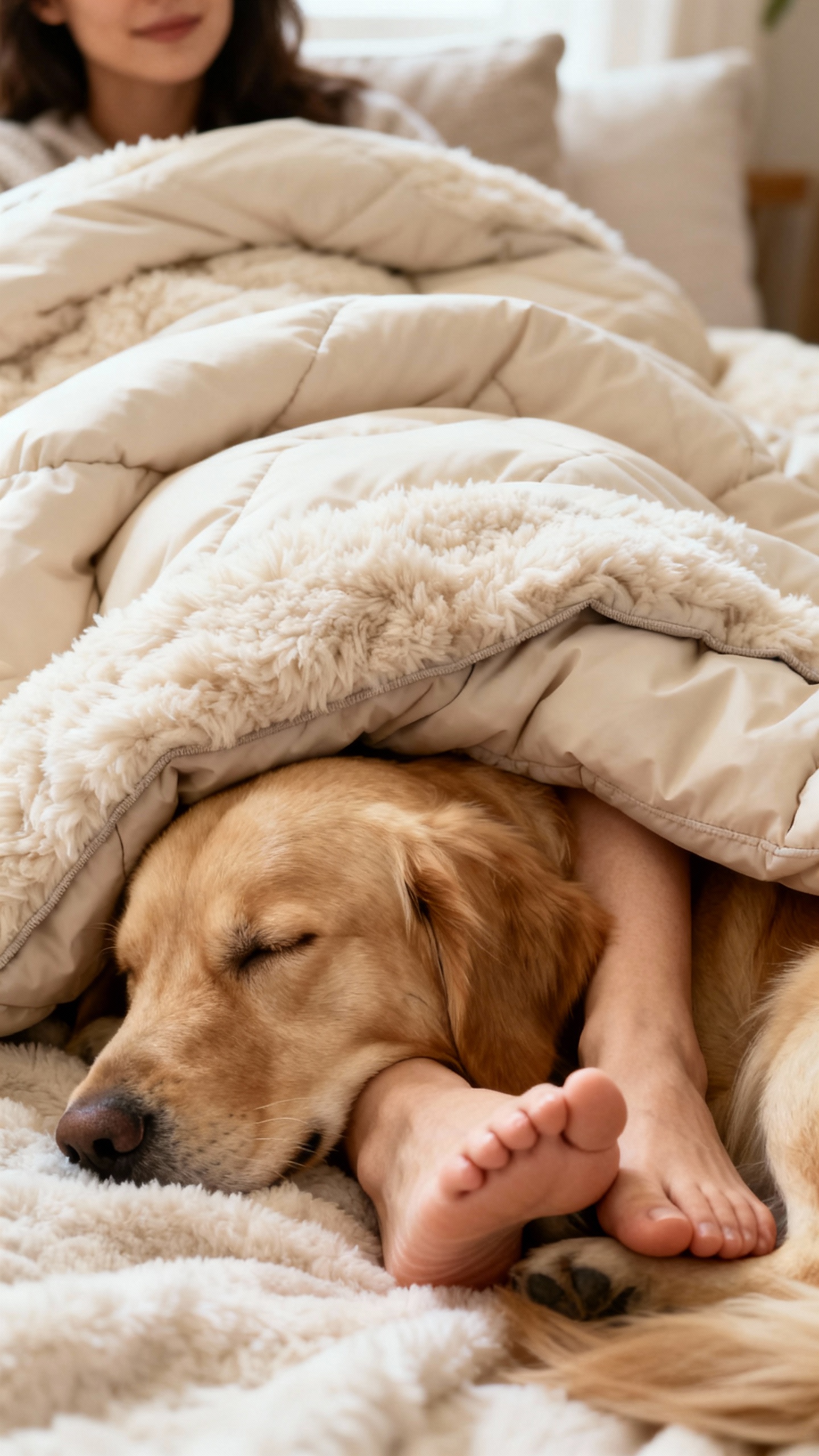
You might worry your dog will turn your night into a WWE event. Some do.
But most adjust to your schedule surprisingly fast. They settle, you settle, and everyone snores in harmony. Studies show many people sleep better with pets nearby. Not everyone, but many. If your dog doesn’t hog the covers or run midnight zoomies, their presence reduces nighttime anxiety.
FYI, if you struggle with insomnia, that sense of companionship can help your brain stop doomscrolling your thoughts.
How to Avoid the Midnight Shuffle
– Give your dog a specific spot on the bed. A blanket “zone” works wonders. – Use a lightweight duvet so you can shift easily. – Clip nails regularly to prevent accidental toe-stabs. – Add a small dog bed at the foot as a backup if someone needs space.
Warmth, Coziness, and Zero Regrets
Dogs are basically portable space heaters. In winter, that’s bliss.
Their fur traps heat, and their body temp runs a bit higher than ours. You’ll save on the thermostat and wake up feeling toasty. Cold feet? Put them on your dog, the most forgiving hot water bottle ever. They won’t complain (much), and you’ll stop doing that frantic blanket kick dance at 3 a.m.
Summer Cooling Tips
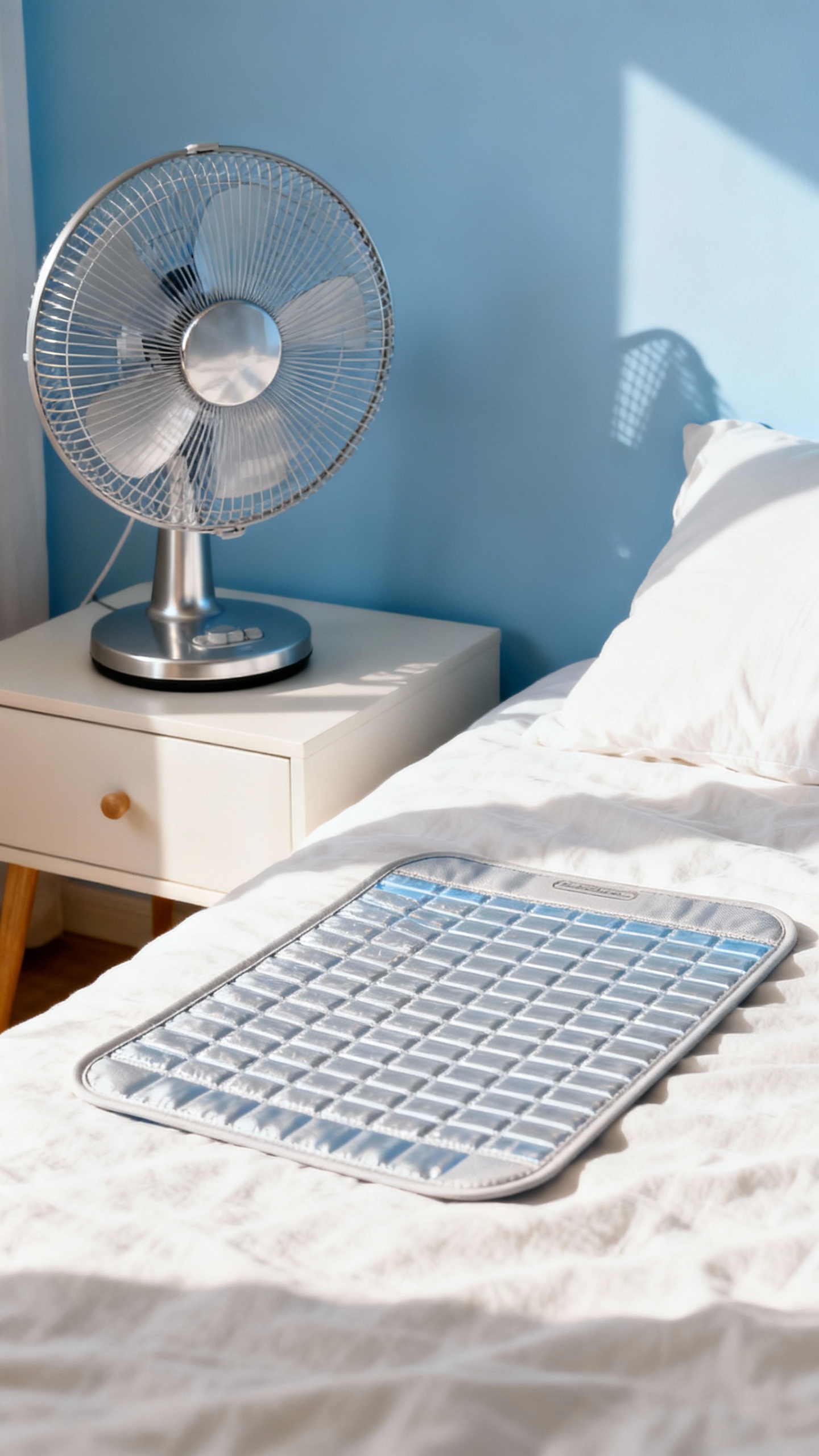
– Use breathable sheets (cotton or linen). – Keep a cooling mat nearby so your dog can switch spots. – Run a fan for airflow without turning your bed into a wind tunnel.
Built-In Security System
Dogs hear everything.
The fridge shifts? They notice. A squirrel sneezes outside?
Logged. That alertness can make you feel safer at night. You relax because you know someone’s on guard duty. Even small dogs act as early warning systems. They don’t need to be big to be effective.
The presence alone can deter weird noises from spiraling into full panic-mode.
Training Quiet Alerts
– Reinforce calm checks: a single “boof,” then praise for settling. – Use a “thank you” cue that means “got it, you can relax now.” – White noise machines help drown out false alarms.
Mood Boosts and Morning Joy

Waking up to an eager face beats waking up to a phone alarm clawing at your soul. Your dog doesn’t care about your bedhead. They care that you’re awake and the day can finally start. Morning cuddles release oxytocin and dopamine. You start the day less grumpy.
You might even skip doomscrolling because you’re busy giving ear scritches. IMO, that’s a health plan.
Turn Wakeups into a Routine
– Set a consistent “up” time so your dog doesn’t start lobbying at 5 a.m. – Quick bathroom break, water, then breakfast—same order daily. – Add a 5-minute play or training session to burn the zoomies.
It’s Your Life—Choose What Works
Yes, there are reasons to keep the bed dog-free. Allergies?
Light sleeper? Dog snores like a freight train? Totally fair.
But if you want them up there and you both sleep well, that’s not a guilty pleasure—it’s a legit lifestyle choice. Make it intentional, not chaotic. Set boundaries, manage hygiene, and keep it comfortable for everyone. You control the space. Your dog brings the vibes.
Hygiene and Health Basics
– Bathe and brush regularly to reduce dander and dirt. – Wipe paws after walks, especially in rain or pollen season. – Use a washable blanket on top of your sheets. – Keep flea/tick prevention current. – Wash bedding weekly (sorry, but necessary).
FAQs
Will letting my dog sleep in my bed cause behavior issues?
Not if you set rules.
Invite your dog up, don’t let them claim it on their own. Teach cues like “off,” “stay,” and “move.” Structure, not furniture, prevents issues. If guarding starts, work with a trainer early.
What if I have allergies?
You can still make it work, but you’ll need a routine.
Use HEPA filters, wash bedding weekly in hot water, and keep your dog on a solid grooming schedule. Consider allergy covers for pillows and mattress. If symptoms persist, keep a cozy dog bed next to you instead.
Is it safe for puppies?
Puppies sleep like rocks, but they also wander and chew things at 2 a.m.
If you can supervise and you’ve got potty training down, fine. Otherwise, start with a crate or bedside pen. Graduate to bed privileges once they understand “off” and have solid nighttime control.
What about big dogs in small beds?
You have options.
Upgrade the mattress size (your spine will thank you), or give your dog a “corner claim” with a blanket. Rotating positions helps: you take the pillow zone, they take the foot zone. Compromise keeps toes uncrushed.
Will I sleep worse if my dog moves around a lot?
Maybe at first.
Most dogs sync to your rhythm after a week or two. If restlessness continues, check for discomfort: temperature, too-soft bedding, late-night snacks, or not enough daytime exercise. A pre-bed potty trip solves half the disruptions, FYI.
Can co-sleeping help an anxious dog?
Yes.
Your presence offers security, and your steady breathing acts like a natural metronome. Pair bedtime cuddles with daytime enrichment and training so your dog doesn’t rely on you 24/7. Balanced comfort beats clinginess.
Final Thoughts
Letting your dog sleep in your bed isn’t indulgent; it’s intentional comfort.
You get warmth, security, better moods, and a deeper bond. Set a few simple boundaries, keep things clean, and design the space so everyone sleeps well. If you both snooze happier together, that’s the right choice—no justification needed.
Now scoot over. Your co-pilot just did three circles and claimed their spot.
Leave a Reply