
Puppies move like tiny pinballs and listen like toddlers in a candy aisle. Photographing them? Chaotic.
Glorious. Slightly feral. If you’ve tried to snap a crisp photo and ended up with 43 blurs and one usable shot, you’re in the right place.
Let’s turn that lovable chaos into keepers—and sneak in some bonding along the way.
Know Your Puppy Energy Window

Puppies run like they invented sprinting, then crash hard. You’ll get your best shots right after a little play, when they’ve burned off wild energy but haven’t face-planted into a nap. That sweet spot lasts 10–20 minutes—work fast. What to do:
- Play fetch or tug for 5–10 minutes to take the edge off.
- Keep treats handy, but don’t overhype.
You’re aiming for calm, curious eyes.
- Watch for yawns, sniffs, and slower tail wags—those mean “I can sit still now.”
Pro tip: Schedule smart
If you can, shoot in the morning or late afternoon. Pups feel alert, light hits soft, and you dodge the midday zoomies. IMO, chasing a noon rocket-puppy will make you question all your life choices.
Use Light Like a Cheat Code
Light makes or breaks puppy photos.
Harsh overhead light creates raccoon eyes and weird shadows. Soft, directional light makes fur glow and eyes sparkle. Best options:
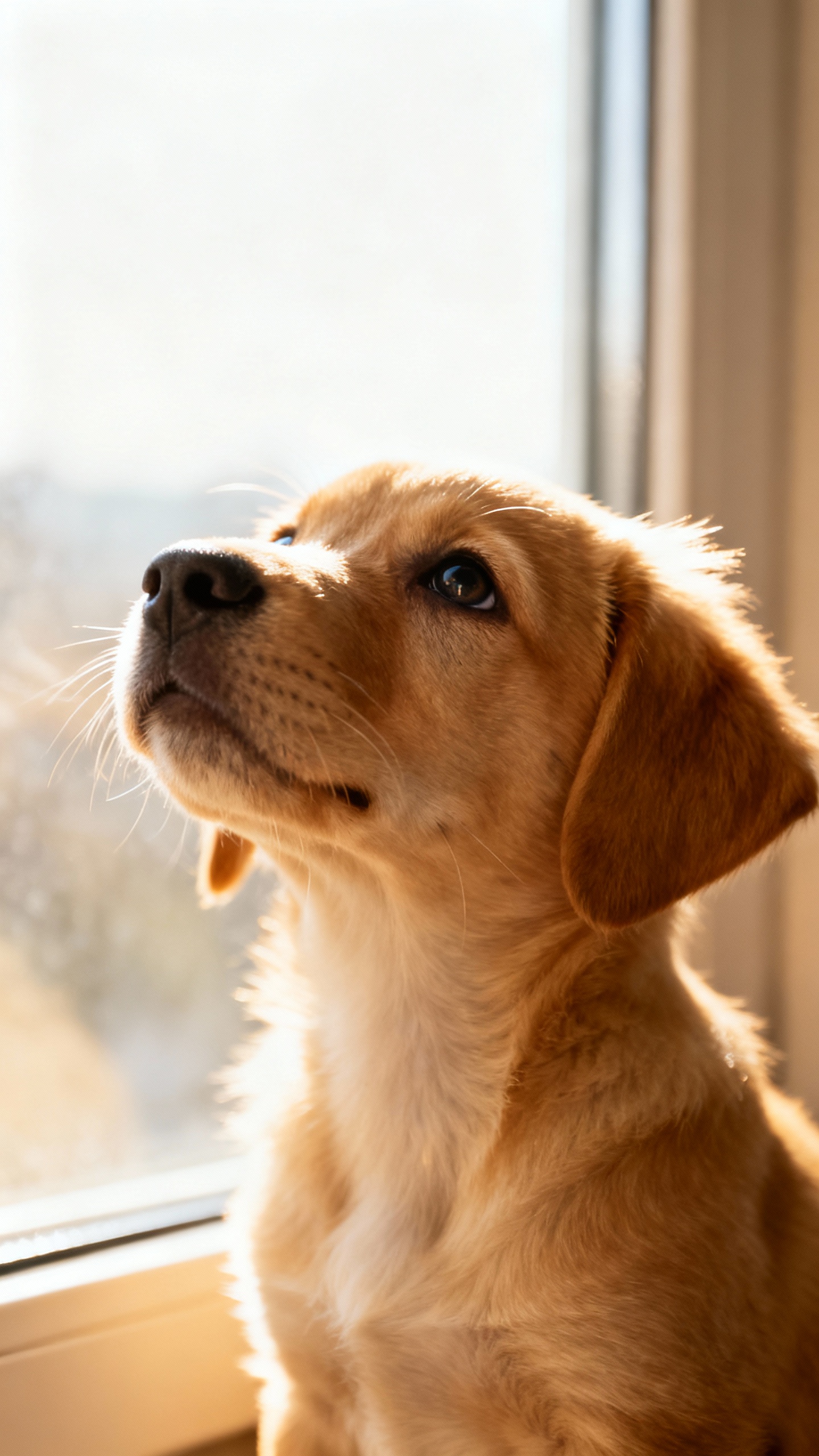
- Window light: Place the puppy near a bright window, back away, and shoot at an angle. Instant studio vibes.
- Open shade: Stand just inside the shadow of a building or tree.
Even, flattering light with no squinting.
- Golden hour: Right after sunrise or before sunset, shoot with the sun behind the pup for a gentle halo.
Quick camera settings (FYI)
- Shutter speed: 1/1000s for action, 1/400–1/800s for calmer moments.
- Aperture: f/2.8–f/4 for portraits, f/5.6–f/8 if more than one pup or you want more in focus.
- ISO: Raise it without fear. Grain beats blur every time.
Get Low, Stay Playful
Your photos look better at puppy-eye level. Kneel, sit, belly flop—whatever it takes.
You’ll capture connection, not just a head on a big carpet planet. Engage, don’t pose:
- Call their name then whisper. Curiosity = head tilts.
- Use a squeaker or crinkly wrapper once, then hide it. Overuse turns puppies into chaos goblins.
- Let them come to you.
Natural moments beat stiff “sit-stay” photos.
Angle magic
Try three angles per setup:
- Eye level: The classic, emotional shot.
- Slightly above: Big-eyed, chunky-paw cuteness overload.
- Ground-level wide: Hero vibes—great for action.
Focus Like You Mean It
Puppies don’t wait for your autofocus. Set your gear up to keep up with them. Even phones can crush it with the right moves. Settings that save you:
- Continuous autofocus (AF-C/AI Servo): Tracks moving pups.
- Animal eye AF: If your camera has it, use it.
It locks onto puppy peepers like a magnet.
- Burst mode: Shoot short bursts. One of those frames will be your money shot.
Phone users, listen up
- Tap and hold on the eye to lock focus, then slide exposure down slightly to keep highlights in check.
- Use the 2x or 3x lens outdoors for cleaner portraits. Step back and zoom optically, not digitally.
Bribes, Boundaries, and Bonding
Yes, we’re bribing.
No shame. But we’ll do it with structure so the camera becomes part of your bond, not a weird face box you shove at them. Treat strategy that works:
- High-value treats: Tiny, smelly, quick to swallow. Think freeze-dried liver or soft training bites.
- Marker word: Say “yes!” or click the moment they look at the lens, then treat.
You reward the behavior you want.
- Short reps: Ten seconds of posing, then play. Build a rhythm: sit, treat, sniff, zoom, repeat.
Bonding behaviors to capture
- Nose boops: Hold the camera low; let them boop the lens hood. Cute and intimate.
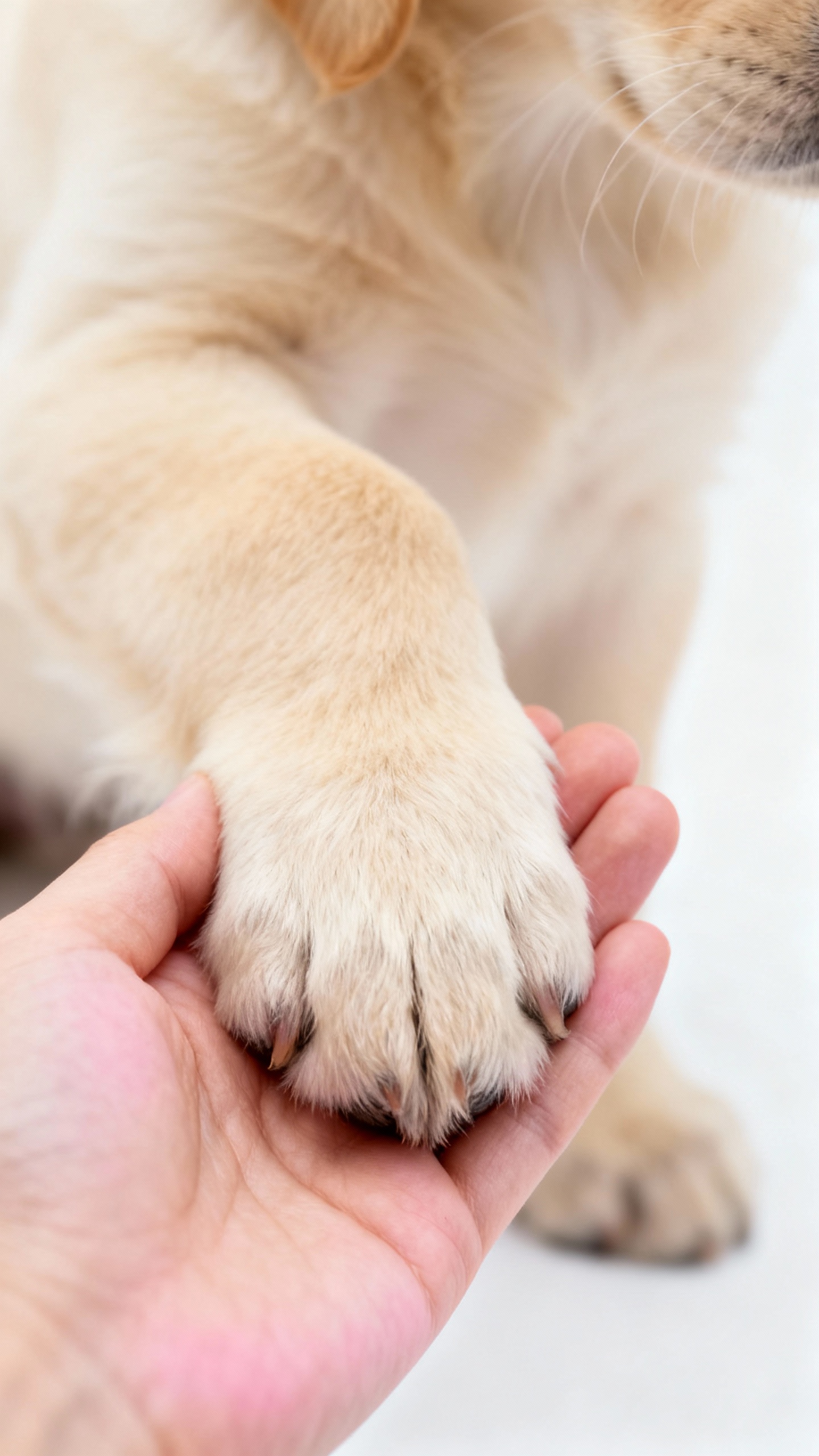
- Paw touches: Ask for a “paw” and photograph the handshake moment.
- Snuggle shots: Sit cross-legged and let them curl into you.
Use self-timer or a friend to shoot.
Compose for Personality, Not Perfection
You’re not documenting a statue. You’re capturing a tiny gremlin with dreams. Compose to highlight their quirks. Simple tricks:
- Clean background: Blank walls, simple rugs, or grass.
Less clutter, more pup.
- Lead lines: Hallways, leashes, or shadows guide the eye to the dog.
- Props with purpose: Favorite toy, tiny bandana, or their first chew. Keep it minimal, not a costume party.
Action shots that pop
- Throw a toy toward you and pre-focus where they’ll land.
- Ask a helper to hold the pup, count down, then release for a mini sprint.
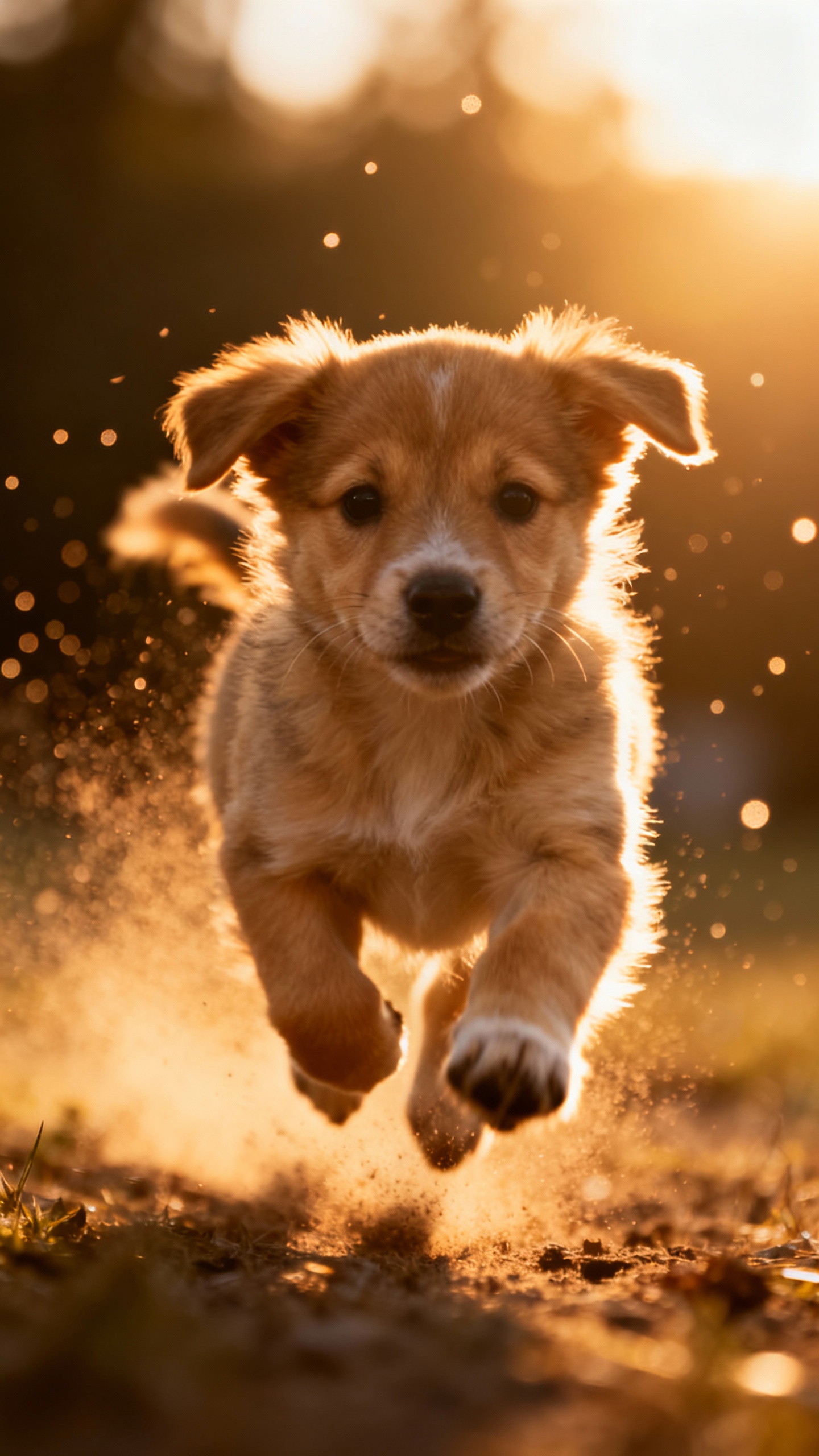
- Use backlighting for dust motes and flying fur. Instant drama.
Keep Sessions Short and End on a Win
Puppies have the attention span of a goldfish on espresso.
Stop before they fizzle. Ending on a high note builds a positive association with your camera. Session flow:
- Warm-up play: 5 minutes
- Calm portraits: 5–10 minutes
- Action burst: 3 minutes
- Snuggle wrap-up: 2 minutes + jackpot treat
Editing that keeps it real
- Lift shadows, keep whites in check, and sharpen the eyes slightly.
- Warm up the temperature a touch for cozy vibes.
- Crop for story: tighter for emotion, wider for context (tiny pup vs big world).
FAQ
How do I get my puppy to look at the camera without going feral?
Use a quiet sound they don’t hear every day—tongue click, soft whistle, or a single squeak. Hold the treat behind or on top of the lens, not off to the side.
Reward eye contact instantly, then take a short play break. Repeat in tiny doses so they don’t get overstimulated.
What if my puppy hates sitting still?
Don’t force it. Photograph them doing what they love: sniffing, tugging, or chasing leaves.
Switch to action mode and faster shutter speeds. You’ll get authentic shots that show their actual personality, which beats a stiff sit any day, IMO.
Is flash okay for puppies?
I avoid on-camera flash with young pups. It can startle them and flatten the photo.
If you must, bounce it off a ceiling or use a diffused off-camera setup. Natural light stays safest and prettiest while you build trust.
How many photos should I take?
A lot. Use burst mode for action and take multiple frames even for portraits.
Puppies change expression every half-second. Cull later and keep only the best 5–10. Quality beats quantity in your final set.
Any safety tips for outdoor puppy photos?
Yes—leash up near roads or distractions.
Use a thin leash you can edit out later. Watch temperature on pavement, avoid toxic plants, and bring water. Keep sessions short and pack high-value treats so recall doesn’t fail when a squirrel appears.
FYI, squirrels always appear.
What gear matters most if I’m on a budget?
Prioritize light and focus. A phone with portrait mode and good light can outperform a fancy camera in bad light. If you’re upgrading, get a fast prime lens (35mm or 50mm f/1.8) for creamy backgrounds and sharp eyes.
Everything else? Nice-to-have.
Conclusion
Photographing puppies means embracing the blur, planning the calm, and turning your camera into a treat dispenser with a shutter. Work with their energy, chase good light, and build tiny rituals that feel fun.
The photos will look great—but the bond you build? That’s the real win, IMO. Now go make some tiny chaos look epic.
Leave a Reply