
Your dog doesn’t speak English, but they absolutely “get” you. They read your body language, smell your mood, and memorize your routines like tiny furry spies. So if you want to show love in a way they actually understand, you need to speak dog.
Good news: that language is surprisingly simple, and you don’t need to roll your R’s or learn any whistles.
Get Down on Their Level (Literally)
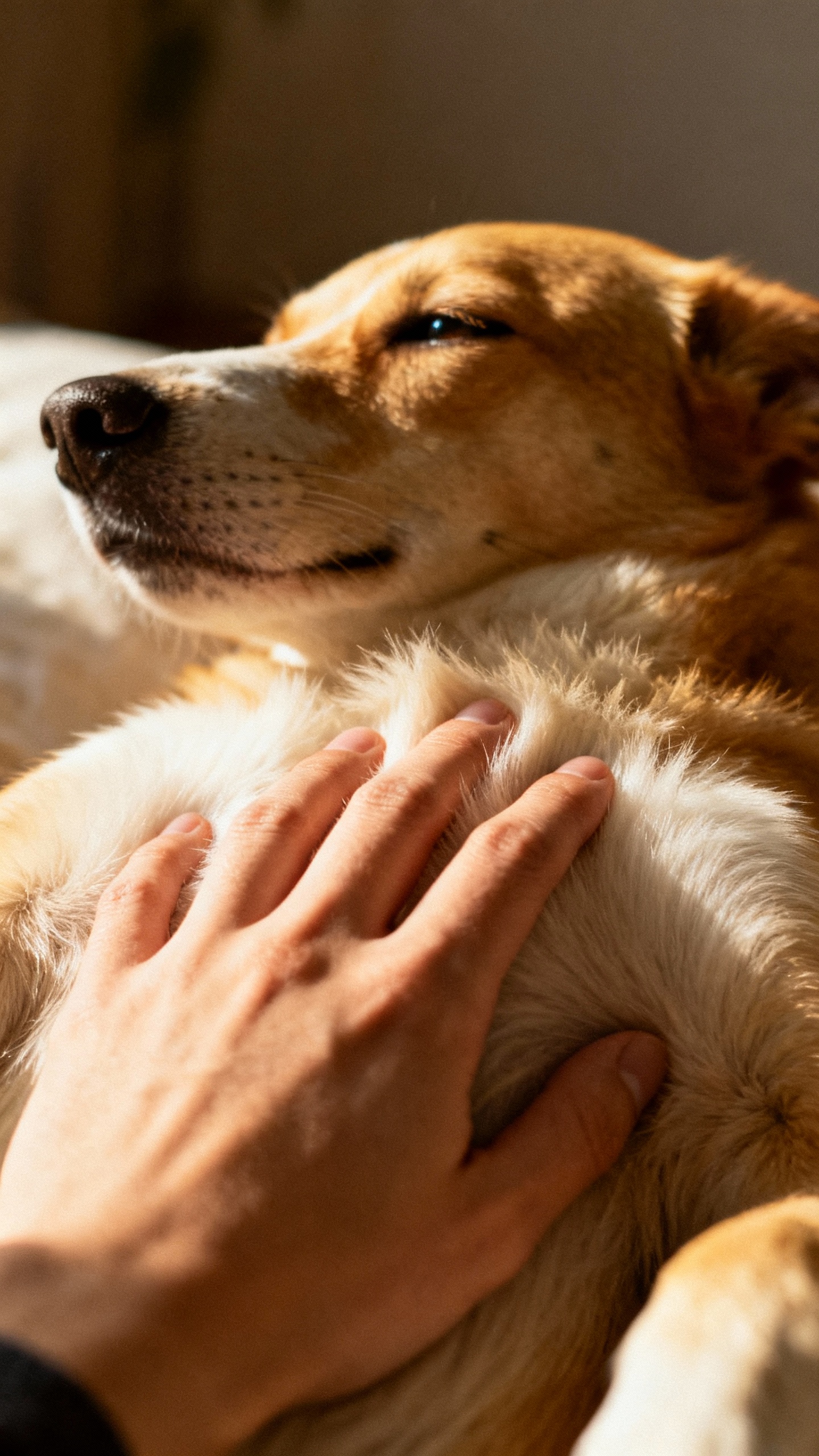
Dogs read body language first, words second. You towering over them can feel intimidating, even if you’re cooing “who’s a good baby.” Try kneeling or sitting beside them so you look inviting, not looming. Make eye contact softly, blink slowly, and turn your body sideways—very non-threatening in dog-speak.
Make Touch Count
Not all pets feel equal.
Most dogs prefer slow strokes along the chest, shoulders, or side of the neck. Avoid head pats from above—that’s like a surprise drone landing. Watch for relaxed eyes, soft ears, and a loose mouth. If your dog leans in, you’re nailing it.
If they look away or lick their lips, ease up. Consent matters—yes, even in cuddle time.
Build Routines They Can Predict
Dogs thrive on patterns. Predictability lowers stress and boosts confidence. Set consistent times for meals, walks, and training.
You don’t need military precision, but aim for a predictable rhythm. Your dog will relax because they know what’s coming next.
Create Rituals They’ll Love
– A mini “good morning” sniffari around the yard – A 5-minute training game before dinner – A snuggle-and-chew session after the last walk These tiny rituals say, “I see you. You matter.” FYI, that’s the dog equivalent of roses and a handwritten note.
Speak With Rewards, Not Just Words
Dogs love praise, but they understand consequences even more. Reward the behaviors you want immediately—like sitting to greet, lying on their mat, or checking in with you on walks.
Pay with something they actually care about.
Find Their Favorite Currency
– Food-motivated? Use tiny, soft treats. – Toy-obsessed? Use a short tug or fetch burst as a reward. – Affection-driven?
Calm petting and a happy “yes!” IMO, a mix keeps it interesting. Keep sessions short (2–5 minutes) and end on a win. That way your dog thinks training is a game, not homework.
Let Their Nose Lead the Way
Your dog experiences life through scent.
Sniffing isn’t “just” sniffing—it’s how they read the news, check their inbox, and stalk gossip about the squirrel HOA. Build sniff time into every walk. Slow down and let them investigate.
Try Enrichment They Can Do at Home
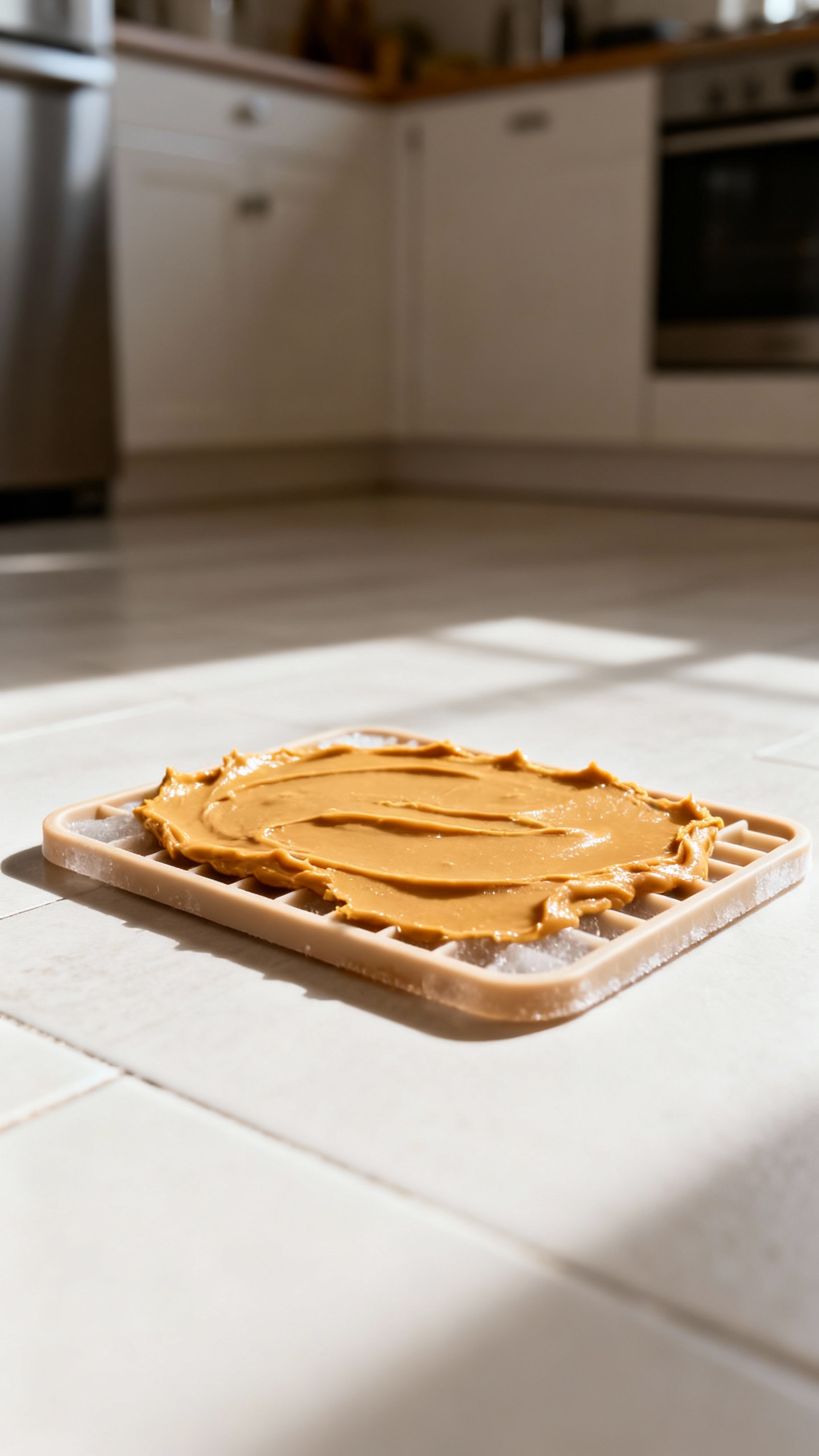
– Scatter-feed kibble in the grass – Hide treats under cups or in boxes – Stuff a puzzle toy or frozen lick mat – Set up a sniff scavenger hunt in one room Mental work tires dogs out in a satisfying way. You’ll get a calmer buddy and fewer zoomies at 11 p.m.
Win-win.
Play the Way They Like (Not the Way You Do)
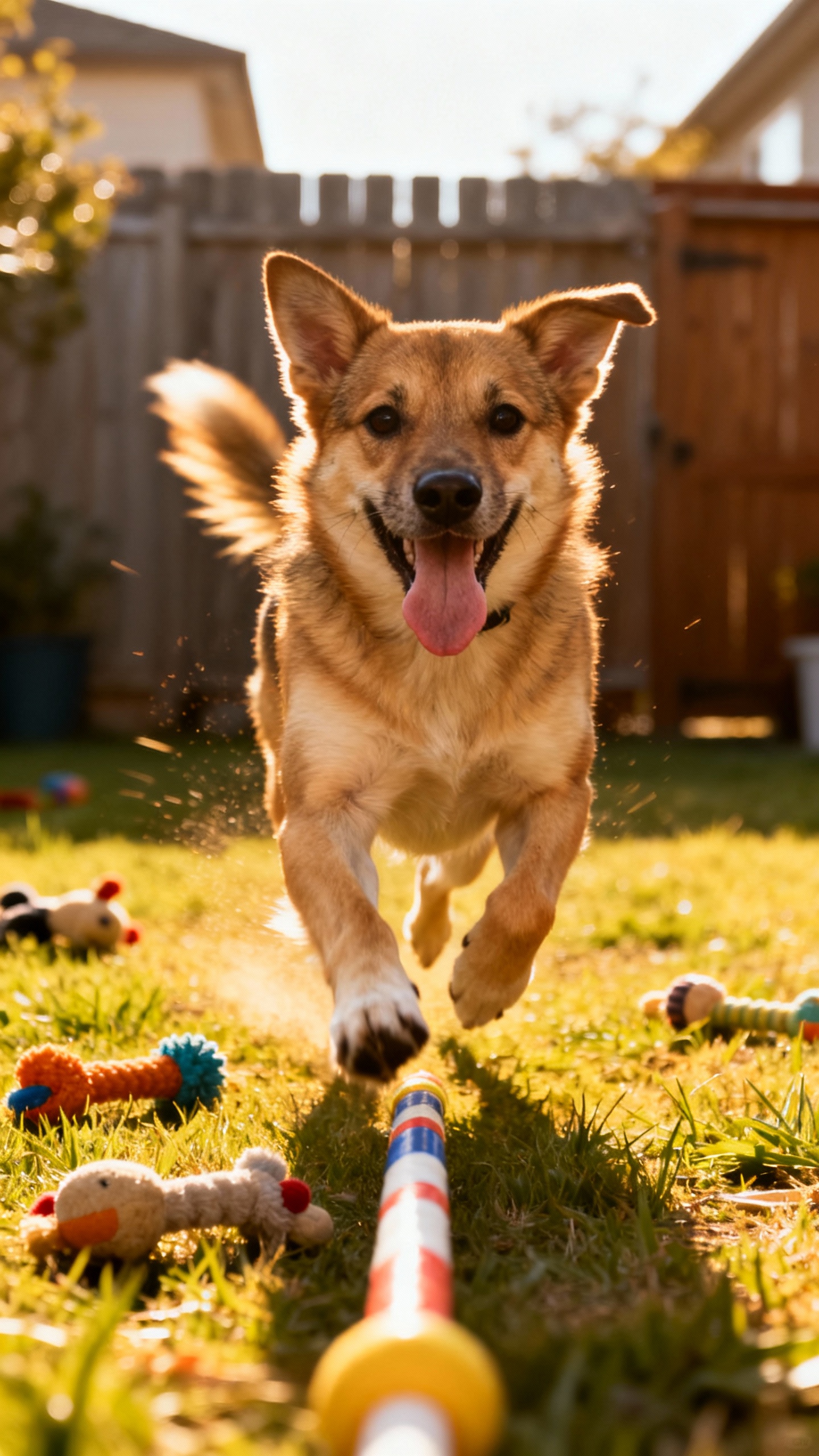
Play builds trust fast—but only if you play their game. Match their play style: chase lovers adore flirt poles; chewers want sturdy toys; tuggers crave, well, tug. Keep sessions short and exciting. End while your dog still wants more—that keeps the magic alive.
Set Safe, Fun Rules
– Use a release cue like “take it” – Teach “drop” with trades, not snatching – Keep a soft mouth—no skin contact, thanks – Switch toys often to keep it fresh Play strengthens your bond and gives them a healthy outlet for energy.
Also, it’s fun. Remember fun?
Give Them Space When They Ask
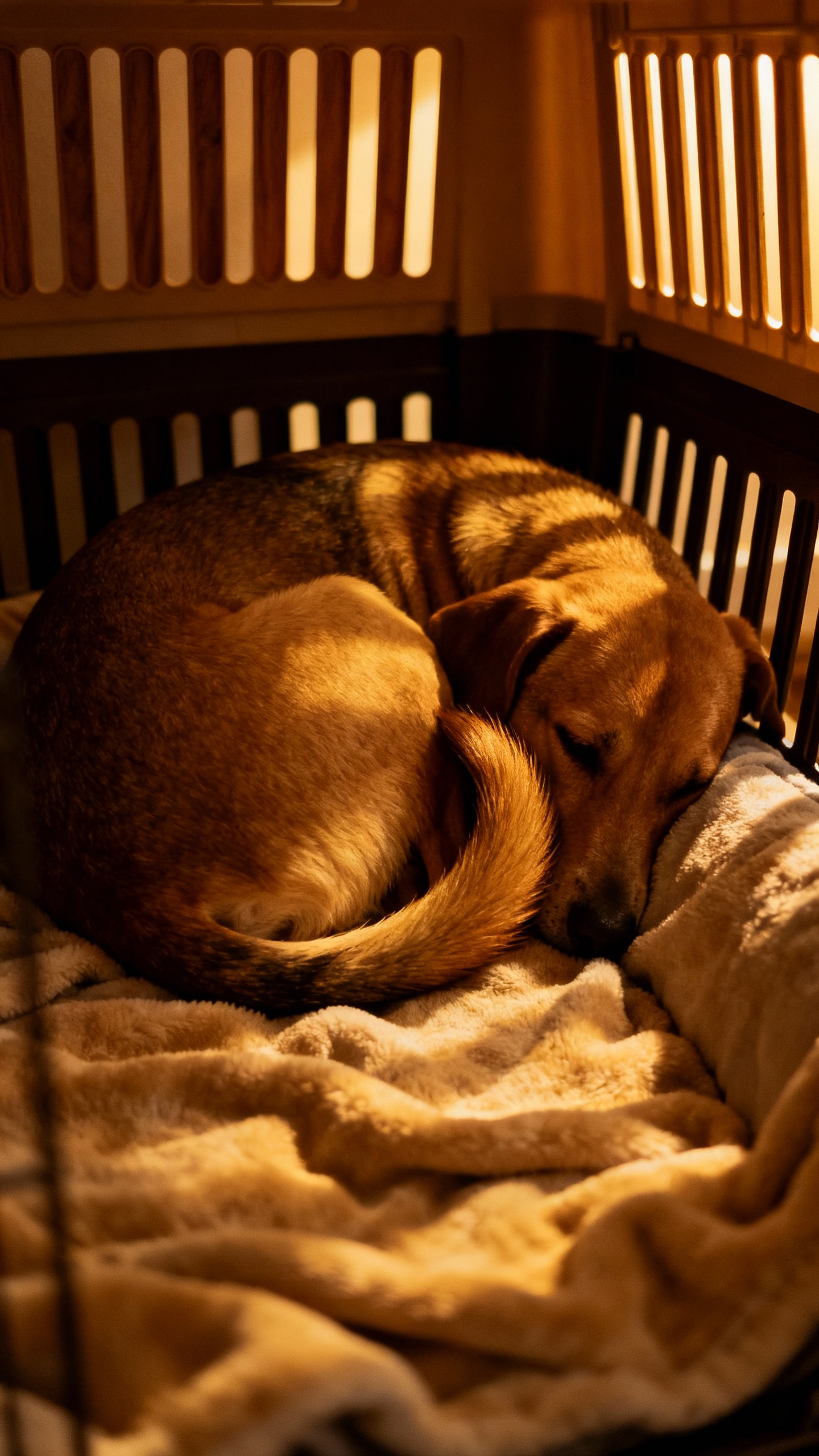
Love also means listening. If your dog moves away, turns their head, or yawns when you reach in, that’s a polite “not now.” Respect it. Create a safe zone—a bed, crate, or quiet corner—where nobody bothers them.
Kids included. Teaching boundaries builds trust faster than any treat.
Read Their “No, Thanks” Signals
– Lip licking when no food is around – Turning the head or showing whites of eyes – Stiffening or moving away – Tail low or tucked You show love every time you say, “Got it, buddy,” and give them space. IMO, that’s the secret sauce.
Use Your Voice Like a High-Value Treat
Your tone matters more than your vocabulary.
Dogs hear warmth and rhythm better than words. Keep your voice light and upbeat for praise, calm and steady for reassurance, and neutral for routine cues. Don’t overtalk, though—constant chatter turns into background noise.
Save The Special Tone
Reserve your happiest “good dog!” for moments you really want to reinforce—fast recalls, calm greetings, settling on a mat. If every “sit” gets a parade, nothing stands out.
Sprinkle the sparkle.
FAQs
Do dogs understand hugs and kisses?
Some tolerate them, some love them, some hate them. Many dogs find face-to-face hugs uncomfortable. If your dog leans in, relaxes, and licks you back, they likely enjoy it.
If they stiffen, turn away, or show whale eye, switch to gentle chest rubs instead.
How long should I play with my dog each day?
Aim for several short bursts: 5–15 minutes each, a few times a day. Pair play with a walk and some sniffing or puzzles for a balanced routine. Quality beats quantity—engaged time matters more than clocking a full hour of distracted fetch while you scroll.
Can I “spoil” my dog with too many treats?
You can overfeed, sure.
But you won’t spoil them by rewarding good behavior. Use tiny treats, balance with part of their meal, and pay attention to body condition. Also, rewards aren’t only food—use play and praise too.
What if my dog doesn’t like being petted?
Totally normal for some dogs.
Try short, low-pressure interactions. Offer your hand and let them come to you. Pet for three seconds, then pause and see if they ask for more.
Many dogs warm up when you respect their pace.
How do I show love to a shy or rescue dog?
Go slow. Build predictable routines, use gentle training with high-value rewards, and give them a safe retreat space. Keep sessions short and positive.
Celebrate tiny wins—like taking a treat near you or choosing to approach. Trust grows one safe moment at a time.
Is eye contact good or bad with dogs?
Soft, brief eye contact builds connection, especially with your own dog. Staring hard can feel threatening, particularly to unfamiliar dogs.
Keep it relaxed and pair with a smile and gentle praise.
Conclusion
Love your dog in ways they actually feel: get low, keep routines, reward generously, let them sniff, play their way, give space, and use your voice wisely. Simple, right? When you “speak dog,” your bond gets stronger, your training gets easier, and your couch cuddles get even better.
FYI: they already adore you—you’re just learning how to say “I love you” back in their language.
Leave a Reply