
Losing a dog feels like a freight train hitting your heart. When you sense the end is near, you want clear signs—not vague guesses—so you can comfort them and make smart decisions. The last stage often shows up as behavior changes you can’t ignore.
Let’s talk about what those look like, how to help, and when to call the vet without spiraling into panic.
First, a Reality Check: Aging vs. Actively Dying

Older dogs slow down. That’s normal.
But when several changes hit at once and escalate quickly, you might be looking at the final stage. Big picture clue: You’ll see multiple symptoms together—loss of interest, not eating, unusual breathing, and lots of sleep—over days to weeks, not just one sleepy afternoon.
1) Withdrawal and “Goodbye” Behavior
Many dogs start to pull away. They might leave the room more, curl up in quiet places, or ignore playtime. Some dogs do the opposite—they cling to you like Velcro. What’s happening? They conserve energy and reduce stimulation.
If they seek solitude, respect it while staying nearby.
- What you can do: Create a quiet, comfy spot with familiar blankets. Sit with them calmly. Speak softly.
No TikTok dance party in the same room—save that for later.
When Withdrawal Turns Into Hiding
Dogs may hide under beds or in closets. That’s instinct. Don’t drag them out.
Instead, make that space safe: a soft mat, water nearby, a dim light.

2) Major Appetite Changes (Not Just Picky Eating)
A dying dog often loses interest in food entirely. Favorite treats? Meh.
Dinner? Hard pass. They may still drink at first, then eventually stop that too.
- Red flags: Skipping multiple meals, refusing even warm chicken or broth, vomiting after small bites.
- What to try: Warm, smelly foods; hand-feeding; shallow water bowls; ice chips.
If they refuse, don’t force it. IMO, comfort beats calories in the final stage.
Nausea and Trouble Swallowing
Look for drooling, lip-smacking, gagging, or turning the head away. Those suggest nausea or pain.
Call your vet—anti-nausea meds or appetite stimulants can help, even in hospice care.
3) Changes in Breathing and Heart Rhythm
End-of-life breathing often turns irregular. You might notice shallow breaths, long pauses, or faster panting without heat or exercise. It can look scary, but it’s common.
- Signs to watch: Labored breathing, flaring nostrils, exaggerated chest movement, bluish gums (urgent).
- Comfort tips: Keep the room cool, reduce stress, and use soft bedding that elevates the chest slightly.
What Is “Death Rattle” Breathing?
You might hear gurgling due to fluid buildup.
It sounds dramatic, but dogs don’t typically feel fear about it. If you can, ask your vet about meds that reduce secretions and ease discomfort.
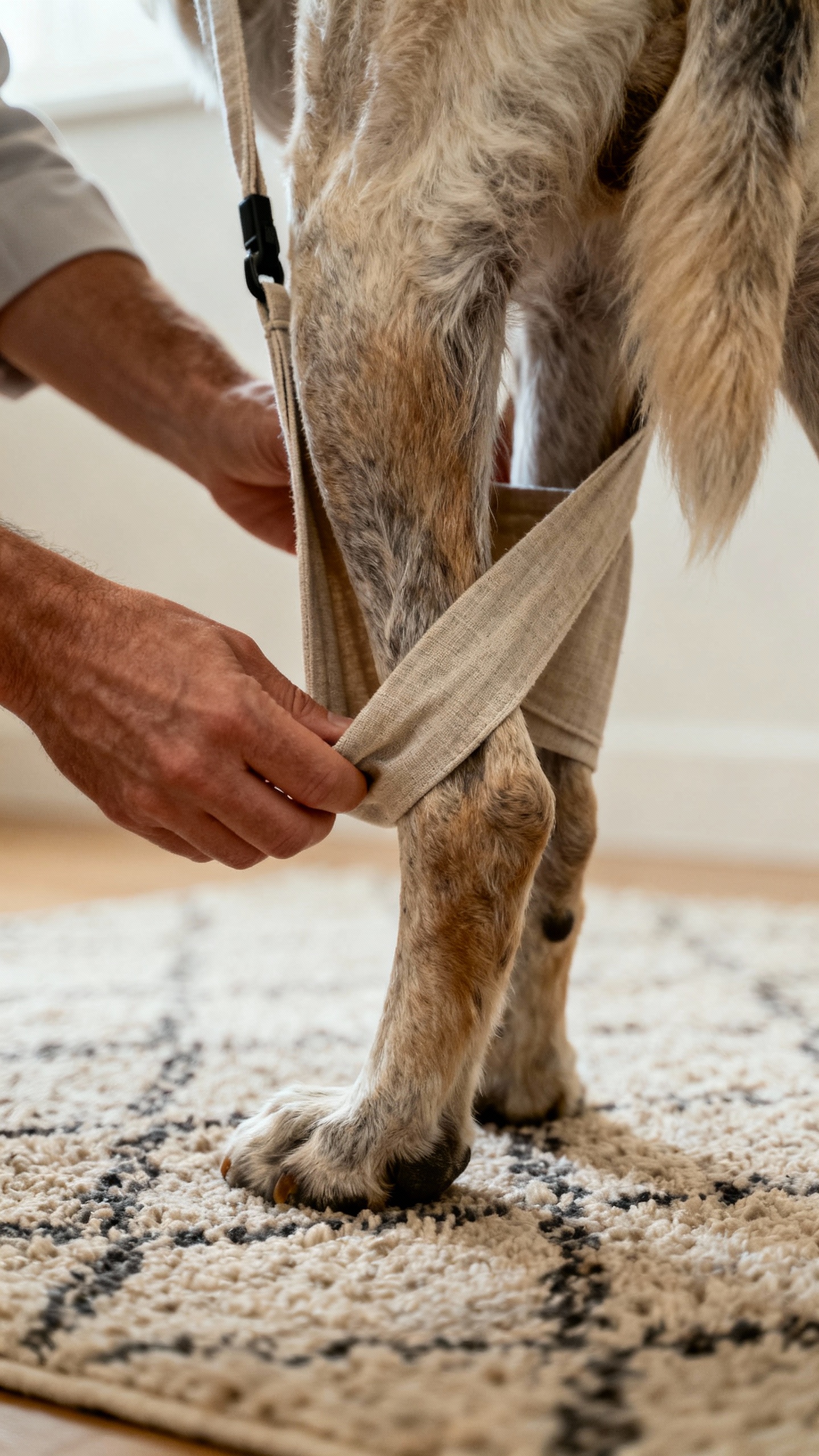
4) Mobility Decline and “My Legs Don’t Work Like They Used To”
You’ll notice wobbling, slipping, or general weakness. They may hesitate on stairs or struggle to stand.
Some dogs collapse after short movement.
- Help them safely: Use a sling or towel under the belly. Add rugs. Keep walks short and flat.
- Bathroom support: Take them out more frequently; consider pee pads if outings stress them.
Pressure Sores and Pain
Dogs that lie in one position too long risk sores.
Gently rotate sides every few hours. Use thick, supportive bedding. If you see pink or raw spots, call your vet.
5) Incontinence and Changes in Bathroom Habits

Near the end, many dogs lose control of their bladder or bowels.
Others stop going much at all because they barely eat or drink. Neither is “bad behavior.”
- What helps: Waterproof pads, frequent gentle cleanups, fragrance-free wipes, and trimming fur around the bum.
- When to worry: Straining to urinate, bloody urine, or signs of extreme discomfort—these can be emergencies.
6) Confusion, Restlessness, or Nighttime Anxiety
You might see pacing, staring, getting stuck in corners, or whining at night. Some dogs seem disoriented, similar to canine cognitive dysfunction.
- Soothing strategies: Dim lights, soft music or white noise, a nightlight, and a predictable routine.
- Vet help: Mild sedatives, anti-anxiety meds, or pain control can make nights easier—for both of you.
FYI: lack of sleep magnifies distress.
Sudden “Rally” Before Decline
Sometimes dogs have a bright, happy day right before they crash. They eat, walk, and act like their old self. It feels miraculous.
It’s also common. Enjoy it, take photos, and be prepared for rapid decline afterward.
7) Pain That’s Harder to Hide
Dogs excel at hiding pain—until they can’t. Look for trembling, licking one area, whining on movement, hunched posture, or snapping when touched.
- Comfort moves: Soft bedding, warm (not hot) compresses on sore joints, minimal stairs, and slow transitions.
- Call your vet: Discuss pain meds or hospice care.
You don’t get bonus points for “toughing it out.” Neither does your dog.
8) Long Sleep and Less Responsiveness
As the body shuts down, dogs sleep more and respond less. They may barely lift their head when you enter. They might seem “somewhere else.”
- How to be there: Sit quietly.
Offer your hand. Speak softly. Keep it peaceful.
Your calm becomes their calm.
Practical Comfort Tips for the Final Stage
You can’t fix everything, but you can upgrade their comfort like a pro.
- Keep them cozy: Draft-free, soft bedding, easy temperature.
- Hydration options: Shallow bowls, broth, ice chips. Don’t force it.
- Gentle grooming: Soft brush, wipe eyes and mouth, trim nails if long.
- Short check-ins: Offer small sips and cuddles. Let them rest.
- Pain control: Work with your vet.
Hospice care is a gift, IMO.
When to Call the Vet (Or Consider Euthanasia)
This part hurts, but it matters. If your dog has unmanageable pain, struggles to breathe, can’t stand to eat or drink, or seems distressed most of the day, talk to your vet. Euthanasia isn’t giving up—it’s choosing kindness when comfort no longer exists. Quality-of-life tools to consider:
- Number of good days vs. bad days
- Ability to eat, drink, and rest comfortably
- Enjoyment of favorite things (walks, cuddles, sunbathing)
If the bad days outnumber the good consistently, that’s your sign.
FAQs
How long does the last stage usually last?
It varies widely.
Some dogs decline over weeks; others change in a few days. Once multiple signs appear together—no appetite, heavy sleep, irregular breathing—the timeline often shortens to days. Your vet can help you gauge where you are on that curve.
Should I feed my dog if they refuse everything?
Offer small amounts of soft, smelly foods and water, but don’t force-feed.
Forcing can cause aspiration and distress. Focus on comfort, not calories. Ask your vet about anti-nausea meds or appetite stimulants if your dog still enjoys food sometimes.
Is my dog in pain if they just sleep a lot?
Not necessarily.
Sleep can mean fatigue or shutting down, not always pain. Look for pain cues: trembling, yelping on movement, hunched posture, or guarding a limb. If you’re unsure, assume they might hurt and ask your vet about safe pain relief.
How do I make the decision about euthanasia?
Use quality-of-life scales, track good vs. bad days, and listen to your gut.
If your dog can’t enjoy normal activities and shows persistent distress despite meds, euthanasia can prevent suffering. It’s the hardest, kindest call you’ll make.
Can dogs sense they’re dying?
We can’t ask them, but many show instinctive behavior: seeking quiet, refusing food, or wanting closeness. They don’t fear death like we do.
They look for comfort, routine, and their person. That’s you.
Should kids or other pets be present at the end?
If it feels right and you can keep it calm, yes. Prepare kids with simple, honest language.
Other pets can say goodbye too; it may help them process the loss. Keep the environment peaceful and supportive.
Final Thoughts
End-of-life care isn’t about fixing—it’s about loving well. Recognize the signs, keep your dog comfortable, and involve your vet early.
You know your dog better than anyone, and your presence matters more than anything. Hold them, talk to them, and make the time you have left soft and gentle. That’s the good stuff.
Leave a Reply