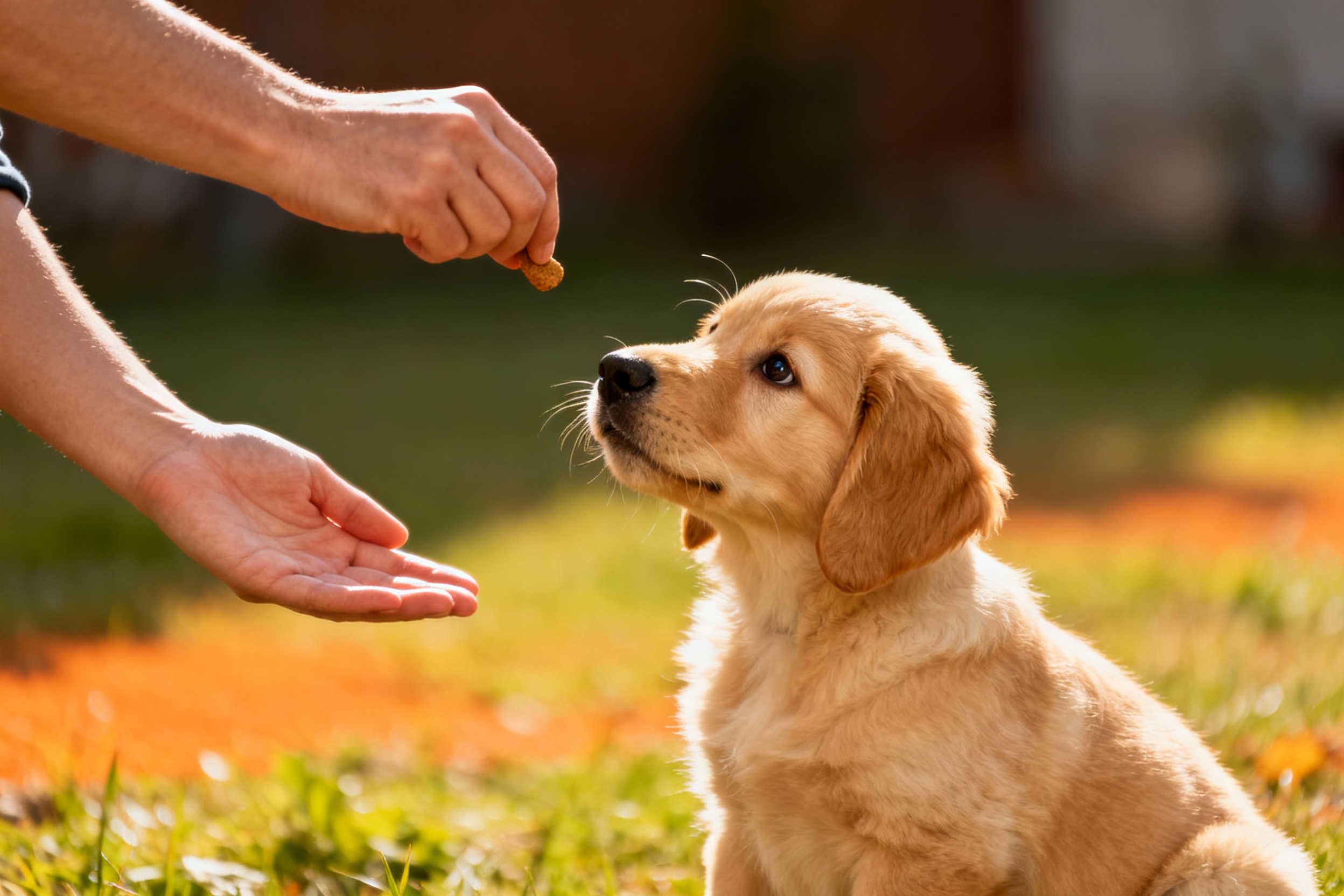
You brought home a two-month-old golden retriever and now your shoes are “custom ventilated.” Welcome to puppyhood. The good news? Goldens want to please you.
The bad news? They also want to chew your house. This is your starter guide to raise a confident, polite fluffball without losing your sanity (or your slippers).
Know Your 8-Week-Old Golden: Baby Brain, Big Feelings
Golden retriever puppies at two months act like toddlers on espresso.
They explore with their mouths, nap hard, and learn fast in tiny bursts. Expect short attention spans, a big desire to follow you, and lots of cuddles. Key mindset: You’re not “training” a soldier. You’re shaping good habits with gentle structure.
Keep sessions short, celebrate small wins, and protect your pup from practicing bad behaviors.
Build Your Daily Puppy Routine
Consistency makes training easy. Create a simple daily rhythm so your puppy knows what comes next.
- Sleep: 16–18 hours a day. Respect naps.
Overtired puppies bite more and listen less.
- Meals: 3 small meals at consistent times. Use part of the kibble for training rewards.
- Potty breaks: Every 45–60 minutes when awake, plus after meals, naps, and play.
- Training: 3–5 mini-sessions, 3–5 minutes each. Stop while it’s still fun.
- Play and chew: 2–3 short play windows and safe chew time to save your furniture.
Pro tip: Set alarms.
Your future self will thank you.
Potty Training Without Tears (or Puddles)
House training a golden takes patience, not punishment. Your job: prevent accidents and reward correct choices like a confetti cannon.
- Use a schedule: Out on wake-up, after meals, after play, and before bed.
- Pick a potty spot: Go to the same place and wait quietly.
- Add a cue: Softly say “go potty” while they start, then praise after they finish.
- Reward instantly: Deliver a tiny treat within 2 seconds. Timing matters.
- Manage indoors: Use a crate or playpen when you can’t watch.
Freedom grows with success.
If accidents happen: Clean with enzyme cleaner. Don’t scold. If you didn’t see it, it’s already a memory.
Crate Training Basics
A crate equals a cozy den, not doggy jail.
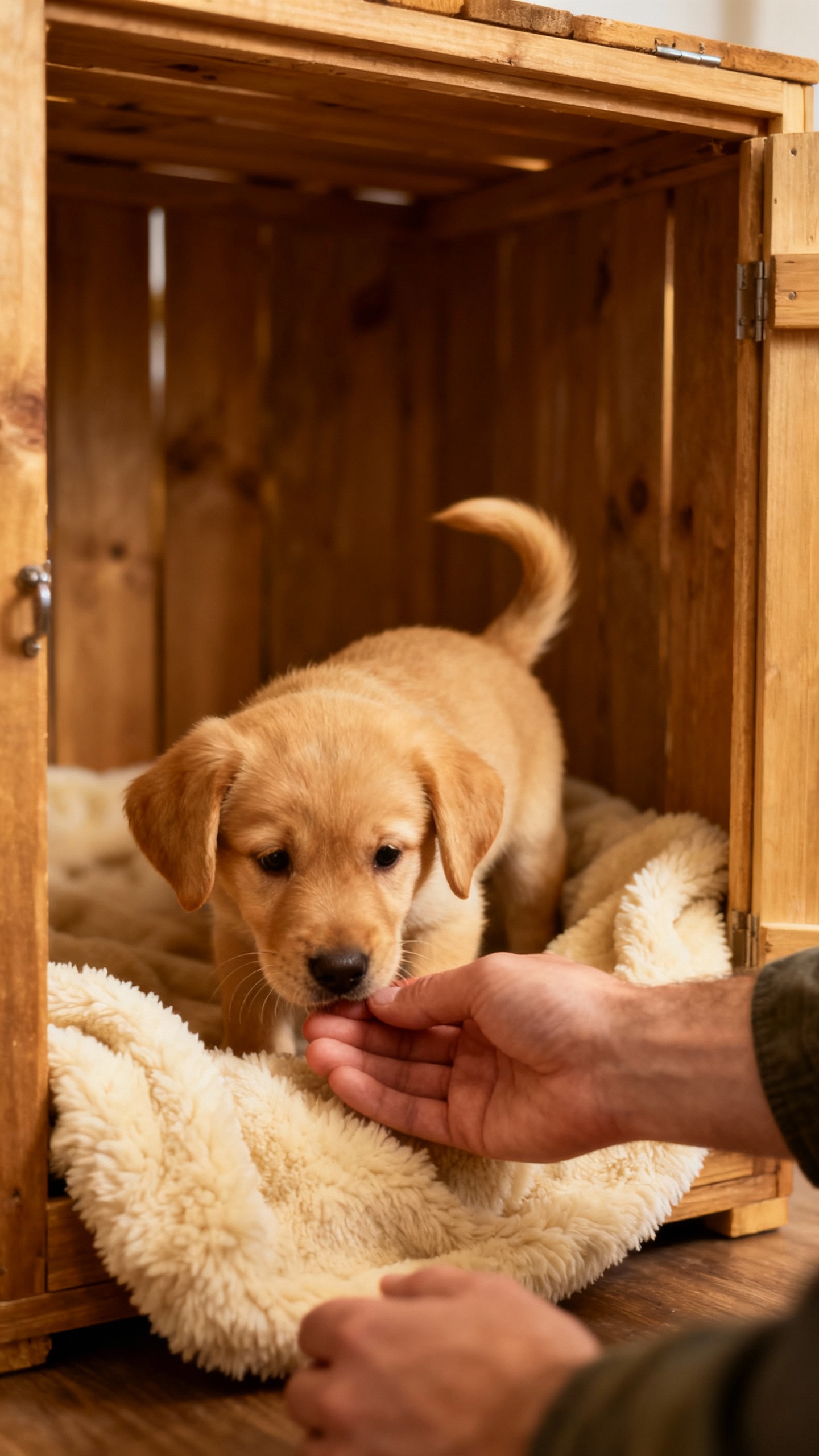
- Feed meals in the crate with the door open.
- Toss a treat inside, say “kennel,” and let them wander in and out.
- Close the door for seconds at first, then minutes.
Stay calm and nearby.
- Crate at night by your bed so the puppy hears you. Everyone sleeps better.
House Manners: Biting, Chewing, Jumping
Puppies bite because they’re teething and exploring. You won’t “discipline” your way out of it.
You’ll redirect and manage.
Nipping and Mouthing
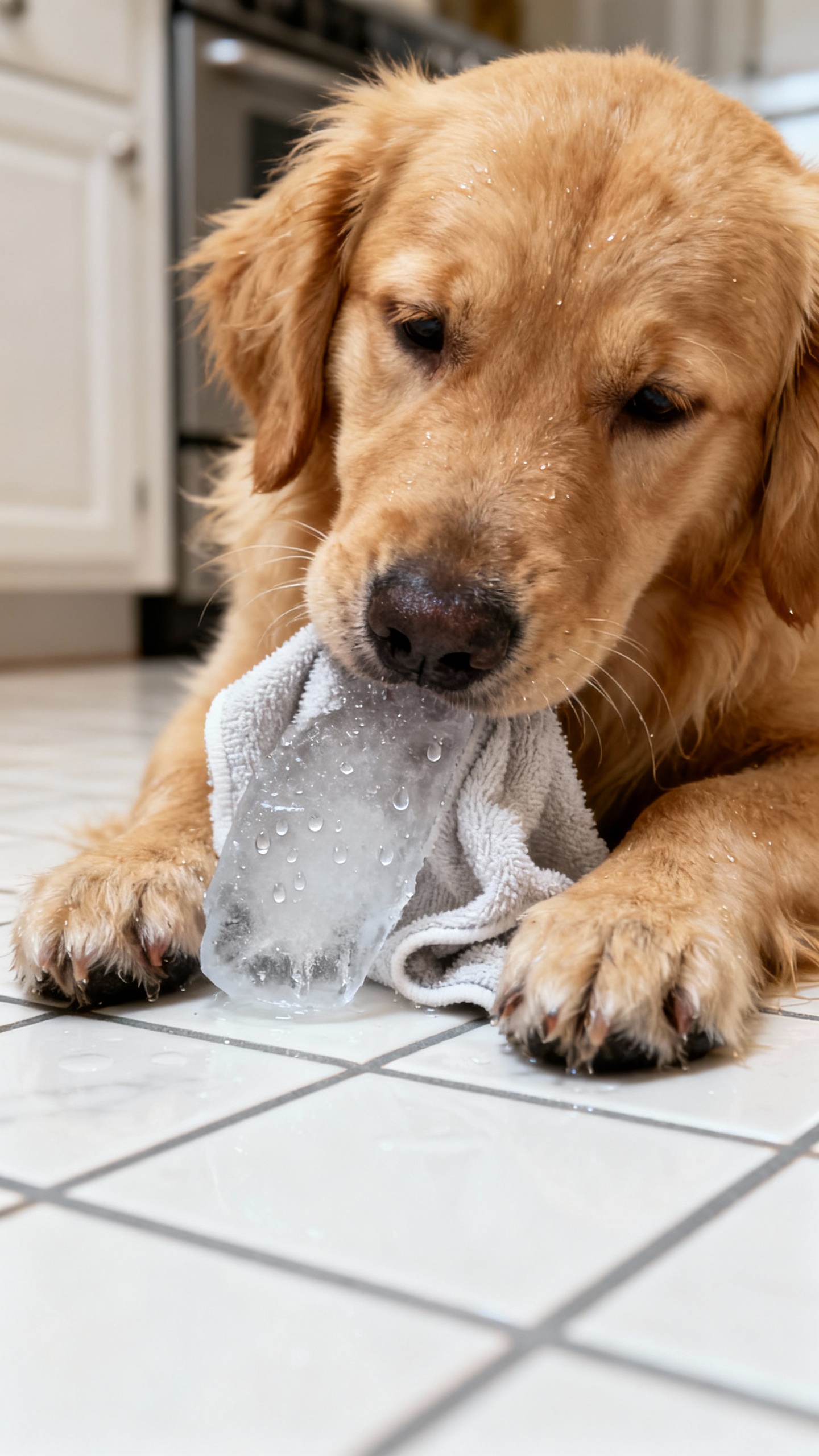
- Provide legal chew outlets: 3–4 safe options daily (rubber toy, frozen wet towel, puppy-safe chew).
- Redirect: If teeth touch skin, calmly swap in a chew toy. Praise when they chomp the toy.
- Use time-outs: If they get wild, end play and step away for 20–30 seconds. Reset the vibe.
- Avoid rough play: Tug is fine, but keep it gentle and structured with “drop.”
Jumping on People
Teach what to do, not just what not to do.
- Stand still when they jump.
No hands. No eye contact.
- When four paws hit the floor, mark “yes!” and reward.
- Ask for a sit before greetings. Reward sits like it’s payday.
Obedience Foundations (Super Short and Fun)
At two months, keep sessions like TikToks—fast and addictive.
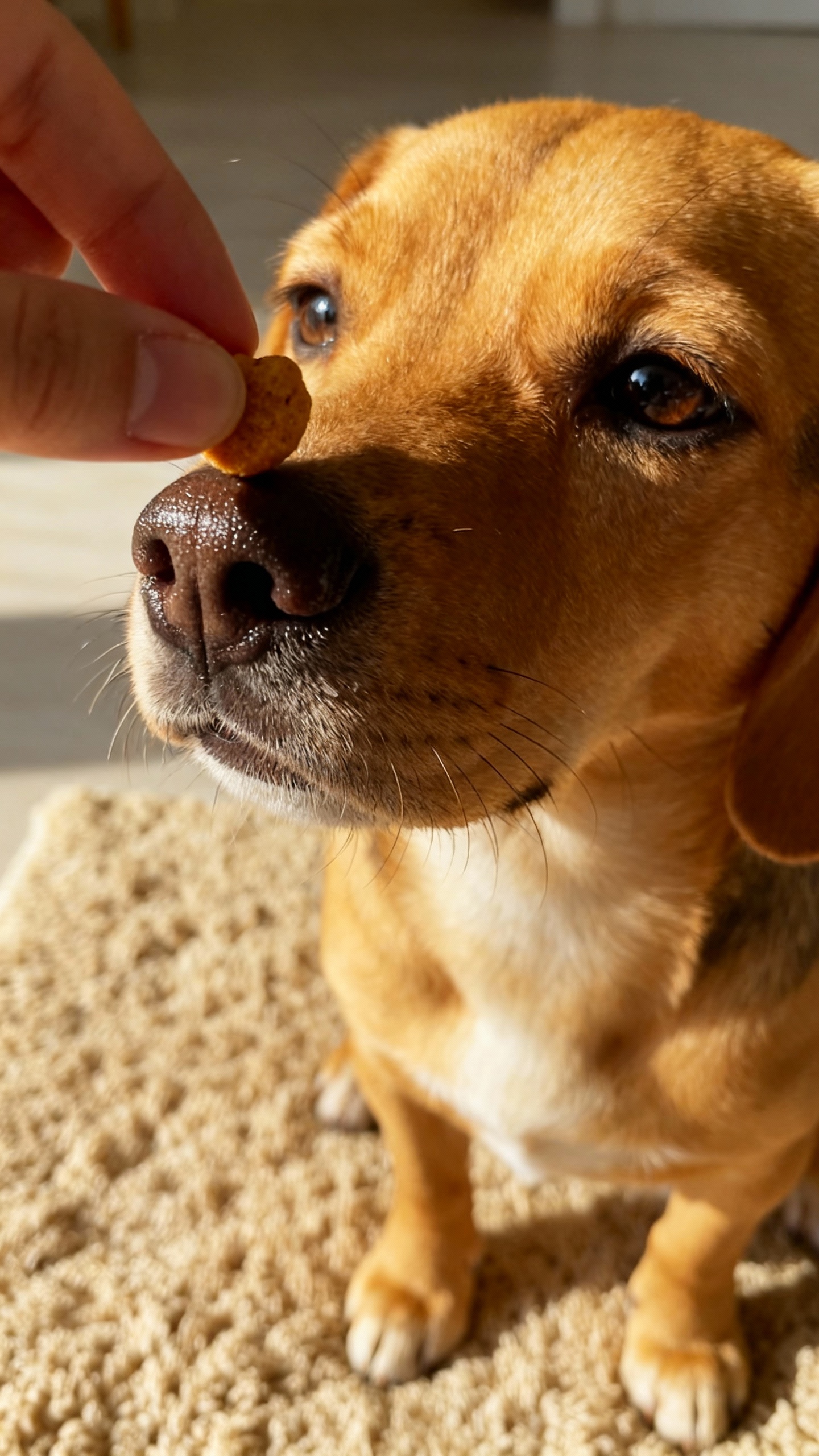
Use food and a cheerful voice. IMO, luring beats forcing every time.
Name Game
Say the puppy’s name once. When they glance at you, “yes!” and treat.
Repeat everywhere. Your goal: name = snaps attention.
Sit and Down
- Sit: Lure a treat from nose up. When the butt hits, “yes!” and reward.
- Down: From sit, lure treat from nose to floor between paws.
Reward when elbows touch down.
Drop It and Leave It
These save lives and socks.
- Drop it: Trade for a better treat. Say “drop,” present treat to their nose, take item when it falls, then give the treat. Hand item back sometimes so “drop” doesn’t predict loss.
- Leave it: Treat in closed fist.
Puppy sniffs, paws, licks—nothing happens. The instant they back off, “yes!” and reward from the other hand. Build to open-hand, then floor items.
Come When Called
Make recall a party, not a lecture.
- Use a happy “Puppy, come!”
- Run backward, clap, be goofy.
Reward with 3–5 tiny treats in a row.
- Never call to end fun or for punishment. FYI, recall should always pay big.
Socialization Done Right (Not Chaos)
Critical window = 8–16 weeks. You shape a confident adult now.
But you need safe, controlled experiences—quality over quantity.
- People: Adults and kids of different appearances. Pair with treats. Let the puppy choose contact.
- Surfaces and sounds: Grass, tile, stairs, vacuum at a distance, gentle traffic noise.
- Dogs: Only vaccinated, friendly dogs with calm play styles.
Avoid dog parks for now.
- Handling: Touch paws, ears, tail, collar. Treat after each touch. That’s future vet-proofing.
Vaccines and Safety
You can socialize before full vaccinations, but choose clean environments: friends’ yards, puppy classes with vaccine checks, carried outings.
Ask your vet for a plan that balances health and social needs. It’s not either/or.
Leash Skills for Tiny Explorers
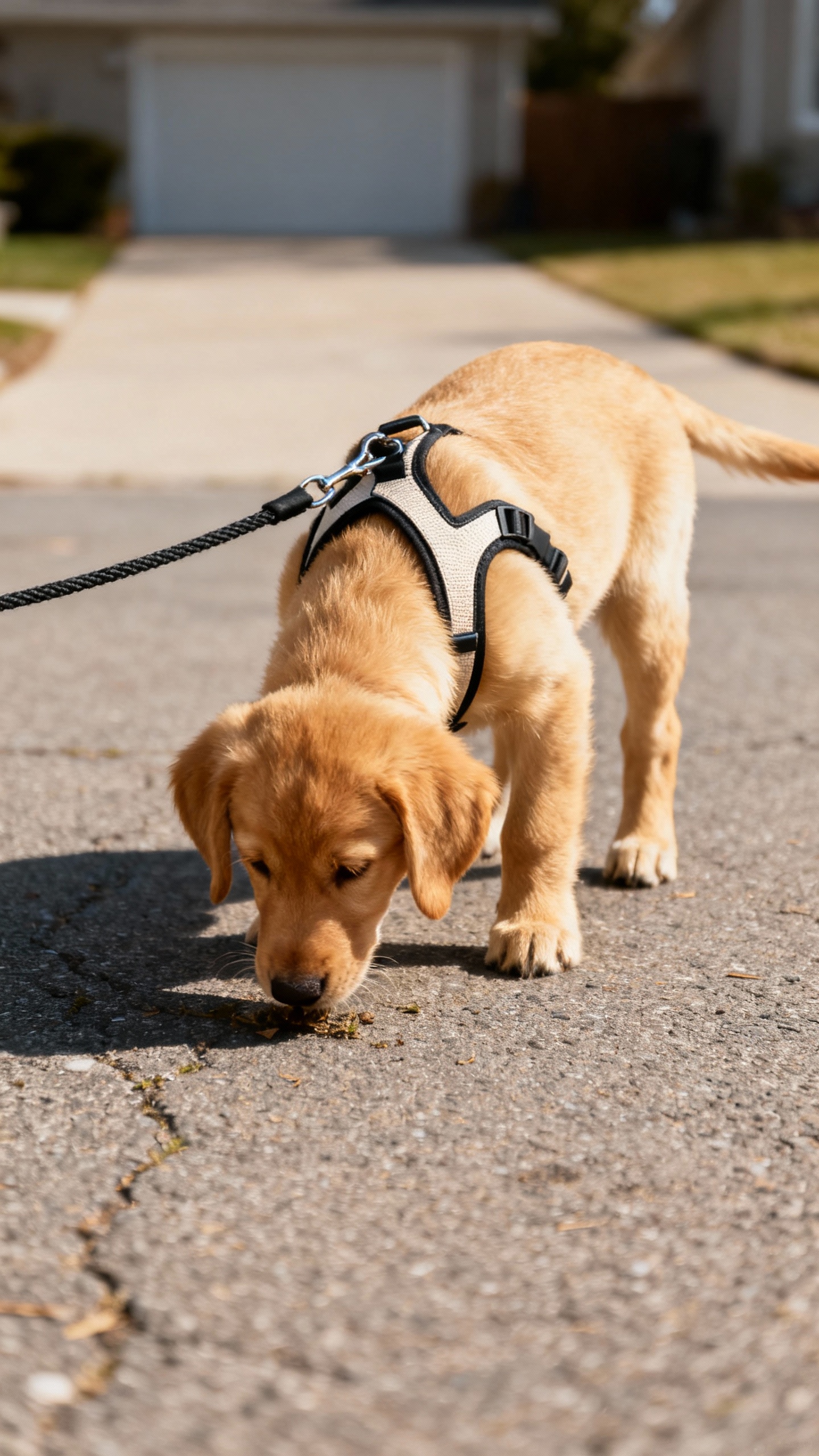
Two-month-old goldens love to sniff everything. Perfect.
Use that curiosity.
- Gear: Flat collar or Y-harness, light 6-foot leash.
- Loose-leash basics: Reward by your left leg for walking near you. If they surge, become a tree. When the leash loosens, move again and reward.
- Micro-walks: Around the yard or driveway.
Sniffing counts as mental exercise.
Enrichment: Tire the Brain, Save the House
A bored puppy invents chaos. A busy brain naps longer. Science.
- Stuff a rubber toy with part of breakfast and freeze.
- Scatter-feed kibble in the grass for sniffari time.
- Offer simple puzzle feeders and cardboard “treasure boxes.” Supervise, obviously.
- Teach 1–2 novel skills weekly: chin rest, hand target, or a cute spin.
What to Expect Week by Week
Weeks 8–10: Lots of naps, short bursts of zoomies, rapid learning.
Focus on potty, crate, name, sit. Weeks 10–12: Slight confidence dip is normal. Keep socialization gentle and positive. Add “leave it,” short recalls, and leash basics. Energy management: If they act wild, they need a nap, not more play.
Think toddler logic.
Common Mistakes (And Easy Fixes)
- Too much freedom too soon: Use gates and pens. Earned freedom prevents disasters.
- Long training sessions: Keep it bite-sized. Quit while they still want more.
- Inconsistent rules: Couch “sometimes” means couch “forever.” Pick rules you can keep.
- Rough corrections: Goldens shut down or get mouthier.
Reward what you want; manage what you don’t.
FAQ
How long can a 2-month-old golden retriever hold their bladder?
Generally 1–2 hours when awake. Overnight you might get 3–4 hours. Set a timer, carry them outside, and reward success.
Bladder capacity grows fast with consistency.
When can I start puppy classes?
Immediately after your vet clears the first round of vaccines and deems it safe. Many reputable classes require proof of vaccination and sanitize floors. Early, positive classes during 8–16 weeks are gold, IMO.
What treats should I use for training?
Use pea-sized, soft treats that your puppy can swallow fast.
Boiled chicken, tiny cheese bits, or commercial soft trainers work great. Keep 80% of the day’s calories from balanced puppy food and use the rest for training.
How much exercise does a 2-month-old golden need?
Think minutes, not miles. Aim for several 5–10 minute play sessions plus sniffy micro-walks and indoor training.
Over-exercising growing joints is a no-go. Mental work tires them better than sprints.
My puppy bites a lot. Is that normal?
Totally normal—and temporary.
Provide chew options, redirect, and use short time-outs. Track nap times; overtired puppies bite like tiny sharks. If biting escalates or draws blood regularly, consult a positive reinforcement trainer.
Should I let my puppy sleep in the bed?
If you want, but crate training becomes trickier.
I suggest crate by the bed for a few weeks, then decide. Solid sleep routines beat midnight potty panics.
Conclusion
Your two-month-old golden is a sponge with teeth. Set a routine, reward the good stuff, manage the chaos, and keep sessions short and happy.
You’ll blink and see a well-mannered, goofy best friend who trusts you completely. And yes, your shoes might survive after all—strong “might.”
Leave a Reply