
A golden retriever puppy has entered your life, and your cat just filed a formal complaint with HR (you). You want peace, cuddles, and zero drama. Totally doable.
With a smart plan and a little patience, you’ll turn cold stares and wiggle-butts into nap buddies. Let’s get your furry roommates off to a solid start.
Set the Stage Before the First Sniff

Before you parade the puppy through your cat’s kingdom, prep the environment. Think of it like toddler-proofing, but for egos and whiskers.
- Create a cat-only safe zone: Pick a room the puppy can’t access.
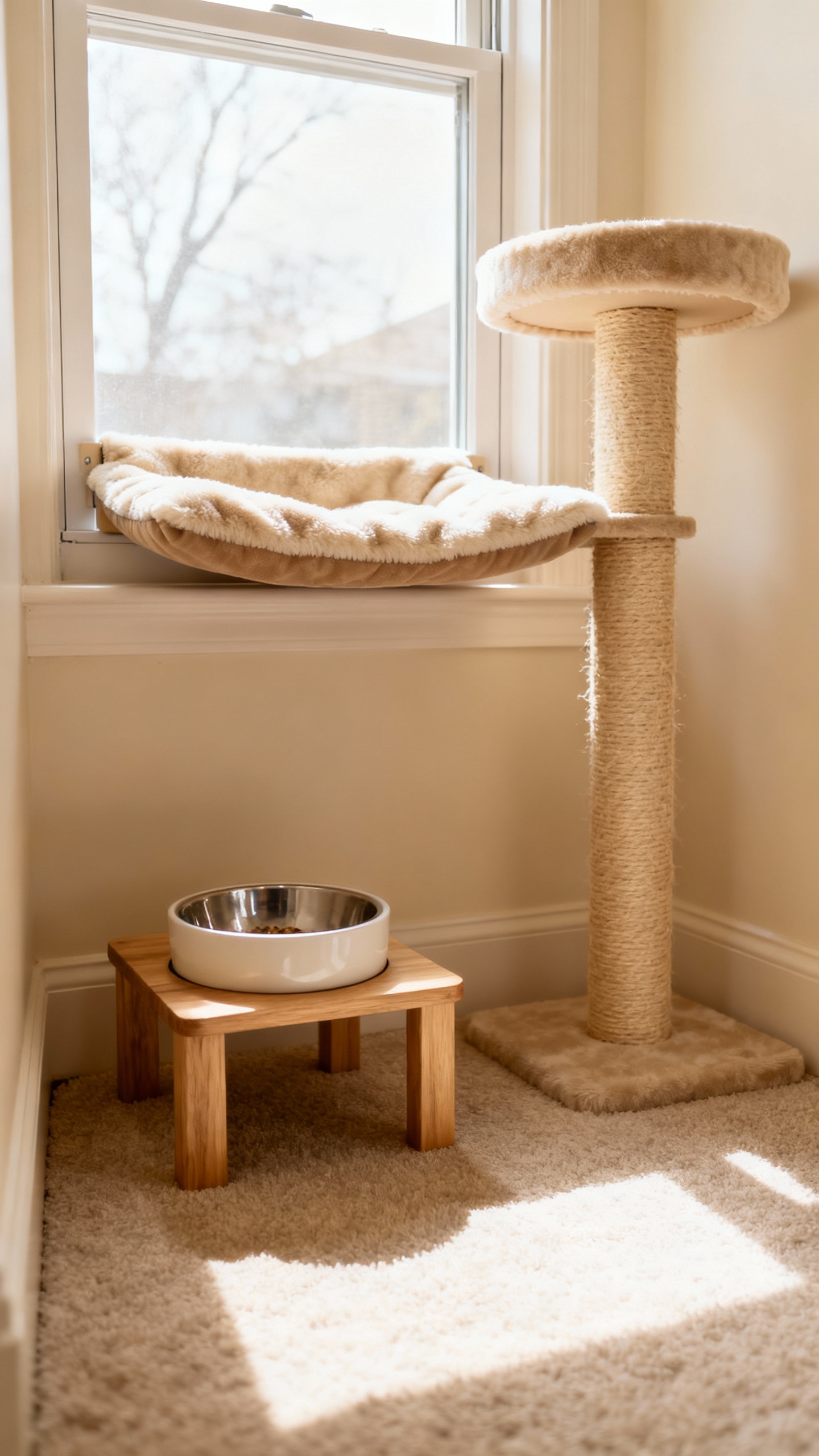
Stock it with the litter box, water, food, scratching post, and a comfy perch. This gives your cat control and an escape hatch.
- Use baby gates with a small gap: Your cat can slip through; your puppy can’t. Vertical bars beat mesh if your cat likes to climb.
- Elevate resources: Put cat bowls and favorite beds up high.
Puppies can’t pester what they can’t reach.
- Gather tools: Puppy crate or playpen, leash, treats for both, and a towel for scent swapping.
Start With Scent, Not Sight
Dogs and cats read the world through their noses first. So introduce them to each other’s scent before you introduce faces.
Simple Scent Swaps
- Item swapping: Rub a clean cloth on the puppy and leave it near your cat’s hangouts. Do the same with your cat’s scent near the puppy’s bed or crate.
- Food pairing: Place the scented items near each pet during mealtime.
They’ll associate the new smell with good stuff (aka dinner).
- Door feeding: Feed them on opposite sides of a closed door. Start at a distance and gradually move bowls closer to the door as they relax.
First Visuals: Controlled, Calm, and Short
This is the moment. You want curiosity, not chaos.
Set the puppy up so your cat calls the shots.
How to Stage the First Meeting
- Exercise the puppy first: A tired golden is a good golden. Short play or a training session helps take the edge off.
- Use barriers: Start with a baby gate or the puppy in a playpen. Keep the puppy on a leash if needed.
- Reward calm: Treats rain down when the puppy looks at the cat and then looks back at you.
Mark and reward that “see cat, stay chill” behavior.
- Give the cat control: Let your cat choose the distance and pace. If your cat wants to observe from the hallway like a suspicious neighbor, let them.
Red Flags vs. Green Lights
- Green lights: Sniffing the air, slow blinking, soft posture, curiosity with breaks.
- Yellow flags: Puppy whines, bounces, or fixates; cat’s tail flicks rapidly or ears tilt back.
- Red flags: Hard stare, growling, lunging, hissing with arched back, swatting that escalates.
Pause and step back a stage.
Teach the Puppy the “Cat Rules”
Puppies learn fast, especially goldens. Channel that golden eagerness into manners around the cat.
Core Skills to Train Early
- Impulse control: Teach “sit,” “down,” and “wait.” Reward the puppy every time it calmly watches the cat without moving.
- Leave it: Start with treats, then toys, then apply to “leave the cat.” Mark and reward the split second the puppy looks away from the cat.
- Place/Mat training: Send the puppy to a bed and reinforce relaxation. This becomes your “cat is on the move, you chill here” command.
- Recall: A rock-solid “come” helps when curiosity spikes into chase mode.
Leash Management, Not Leash Drama
Keep the puppy on a light leash during early interactions.
You want guidance, not restraint. Loose leash, calm voice, and lots of rewards for ignoring the cat. If you feel tension climbing, end on a good note and try again later.

Respect the Cat’s Stress Meter
Cats pretend they don’t care.
Spoiler: they care. Watch for subtle stress and adjust the timeline accordingly.
- Stress signs: Hiding more than usual, over-grooming, decreased appetite, hissing, tail tucked, or avoiding favorite spots.
- Litter box logistics: Keep it in the cat’s safe zone and out of puppy reach. FYI, puppies consider litter boxes snack buffets.
Block access.
- Quality time: Keep up solo play and cuddle sessions with your cat. Reassurance prevents resentment.
When to Remove Barriers

You’ve built trust. Now you wonder, can they share a room?
Maybe—do it gradually.
Checklist Before Full Access
- Puppy ignores the cat on cue: You can say “leave it” and get instant compliance.
- Cat chooses proximity: Your cat enters the room, lounges, and maybe even walks past the puppy without meltdown.
- Zero chasing: If the cat runs, the puppy looks to you, not into turbo mode. That’s your green light.
Supervised Freedom
Start with short, supervised sessions with no barriers and the puppy dragging a light leash. Keep toys around to redirect energy.
If anyone gets spicy, calmly separate and try a shorter session next time.
Nighttime, Alone Time, and Household Logistics
House rules keep the peace while everyone adjusts.
- Crate the puppy at night: The cat can roam and feel safe. Everyone sleeps better.
- Separate during busy times: Meal prep, kids running around, deliveries—too much chaos can trigger chasing. Use gates or the crate.
- Protect resources: Feed them separately.
Golden puppies have big feelings about food, and cats don’t negotiate.
- Exercise the golden brain: Puzzle feeders, short training bursts, sniffy walks. A mentally tired puppy pesters the cat less, IMO.
Common Snags and Quick Fixes
The Puppy Wants to Chase
Use a “find it” cue and toss treats away from the cat. Reinforce the puppy for turning to you.
Add a flirt pole or tug toy for legal chasing outlets.
The Cat Swats
Fair. Cats set boundaries. Just ensure no claws-to-eyes contact.
Increase vertical spaces and distance. Reward both pets when they coexist calmly.
Someone Gets Jealous
Give both pets one-on-one time daily. Rotate who gets attention first.
Keep greetings neutral. You’re the referee and the snack bar—spread it around.
FAQ
How long does the introduction process usually take?
Anywhere from a few days to a few months. Personalities rule here.
Confident, social cats and mellow puppies zip through; shy cats or high-energy pups need more time. Go at the pace of the most stressed animal.
What if my golden puppy keeps fixating on the cat?
Increase distance, escalate rewards for looking away, and practice more impulse control work. Use short sessions and a leash.
If fixation persists, bring in a certified trainer for a couple of targeted sessions—worth it, FYI.
Can I ever leave them unsupervised together?
Eventually, yes—but only after weeks of zero chasing, calm interactions, and reliable “leave it.” Keep escape routes for the cat and continue separate feeding. If you feel even a little unsure, you’re not ready.
Is it okay if the cat hisses?
Yes. Hissing sets boundaries.
Respect it and give space. If hissing escalates to repeated swatting or hiding, slow down the process and sweeten the deal with treats and safe zones.
Do golden retrievers naturally get along with cats?
Many do. Goldens tend to be friendly and eager to please.
The puppy stage brings chaotic zoomies, though, so training and management matter more than breed generalizations, IMO.
What if my cat stops eating or using the litter box?
That’s a stress signal. Reinstate full separation, rebuild confidence with play and quiet time, and call your vet to rule out medical issues. Stress can trigger urinary problems in cats, so don’t wait on this one.
Conclusion
You don’t need magic—just management, training, and patience.
Let scent come first, keep the puppy’s energy in check, protect the cat’s space, and reward calm like it’s your job. In a few weeks, you’ll laugh about the early drama while they both nap in the same sunbeam. And if they never become BFFs?
That’s okay. Peaceful roommates still win.
Leave a Reply