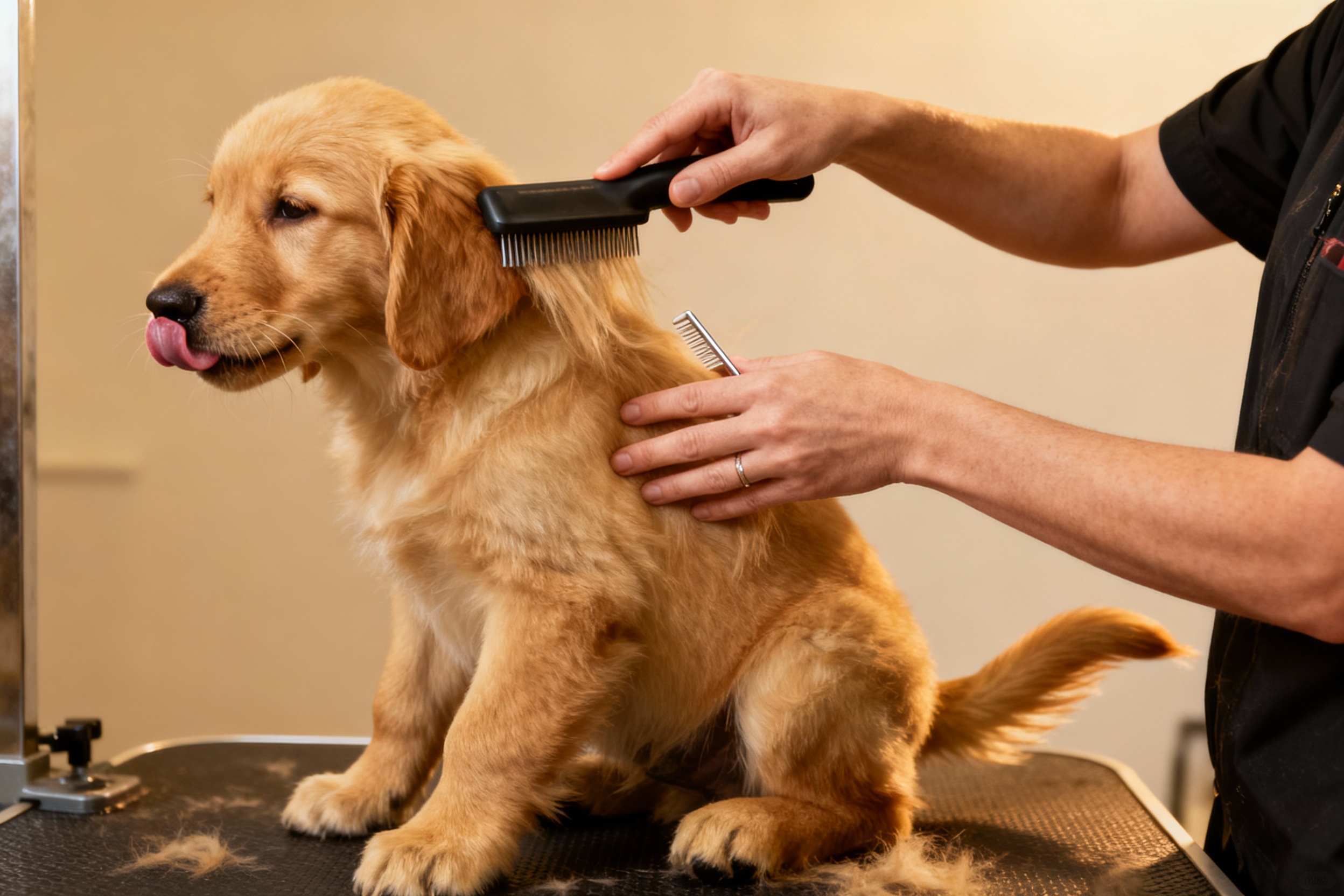
Golden Retriever puppies are walking sunshine wrapped in fur… and that fur needs regular TLC. Start good grooming habits now, and future-you won’t be wrestling a teenage floofball in the bathtub. You’ll also spot skin issues early, reduce shedding, and keep that glorious golden coat soft and shiny.
Ready to make grooming a bonding ritual instead of a chaotic slip-n-slide? Let’s go.
Set Up Your Grooming Toolkit
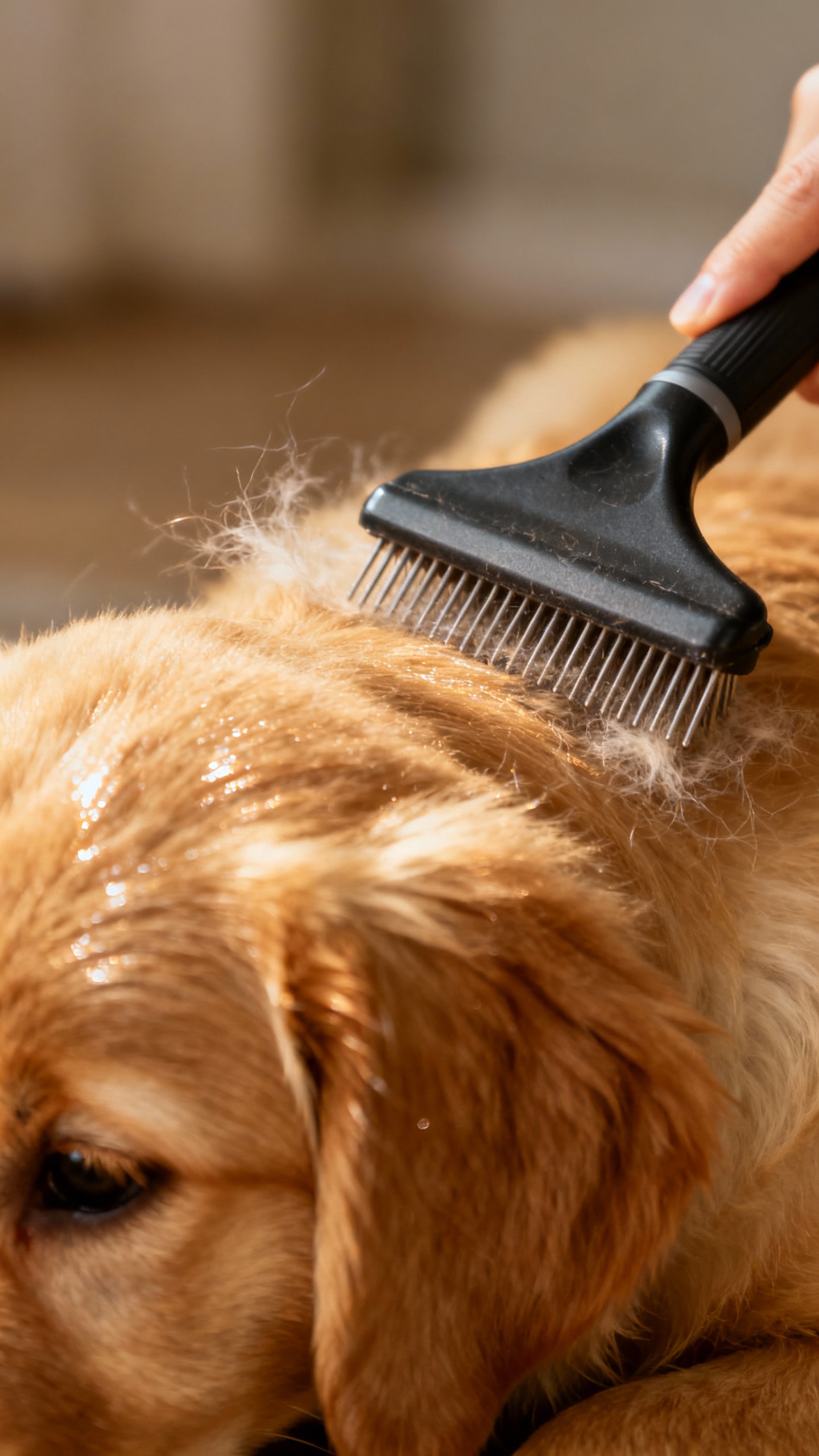
You don’t need a pro’s arsenal, but you do need the right basics. The wrong brush or shampoo can tangle fur and irritate skin.
Keep it simple and consistent.
- Slicker brush: The MVP for removing loose hair and preventing mats in the topcoat and undercoat.
- Wide-tooth comb: Great for behind ears, armpits, and pants (that fuzzy rear end).
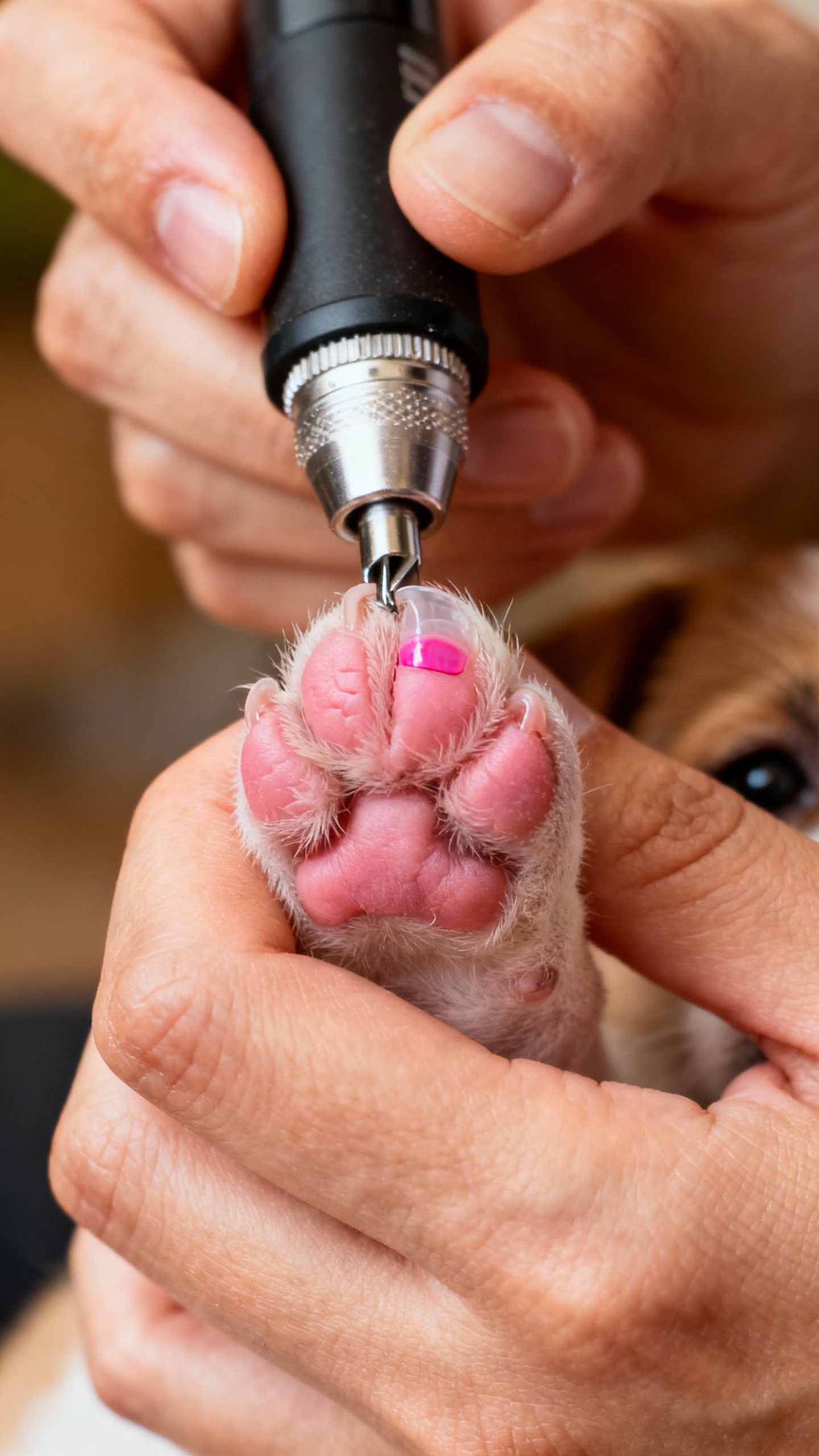
- Nail clippers or grinder: For tiny, frequent trims so nails stay short and safe.
- Puppy-safe shampoo: Mild, fragrance-light, and pH-balanced. Hypoallergenic if your pup has sensitive skin.
- Microfiber towels: Faster drying, less drama.
- Ear cleaner + cotton pads: Goldens love water; their ears do not.
- Toothbrush + enzymatic toothpaste: Start early, thank yourself later.
- Treats: Pay your intern. Frequently.
Brush Like a Pro (Without Overthinking It)
You’ll manage most of your golden’s grooming with brushing.
Do it right, and you’ll cut down on shedding, mats, and itchy skin.
How often should you brush?
3–4 times per week works great for most puppies. During shedding seasons (spring and fall), bump to daily quick sessions. Keep it under 10 minutes at first so your pup doesn’t get bored.
Brushing step-by-step
- Start with the slicker: Brush with the grain, short gentle strokes.
Work from neck to tail, then legs.
- Target trouble zones: Behind ears, armpits, chest ruff, and tail. These mat if you ignore them for five minutes.
- Follow with the comb: Check for hidden tangles. If you hit a snag, hold the fur near the skin and tease it out slowly.
- Reward breaks: Treat, praise, play.
Keep the vibes good so your puppy sees brushing as hangout time.
What to avoid
– No harsh de-shedding tools on puppies. Their skin is delicate, and you can damage the coat. – Don’t yank mats. Work them out gradually or use a tiny dab of conditioner and a comb.
Bath Time Without the Chaos
You don’t need to bathe your golden puppy weekly. In fact, too much bathing dries the skin and dulls the coat. Every 4–6 weeks works for most pups, with spot-cleaning in between.
Bath basics
- Brush first. Wet mats tighten and become knotty nightmares.
- Lukewarm water only. If it feels like a hot tub, it’s too warm.
- Shampoo properly. Dilute puppy shampoo 1:5 with water. Massage into coat, avoid eyes and ear canals.
- Rinse forever. Keep rinsing until you think you’re done—then rinse again.
Residue = itch.
- Dry well. Towel thoroughly. Use a low-heat dryer if your pup tolerates it, always moving the airflow and checking heat with your hand.
Post-bath pro tips
– Clean ears right after bathing to avoid moisture buildup. – Short walk after the bath helps fluff the coat and burn off zoomies. – High-value treats make bath time a party instead of a hostage situation.
Nails, Paws, and Ears: The Maintenance Trio
The little things turn into big things if you ignore them. Keep these areas on a weekly rotation.
Nail trims
– Frequency: Every 1–2 weeks.
Puppy nails grow fast. – Goal: Nails shouldn’t click loudly on the floor. – Technique: Trim tiny slices. If you see a small white dot or pink quick, stop. With a grinder, do short taps per nail.
Paw care
– Check pads for debris, cuts, or dryness. – Lightly trim fur between pads if it mats or traps mud. – Paw balm helps if your climate is dry or you walk on rough surfaces.
Ear care
– Inspect weekly. Ears should look clean, pale pink, and smell neutral. – Clean after swimming or baths. Use vet-approved ear cleaner, squeeze a little in, massage the base, then wipe the outer ear with a cotton pad. – Watch for red flags: Redness, odor, frequent head shaking.
Call your vet if these pop up.

Teeth, Breath, and That Adorable Puppy Yawn
Yes, you should brush your puppy’s teeth. No, it’s not weird. Dental habits early prevent costly vet bills later.
- Brush 3–4 times weekly with a soft brush and enzymatic dog toothpaste.
- Start slow: Rub gums with your finger, then add toothpaste, then the brush.
- Chews help but don’t replace brushing.
Pick VOHC-approved options when you can.
Trimming the Fluff (Without Butchering the Coat)

Golden Retriever coats protect their skin and regulate temperature. Don’t shave your golden unless your vet says so for medical reasons. Instead, do light tidying.
Where to trim
– Feet: Round the edges for tidy “cat feet.” – Hocks and pants: Lightly neaten flyaways. – Ears: Trim long wisps along the edges for cleanliness, not fashion. – Feathering: You can tidy, not sculpt. Keep the natural outline.
Tools and technique
– Use thinning shears for soft, natural lines. – Snip in tiny amounts, step back, and check symmetry. – When in doubt, stop. You can always trim more tomorrow.
Make Grooming a Positive Ritual
You’re training your puppy to love grooming, not just tolerate it.
That mindset changes everything.
- Short, frequent sessions. Two minutes beats twenty when you’re building trust.
- Pair with good stuff: Lick mat with peanut butter (xylitol-free), calm music, snuggle breaks.
- Handle daily: Touch paws, tails, ears during play so handling feels normal.
- End on a win: Quit while it’s going well. IMO, a confident puppy beats a “perfectly” groomed one every time.
Seasonal Shedding: The Fluffnado
Spring and fall bring coat blowouts. It’s normal.
It’s also… a lot. Your lint roller will file for overtime.
How to survive shedding season
– Daily slicker sessions for 5–10 minutes. – Bath + thorough blow-dry one weekend to loosen dead undercoat. – Vacuum schedule you can live with. FYI, air purifiers help too. – Balanced diet with omega-3s supports skin and coat.
Ask your vet about appropriate DHA/EPA doses for puppies.
What Healthy Skin and Coat Look Like
You can’t fix what you don’t notice. Learn your pup’s baseline and check often.
- Skin: Smooth, light pink, no flakes, no hot spots.
- Coat: Soft, slightly glossy, not greasy, minimal odor.
- Behavior: No constant scratching, licking, or scooting.
If you see bald patches, persistent dandruff, musty smell, or lots of ear gunk, loop in your vet. Allergies happen with goldens.
Better to address them early than play whack-a-mole later.
FAQ
How often should I groom my Golden Retriever puppy?
Brush 3–4 times weekly, clean ears weekly or after swimming, trim nails every 1–2 weeks, and bathe every 4–6 weeks. Keep trims minimal and focus on tidy feet, ears, and pants. Short sessions and consistency work better than occasional marathons, IMO.
Can I use a de-shedding tool on my puppy?
Not yet.
Many de-shedding tools dig into the coat and can irritate puppy skin or damage the developing undercoat. Stick with a slicker brush and comb until your dog matures, then ask your groomer or vet which de-shed tool and technique to use safely.
What shampoo is best for a golden puppy?
Pick a gentle, puppy-formulated shampoo that’s pH-balanced and light on fragrance. If your pup has sensitive skin, go hypoallergenic.
Avoid human shampoos. They throw off the skin’s balance and cause itchiness.
My puppy hates nail trims. Help?
Desensitize slowly.
Touch paws during cuddle time, reward calmness, and introduce the clipper or grinder without trimming at first. Do one nail, treat, break. Use a lick mat during trims.
Over a few weeks, most pups chill out with the routine.
Is professional grooming necessary?
Not mandatory, but helpful. A groomer can do tidy trims, desensitize your puppy to salon environments, and check for skin or ear issues. Try a “puppy intro” session once vaccinations are on track—keep it short and positive.
Do I need to blow-dry my golden after a bath?
You don’t have to, but thorough drying prevents damp undercoat and hot spots.
Use low heat and steady movement. If your pup dislikes the dryer, towel dry well and finish with a gentle brush while air-drying indoors.
Conclusion
Grooming your Golden Retriever puppy doesn’t need to be a wrestling match or a science project. Build a simple routine, keep sessions short, reward generously, and focus on comfort over perfection.
Do that, and you’ll have a clean, comfy pup—and way less fur tumbleweed rolling across your floors. Win-win.
Leave a Reply