
Your adorable golden fluffball just discovered chewing. On everything. Shoes, chair legs, your sanity—nothing escapes those tiny piranha teeth.
Teething hits hard and fast, but with a little strategy (and a lot of patience), you can help your golden retriever pup get through it without sacrificing your furniture—or your fingers.
What’s Actually Happening During Teething?
Puppies go through two rounds of dental drama. First, those needle-sharp baby teeth erupt around 3-6 weeks. Then between 12-16 weeks, the adult teeth start pushing through, and the baby ones fall out.
That full set of adult teeth usually finishes by 6-7 months. During this time, your golden’s gums feel sore and itchy. Chewing relieves that pressure.
So no, your dog doesn’t hate your sofa—he just needs relief. Chewing equals comfort, plain and simple.
Signs Your Golden Is Teething
- Increased chewing and mouthing
- Drooling like a tiny waterfall
- Red or slightly swollen gums
- Occasional tiny spots of blood on toys (normal)
- Less interest in hard kibble for a few days
If you ever see foul odor, pus, refusal to eat for 24+ hours, or severe swelling, call your vet. That’s not “just teething.”
Build a Chew Toy Toolkit
You need a lineup of safe, satisfying toys—think variety, not quantity. Rotate them so they stay exciting.
Top Picks That Actually Help
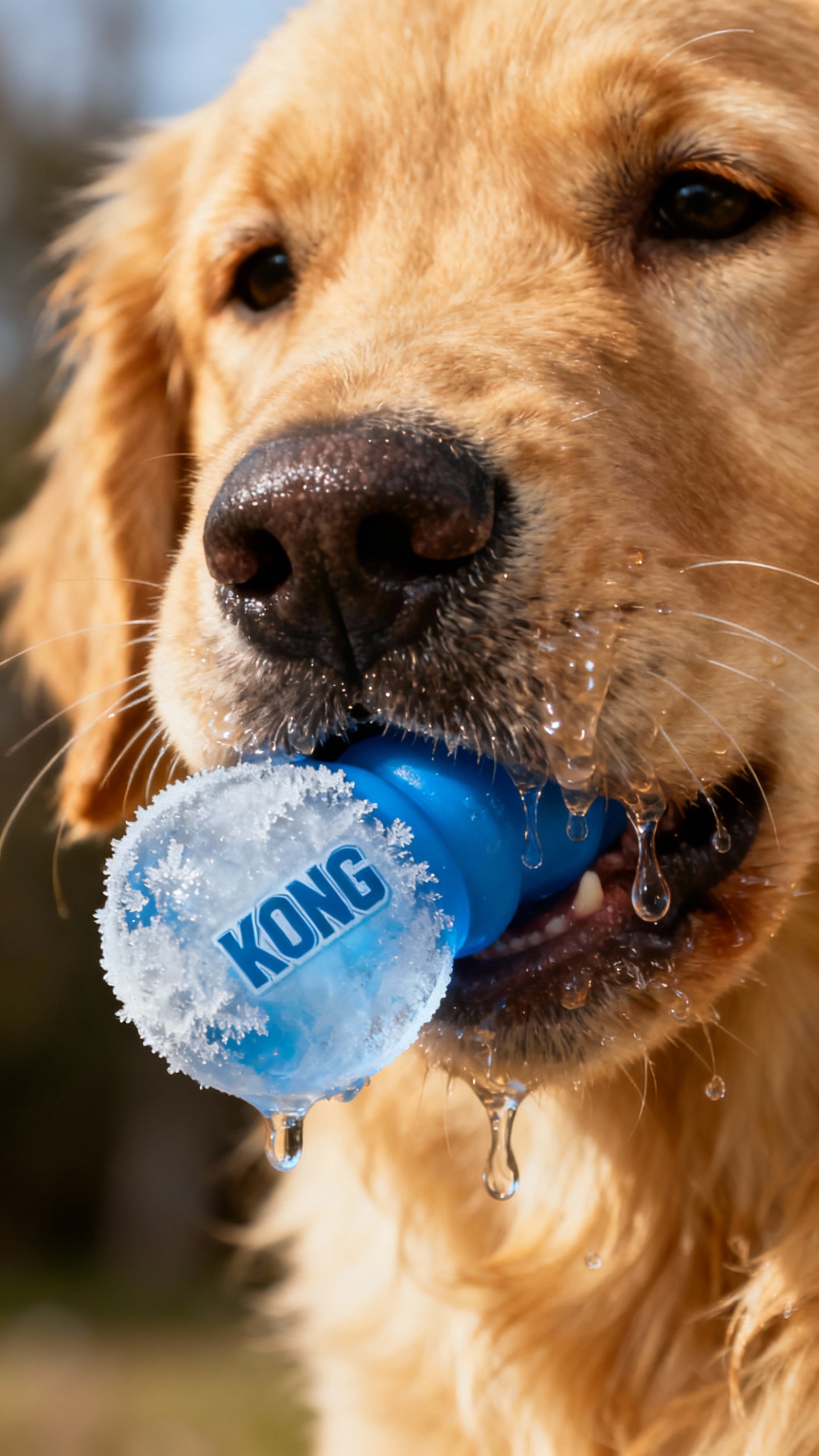
- Rubber toys (like KONG-type): Stuff with wet food or peanut butter and freeze.
Cold + chewing = happy gums.
- Rope toys: Great for gentle tug and for those flossy fibers. Supervise to avoid swallowing strings.
- Soft, durable plush with minimal stuffing: For comfort chewing. Pick heavy-duty stitching.
- Silicone teething toys: Specifically for puppies; softer than adult chews.
Things to Skip
- Antlers or real bones: Too hard.
They can crack puppy teeth.
- Hard nylon chews: Check the “thumbnail dent” rule—if you can’t dent it with your nail, it’s too hard.
- Cooked bones: They splinter. Hard pass.
Use Cold Therapy (Your Pup Will Love You)
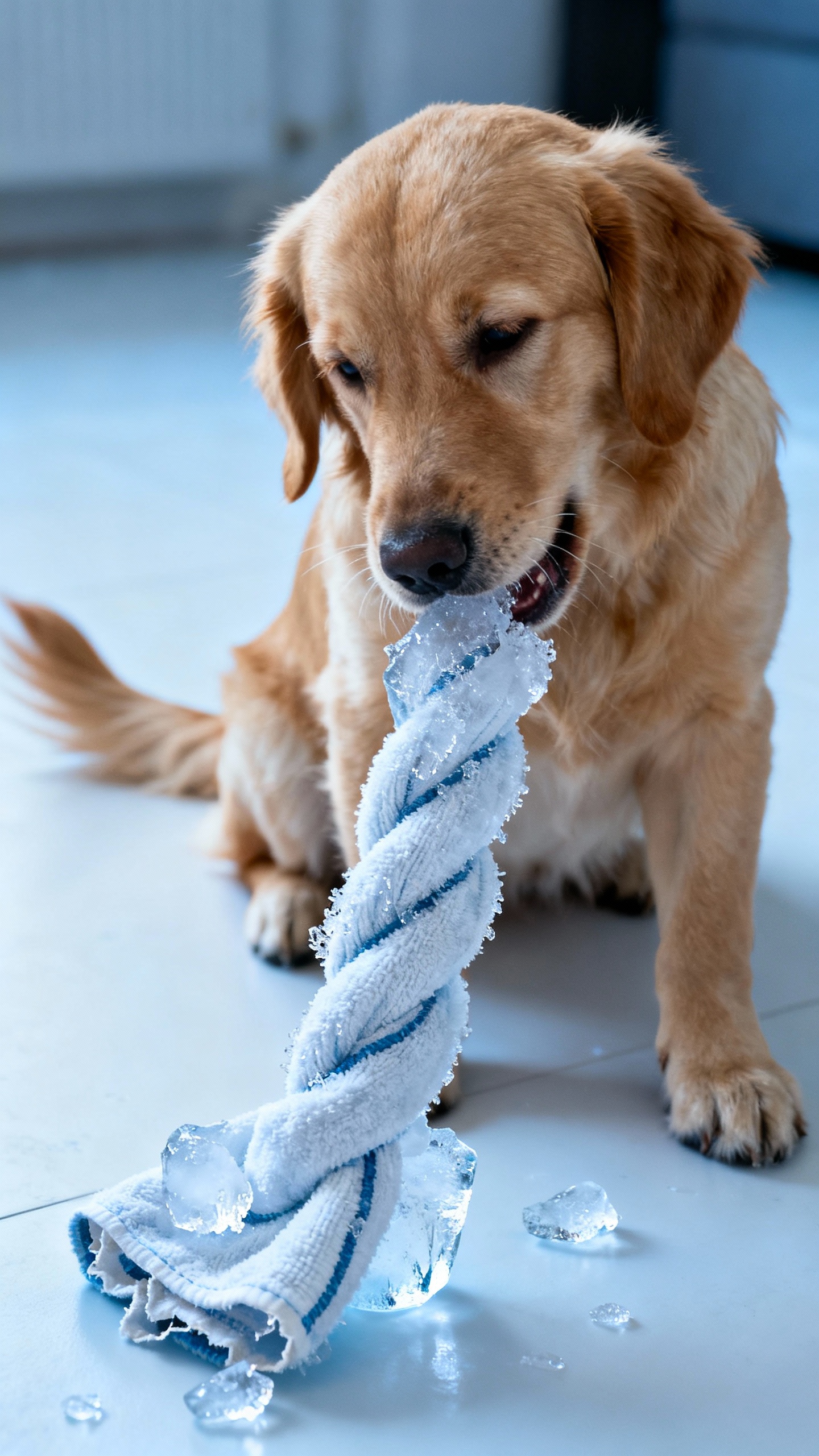
Cold soothes inflammation. You’ve got options, and yes, they’re easy.
- Frozen KONG: Smear with pumpkin or yogurt (plain, no xylitol).
Freeze and serve.
- Frozen washcloth: Wet it, twist it like a rope, freeze, then supervise play.
- Frozen carrot stick: Crunchy, cold, and safe in short sessions. Not for gulpers.
How Often?
Offer a cold chew 2-3 times a day for 10-15 minutes. Rotate with non-frozen toys so you don’t over-chill those gums.
FYI, I keep two frozen washcloths in the freezer—one in action, one on deck.
Protect Your Stuff (and Your Fingers)
Puppies don’t “know better.” You’ll need management, not miracles.
Puppy-Proof Like You Mean It
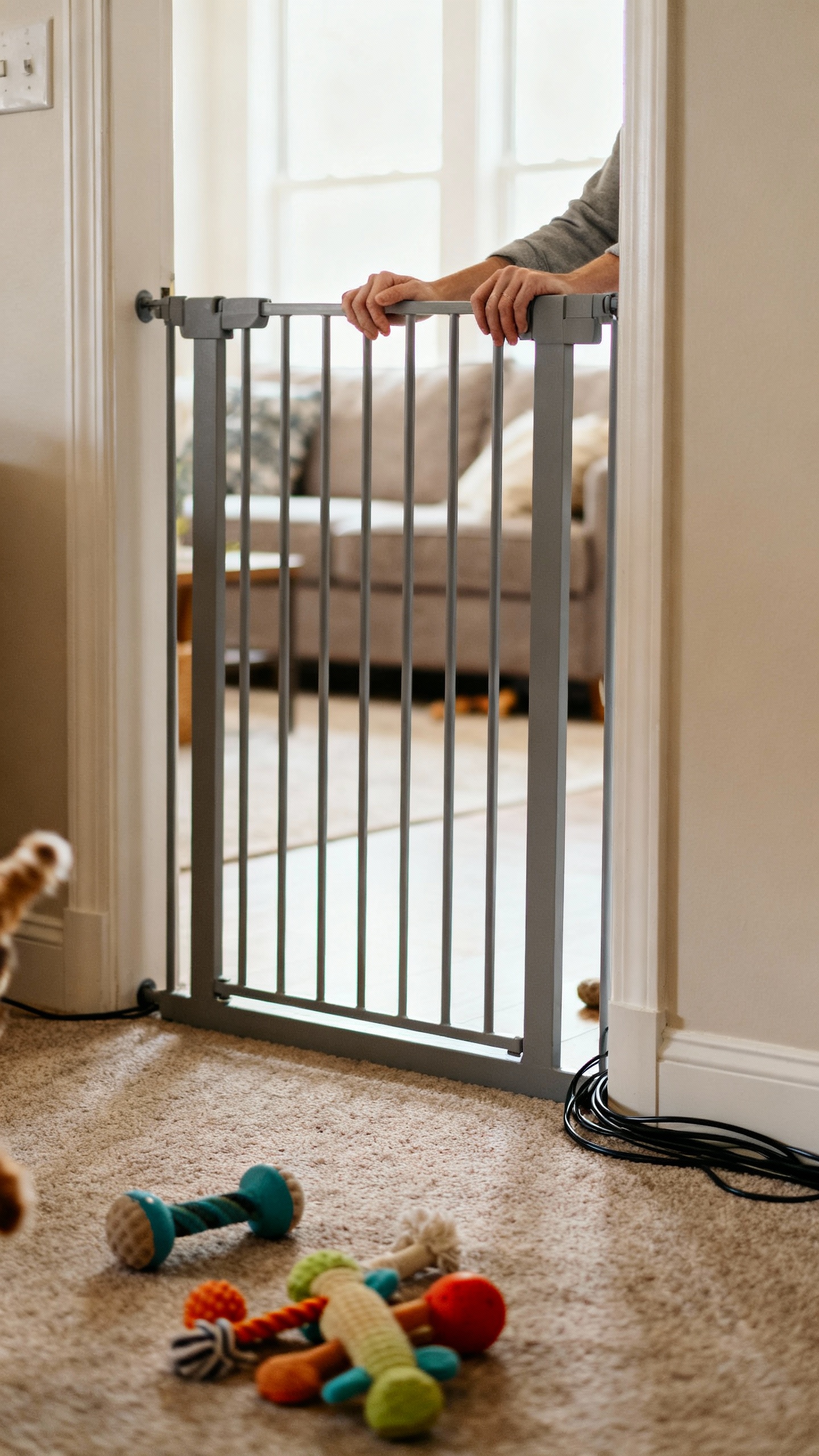
- Use baby gates and pens: Prevent access to furniture when you can’t supervise.
- Hide cables: Cable covers, cord organizers—boring but essential.
- Offer legal alternatives: Keep 2-3 chew toys in every room your pup hangs out in.
When Your Pup Chooses the Wrong Target
- Say a calm “uh-uh” (not a yell).
- Trade for a chew toy. Celebrate when they take it—yes, cheer like they solved world peace.
- Remove the off-limits item or block access. Problem solved, temptation gone.
And for the love of your skin: redirect mouthing to toys, not hands.
If teeth touch skin, freeze for one second, then offer a toy. Consistency wins.
Feed Smart to Support Teething
Sore gums can make crunchy kibble less appealing for a few days here and there. Small tweaks help.
- Soften kibble with warm water or a little unsalted bone broth for 10 minutes.
- Use lick mats with wet food or pumpkin for soothing, low-effort eating.
- Keep balanced nutrition: Don’t switch foods constantly during teething—digestive systems enjoy stability, IMO.
What About Dental Treats?
Puppy-formulated dental chews can help, but check the label for age/size recommendations.
Keep portions modest to avoid tummy upsets. Also, supervise—some pups try to inhale them like it’s a competition.
Exercise and Training: The Secret Sauce
Chewing ramps up when boredom hits. You can outsmart that.
- Short training sessions: 3-5 minutes, 3-5 times a day.
Sit, down, stay, touch. Mental work = tired puppy.
- Sniff games: Scatter kibble in the yard or use a snuffle mat. Nose work drains energy fast.
- Age-appropriate exercise: Golden pups shouldn’t marathon.
Use the “5 minutes per month of age” rule for structured walks.
Tired brain, happy gums. It’s science (and common sense).
Grooming the Mouth: Start Early
You won’t brush perfectly during teething, but you can lay the groundwork.
Easy Toothbrushing Ramp-Up
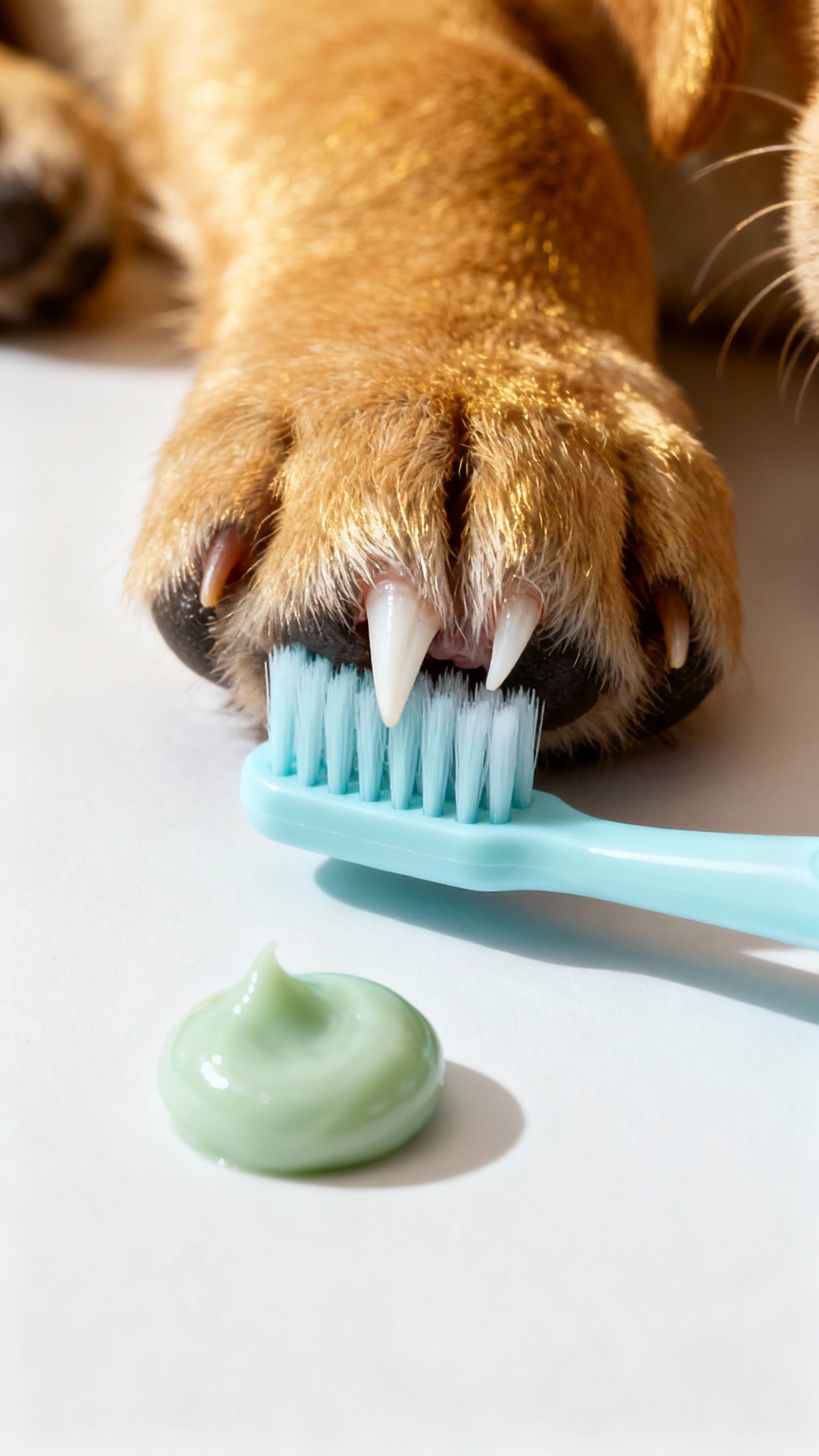
- Finger + puppy toothpaste: Let them lick a pea-sized amount. No human toothpaste—ever.
- Finger rub on gums and teeth: Two seconds, done.
Praise party.
- Introduce a soft brush: One tooth at a time, keep sessions under a minute.
You’ll thank yourself later when you have an adult golden with clean chompers and zero drama. IMO, this is one of the best habits you can build early.
When to Call the Vet
Most teething runs smoothly, but sometimes you need backup.
- Retained baby teeth: If a baby tooth doesn’t fall out while the adult one erupts, your vet may remove it.
- Severe bad breath, pus, or extreme swelling: Infection alert—don’t wait.
- Not eating, lethargy, or fever: That’s beyond normal teething. Get an exam.
Routine puppy checks help your vet catch issues early—especially with larger breeds like goldens.
FAQ
How long does teething last for a golden retriever?
Most goldens finish teething around 6-7 months.
You’ll notice the heaviest chewing from 3-6 months. Some pups calm the chewing habit quickly, others take a bit longer to realize furniture isn’t a snack.
Is it normal to find tiny teeth on the floor?
Yes! You might find a few baby teeth, usually canines or incisors.
Many get swallowed during play or meals and pass without issue. Tiny blood spots on toys can happen too—totally normal.
What’s the safest chew for a teething puppy?
Soft rubber toys you can indent with a thumbnail, plush with sturdy seams, and rope toys for supervised play. Frozen KONGs are MVPs.
Avoid antlers, cooked bones, and rock-hard nylon—those can crack puppy teeth.
Can I use pain medication for teething?
Do not give human meds like ibuprofen or acetaminophen. If your pup seems truly uncomfortable, call your vet. They can advise safe options if needed, but most pups get relief from cold chews and rest.
Why does my puppy chew more at night?
Evening zoomies plus sore gums is a spicy combo.
Try a calm routine: short sniff walk, frozen chew, quiet cuddle, then crate or bed. Consistent rhythm helps settle that night-time restlessness.
Do teething gels work?
Most over-the-counter gels aren’t necessary, and some contain ingredients not ideal for dogs. Stick with cold therapy, appropriate chews, and a chat with your vet if you’re unsure.
Bottom Line
Teething turns your golden retriever into a cute chaos gremlin, but it won’t last forever.
Offer safe chews, use cold therapy, puppy-proof your space, and keep their brain busy. You’ll protect your stuff, help those gums, and build habits that last well past the teething phase. And yes—you’ll get your shoelaces back.
Eventually.
Leave a Reply