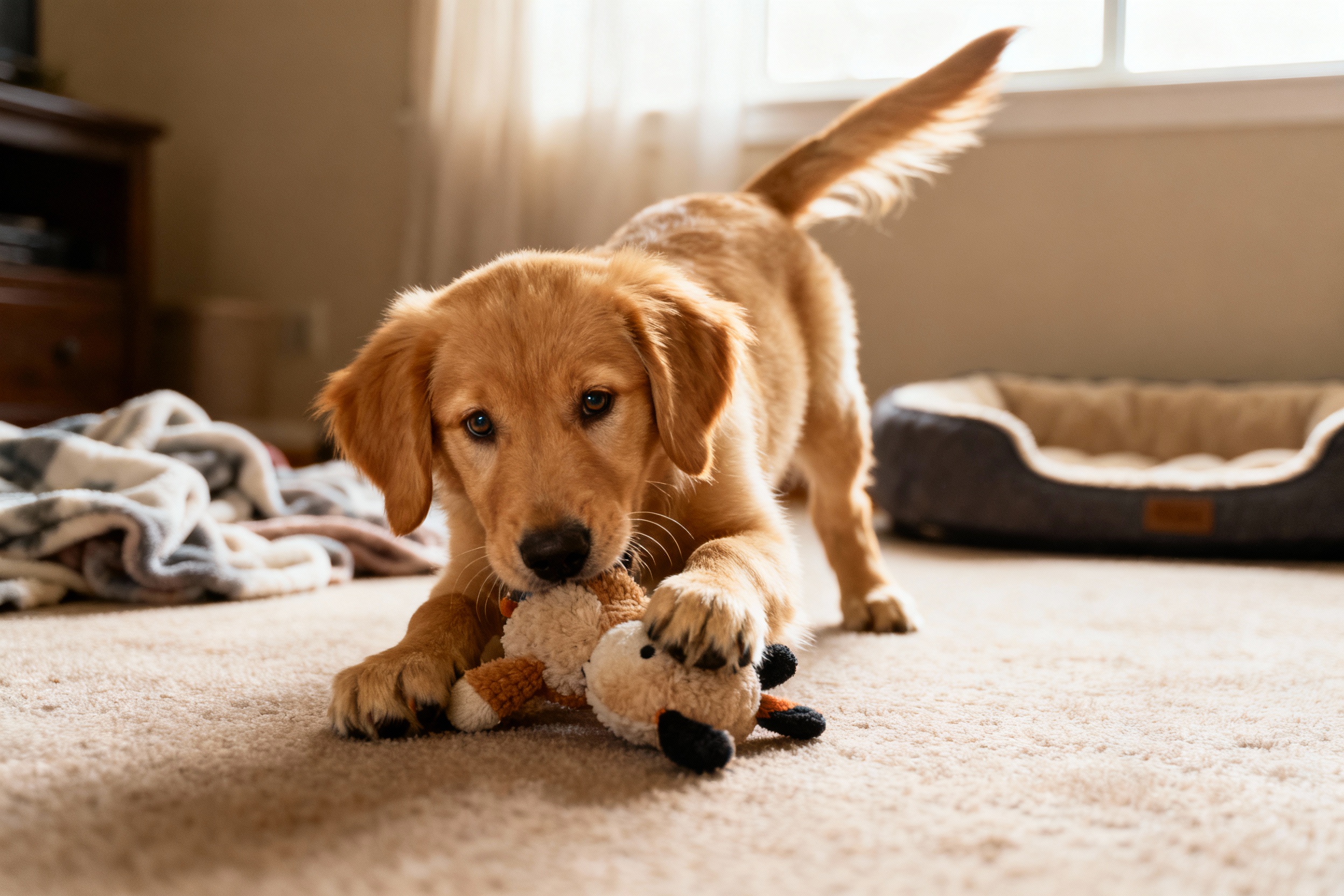
Puppy teeth are tiny needles with fur attached. Golden Retriever puppies mean well, but those playful chompers can turn your hands into chew toys fast. The good news?
You can teach bite control quickly with the right plan. Let’s turn your adorable land-shark into a gentle, polite floof.
Why Golden Retriever Puppies Bite (And Why It’s Normal)

Puppies explore the world with their mouths. Goldens also bring a double whammy: high sociability and high play-drive.
That combo means lots of mouthing during play and cuddles. Teething makes it worse. Their gums hurt, and chewing helps.
Add excitement, overstimulation, or boredom, and you get nibble city. The goal isn’t zero biting immediately; it’s teaching soft mouths and redirecting that energy.
Start With Bite Inhibition: Teach “Gentle” First
Before you stop all biting, teach your puppy how to control bite pressure. This prevents accidental hard bites later when they’re big and excited.
The “Ouch, Pause, Reset” Method
– When your puppy bites with noticeable pressure, say “Ouch!” in a calm, surprised tone.
Don’t shriek. – Freeze for 2-3 seconds. Withdraw attention. No eye contact, no talking. – If the puppy disengages, calmly resume play with a toy. – If they bite hard again, end the interaction briefly.
Step away for 20-30 seconds. Repeat consistently. You’re teaching, “Hard bites turn off the fun.
Soft mouths keep the party going.” IMO, this is the single most valuable skill you can give a retriever.
Set a Softness Standard
Over a week or two, get pickier: – Week 1: Only pause for hard bites. – Week 2: Pause for medium bites too. – Week 3: Only accept gentle mouthing or licking. By tapering what you allow, you guide them toward gentle and then no teeth on skin.
Redirection: Put Teeth On The Right Things
You can’t just say “no.” You need a “yes.” Give your puppy something appropriate every time their mouth wanders.
Build a Bite Buffet
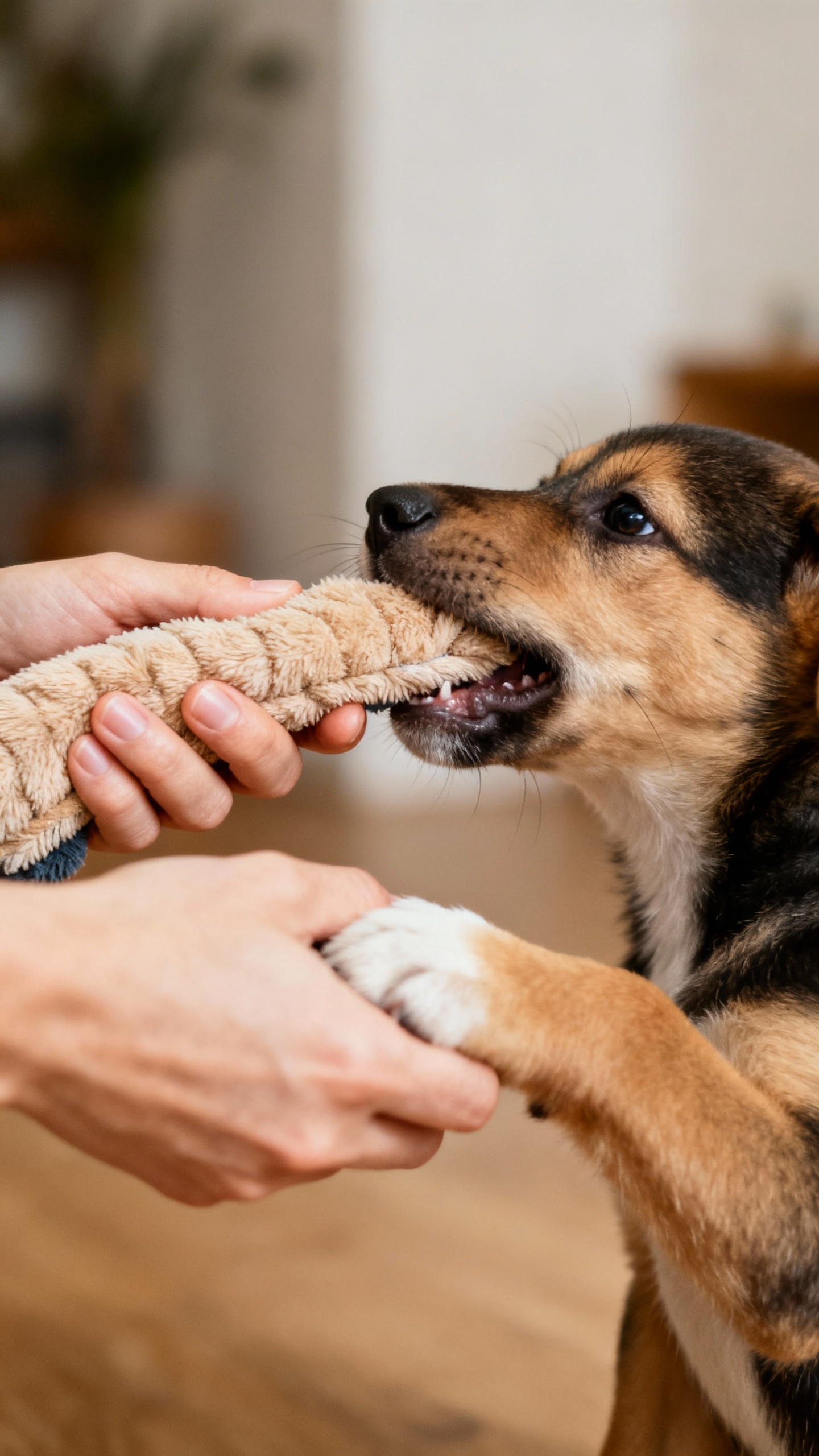
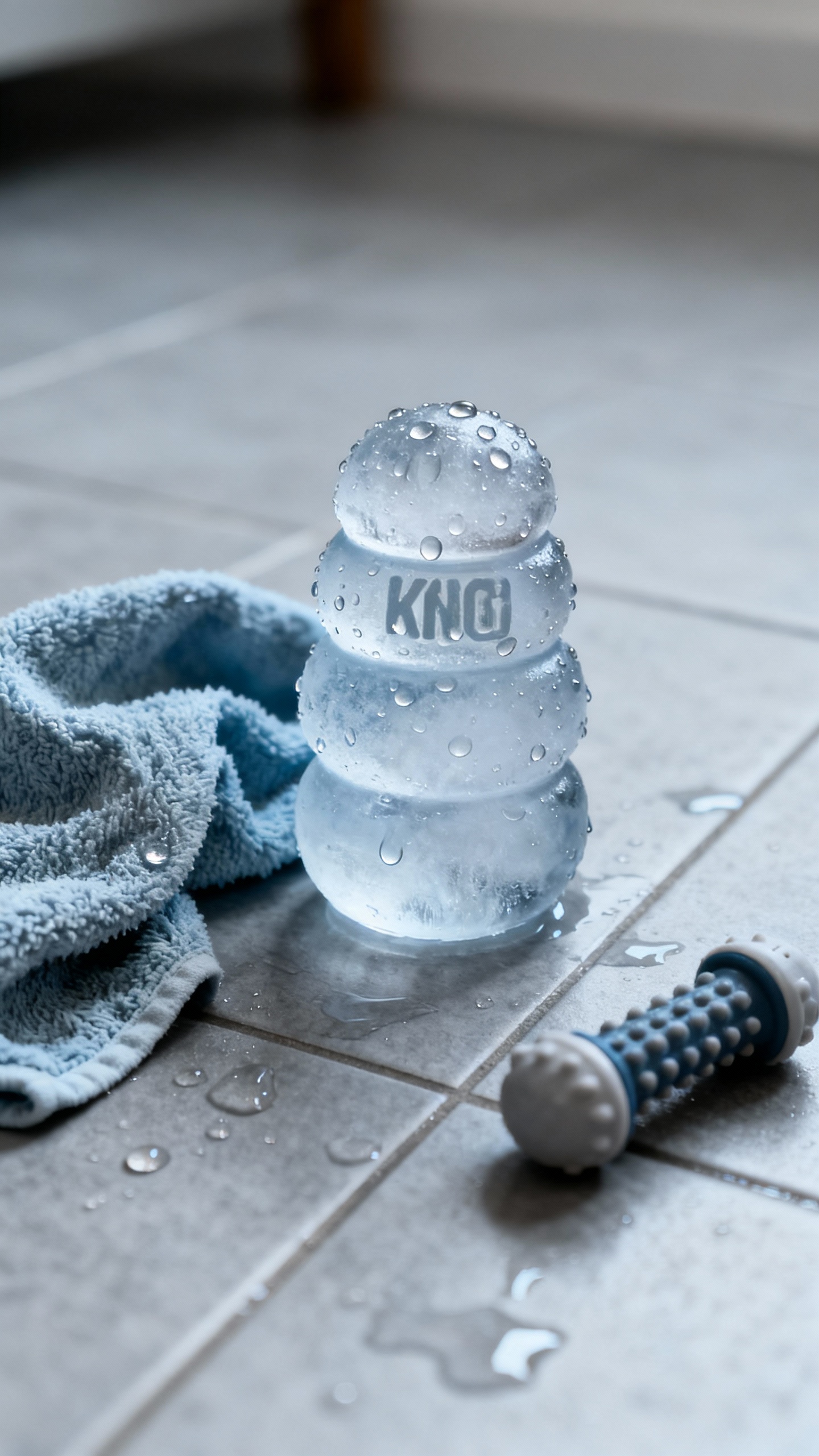
Stock a variety of textures: – Soft plush toys for comfort – Rope toys for tug – Rubber chews (e.g., Kongs) – Frozen teething toys or damp washcloths (great for sore gums) – Long tug toys to keep teeth off hands When they go for your fingers, calmly offer a toy and wiggle it to make it interesting. Praise the second their mouth lands on the toy. Reward what you want more of.
Add Simple Rules: “Toys = Yes, Skin = No”
– If teeth touch skin, the game stops. – If teeth land on a toy, the game continues. – If puppy gets too wild, swap to a calmer toy (like a stuffed Kong) and give them a short break.
I know, it’s simple. That’s the point. Consistency beats complexity every time.
Meet Their Needs: Tired Puppy = Softer Mouth
A bored, under-exercised Golden = velociraptor.
Prevent problem biting by giving them outlets before they go gremlin mode.
Daily Routine That Helps Biting
– Physical exercise: 2-3 short play sessions (fetch on soft ground, tug, short sniffy walks). Avoid forced running while joints develop. – Mental work: 10-15 minutes of training (sit, down, touch, settle) sprinkled through the day. – Enrichment: Food puzzles, sniff mats, frozen stuffed Kongs. – Scheduled naps: Yes, like a toddler. Over-tired puppies bite more.
Plan quiet time after meals and play. FYI: Ten minutes of training can tire them out as much as a long walk. Brain work for the win.
Hands Are Not Toys: Handle Smartly
We accidentally teach puppies that fingers are chewable when we play with our hands. Time to rebrand your fingers as boring.
Do
– Use long toys for tug so your hands stay away from teeth. – Pet calmly when the puppy is calm, not during zoomies. – Pair handling with treats: touch ear, treat; touch paw, treat.
That builds positive associations with hands.
Don’t
– Wiggle fingers in their face. – Play wrestle without a toy buffer. – Pull hands away fast when they mouth—this triggers chase. Freeze, then swap to a toy.
Train A Solid “Leave It” And “Drop”
Impulse control saves your sleeves. Goldens are smart and food-motivated, so use it.
Quick “Leave It”
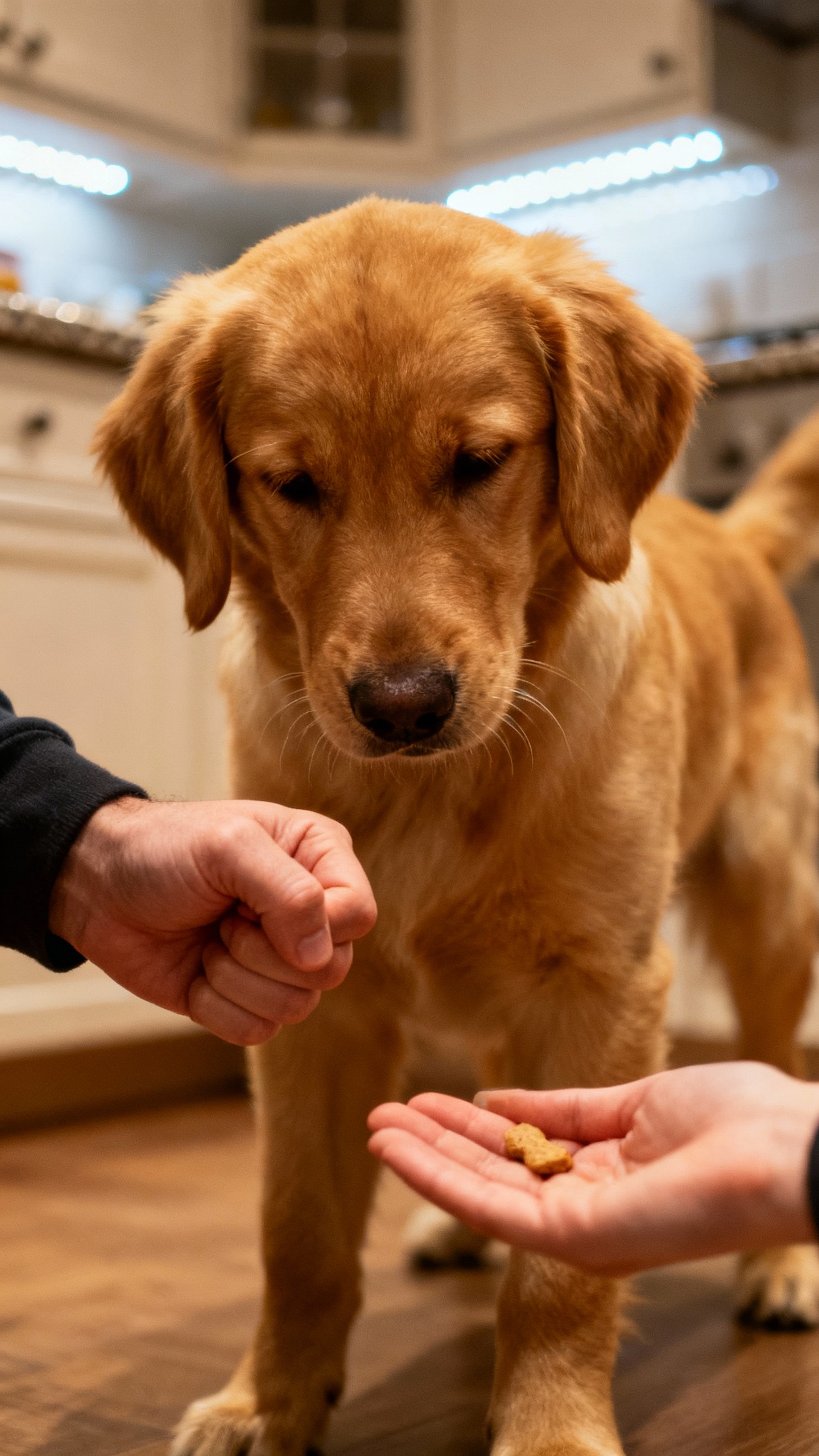
– Close a treat in your fist.
Pup sniffs/licks/gnaws—do nothing. – The second they back off or look away, mark “Yes!” and reward from your other hand. – Add the cue “Leave it.” – Practice with toys and low-value items, then level up.
Quick “Drop”
– Offer a low-value toy. Say “Drop” as you present a treat to their nose. – When they spit the toy, mark and pay. – Give the toy back sometimes so they don’t guard. – Gradually remove the treat lure and reward after the drop. These cues help you intercept biting and redirect them to better choices.
Manage The Environment: Set Them Up To Win
Puppies make better choices when the environment nudges them in the right direction.
Fancy trainer term: management.
Practical Management Tips
– Use a playpen or gated area for zoomie times. If they bite a lot, give a 1-2 minute “calm break” in their safe space with a chew. – Keep chew toys in every room so you can redirect fast. – Leash indoors during high-energy periods to prevent tackle-bites on ankles. – Teach a “place” or “mat” cue with treats for settling when guests arrive. Important: A calm break is not a punishment. You’re helping them reset their brain so they can succeed.
Common Mistakes That Make Biting Worse
– Yelling or alpha-rolling: scares your puppy and increases defensive biting.
Hard pass. – Inconsistent rules: Tuesday biting is “cute,” Wednesday biting is “bad”? Confusing. – Rough play before naps: you’re lighting the fuse. Calm them first, then nap. – Lack of outlets: no chew options + bored puppy = your ankles are doomed.
IMO, keep it consistent and kind. You’ll get better results faster.
When Should You Worry?
Normal puppy biting looks playful, brief, and redirectable. If you see stiff body language, growling when you approach food or toys, or escalating intensity that doesn’t respond to training, consult a qualified trainer or veterinary behaviorist.
Pain can also increase biting—teething discomfort is normal, but severe sensitivity warrants a vet check.
FAQ
How long does the biting phase last?
Most Golden puppies improve noticeably by 5-6 months with consistent training. Teething ends around 6-7 months. You’ll see spikes during growth spurts and when they’re overtired.
Stay steady—progress isn’t always linear.
Is it okay to yelp like another puppy?
Sometimes a soft “ouch” helps, but loud yelps can excite or scare some pups. Use a calm “Ouch,” then freeze and end play briefly. That clarity works better than drama.
What chew toys are safest for teething?
Choose soft to medium rubber, plush with supervision, and edible chews that you can dent with a fingernail.
Avoid real bones, antlers, or super-hard nylon that can crack puppy teeth. Rotate toys to keep them novel.
My puppy targets ankles and pant legs—help!
Preempt it. Clip a toy to your waistband and start walking with the toy dragging.
Reward when they chase the toy, not you. If they latch onto clothing, stop moving, wait for release, and redirect. Shoes with laces are basically Disneyland, so add indoor leashing during peak gremlin hour.
Should I use bitter sprays?
Bitter sprays can protect furniture short-term, but they don’t teach bite inhibition.
Use them as a management tool while you train redirection and gentle mouths. Always test on a small area first.
What if my kids get the worst of it?
Set firm rules: no running or squealing around the puppy, always play with a toy buffer, and end interactions at the first sign of escalating mouthing. Supervise closely or separate with gates.
Kids and puppies need structure to keep it safe and fun.
Conclusion
You’re not raising a shark—you’re raising a retriever who needs guidance. Teach bite inhibition, redirect relentlessly, meet their exercise and nap needs, and manage the environment. Stay consistent and keep your sense of humor.
With a few weeks of smart practice, those needle teeth will become a gentle, happy mouth—just in time for the next phase of puppy chaos. FYI, it’s worth it.
Leave a Reply