
You brought home a Frenchie puppy, and now those big eyes are asking, “Snack time?” every 12 minutes. Cute, yes. Metabolism of a hummingbird?
Also yes. Getting feeding right now sets the stage for a healthy adult French Bulldog who isn’t, well, a meatball with legs. Let’s talk exactly how much to feed, how often, and what to watch for—without overcomplicating it.
How Much Should a French Bulldog Puppy Eat?
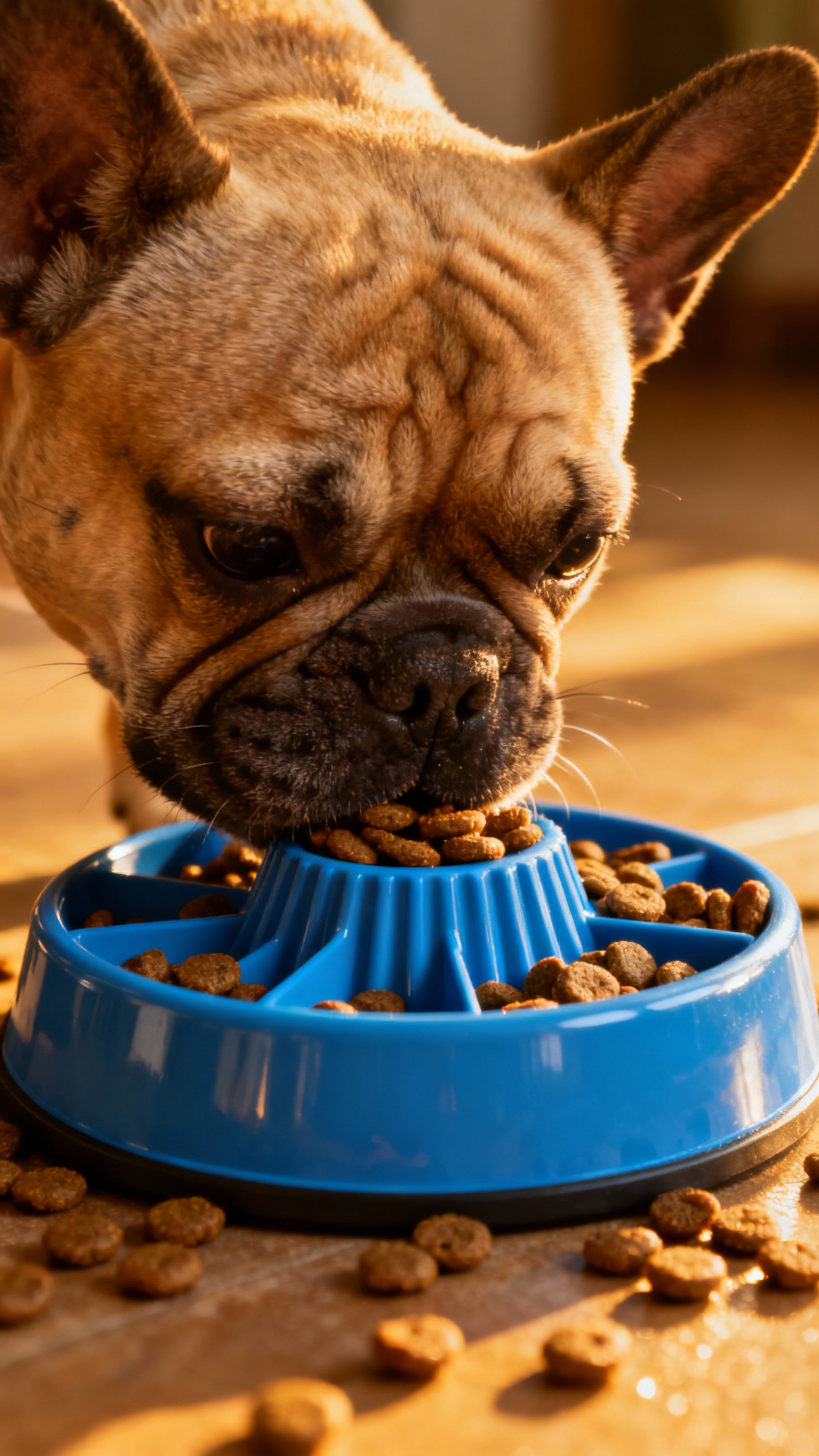
Frenchie puppies need more calories per pound than adults because they grow fast and burn fuel like tiny athletes.
But they also gain weight easily. Balance is everything. General daily amounts (kibble, total per day):
- 8–12 weeks: 1 to 1.5 cups
- 3–4 months: 1.25 to 1.75 cups
- 5–6 months: 1.5 to 2 cups
- 7–12 months: 1.75 to 2.5 cups (transitioning toward adult needs)
That’s a range because brands vary in calories. Always check your food’s kcal per cup. Aim for roughly 45–55 calories per pound of body weight per day until about 6 months, then taper.
Quick Example
If your 10 lb Frenchie puppy needs ~500 calories/day and your food has 380 kcal/cup, that’s about 1.3 cups/day.
Split it into meals (details below), and boom—schedule set.
Feeding Frequency: How Many Meals?
Frenchies love routine almost as much as they love snacks. Spacing meals keeps their blood sugar steady and avoids tummy drama.
- 8–12 weeks: 4 meals/day
- 3–6 months: 3 meals/day
- 6–12 months: 2–3 meals/day (most settle at 2)
Spread meals evenly. If your pup wolfs food, use a slow-feeder bowl.
Your carpet will thank you.
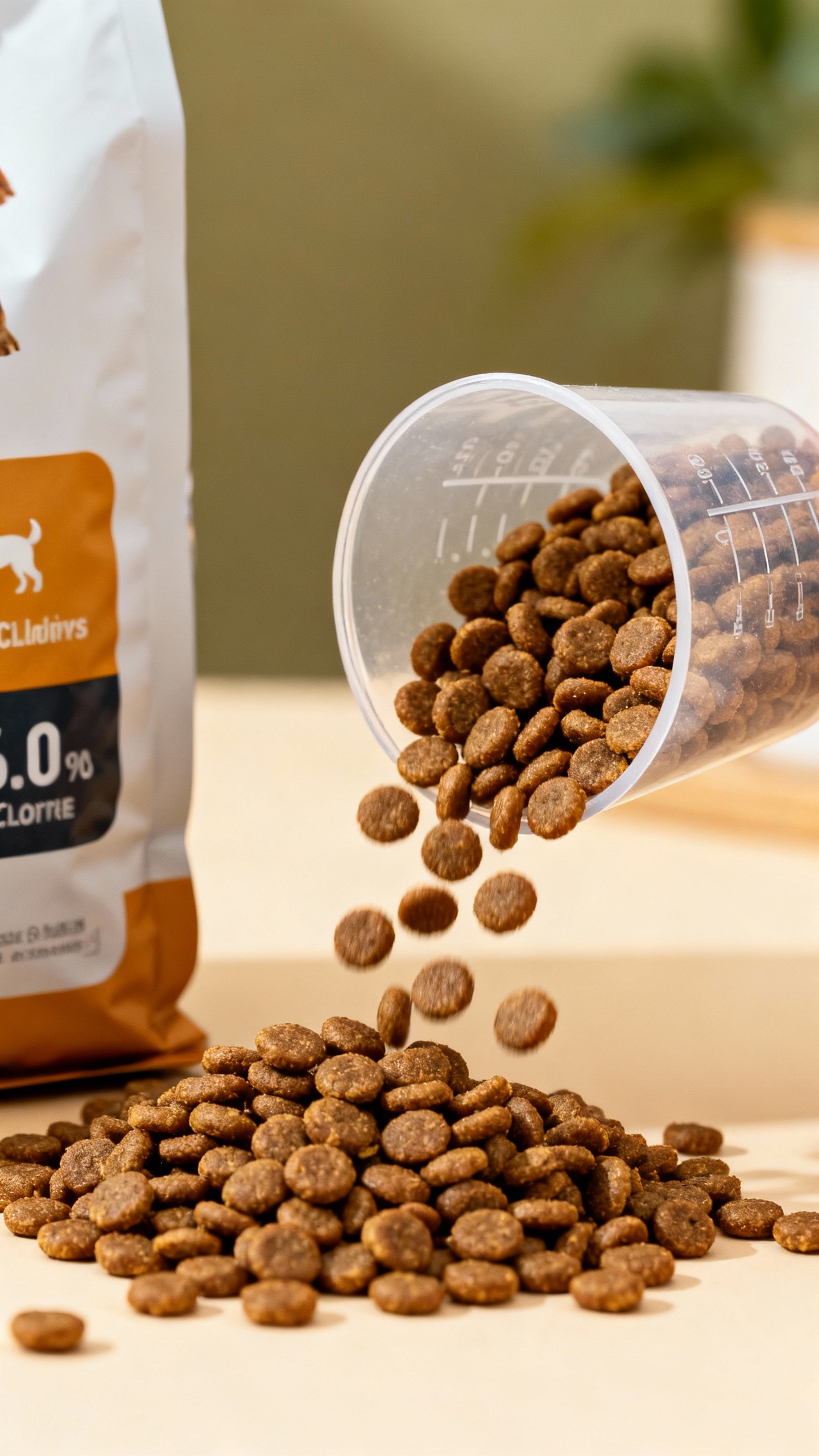
Choosing the Right Food (and Why It Matters)
Frenchie puppies do best on puppy-specific formulas because they need the right protein, fat, and micronutrient balance for growth. Look for:
- Protein: 22–28% (dry matter)
- Fat: 12–18% (dry matter)
- DHA/ARA: for brain and eye development
- Calcium:Phosphorus ratio: ~1.2–1.4:1
You don’t need a special “small breed puppy” label, but it helps because kibble size fits their squat little jaws. If you prefer fresh or raw diets, great—just ensure the recipe is formulated for growth.
IMO, a board-certified vet nutritionist plan is worth it if you go that route.
Common Sensitivities
Frenchies can get gassy (shocker), and some react to chicken, beef, or wheat. If you see itchiness, ear gunk, or constant farts that could clear a room, ask your vet about a trial with a novel protein or limited-ingredient diet.
How to Adjust Portions Without Guesswork
Feeding charts on the bag give a starting point. Your puppy tells you the rest with their body condition. Use the 3-step check:
- Ribs: You should feel ribs easily with a light fat cover, not see them.
- Waist: Visible from above—Frenchies should not look like a loaf.
- Tummy tuck: Slight upward slope from ribcage to hips from the side.
If your puppy looks chunky: Reduce daily food by 10–15% for 2 weeks. If your puppy looks lean or acts ravenous: Increase by 10% and reassess.
Weigh-Ins = Your Secret Weapon
Weigh weekly.
Healthy growth looks like:
- Steady gain each week (not huge jumps)
- Target adult weight for Frenchies: ~18–28 lbs (females often on the lower end)
FYI, genetics rule. Don’t chase charts if your pup has a smaller frame.

Treats, Training Snacks, and Chews
Training matters now, so treats happen. Keep it strategic.
- Cap treats at 10% of daily calories.
- Use kibble as training treats to keep calories predictable.
- Pick soft, tiny treats you can break apart—your puppy doesn’t need half a meatball to sit.
- Avoid high-fat chews that can trigger tummy upsets or pancreatitis.
IMO, freeze-dried single-ingredient treats (like salmon or turkey) work great and don’t leave your pockets smelling like a deli.
Water, Supplements, and Extras
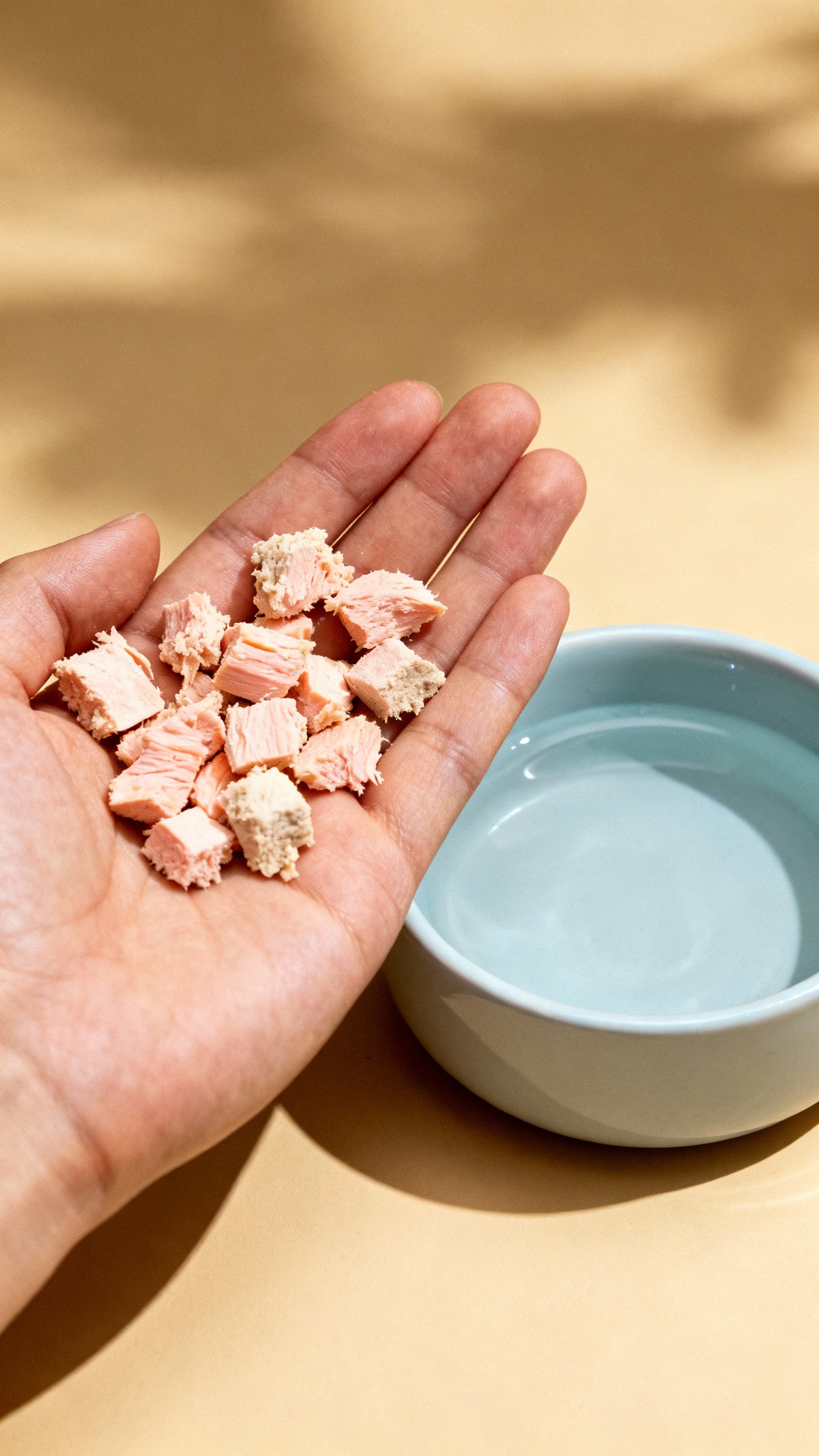
Keep fresh water available all day.
Frenchies can overheat quickly, so hydration matters. Supplements? Only if needed.
- Fish oil (DHA/EPA): Nice for skin, brain, and joints.
Use puppy-safe dosing.
- Probiotics: Helpful during transitions or after antibiotics.
- Avoid calcium supplements: Puppy foods already balance it; extra can cause skeletal issues.
Foods to Avoid
No cooked bones, onions, garlic, grapes/raisins, xylitol, or high-fat table scraps. Also skip rawhide—choking and digestion risks aren’t worth it.
Sample Daily Schedule
Here’s a simple plan for a 12-week-old puppy eating 1.25 cups/day:
- 7:00 AM – 1/3 cup
- 12:00 PM – 1/3 cup
- 5:00 PM – 1/3 cup
- 8:30 PM – 1/4 cup (light late meal to avoid 3 AM hunger zoomies)
As your pup ages, drop the last meal first, then shift to three meals, then two. Transition changes over a week to avoid upset tummies.
Red Flags and When to Call Your Vet
Frenchie puppies can be dramatic, but some signs mean business:
- Vomiting/diarrhea lasting more than 24 hours
- Refusing food for more than one meal
- Rapid weight gain or constant lethargy
- Labored breathing after meals (watch portion size and pace)
Your vet can rule out parasites, allergies, or sensitivities and help you fine-tune calories.
FAQ
How much should my 8-week-old French Bulldog puppy eat per day?
Most 8-week Frenchies eat around 1 to 1.25 cups of puppy kibble per day, split into four meals.
Always confirm with the calories on your specific brand and adjust by body condition.
Can I free-feed my Frenchie puppy?
I wouldn’t. Free-feeding often leads to overeating and weight gain, especially with Frenchies. Scheduled meals help with training, potty routines, and digestion.
When do I switch to adult food?
Switch around 10–12 months, once growth slows.
Transition gradually over 7–10 days: 25% new/75% old, then 50/50, and so on. If your pup is still lean and lanky at 10 months, staying on puppy food a bit longer is fine—ask your vet.
What if my Frenchie puppy won’t eat?
Try warming the food slightly, adding a spoon of warm water, or using a different protein flavor. If appetite dips for more than a day, or you see vomiting/diarrhea, call your vet—small puppies can dehydrate quickly.
Are grain-free diets okay for Frenchie puppies?
Grain-free isn’t automatically better.
Some dogs do fine on it; others don’t. With the DCM (heart disease) questions around certain grain-free formulas, I’d choose a reputable brand that meets AAFCO growth standards and has nutritionists on staff. If grain-free works best, pick one with robust testing and discuss with your vet.
How many calories does a French Bulldog puppy need?
As a ballpark, 45–55 calories per pound of body weight per day works for many pups up to six months.
After that, taper to 35–45 as growth slows. Always adjust based on how your puppy looks and behaves.
Bottom Line
Feed your Frenchie puppy the right amount for their size, split it into several meals, and keep an eye on that waistline. Use the calories on your food bag, not just the scoop, and tweak portions by 10% based on weekly weigh-ins and body shape.
Keep treats modest, water flowing, and food transitions slow. Do that, and you’ll raise a happy, healthy Frenchie who begs politely and doesn’t waddle—IMO, the dream combo.
Leave a Reply