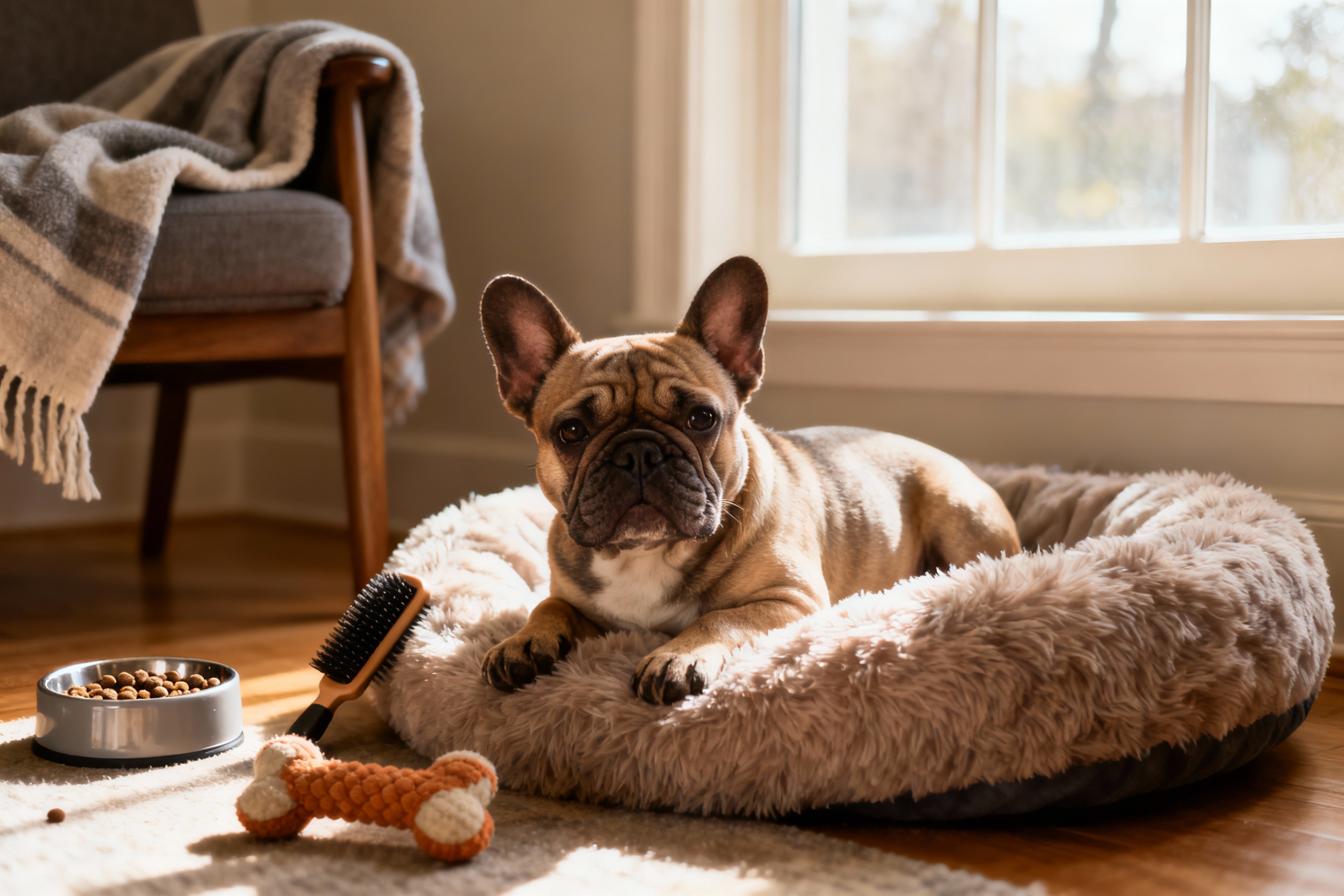
You brought home a French Bulldog puppy, didn’t you? Congrats—you now live with a bat-eared gremlin who snores like a grown man and demands cuddles like it’s their job. Good news: they’re ridiculously lovable.
Even better news: with the right care, they’ll stay healthy, happy, and adorably weird. Let’s get you set up for success from day one.
Set Up Their Home Base
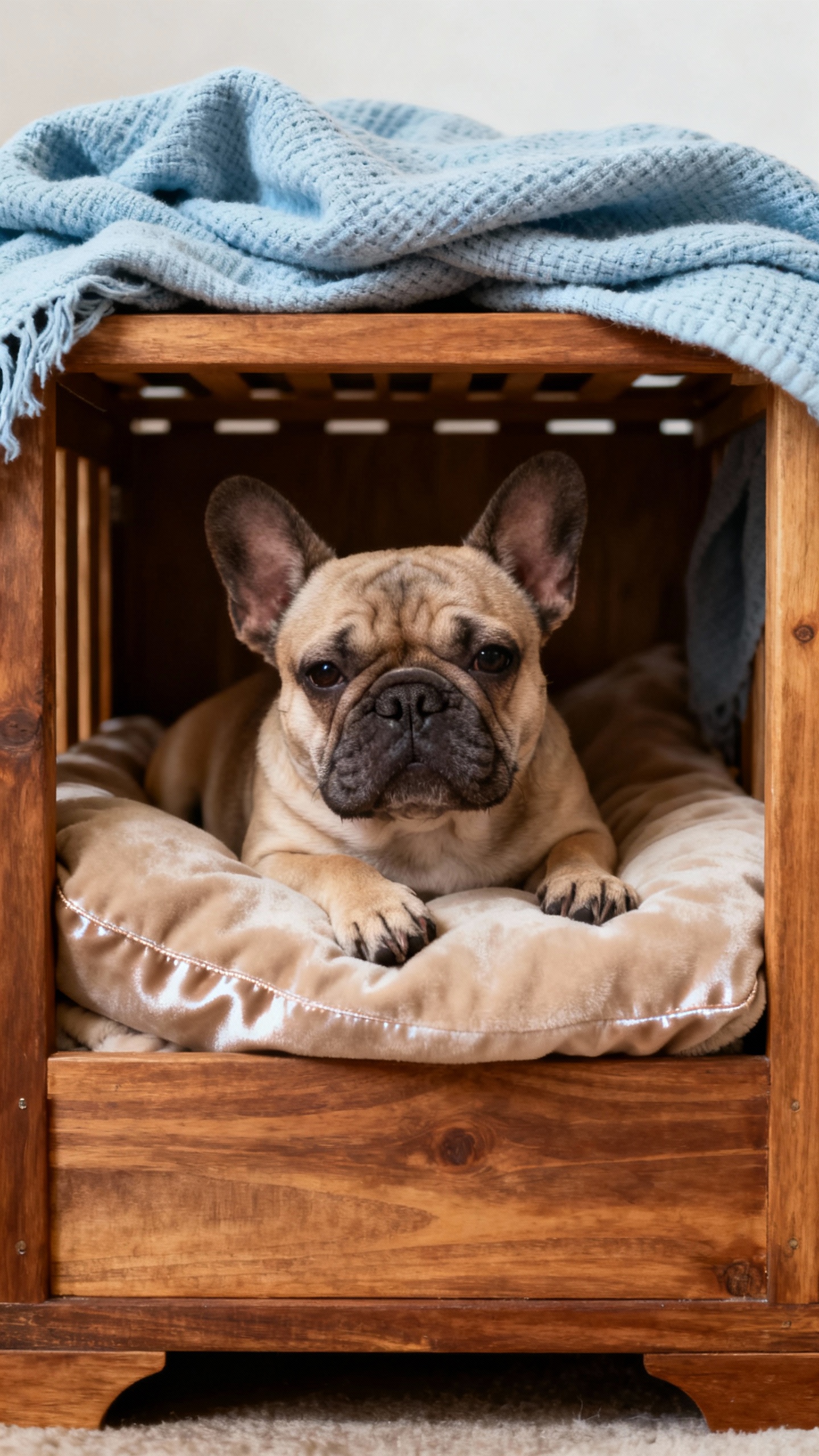
Your Frenchie needs a cozy, predictable spot to unwind. Think crate or playpen with soft bedding, a couple chew toys, and water nearby.
Keep it in a low-traffic area so your pup can actually nap (they need a lot of sleep, like 18–20 hours at first). Crate training helps with potty training and keeps your puppy safe when you can’t supervise. Choose a crate just big enough for standing, turning, and stretching—not a studio apartment. Add a blanket over the top to make it den-like and calming.
Must-Haves for Day One
- Adjustable harness (avoid collars for walks—Frenchie necks are delicate)
- Lightweight leash
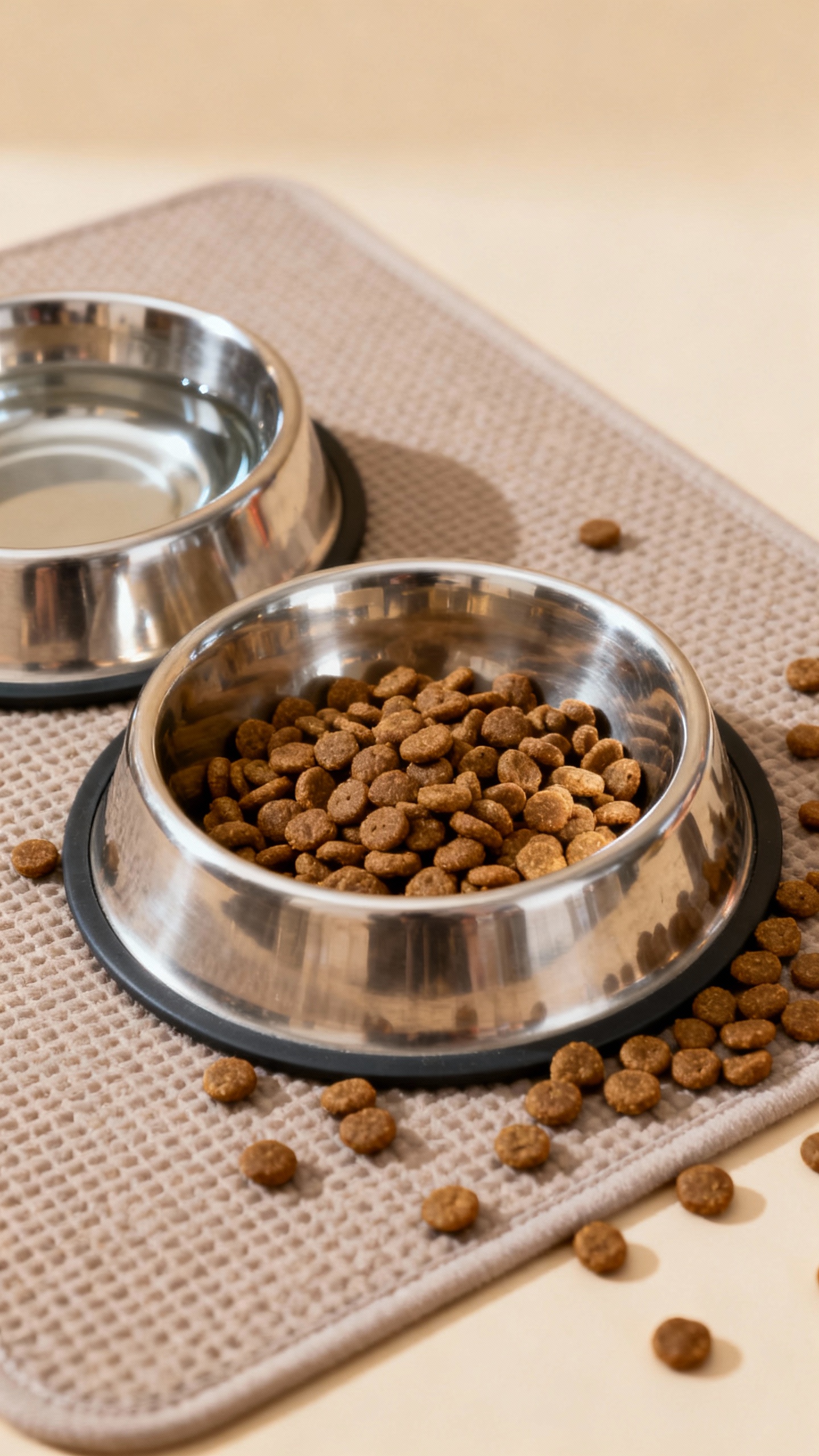
- Stainless steel food and water bowls
- High-quality puppy food (ask your vet for protein/fat targets)
- Enzyme cleaner for accidents
- Teething-friendly chew toys (rubber or nylon; avoid hard bones)
Feeding Your Frenchie (Without the Gas Festival)
French Bulldogs have sensitive stomachs.
Start by feeding the same food the breeder used for at least a week. If you switch, do it slowly over 7–10 days. Split meals into 3 smaller portions a day to avoid tummy trouble. Pick a food that lists meat as the first ingredient and has DHA for brain development.
Avoid trendy fillers and overly rich diets—you’re raising a puppy, not a bodybuilder.
Treats and Training Snacks
Keep treats tiny and low-calorie. You’ll use a lot of them for training, so they add up fast. Try plain boiled chicken or small, soft training treats.
And watch out for allergies—Frenchies can be drama queens about chicken or grains. If you see itching, ear gunk, or hot spots, chat with your vet.
Potty Training and Routine (Your Sanity Saver)
Frenchies thrive on routine. Take your puppy outside:
- First thing in the morning
- After eating and drinking
- After naps and play
- Before bedtime
Use a consistent spot and a cue like “go potty.” Celebrate the moment they go—treat within 2 seconds like you’re handing out Oscars. Expect accidents.
Don’t scold. Clean with enzyme cleaner and keep moving. If you want faster results, leash your puppy to you indoors so you catch sniffing/circling before the deed.
Training Basics: Raise a Polite Clown
French Bulldogs are smart, stubborn, and very food-motivated.
Perfect combo for training if you keep it short and fun.
Focus on These First
- Name recognition: Say their name, reward when they look at you.
- Come: Start indoors. Reward BIG.
- Sit: Use for everything—meals, doorways, meeting new people.
- Crate time: Feed meals in the crate so it feels safe and positive.
Keep sessions 3–5 minutes, a few times a day. End on a win.
FYI, Frenchies can get bored fast—switch between games, food, and praise. And socialization? Huge.
Gently expose your pup to new surfaces, sounds, people, and dogs during their socialization window (roughly 8–16 weeks). Choose calm, vaccinated dogs only.
Exercise: Yes, But Easy
Frenchies don’t do marathons. They overheat easily because of their smushy faces.
Keep exercise short and sweet:
- 5–10 minutes of play, several times a day for young puppies
- Short walks in cool weather only
- Indoor play on hot or humid days
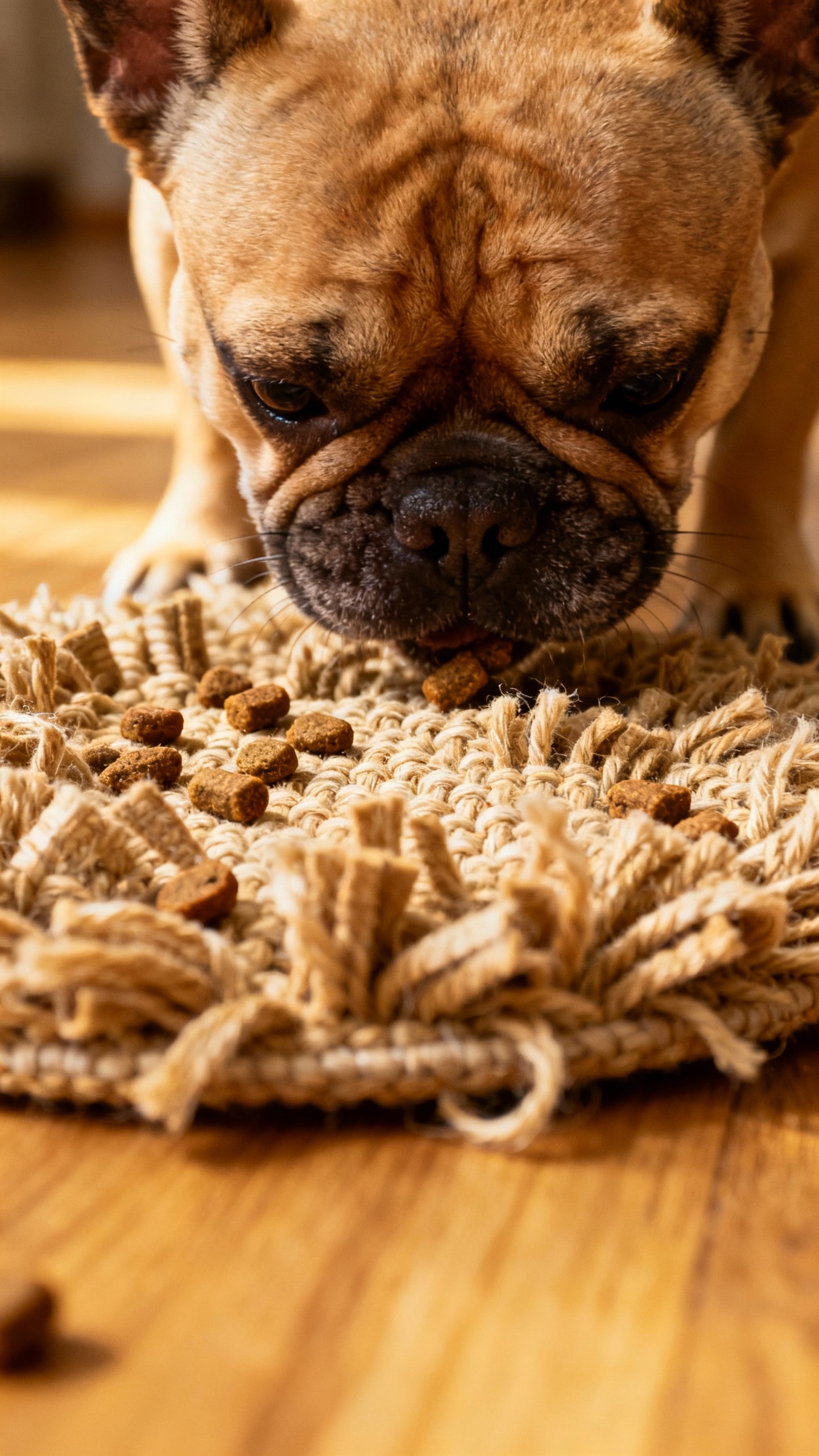
Never push a Frenchie in heat or direct sun. If your pup pants hard, drools, or slows down, stop immediately and get them cool water and shade. IMO, a snuffle mat and puzzle feeders are the MVPs for tiring out that clever little brain.
Joint Safety
Frenchie joints are… fragile.
Avoid stairs, jumping off furniture, or slippery floors. Use ramps, runners, or rugs. Their hips and knees will thank you later.
Grooming: Low Maintenance, Not No Maintenance
Short coat doesn’t mean zero effort.
You’ll still need a routine—promise it’s easy.
- Brushing: 2–3 times a week with a rubber curry brush to reduce shedding.
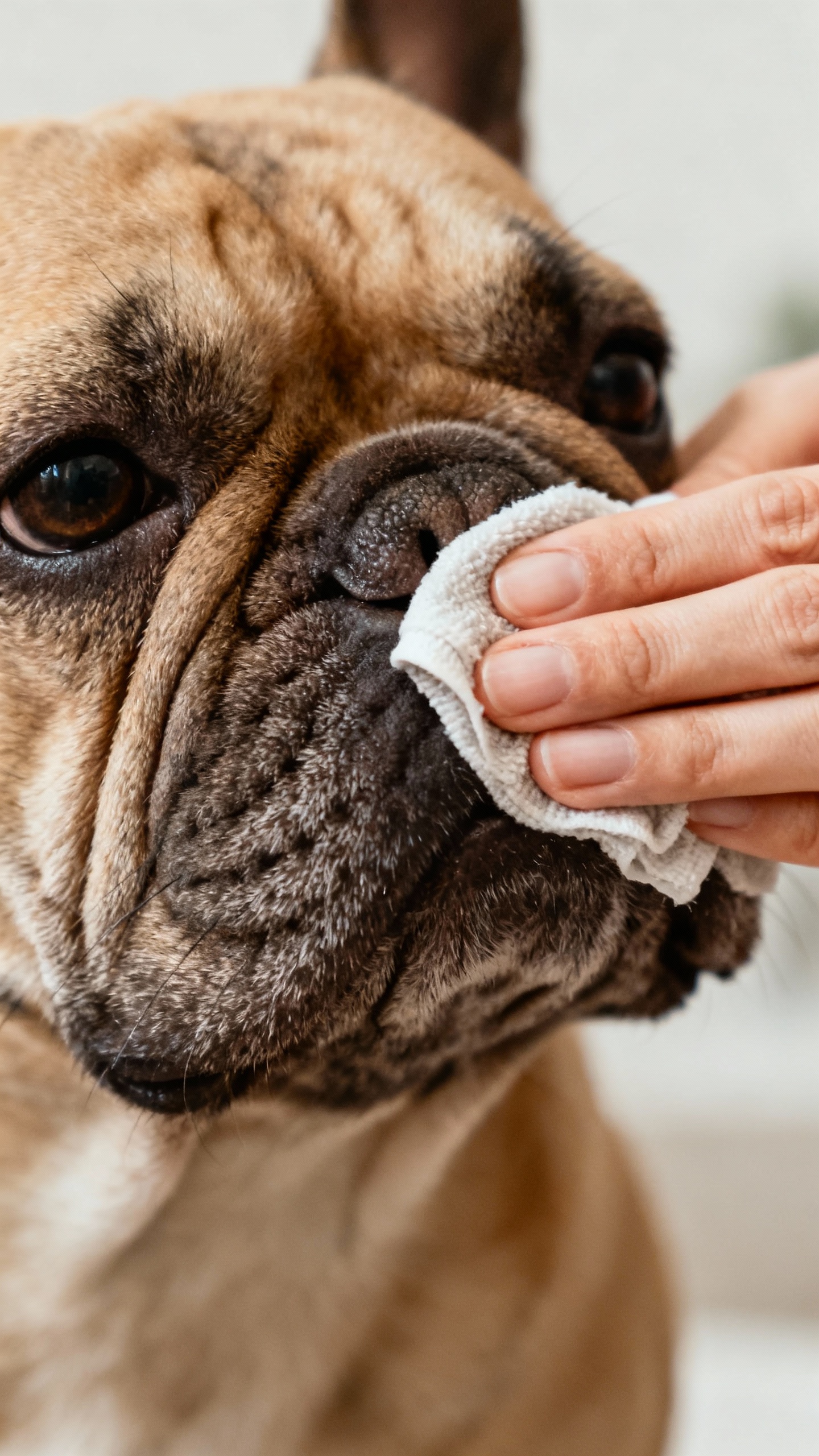
- Wrinkle care: Gently wipe facial folds daily with a damp cloth; dry fully to prevent yeast.
- Ears: Check weekly. Clean with vet-approved solution if you see wax. Never jam cotton swabs inside.
- Nails: Trim every 2–3 weeks.
If you hear clicks on the floor, you waited too long.
- Baths: Every 4–6 weeks or when stinky. Use gentle puppy shampoo.
Dental care matters. Brush 3–4 times a week with dog toothpaste.
Start now so you’re not wrestling a 25-pound potato later.
Health Must-Know: Vet Visits and Red Flags
Book a vet appointment the first week. Bring any breeder records and start your vaccine schedule. Expect:
- Vaccines at set intervals
- Parasite prevention (fleas, ticks, heartworm)
- Microchip if not already done
- Discussion of spay/neuter timing
Frenchies can face breed-specific issues.
Knowing the signs helps you act fast.
- Breathing issues (BOAS): Loud snoring is normal; struggling to breathe is not. If your pup tires instantly or uses belly muscles to breathe, call your vet.
- Skin and allergies: Itching, red paws, ear infections. Diet tweaks and meds can help.
- GI upsets: Gassy?
Welcome to the club. But vomiting, diarrhea, or refusal to eat needs attention.
- Eye injuries: Bulgy eyes meet coffee table corners—fun. Any squinting or discharge?
Vet, pronto.
Heatstroke is a real risk. Keep indoor temps comfortable, avoid midday walks, and always carry water. FYI, some Frenchies benefit from a cooling vest in summer.
Social Life and Manners
Frenchies love people and other dogs, but they can get a little pushy when excited.
Teach polite greetings early:
- Ask for a sit before petting
- Reward calm behavior around visitors
- Use a front-clip harness if pulling starts
Puppy classes are gold if the instructor uses positive reinforcement. You’ll sharpen recall, leash skills, and dog-to-dog manners. Plus, you’ll meet other puppy parents who understand the chaos.
IMO, that support alone is worth it.
Alone Time Without the Meltdowns
Practice short separations daily. Pop your pup in the crate with a stuffed Kong for 5–10 minutes while you’re home. Increase gradually.
You’ll avoid separation anxiety and future door-scratching drama.
Play, Enrichment, and Mental Burn
A bored Frenchie becomes a furniture-gnawing anarchist. Rotate toys to keep them novel. Try:
- Snuffle mats and scatter feeding
- Food puzzles and slow feeders
- Short scent games (hide a treat, let them “find it”)
- Training tricks like “spin,” “down,” and “touch”
Chew outlets matter during teething (roughly 3–6 months).
Offer frozen washcloths, rubber toys, or puppy-safe chews. If they grab the couch, redirect, don’t scold. Chewing is their coping mechanism.
FAQ
How often should a French Bulldog puppy eat?
Feed 3 meals a day until about 6 months old, then switch to 2.
Keep portions consistent and measure them. If your pup gobbles food like a vacuum, use a slow feeder.
Do French Bulldogs need a lot of exercise?
Not a ton. Aim for several short play sessions and brief walks.
Watch the weather and your pup’s breathing; if they look tired or overheated, stop immediately.
When should I start training?
Day one. Keep sessions short, fun, and treat-heavy. Focus on name recognition, recall, sit, and crate comfort first.
You’ll thank yourself later.
Are Frenchies good with kids?
Yes, usually. They’re sturdy and affectionate. Teach kids to be gentle, avoid hugging or pulling, and give the pup space when they eat or sleep.
How do I handle the snoring and gas?
Snoring happens.
Use a supportive bed and keep the room cool. For gas, pick high-quality food, avoid table scraps, and don’t switch diets every week. Probiotics can help—ask your vet.
What temperature is safe for a Frenchie?
Cool to mild.
Avoid heavy activity above 70–75°F, especially in humidity. Indoors, use AC or fans. If you’re hot and sweaty, your Frenchie struggles even more.
Conclusion
Raising a French Bulldog puppy feels like living with a tiny comedian who needs a personal assistant.
Keep routines tight, training positive, and exercise gentle. Protect their breathing, joints, and skin, and you’ll have a happy, healthy sidekick who snores through movie night. You bring the snacks—they’ll bring the charm.
Leave a Reply