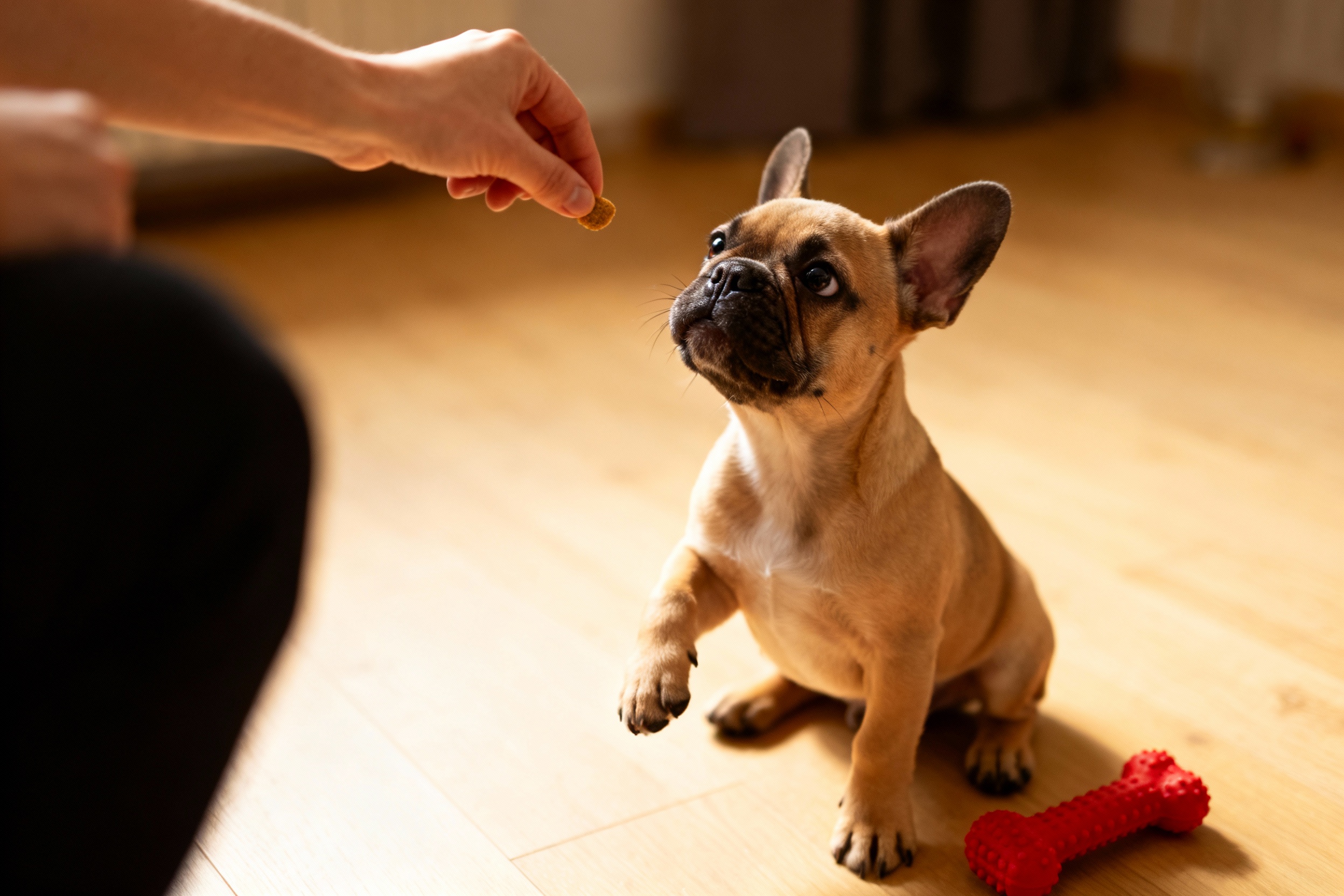
Your French Bulldog puppy just landed in your home like a snorting, bat-eared potato with legs. Cute? Absolutely.
Chaos? Also yes. Let’s turn that adorable gremlin into a well-mannered roommate you actually enjoy living with.
We’ll keep it simple, doable at home, and friendly for their big personality and small lungs.
Know Your Frenchie: What Makes Training Different
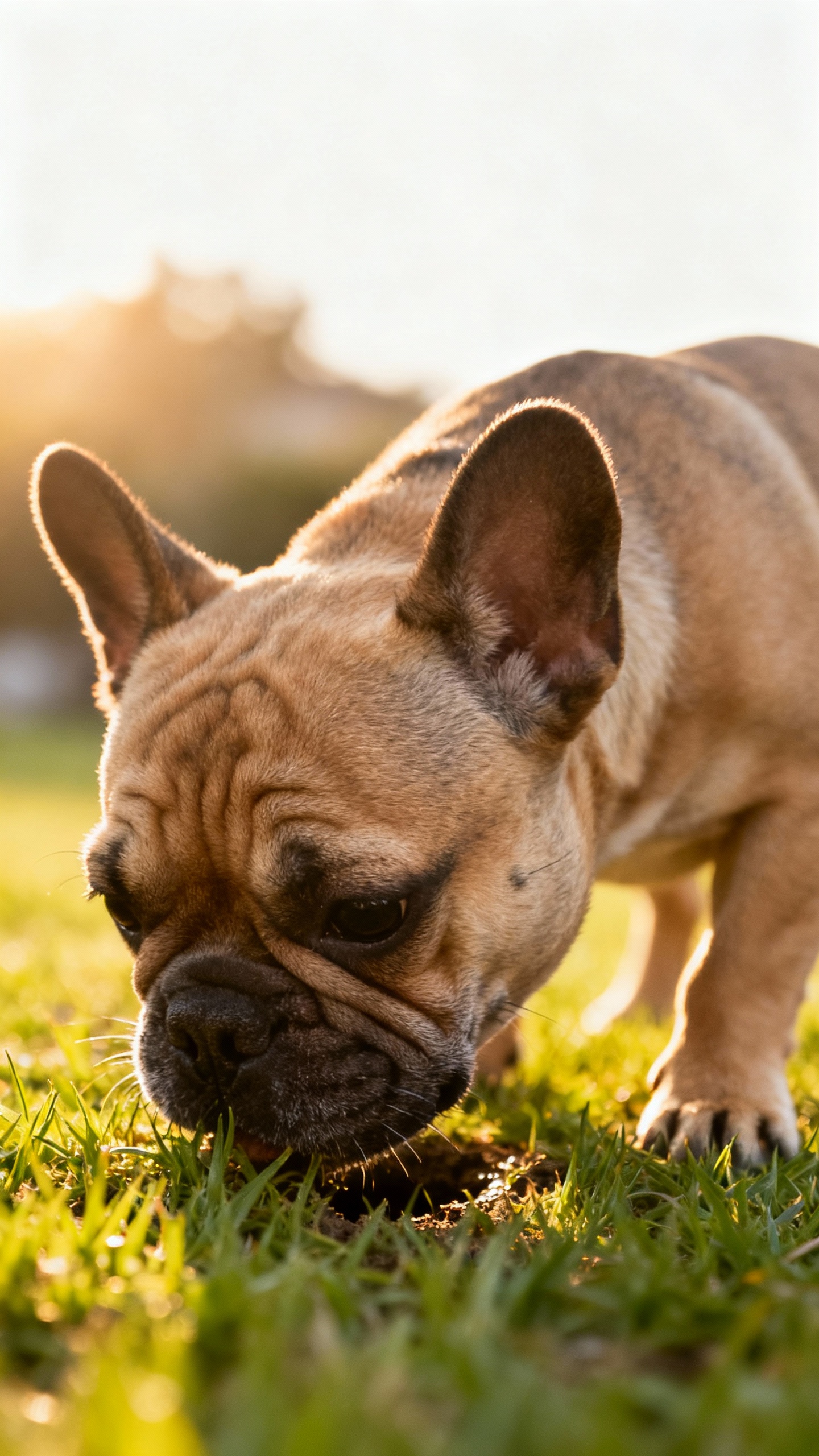
Frenchies bring charm, stubbornness, and low stamina wrapped in a compact, heavy-breathing package. They crave attention and thrive with structure, but they also tire quickly and overheat easily. That matters. Key traits to keep in mind:
- Stubborn, not stupid: They understand; they just sometimes negotiate.
- Food motivated: Use tiny, high-value treats (think soft bits of chicken or cheese).
- Short bursts only: Keep sessions 3–5 minutes, a few times a day.
- Watch the heat: Short snouts mean they struggle with breathing and temperature.
Set Up Your Home Base: Routine, Crate, and Potty Plan
Think of this like building the stage before the show.
Your puppy needs a predictable routine and a safe place to chill.
Create a cozy crate routine
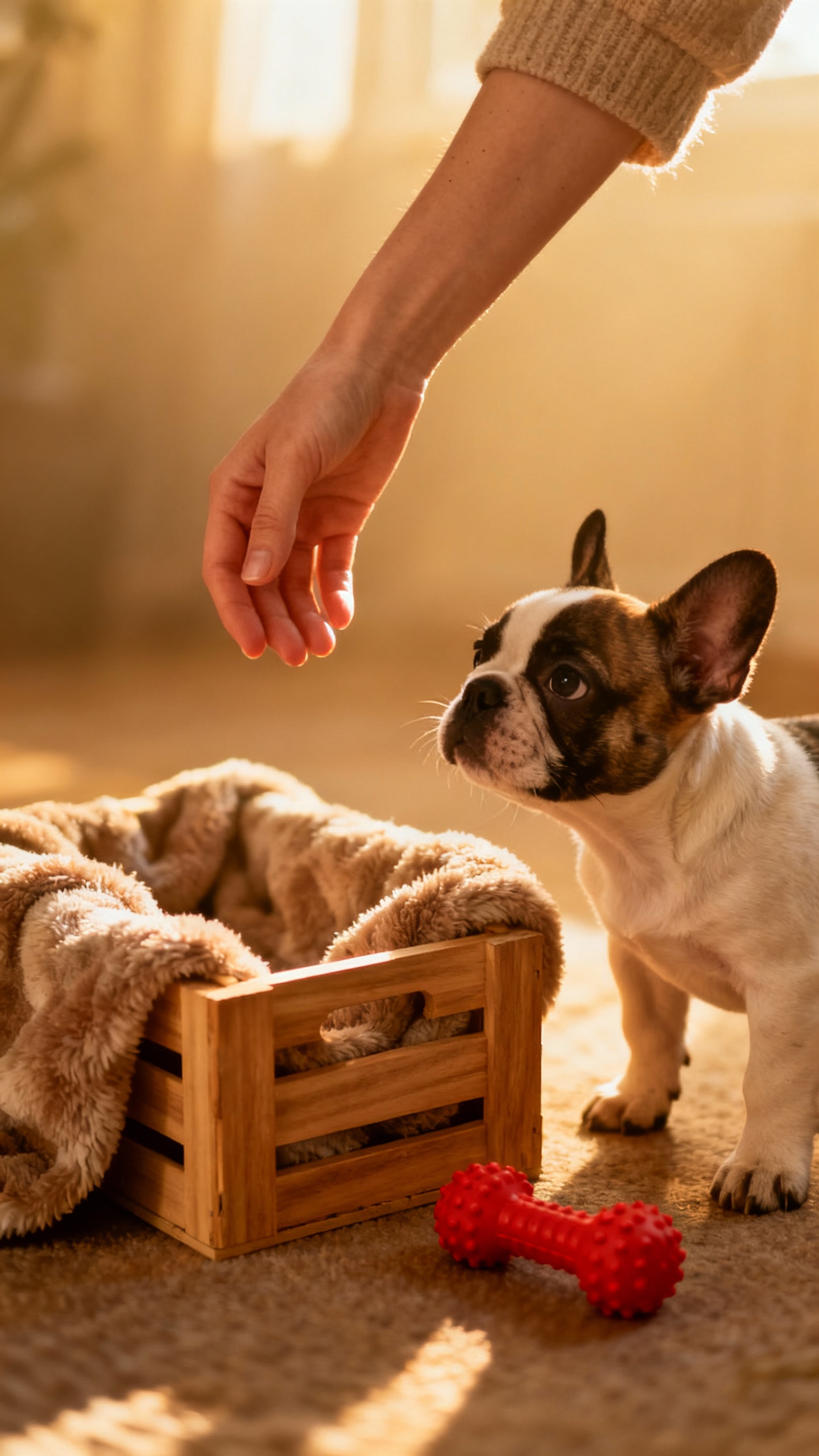
Use a crate that’s just big enough for standing, turning, and lying down. Add a blanket and a chew. Start with the door open, toss treats inside, and feed meals there.
Close the door for a minute, treat, then open. Build up time slowly. No drama. Crate basics:
- Crate goes where life happens, not in a lonely corner.
- Never use it as punishment.
- Short naps inside = house training wins.
Potty training schedule
Bring your Frenchie outside:
- First thing in the morning
- After meals and water
- After naps and play
- Every 2–3 hours, especially at the start
Pick one spot.
Stand still. Quietly wait. The second they go, praise like you just won the lottery, treat, then head back inside.
If accidents happen inside (they will), clean thoroughly and move on. No scolding. FYI, punishment just teaches them to hide it better.
Teach the Essentials (Fast, Fun, and Useful)
Keep sessions short and end on a win.
Use soft, smelly treats and a happy tone. Frenchies respond to fun more than lectures—same as the rest of us, IMO.
Name recognition
Say their name once. When they look at you, mark the moment (“Yes!”) and treat.
Repeat randomly. No nagging the name. One name, one response.
Sit
Hold a treat above their nose and move it slightly back.
The butt hits the floor? “Yes!” and treat. Use it before meals, leashes, and doors. Sit becomes your polite default.
Down
From sit, drag a treat from nose to floor between paws.
Reward the instant elbows touch down. Keep it cozy, not forceful. If they roll like a croissant, bonus points.
Come
In a quiet room, say “Come!” in a happy tone, then run backward a few steps.
Reward with a party. Never call to punish or for nail trims. Protect the recall like it’s priceless.
Because it is.
Leave it
Show a treat in your closed fist. Puppy sniffs and paws. You wait.
The moment they back off, “Yes!” and treat from your other hand. Add the cue once they get it. This saves socks, shoes, and dignity.
Leash Manners for Short-Legged Champs
Frenchies pull because the world smells amazing and they have FOMO.
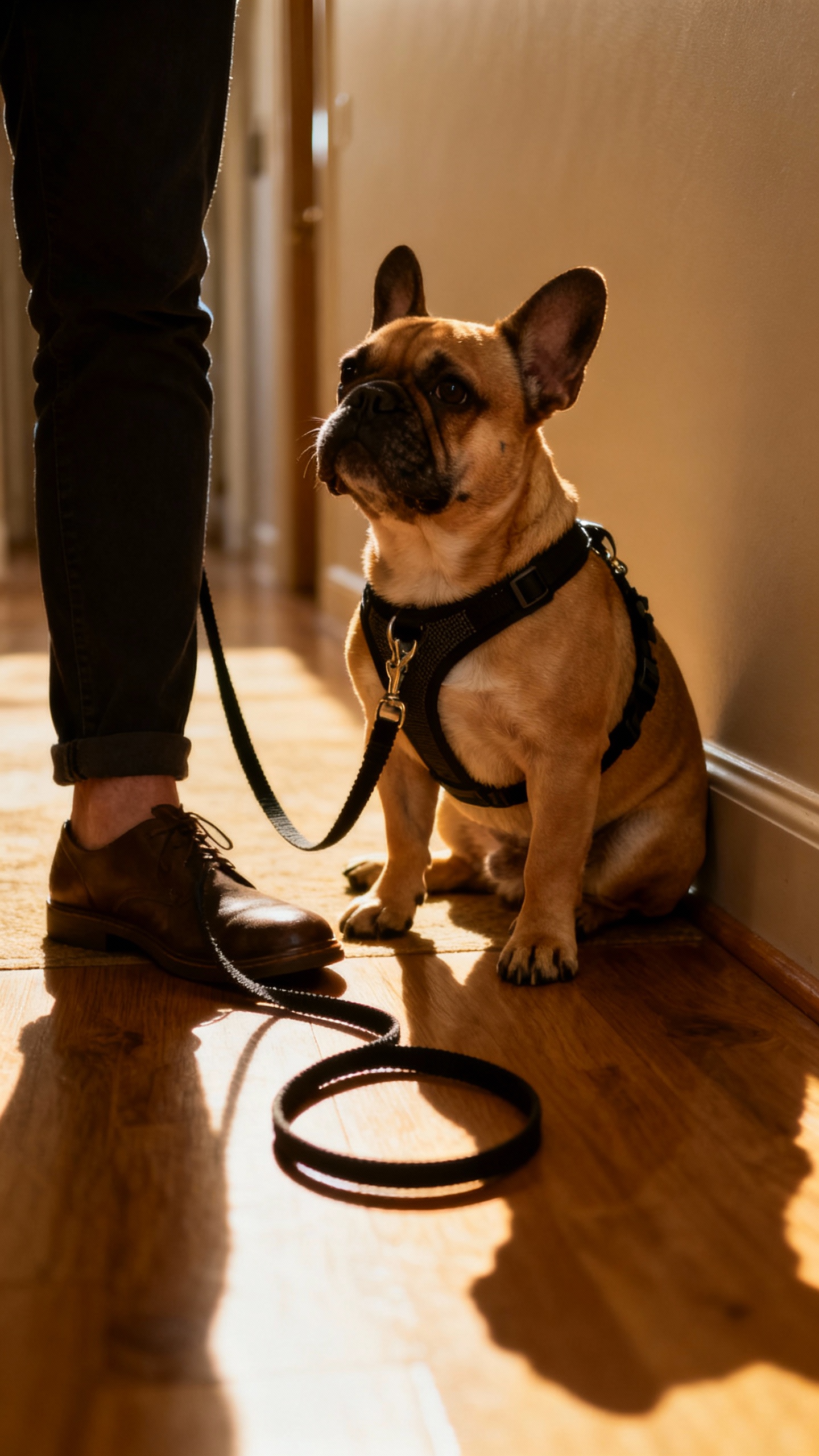
Start inside with a harness and a light leash. Loose-leash basics:
- Reward by your leg when the leash slackens.
- Take one step, reward. Two steps, reward. Build gradually.
- If they pull, stop.
Wait for slack, then move again. Consistency beats strength.
Short walks only
Keep walks 10–15 minutes, max. Focus on sniffing and skills, not distance.
Avoid hot pavement, heavy humidity, and midday sun. If your Frenchie sounds like a tiny chainsaw, head home and cool down.
Bite Inhibition and Chewing Without Losing Your Mind
Puppies mouth. It’s normal, but your skin says otherwise. For nipping:
- Redirect to a chew toy immediately.
- When teeth touch skin, freeze for two seconds, then resume play calmly.
- A tired puppy bites less.
So does a mentally stimulated one.
For chewing:
- Give a rotation of safe chews: rubber toys, frozen Kongs, textured toys.
- Pick up shoes and cords. Management works better than wishful thinking.
- Crate or playpen during busy hours to prevent “renovation.”
Socialization That Actually Helps
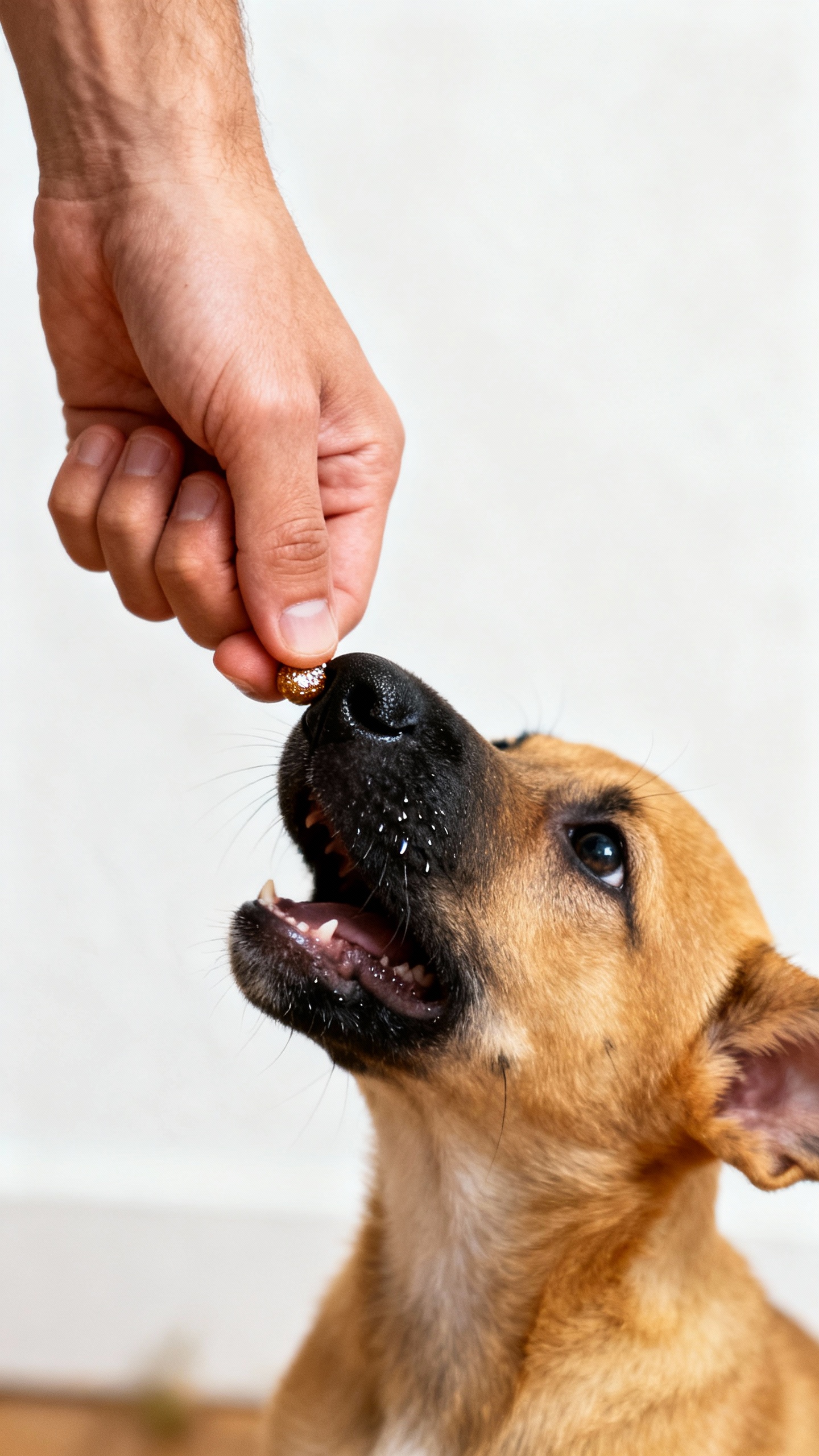
The magic window for socialization runs through about 16 weeks. You want calm confidence, not chaos. Expose your puppy to:
- Different surfaces: wood, tile, grass, gravel
- Sounds: doorbells, vacuums, traffic (YouTube sound playlists help)
- People: hats, glasses, beards, kids at a distance
- Friendly, vaccinated dogs with gentle play styles
Make it positive and short
Pair every new thing with treats and praise.
If your pup looks unsure, add distance and go slower. You’re building trust, not a highlight reel. FYI, one calm 5-minute exposure beats an overwhelming 30-minute meltdown.
Health and Safety: Brachycephalic Reality Check
Frenchies look like cartoon heroes, but their airways need respect. What to watch:
- Snorting and snoring can be normal, but labored breathing is not.
- Use a harness, not a neck collar.
- Avoid high heat, long runs, and rough play with bigger dogs.
- Keep training sessions short and water handy.
Food and rewards
They gain weight fast.
Use pea-sized treats and subtract from daily food. Mix in non-food rewards—praise, play, sniff breaks—so you don’t raise a tiny food critic with expensive taste.
Real-Life Training: Make Good Habits Automatic
You don’t need marathon sessions. You need tiny reps all day. Anchor good behavior to daily things:
- Sit before meals, doors, and getting the leash on.
- Wait at curbs for eye contact, then “Okay!” and cross.
- Come = party, always.
- Chew toys appear before Zoom calls.
Trust me on this.
When your Frenchie says “nope”
If they check out, end the session. Try again later with easier steps or better rewards. Stubbornness often means the task feels too hard or not worth it.
Make it easier. Make it fun. You’re the DJ—change the track.
FAQ
How long can my Frenchie puppy hold their bladder?
A rough guide: months old + 1 = hours, during the day.
So a 3-month-old might last around 4 hours. Nighttime can be a bit longer, but set realistic expectations and use the crate to help establish the routine.
What treats work best for training?
Soft, smelly, and tiny—think chicken, cheese, or commercial training bites. Break them pea-sized to avoid overfeeding.
Rotate flavors so your pup doesn’t get bored, IMO.
My puppy ignores me outside. What now?
You’re competing with smells and squirrels. Start training indoors, then the yard, then quiet streets.
Use higher-value treats outside and shorten sessions. Also, train before walks when they still care about you more than the hedges.
Are French Bulldogs hard to train?
They’re smart and opinionated. If you keep sessions short, use great rewards, and stay consistent, you’ll see fast progress.
If you try long lectures and zero fun, you’ll lose them in 10 seconds flat.
How much exercise should a Frenchie puppy get?
Short, frequent play sessions beat long walks. Aim for several 5–10 minute play bursts and brief, sniffy walks. Watch for heavy panting or lagging—those are your stop signs.
When should I start socialization and training?
Start immediately at home with handling, name recognition, and potty routines.
For public spaces, follow your vet’s vaccine guidance, but socialization can begin with safe exposures, controlled visits, and carried outings.
Conclusion
Train your French Bulldog puppy with short sessions, big rewards, and a solid routine. Protect their breathing, keep things fun, and stack tiny wins every day. Do that, and your snorty sidekick will turn into a polite, hilarious companion you love showing off.
And yes, you’ll still get the zoomies—just better-timed ones.
Leave a Reply