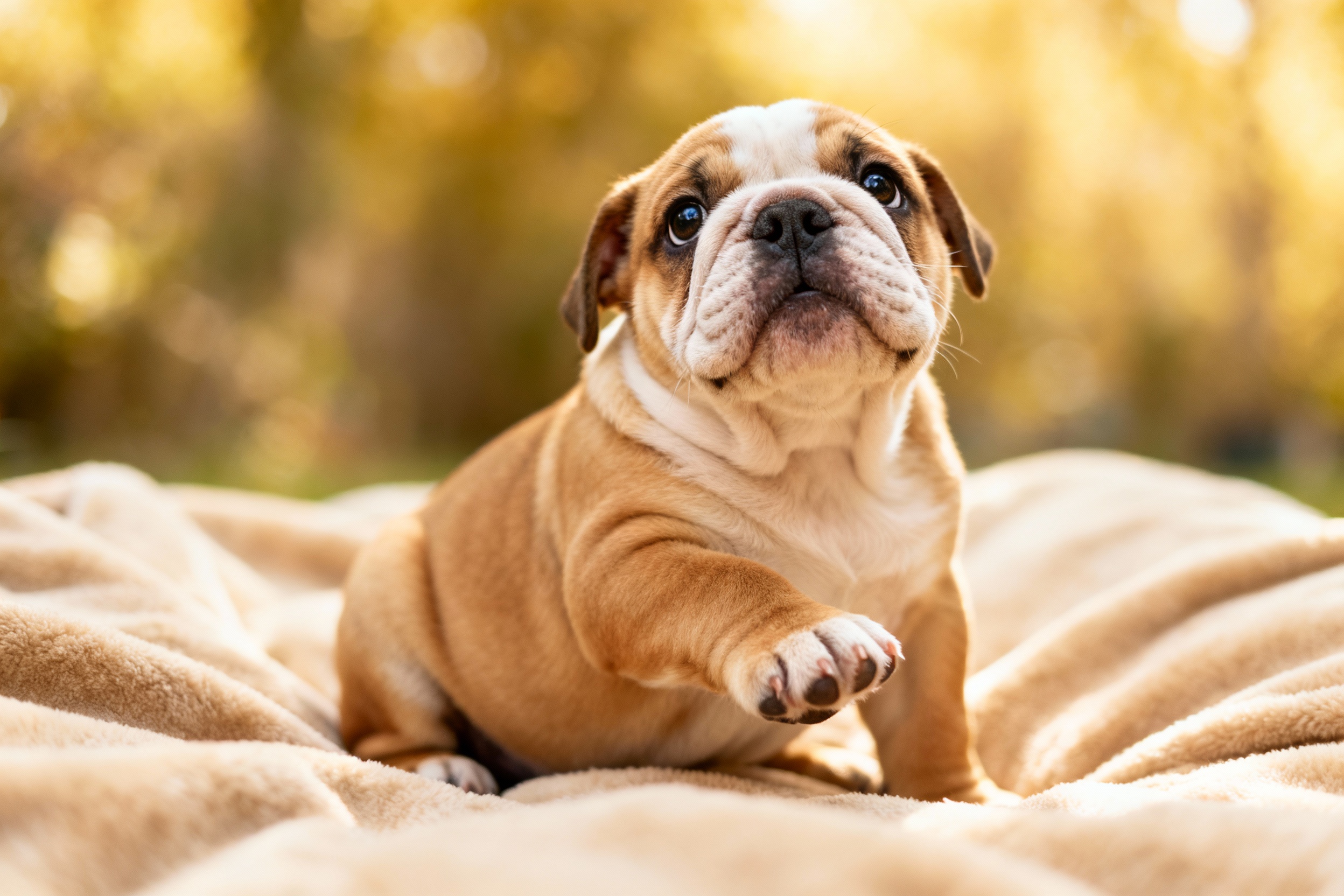
Your 2-month-old bulldog puppy just rolled into your life like a wrinkly bowling ball with paws. Adorable? Absolutely.
Chaos? Also yes. Good news: training this little land hippo doesn’t have to feel like herding jelly.
With consistency, patience, and a few smart tricks, you’ll build great habits now that pay off big-time later.
Know Your Bulldog: What Makes Them Tick

Bulldogs pack a lot of personality into a compact frame. They’re sweet, stubborn, and surprisingly sensitive. They want to please you, but they also believe naps are a lifestyle. At 8 weeks, expect:
- Short bursts of energy followed by epic snoozes
- A small bladder (hello, frequent potty breaks)
- Curiosity mixed with cautiousness
Keep sessions short and fun.
Bulldogs don’t respond well to harsh corrections. Reward-based training wins every time. FYI: these pups overheat easily, so keep training cool and calm.
Set Up Your Home Base
You need a setup that keeps your pup safe and sets boundaries. Think: calm space, clear routine, zero chaos (or as close as you can get). Essentials to have:
- Crate: Right size so your puppy can stand, turn, and lie down
- Playpen: For safe playtime when you can’t supervise
- Pee pads (optional): Use strategically, not forever
- Chew toys: Soft rubber or plush with squeak—rotate often
Crate Comfort 101
Make the crate a cozy den, not a punishment zone.
Toss treats inside, feed meals in there, and add a soft blanket. Close the door for short periods while you stay nearby. Increase time slowly.
If your puppy whines, wait for a quiet second before letting them out so they learn calm gets rewards.

Potty Training Without the Drama
Potty training takes consistency and a watchful eye. Bulldogs learn fast when you set a rhythm and celebrate every win. Follow this simple schedule:
- Immediately after waking up
- After meals and water
- After play sessions
- Every 1–2 hours while awake
Pick a potty spot outside. Carry your puppy there or walk straight there on leash.
Say a cue like “Go potty,” and when they finish, praise like they just won Best in Show and give a treat within two seconds.
Accidents Happen (Because Puppies)
If you catch them mid-pee, interrupt gently with a clap, then take them outside. Clean accidents with an enzymatic cleaner. Don’t scold—bulldogs shut down easily, and scolding only confuses them.
IMO, prevention beats lectures every time.
Basic Cues: Keep It Short and Sweet
Start with simple, practical cues. Training should last 3–5 minutes, a few times a day. Think “snack-sized” lessons. Begin with:
- Name recognition: Say their name once, reward when they look at you.
- Sit: Lure the nose up with a treat; as the butt hits the floor, say “Sit,” then reward.
- Come: Crouch down, open arms, cheerful voice.
Reward like a champion every time they reach you.
- Leave it: Hold a treat in a closed fist. When your pup stops mouthing and looks away, mark it (“Yes!”) and reward with a different treat.
Keep your voice upbeat. If the pup checks out, end on a win and try again later.
Training should feel like a game, not homework.
Leash Habits for Little Legs
Start indoors. Clip the leash, let them drag it for a minute, then practice a few steps with a treat by your knee. Reward for staying near you.
Bulldogs can become “statues.” If yours freezes, back up, use a happy voice, and reward forward movement.

Bite Inhibition and Chewing: Save Your Fingers
Puppy teeth are tiny shark teeth. Nipping is normal, but you can redirect it. When they bite:
- Say “Ouch!” in a calm but clear voice.
- Immediately offer a chew toy.
- When they chew the toy, praise warmly.
Rotate different textures: rubber, rope, plush. Cold chew toys or a frozen Kong help teething gums.
If your pup gets overexcited, give a quick potty break and a nap. Tired bulldogs bite less—science and common sense agree.
Socialization Without Overwhelm

This window matters. Expose your puppy to the world in a safe, controlled way.
Keep it positive and low-stress. Try these in the first few weeks:
- New surfaces: grass, tile, carpet, a rubber mat
- Gentle sounds: vacuum at a distance, doorbell, soft traffic noise
- People: hats, beards, kids (supervised), different body types
- Calm, vaccinated dogs you trust
Bring treats. Let your puppy choose to approach. If they seem unsure, give space, reward calm, and keep sessions short.
FYI: bulldogs can get spooked by loud bangs—pair noises with food to build confidence.
Vet Visits and Handling Practice
Touch your puppy’s paws, ears, and tail gently while feeding tiny treats. Open the mouth, lift lips, boop the nose—make it a party. Do 10–20 seconds a few times daily.
This makes vet visits and grooming a breeze later.
Build a Routine (Your Sanity Depends on It)
Bulldog puppies thrive on predictable patterns. A simple routine reduces accidents and drama. Sample day:
- Wake, potty, short play, breakfast
- Crate rest
- Potty, 3–5 minute training, gentle play
- Nap (yes, again)
- Potty, socialization outing (carry if not fully vaccinated), lunch
- Nap and quiet chew time
- Potty, light leash practice, dinner
- Evening cuddle, last potty, bedtime
Keep water available but pick it up an hour before bedtime to help with overnight success. Consistency now means fewer headaches later, IMO.
Bulldog-Specific Health and Safety Notes
These cuties come with a few quirks.
You can train wonderfully, but you need to protect their health.
- Heat sensitivity: Keep training indoors or in shade. Short sessions only.
- Joints: No stair marathons or jumping off furniture. Support those chunky knees and elbows.
- Skin folds: Gently wipe facial folds daily to prevent irritation.
- Breathing: If they snort and struggle, pause and let them cool down.
FAQ
How long can a 2-month-old bulldog puppy hold their bladder?
At this age, usually 1–2 hours while awake.
Overnight stretches might go a bit longer, but plan for at least one nighttime potty break. Set alarms, keep it boring and quick, and go right back to sleep.
What treats work best for training?
Use tiny, soft treats your puppy can swallow fast—think pea-sized bits of chicken or commercial training treats. Bulldogs can gain weight easily, so count treats as part of daily calories and break pieces small.
When should I start leash walks outside?
You can practice leash skills indoors now.
For outdoor walks in public spaces, wait until your vet gives the go-ahead based on vaccinations. Meanwhile, carry your puppy for socialization outings or use safe, private areas.
My bulldog puppy ignores me—help?
Increase your reward value, shorten sessions, and train when your puppy isn’t exhausted or hyper. Use a cheerful voice, try higher-value treats, and end on a quick win.
If distractions are too big, move to a quieter spot.
How do I stop crate whining at night?
First, confirm potty needs. If they’ve gone and still fuss, wait for a moment of quiet before opening the crate. Keep a comfy blanket, a safe chew, and place the crate near your bed at first for reassurance.
Is nipping a sign of aggression?
Nope—totally normal puppy behavior.
Redirect to toys, give more naps, and avoid rough play that amps them up. If biting escalates or draws blood regularly, consult a trainer for personalized help.
Wrapping It Up
Training a 2-month-old bulldog puppy isn’t about perfection—it’s about building tiny habits that stick. Keep sessions short, reward generously, and protect that squishy face from heat and overexertion.
Stick to a routine, laugh at the chaos, and celebrate every small win. You’ve got this—and your future well-mannered bulldog will thank you with snores and snuggles.
Leave a Reply