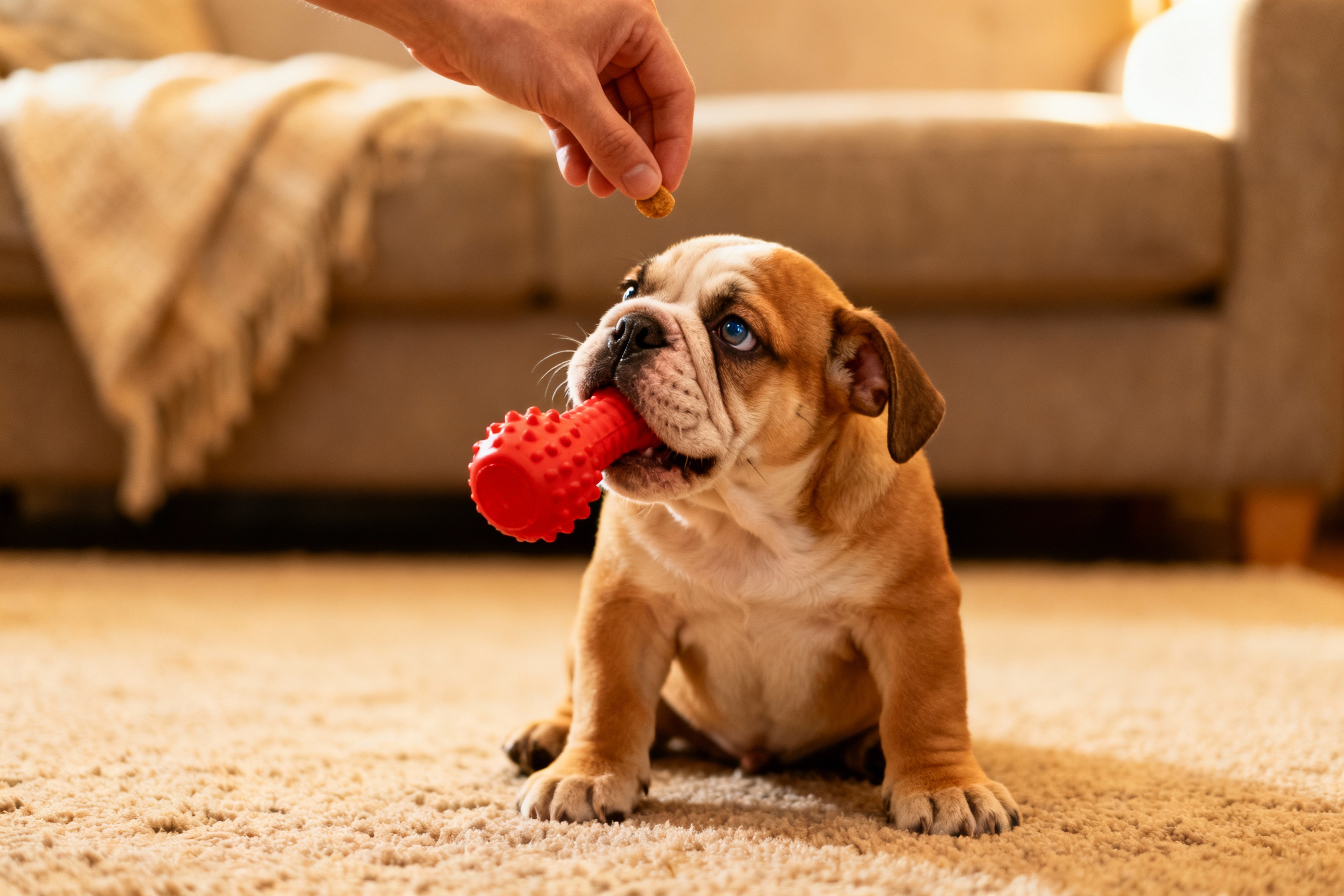
Your bulldog puppy is three months old and officially a wiggly bowling ball with teeth. Cute? Absolutely.
Chaos? Also yes. The good news: this is the perfect age to set routines, teach basics, and shape that squishy face into a well-mannered shadow.
Let’s get straight into what actually works for bulldogs—because they’re not Labs in costumes.
Know Your Bulldog: Smart, Stubborn, and Sensitive
Bulldogs learn fast, but they also bargain. They need clear rules, short sessions, and high-value rewards. Think “motivated couch potato.” Key traits to work with:
- Food-driven—use tiny, tasty treats
- Low stamina—keep sessions short and fun
- Stubborn streak—stay consistent and upbeat
- Heat sensitive—train indoors or in cool temps
Set Your Ground Rules Early
Decide where puppy sleeps, pees, and plays.
Reinforce those choices every day. If you allow couch time now, your future 50-pound nap buddy definitely will not ask permission later—IMO set boundaries early.
Potty Training Without the Tears (Yours)
Three-month-old bulldogs can’t hold it for long. Expect accidents.
Plan success. Simple schedule that works:
- First thing in the morning: straight outside
- After meals, naps, and play: outside again
- Every 2–3 hours: quick potty breaks
- Last thing before bedtime: outside, no excuses
When puppy goes, mark it with a cheerful “Yes!” and a treat on the spot. Praise like they just paid your rent. If accidents happen (they will), clean with an enzymatic cleaner and move on.
No scolding. Your bulldog will just learn to hide it. Not helpful.
Crate Training = Peace and Sanity
Use a crate that fits your puppy with room to stand, turn, and lie down.
Make it a safe den: comfy bed, chew toy, and a cover for coziness. Crate basics:
- Feed meals in the crate to build positive vibes
- Start with 5–10 minute sessions while you’re nearby
- Gradually add time and distance
- Take them straight outside when they come out
Teach the Core Commands (Bulldog Edition)
You need control, and your bulldog needs structure. Keep sessions to 5–7 minutes, 2–3 times per day. Stop while they still want more.
Sit
Hold a treat over the nose, move it back.
As the butt hits the floor: “Sit,” then reward. Easy win and a foundation for everything else.
Down
From sit, lure a treat from nose to floor between paws. As elbows touch, “Down,” reward.
Bulldogs can be stubborn here. Be patient, not pushy.
Come
Use a happy voice and crouch low. Say “Come,” reward like crazy when they arrive.
Clip a long leash in distracting areas. Never call to scold—ever.
Leave It
Show a treat in your fist. When puppy stops pawing or licking, say “Leave it,” then reward with a different treat from your other hand.
Saves socks, sanity, and your baseboards.
Stay
Ask “Sit,” add a palm-up hand signal, say “Stay.” Count to two, then release with “Okay!” and treat. Build seconds, then steps, then distractions. Keep it bite-sized.
Leash Manners for a Stocky Freight Train
Bulldogs pull because it works.
You’ll fix it with timing and consistency—not muscle. Loose-leash basics:
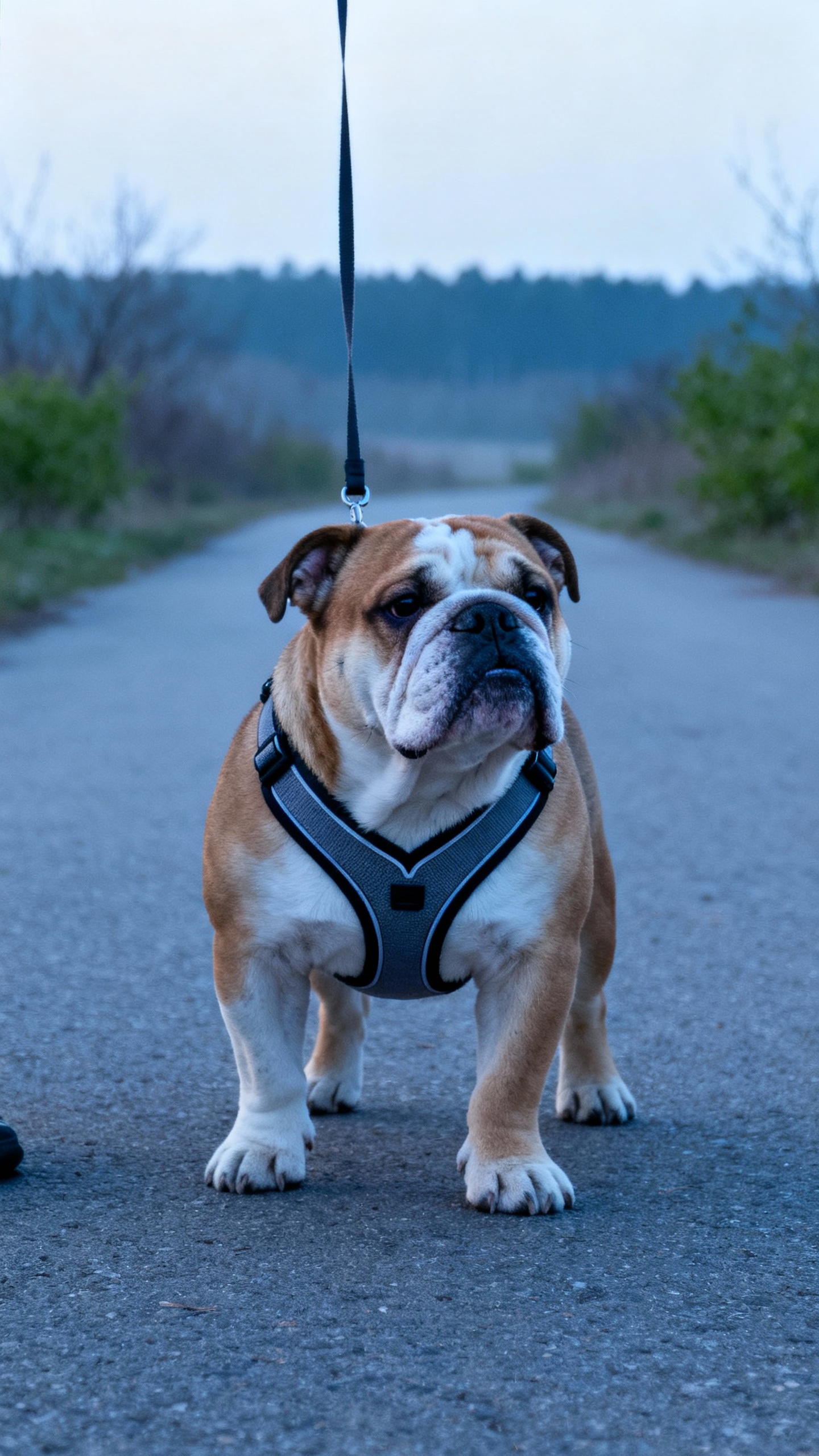
- Use a flat collar or Y-harness
- Reward at your side when the leash hangs loose
- If puppy pulls, stop. Wait. When they return attention, move forward
- Change direction often so they watch you
Short Walks, Big Wins
At three months, skip long adventures.
Do 10–15 minutes, tops, in cool weather. Bulldogs overheat fast—FYI, snorts are cute, panting and lagging are not.
Socialization That Actually Helps
You’re building confidence, not chaos. Expose your bulldog to sights, sounds, surfaces, and friendly faces carefully and positively. Safe socialization ideas:
- Car rides with treats and calm praise
- Soft handling: ears, paws, tail, mouth with treats
- Different floors: carpet, tile, grass, gravel
- Noise practice: doorbells, vacuum, hairdryer at low volume
- Puppy playdates with vaccinated, gentle dogs
Keep sessions short, and watch body language.
Curious and relaxed? Keep going. Tucked tail or whale eyes?
Create space, slow down, and try again. Confidence beats “tough it out” every time.
Vet-Ready From Day One
Teach a “chin” rest in your hand for exams. Touch paws and teeth with tiny treats.
You’ll thank yourself when nail trims don’t turn into wrestling.
Bite Inhibition and Chewing (Because Teeth Happen)
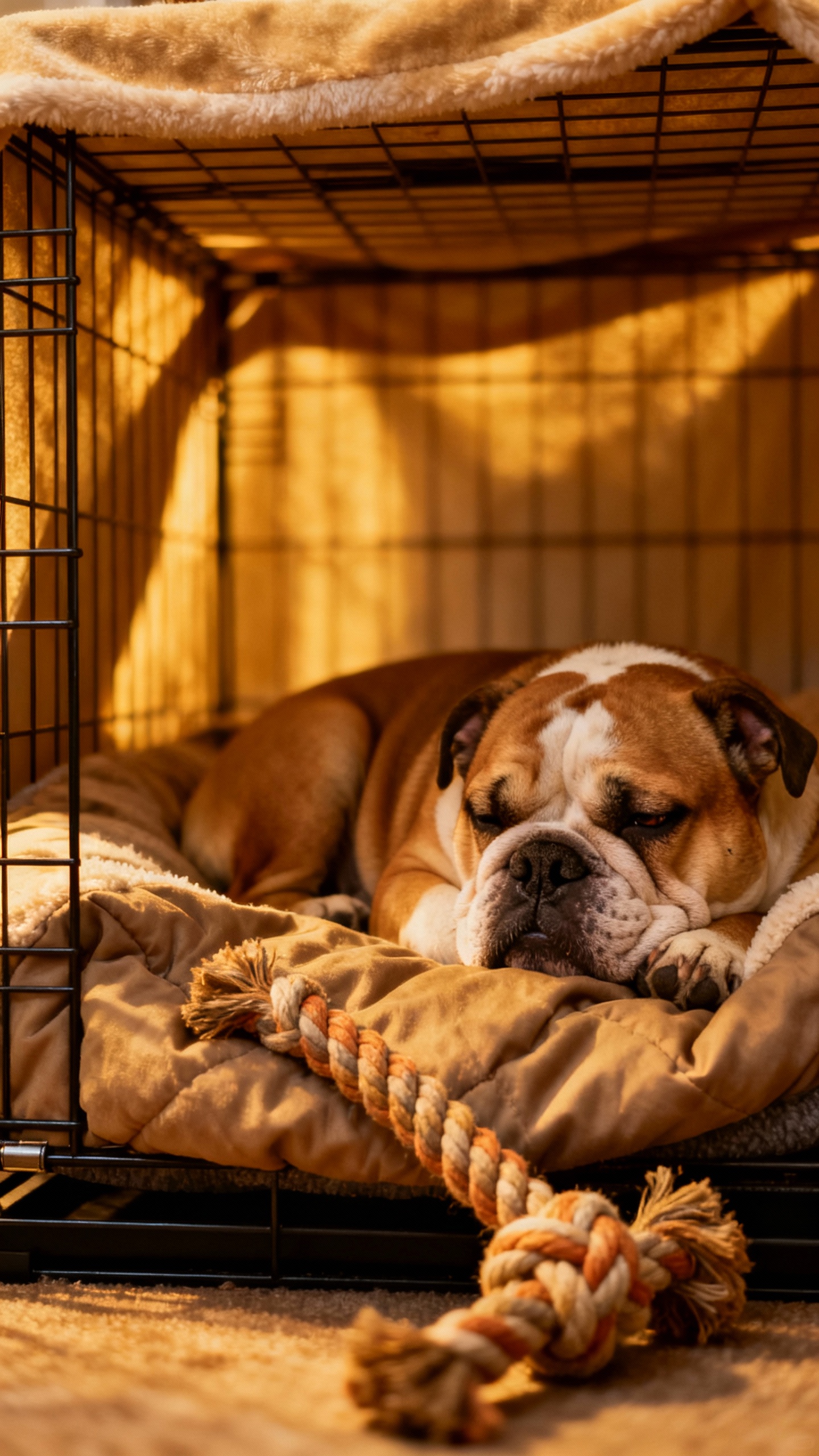
Puppies mouth everything to explore and soothe gums. You won’t stop it, but you can direct it. What to do:
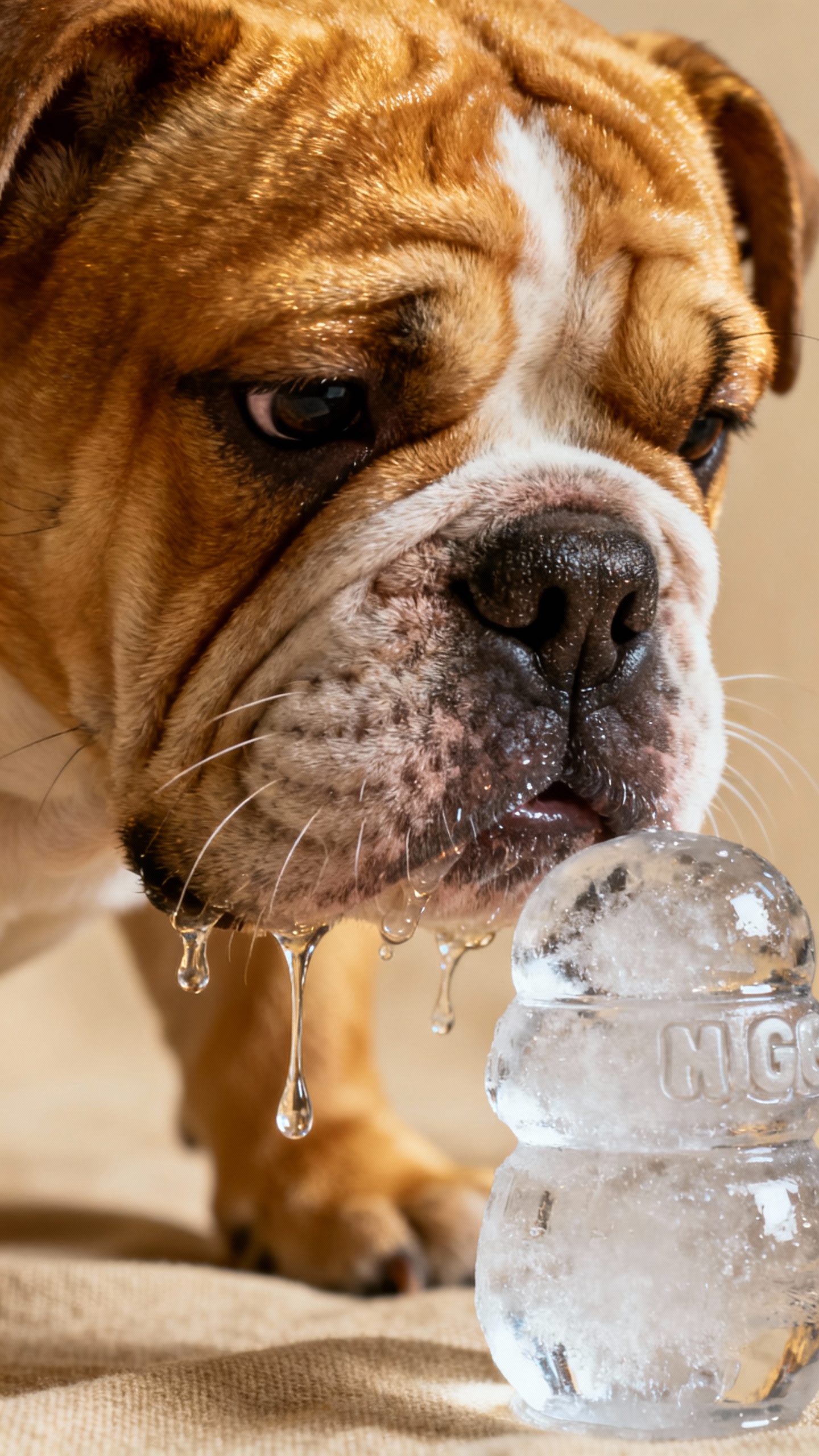
- Keep 3–4 chew options: rubber toy, rope, frozen Kong, soft teether
- When puppy bites skin or clothes, say “Ouch,” pause play for 3–5 seconds
- Redirect immediately to a chew toy and praise
- Use baby gates and playpens to protect your stuff
Consistency turns piranha mode into polite play. Also, ditch rough tug near bedtime unless chaos is your vibe.
Routines Make the Magic
Bulldogs thrive on predictable rhythms.
Build your day around feeding, potty, play, and sleep. Sample day (adjust to your schedule):
- 7:00 am: potty, breakfast, short training
- 9:00 am: potty, play, chew time
- 12:00 pm: potty, lunch (if still on 3 meals), nap
- 3:00 pm: potty, walk, training
- 6:00 pm: potty, dinner, calm play
- 9:30 pm: potty, bedtime in crate
Predictability = fewer accidents, calmer energy, better learning. IMO, routine beats any fancy training gadget.
Use the Right Rewards
Bulldogs love food, but mix it up:
- Tiny soft treats (pea-sized)
- Cheerful praise and scratches
- Play with a favorite toy
- Life rewards: door opens when they sit, leash goes on when they’re calm
Common Bulldog Gotchas (And How to Dodge Them)
Bulldogs come with a few quirks. Handle them early.
- Overheating: train indoors when warm; offer water and shade
- Joint care: no stairs marathons or jumping off furniture
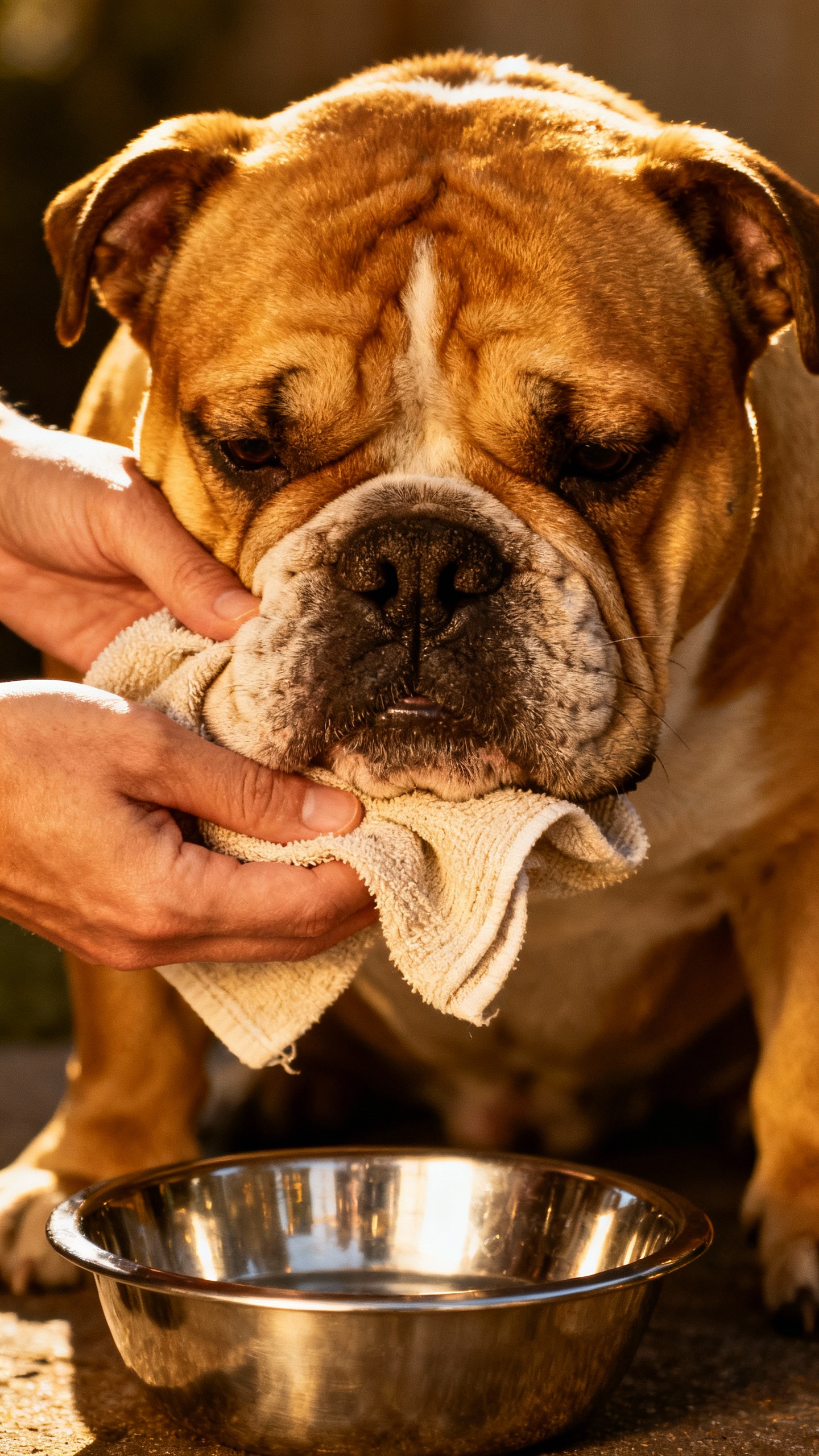
- Face folds: wipe daily after meals and slobber sessions
- Short attention spans: end on a win, not on frustration
- Resource guarding: trade up—“Drop it” gets a better treat
When to Ask for Help
If your puppy shows fear, freezes often, or guards food or toys aggressively, call a certified trainer who uses positive methods.
Faster help now saves bigger issues later—FYI, it also saves your nerves.
FAQ
How long can a 3-month-old bulldog puppy hold their bladder?
Roughly 2–3 hours during the day. At night, some make it 4–5 hours. Set alarms, stick to the schedule, and celebrate small wins.
Accidents don’t mean failure—they mean you stretched the timeline.
What treats work best for training?
Soft, smelly, tiny ones. Think training bites, boiled chicken, or cheese crumbs. Rotate flavors to keep motivation high, and reduce meal portions slightly if treats add up.
How much exercise does a bulldog puppy need?
Short, frequent play sessions beat long walks.
Aim for 10–15 minutes of movement a few times a day, plus mental games like snuffle mats or simple puzzle toys. Bulldogs tire fast and overheat easily.
When should I start leash training?
Right now. Practice indoors first where distractions are low.
Reward for walking at your side and checking in with you, then take it outside for short, calm laps.
Is it okay to let my bulldog puppy on furniture?
It’s your call—just be consistent. If you allow it, teach “Off” and use blankets to protect the couch. If you don’t, provide a cozy dog bed nearby so your pup still feels included.
My bulldog ignores me outside.
What do I do?
Use a long line, higher-value treats, and start in quiet spots. Reinforce name recognition—say their name once, reward eye contact, then ask for “Come.” Build gradually before hitting busy parks.
Conclusion
Your 3-month-old bulldog is a lovable gremlin who can absolutely learn great manners with short sessions, clear rules, and loads of rewards. Keep training light, keep routines steady, and watch for overheating and stubborn moments.
With patience and a sense of humor, you’ll have a confident, polite cuddle tank in no time. And hey, drool just means they’re excited about your progress—IMO that’s a win.
Leave a Reply