
Finding a small dog that vibes like a quiet roommate instead of a tiny tornado? You’re in the right place. Not all little pups come with big attitudes.
Some bring chill energy, minimal barking, and a whole lot of cuddle. Let’s talk about small breeds that stay calm, keep the peace, and won’t have your neighbors filing noise complaints.
What “Calm” Really Means in a Small Dog
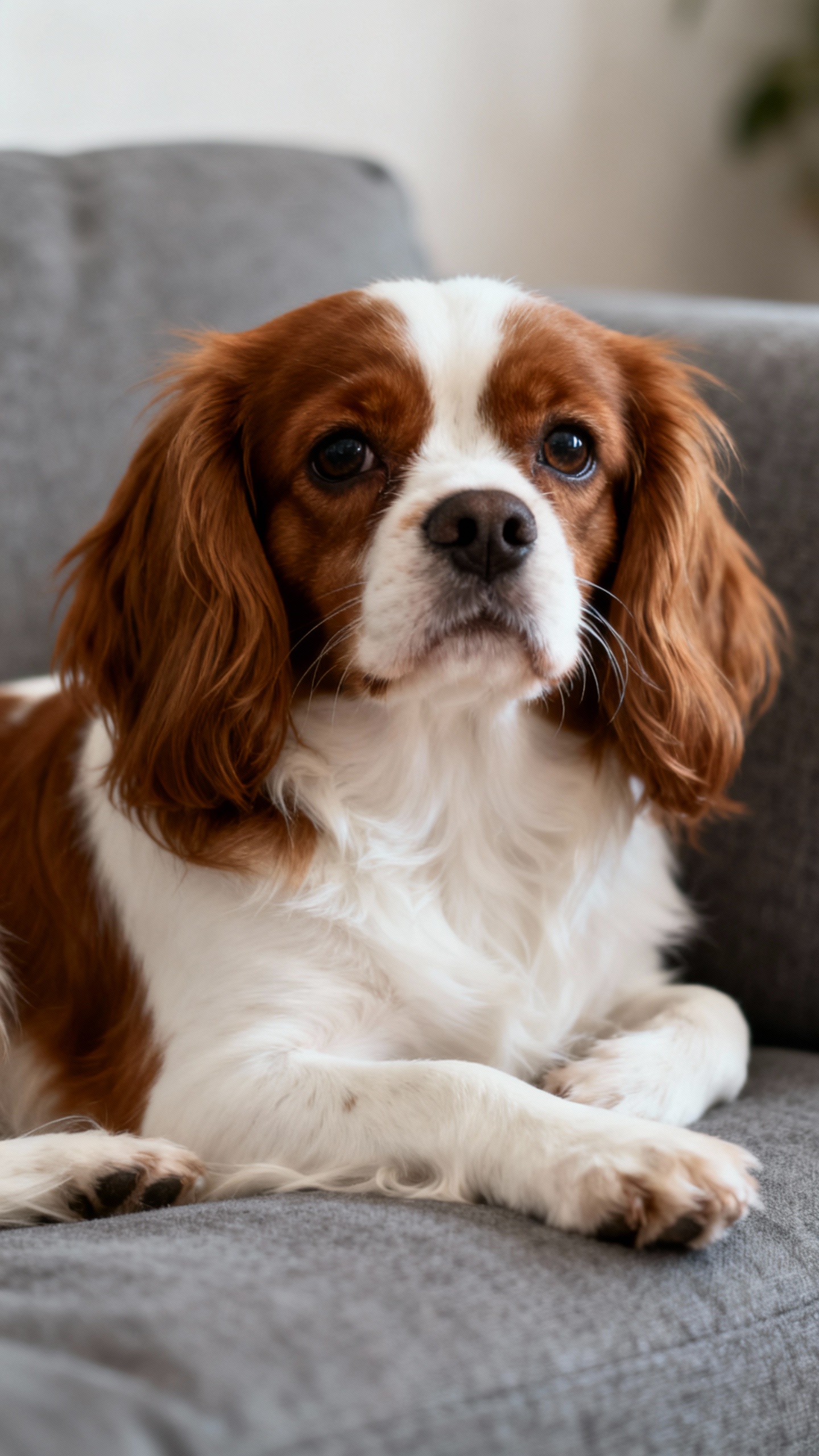
Calm doesn’t mean lazy or boring. It means a dog that handles life with poise: not overly reactive, not yappy for no reason, and comfortable lounging after a good walk.
Think “content to hang out” rather than “zoomies 24/7.” Key signs of a mild-tempered small dog:
- Predictable reactions to new people and sounds
- Low to moderate energy with short bursts of play
- Enjoys downtime and indoor life
- Trainable and eager to please (or at least willing… IMO)
Top 10 Calm Small Dog Breeds
These breeds tend to be mild, adaptable, and apartment-friendly. Individual personalities vary, but these are your best bets.
1) Cavalier King Charles Spaniel
Ultimate lap dog energy. Cavaliers love everyone, adapt easily, and stay gentle in busy homes.
Keep up with grooming and heart health checks, and you’ve got the sweetest Netflix buddy.
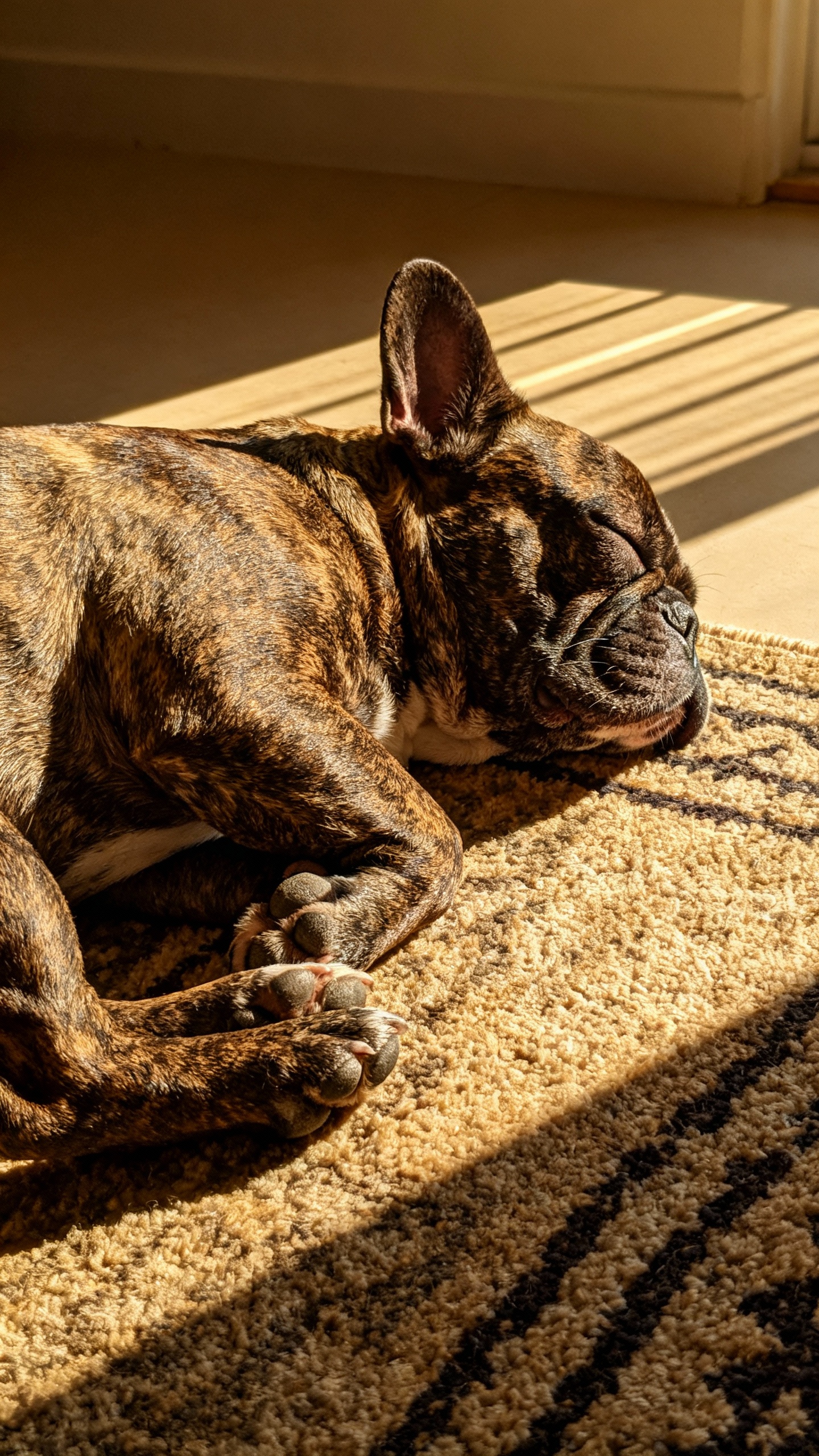
2) French Bulldog
Small, sturdy, and comically zen. Frenchies thrive on short walks and long naps. They snore, yes.
But they also charm like pros and rarely overreact.
3) Shih Tzu
Bred as palace companions, these fluffballs specialize in calm. A daily walk and a comfy couch keep them happy. Grooming matters, but their temperament?
Chef’s kiss.
4) Basset Hound (Mini/Small individuals)
Okay, not “toy small,” but many Bassets fall into the lower height range and keep that legendary chill. They mosey, they nap, they love. If you want low-key, this soulful hound delivers.
5) Pug
Clownish, affectionate, and surprisingly serene.
Pugs do bursts of zoomies and then flop into your lap. Keep an eye on heat and weight, and you’ll have the world’s funniest couch ornament.
6) Havanese
Friendly and adaptable with a sunny attitude. They’re social butterflies without the drama.
With good training, they stay calm and polite, even with guests coming and going.
7) Boston Terrier
Polite gentleman vibes. Bostons bring balanced energy and easygoing manners. They enjoy short play sessions and family time, then settle fast.
8) Brussels Griffon
Expressive faces, surprisingly mellow hearts.
Griffons love to be near their people and don’t need tons of exercise. Socialize early and they become wonderfully steady companions.
9) Japanese Chin
Cat-like chill. Chins float around quietly, soak up attention, and handle apartment living perfectly.
They’re sensitive, sweet, and easy to keep calm.
10) Maltese
Gentle, affectionate, and comfy with a calm routine. They bond closely and love predictable days. Grooming is the trade-off, but their serenity makes up for it IMO.
How to Spot a Mild Temperament in Any Small Dog
Even within a breed, dogs differ.
Don’t gamble on a stereotype—meet the individual. When you meet a dog, look for:
- Soft eyes and loose body language (no stiff tail, no hard staring)
- Curiosity without clinginess (sniffs, then settles)
- Balanced greetings (excited but not frantic)
- Recovery after surprises (hears a loud noise, then relaxes)
Pro Tip: Ask Better Questions
Ask the breeder, rescue, or foster:
- How does the dog react to new environments?
- How long does it take them to calm down after play?
- What’s their barking trigger, and how often do they bark?
- How do they handle alone time?
Training and Lifestyle Tweaks That Keep Small Dogs Chill
You can’t out-breed bad habits. Even the calmest dog needs guidance. The good news?
Small dogs learn quickly when training stays consistent and fun. Simple habits that help:
- Daily rhythm: Short walk, meal, nap. Repeat. Predictability lowers anxiety.
- Place training: Teach “go to bed” for calm evenings.
Total game-changer.
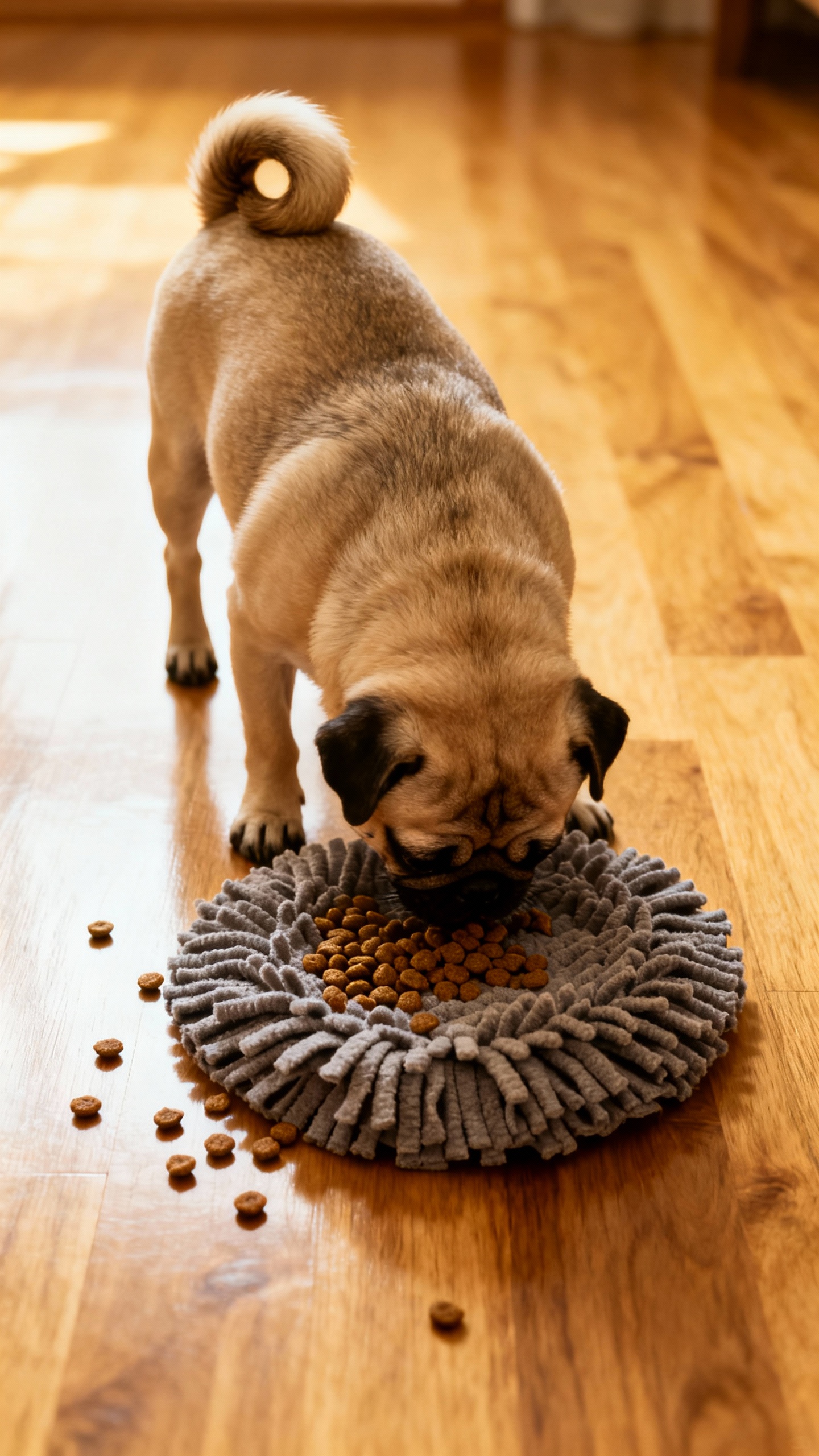
- Mental toys: Snuffle mats, lick mats, and food puzzles tire the brain.
- Calm greetings: Reward quiet behavior at the door. Don’t hype them up.
- Gentle socialization: New sounds and places at a speed they can handle.
Apartment-Friendly Routines
- Two 15–20 minute walks per day
- 5–10 minutes of training (sit, down, stay, place)
- Quiet chew time after dinner to wind down
Low-Bark, Low-Drama: Managing Triggers
Barking often comes from boredom, fear, or over-stimulation. You can help your small dog handle the world like a calm pro. Try this:
- Block the view: Frosted film or curtains to reduce window barking.
- Teach “quiet”: Mark and reward silence after one bark.
Consistency wins.
- White noise or soft music: Helps during deliveries or hallway noise.
- Guests = treats: Keep treats near the door and reward calm sits.
Breed-by-Breed Considerations
Some calm breeds come with quirks you should know. FYI: Health matters affect mood, and a comfortable dog stays calmer.
- Brachycephalic breeds (Frenchies, Pugs, Bostons): Watch heat, weight, and snoring-related sleep issues.
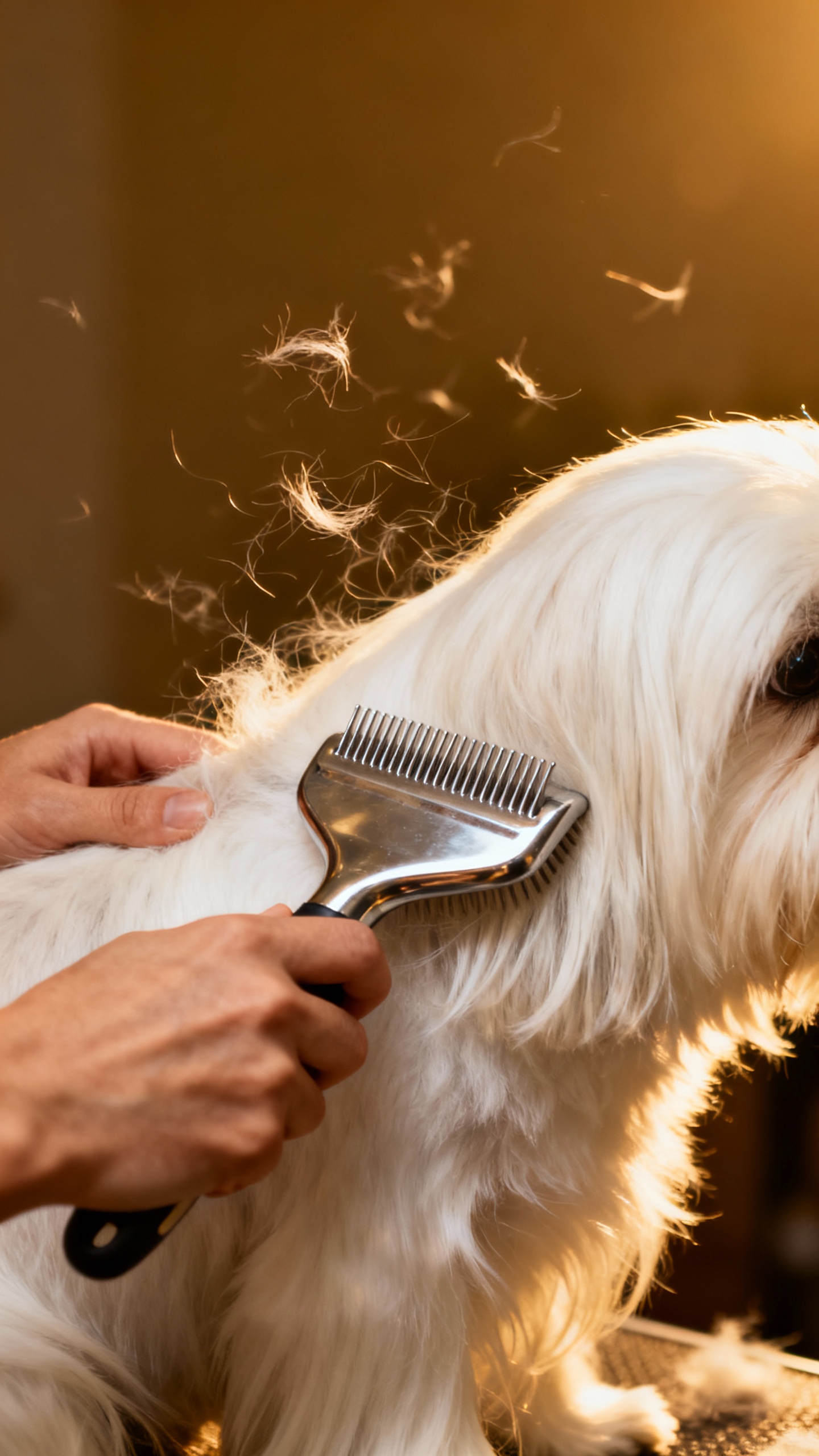
- Long-coated breeds (Shih Tzu, Maltese, Havanese): Grooming keeps skin comfy and behavior balanced.
- Sensitive souls (Japanese Chin, Brussels Griffon): Gentle handling and routine help them shine.
- Hounds (Basset): Nose-led. Use leashes and enrichment to keep that calm brain engaged.
Quick Comparison: Who Fits Your Life?
If you want minimal barking: Cavalier, Havanese, Japanese Chin If you want goofy and calm: Pug, French Bulldog, Boston Terrier If you want velcro-level cuddles: Maltese, Shih Tzu, Cavalier If you want mellow with character: Basset Hound, Brussels Griffon
FAQs
Do calm small dogs still need much exercise?
Yes, just not marathon-level.
Aim for 30–45 minutes total per day, split into short walks. Add a few minutes of training and puzzle play, and you’re golden.
Which calm small dog is best for first-time owners?
Cavalier King Charles Spaniels and Havanese rank high for ease, friendliness, and trainability. Pugs and Bostons also make great first dogs if you manage heat and keep them fit.
Are small dogs more anxious by default?
Not automatically.
Some small breeds bark more because people accidentally reward it or skip socialization. With good routines and clear training, plenty of small dogs stay confident and chill.
What about shedding and grooming for these breeds?
Pugs, Bostons, and Frenchies shed more but need minimal grooming. Shih Tzu, Maltese, and Havanese don’t shed much but need regular brushing and trims.
Pick your trade-off: vacuum or brush.
Can rescue dogs be calm, or should I get a puppy?
Rescues can be wonderfully calm—sometimes more predictable because their personalities already show. Meet them, ask detailed questions, and do a trial period if possible. Puppies are fun, but they’ll test your patience… and your shoes.
Will a calm dog still protect the house?
Most of these breeds alert-bark once, then chill.
If you want a tiny security guard, a Boston or Brussels may give a heads-up bark and then go back to napping. That’s honestly ideal IMO.
Final Thoughts
If you want a small dog with big chill, you’ve got options. Focus on temperament over hype, meet the individual dog, and build routines that reward calm.
Do that, and you’ll have a pint-sized best friend who keeps the vibes peaceful—and the neighbors happy.
Leave a Reply