
Dogs trust us with everything: their food, their naps, their favorite squeaky toy that makes your neighbors hate you. That’s a big deal. So let’s talk about the things we should never do to our dogs—because a happy, healthy dog equals a better life for everyone involved.
Some of these are obvious, others are sneaky. Either way, consider this your friendly (and slightly sassy) guide.
Never Skip Proper Socialization
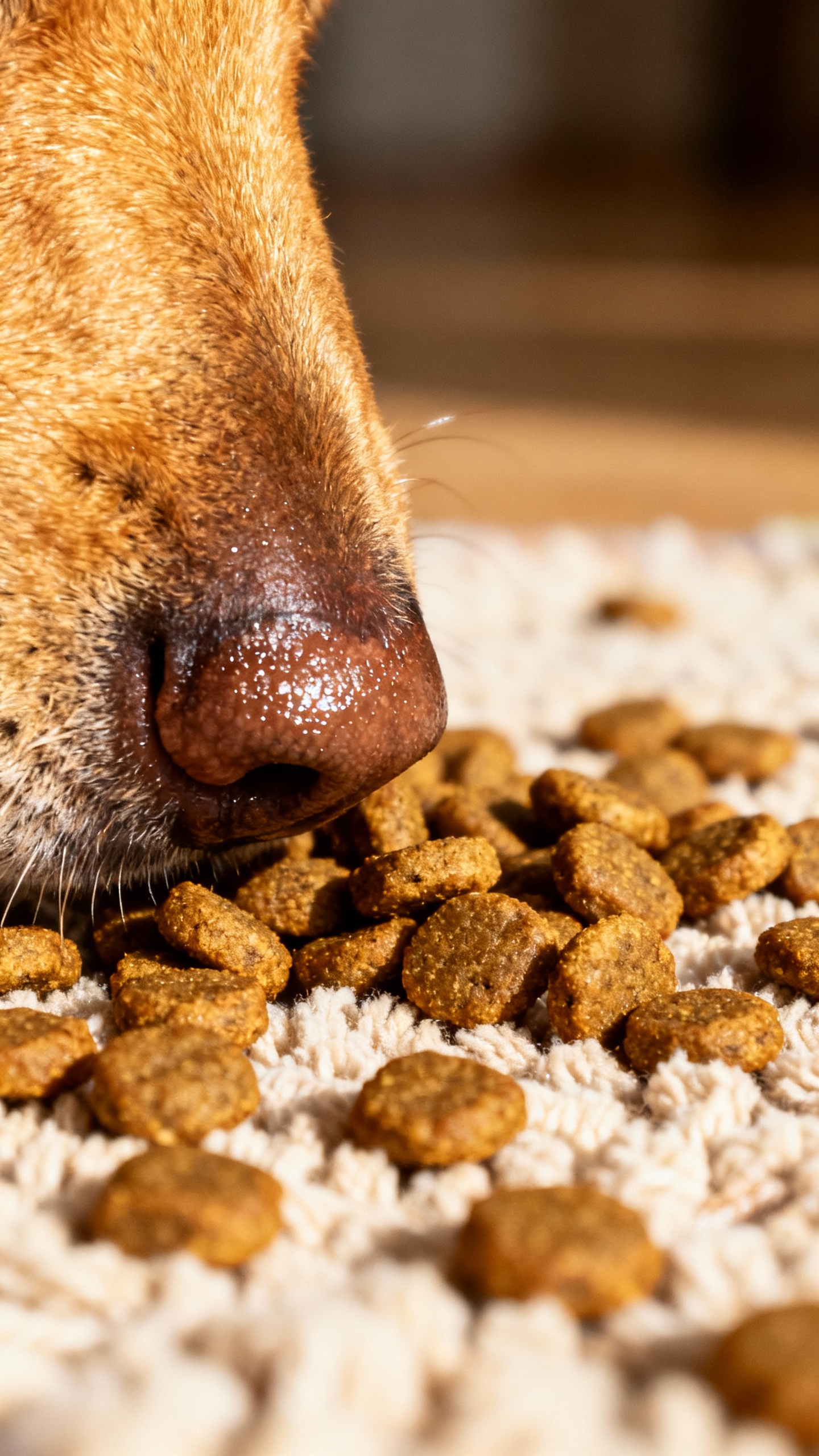
Puppies don’t just “figure it out.” They need safe, positive exposure to people, other dogs, sounds, and places. Skipping socialization can create fearful or reactive dogs who struggle with everyday life.
How to socialize without chaos
- Start early but go slow. Short, positive experiences beat long, overwhelming ones.
- Pair new experiences with treats and praise. “Strangers = snacks” is a winning formula.
- Avoid dog parks for young pups.
Controlled playdates work much better.
Don’t Use Harsh Punishment
Yelling, hitting, or using shock collars? Hard pass. Punishment damages trust and can make behavior worse. Fear-based training looks fast, but it backfires.
What to do instead
- Reward the behavior you want.
Mark and treat the good stuff.
- Redirect the bad stuff. Chewing shoes? Offer a chew toy and praise the switch.
- Teach simple cues with consistency.
Yes, treats are your friend. No, it’s not “bribery.”
Never Neglect Exercise and Enrichment
A bored dog becomes a chaos goblin. Physical exercise and mental stimulation prevent destructive behavior and boost overall well-being. Even couch potatoes need action.
Easy enrichment ideas
- Food puzzles, snuffle mats, or stuffed Kongs
- Nose work games—hide treats and let them “hunt”
- Training sessions for 5–10 minutes a day—new tricks, fun cues
- Varied walks—new routes, sniff breaks, different surfaces
Don’t Forget Vet Care (and Dental!)
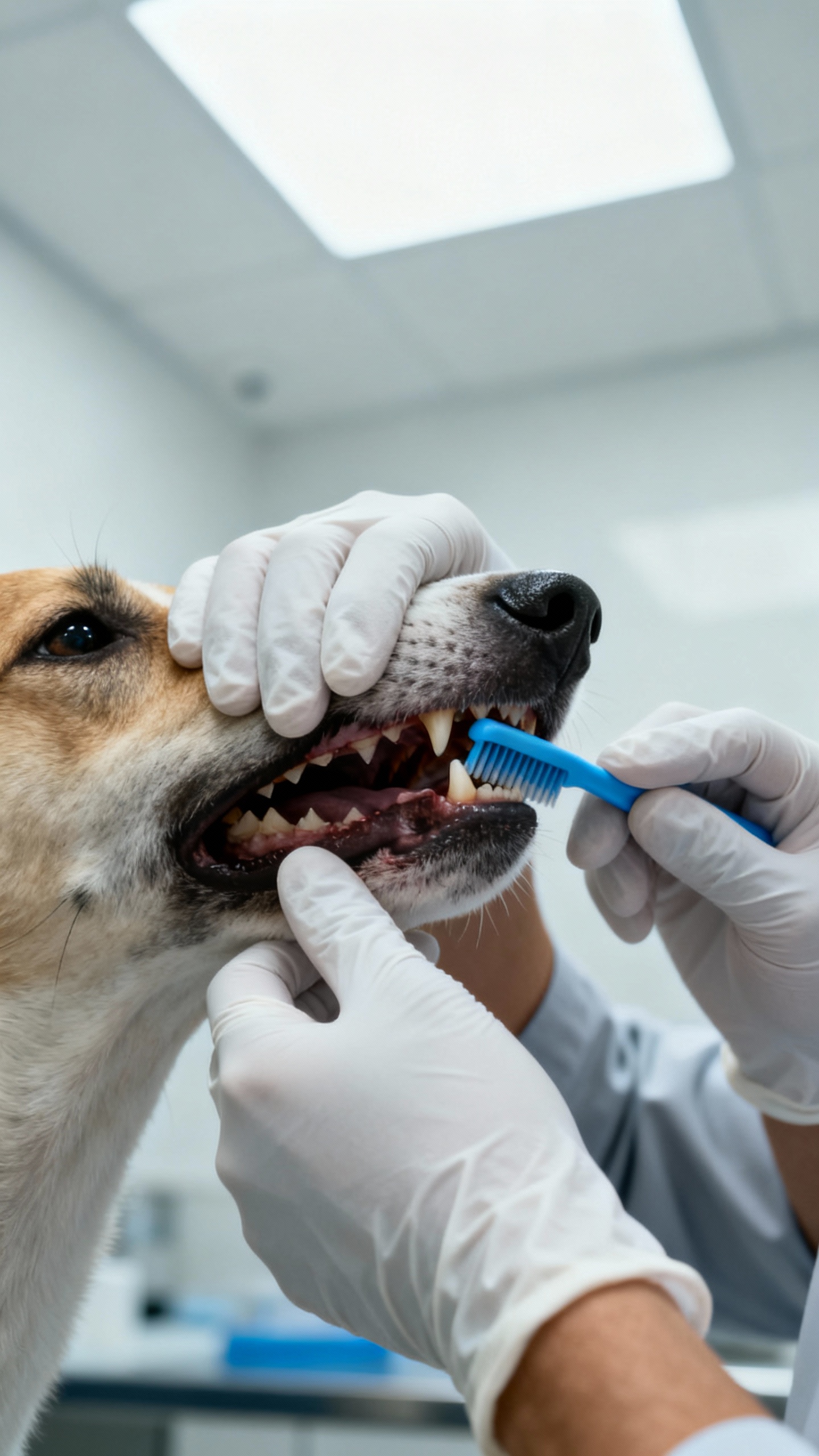
“I’ll wait and see” is not a health plan. Regular vet visits, vaccines, parasite prevention, and dental cleanings keep little problems from becoming big (and expensive) ones.
FYI: dental disease causes pain and affects organs.
Simple health checklist
- Annual wellness exam and bloodwork as recommended
- Up-to-date vaccines and heartworm/flea/tick prevention
- Teeth brushing 3–4 times a week, dental chews, or vet cleanings
- Weight checks—feel ribs easily, no “marshmallow waist”
Never Leave Dogs in Hot Cars
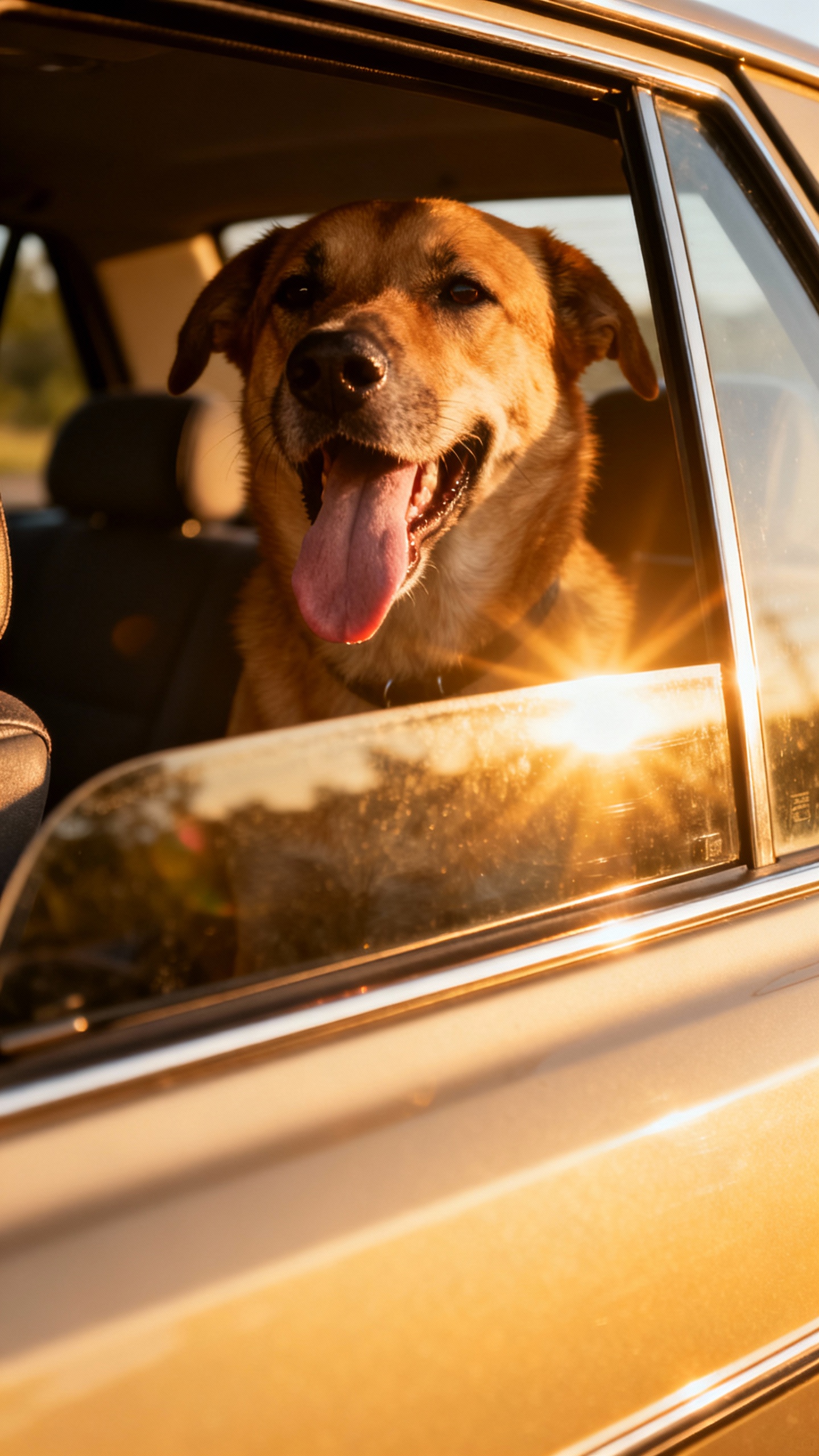
Windows cracked does nothing. Cars heat up fast and dogs overheat even faster. Heatstroke happens in minutes and can be fatal. If you can’t bring your dog inside, leave them home.
Heat safety basics
- Walk early or late in summer.
Asphalt burns paws—check with your hand.
- Carry water and rest often. Shade is not just “nice to have.”
- Know the signs: heavy panting, drooling, lethargy, vomiting. Cool them and call the vet immediately.
Don’t Rely on the Dog Park for Social Life
Dog parks sound like a dream.
Reality? Mixed energy, questionable etiquette, random dogs. Unsafe interactions can create fear or aggression. Dog parks can work for some, but not as a daily solution.
Better alternatives
- Playdates with known, compatible dogs
- Leashed group walks where dogs can parallel walk without pressure
- Structured daycare with supervision and temperament matching
Never Use Human Food Without Thinking
Yes, bacon smells like heaven.
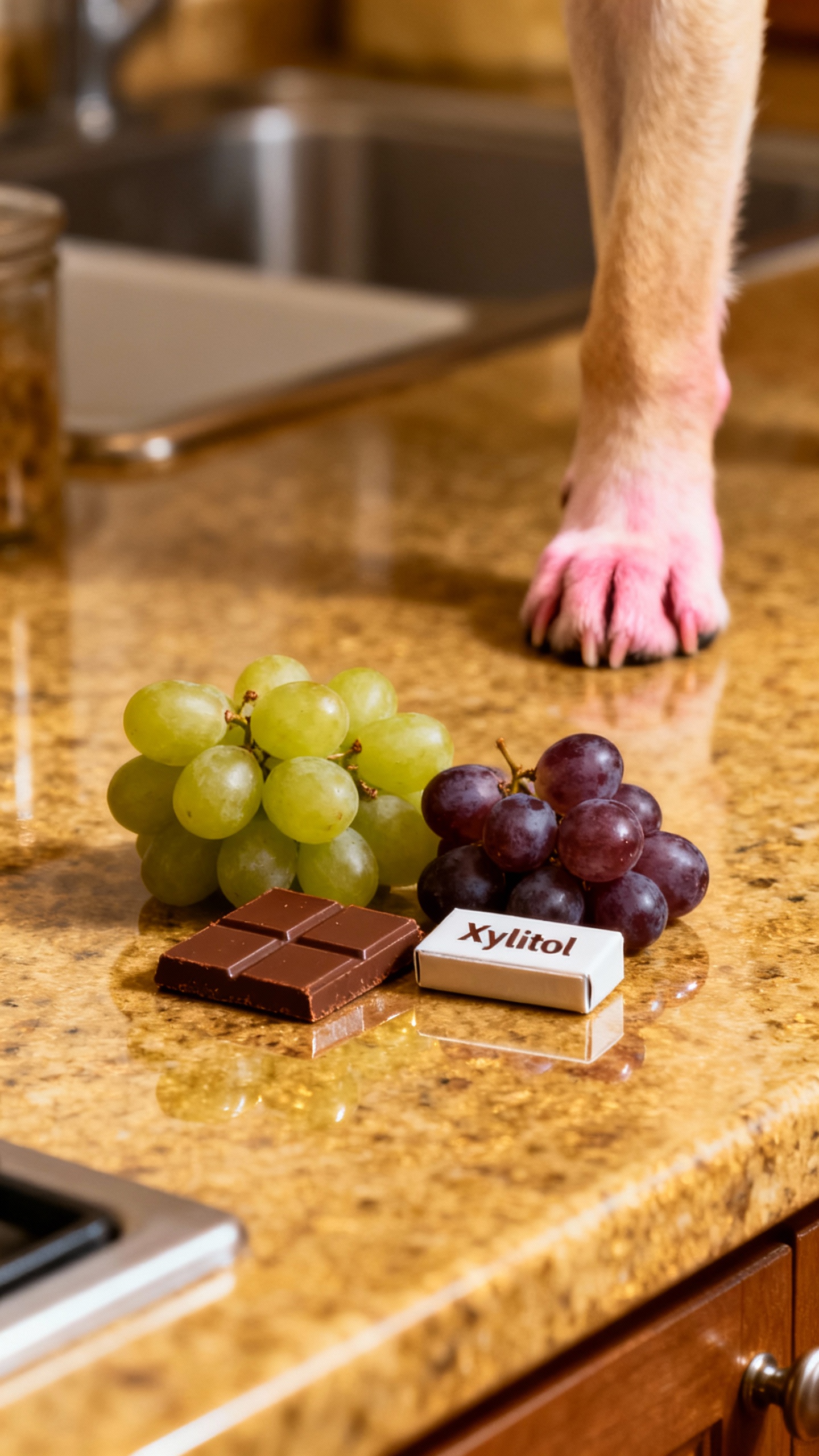
No, your dog should not inhale your charcuterie board. Certain foods are toxic and others pack on pounds fast.
Foods to avoid, period
- Grapes/raisins, chocolate, xylitol (in sugar-free gum), onions/garlic
- Alcohol, caffeine, macadamia nuts
- Cooked bones—splinters can cause serious internal damage
Healthy treat ideas
- Plain cooked chicken or turkey
- Blueberries, apple slices (no seeds), carrots
- Low-sodium green beans or pumpkin
Don’t Expect Them to Be “Fine” Alone for Hours
Dogs aren’t decorative rugs. Long stretches alone can create anxiety, destruction, and bathroom accidents. Even independent dogs need interaction and bathroom breaks.
Make alone time manageable
- Hire a dog walker or arrange midday breaks
- Use puzzle feeders and safe chews to pass the time
- Practice short departures to prevent separation anxiety
Never Skip ID and Safety Basics
Stuff happens—doors get left open, fireworks spook even chill dogs. Microchips and ID tags save lives. Leashes and secured yards prevent close calls (and TikTok-worthy escapes—IMO, not the kind of viral you want).
Safety must-haves
- Microchip with updated contact info
- Collar with readable ID tag and phone number
- Secure fencing; leash with a solid clasp
- Car restraints: crash-tested harness or crate
FAQ
Is crate training cruel?
Nope—when done right, crates feel like a den and provide safety.
Keep sessions short, pair with treats, and never use the crate as punishment. If your dog panics, scale back and build positive associations slowly.
How much exercise does my dog really need?
It depends on age, breed, and health. As a rule: 30–90 minutes daily, plus mental work.
Young herding or sporting breeds need the high end. Senior or brachycephalic dogs need gentler, shorter sessions.
What’s the best way to stop jumping on guests?
Prevent and train. Use a leash at the door, ask for a sit before greetings, and reward calm behavior.
If jumping happens, remove attention and try again—jumping only works if it gets a reaction.
Do dogs need professional training?
Not always, but it helps. A good trainer teaches you how to communicate and troubleshoot. Choose reward-based methods and check certifications and reviews—anyone can call themselves a trainer, so vet carefully.
How do I know if my dog is anxious?
Look for panting, yawning, pacing, lip licking, pinned ears, or avoidance.
Destruction or barking when alone also signals stress. Track patterns, modify the environment, and consult your vet or a behaviorist if it escalates.
Can I switch my dog’s food suddenly?
Please don’t. Sudden switches can cause stomach upset.
Transition over 7–10 days by mixing increasing amounts of the new food with the old. If your dog has GI issues or allergies, talk to your vet first.
Conclusion
Your dog doesn’t need perfection—they need consistency, kindness, and a bit of common sense. Avoid these no-go moves, and you’ll build real trust and better behavior.
Keep training fun, keep safety tight, and keep the treats handy. IMO, that’s the recipe for a life well spent—with a tail that never stops wagging.
Leave a Reply