
Your dog locks eyes with you again. Not creepy, exactly—just intense. Like they’re reading your thoughts or waiting for you to do something brilliant (no pressure).
Here’s the deal: that stare means more than you think, and some of the reasons might surprise you.
They’re Trying to Read Your Face
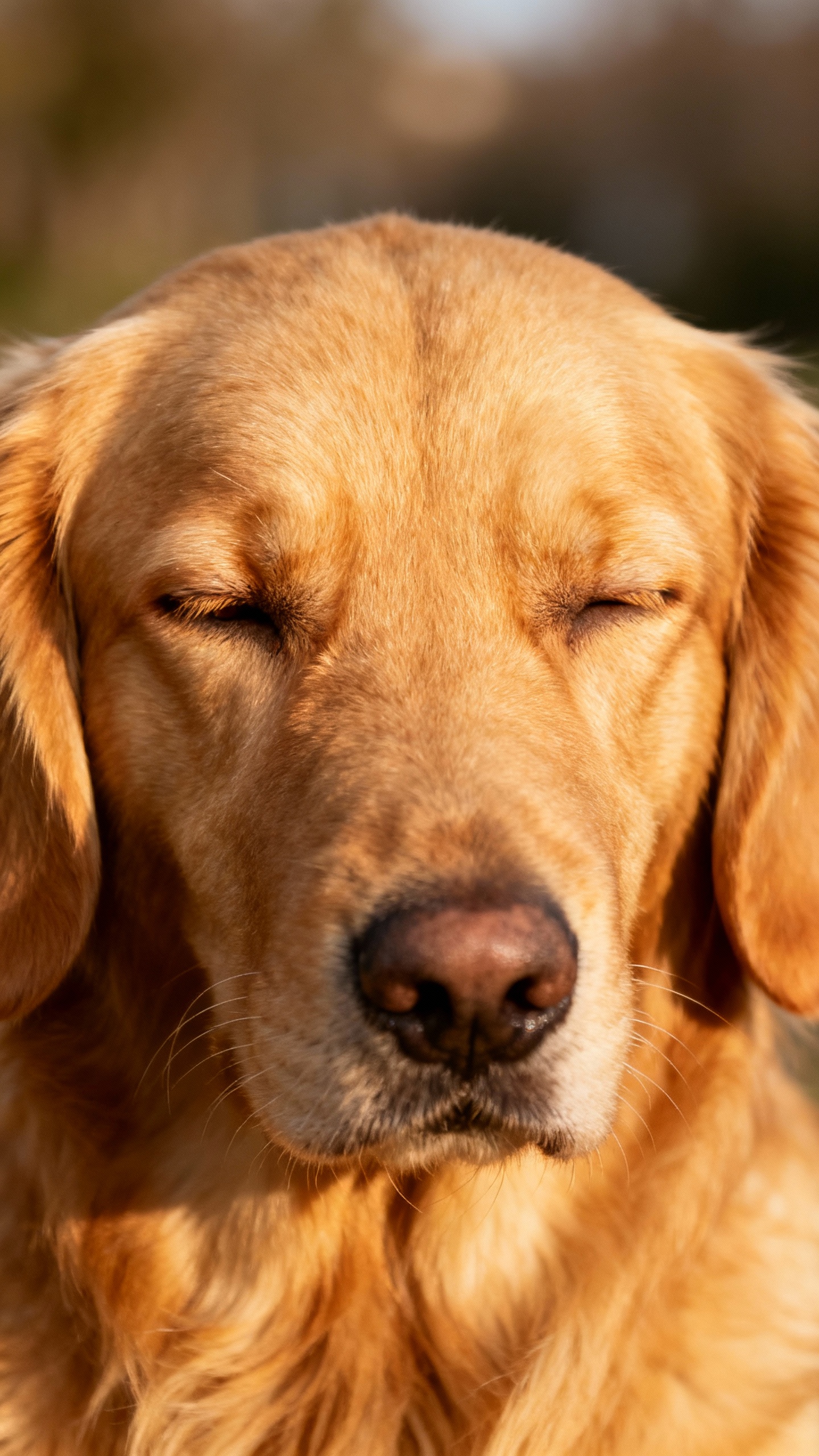
Dogs watch humans like it’s their full-time job. They track your eyebrows, your mouth, your posture—everything. That stare helps them predict what you’ll do next. Translation: Your dog studies you because your face gives away food, walks, playtime, or couch snuggles.
You’re basically a very expressive vending machine.
Micro-movements they notice
- Eyes widening: Excitement? Playtime is coming.
- Shoulders dropping: Finally sitting down? Nap buddy mode activated.
- Hand going toward the counter: Snack alert, obviously.
They Want Something—And You Know Exactly What
Sometimes the stare screams, “Open the door,” “Throw the ball,” or “Share your sandwich.” Dogs discover that staring works, so they use it like a polite nudge. Pro tip: If you reward the stare with treats or attention every time, you’ll train a professional beggar.
IMO, set a cue like “What do you want?” and reward only when they offer a clear alternative behavior—sit, paw, or go to their mat.
They’re Bonding (Yes, It’s Love)
Eye contact can release oxytocin in both dogs and humans. That’s the same hormone involved in bonding between parents and babies. Wild, right? Make it intentional: Have a short “soft eyes” moment during calm times.
Keep your gaze relaxed, blink slowly, and speak gently. Your dog will melt, and you might too.
When the stare feels intense
If your dog stiffens, holds their mouth tight, or freezes while staring, that’s not bonding—that’s stress. Give space and remove pressure.
FYI, some dogs find direct eye contact threatening, especially unfamiliar ones.
They’re Waiting for Instructions
Dogs who love training use eye contact as a default behavior. They’re basically saying, “What’s next, boss?” You taught them (even accidentally) that looking at you pays off.
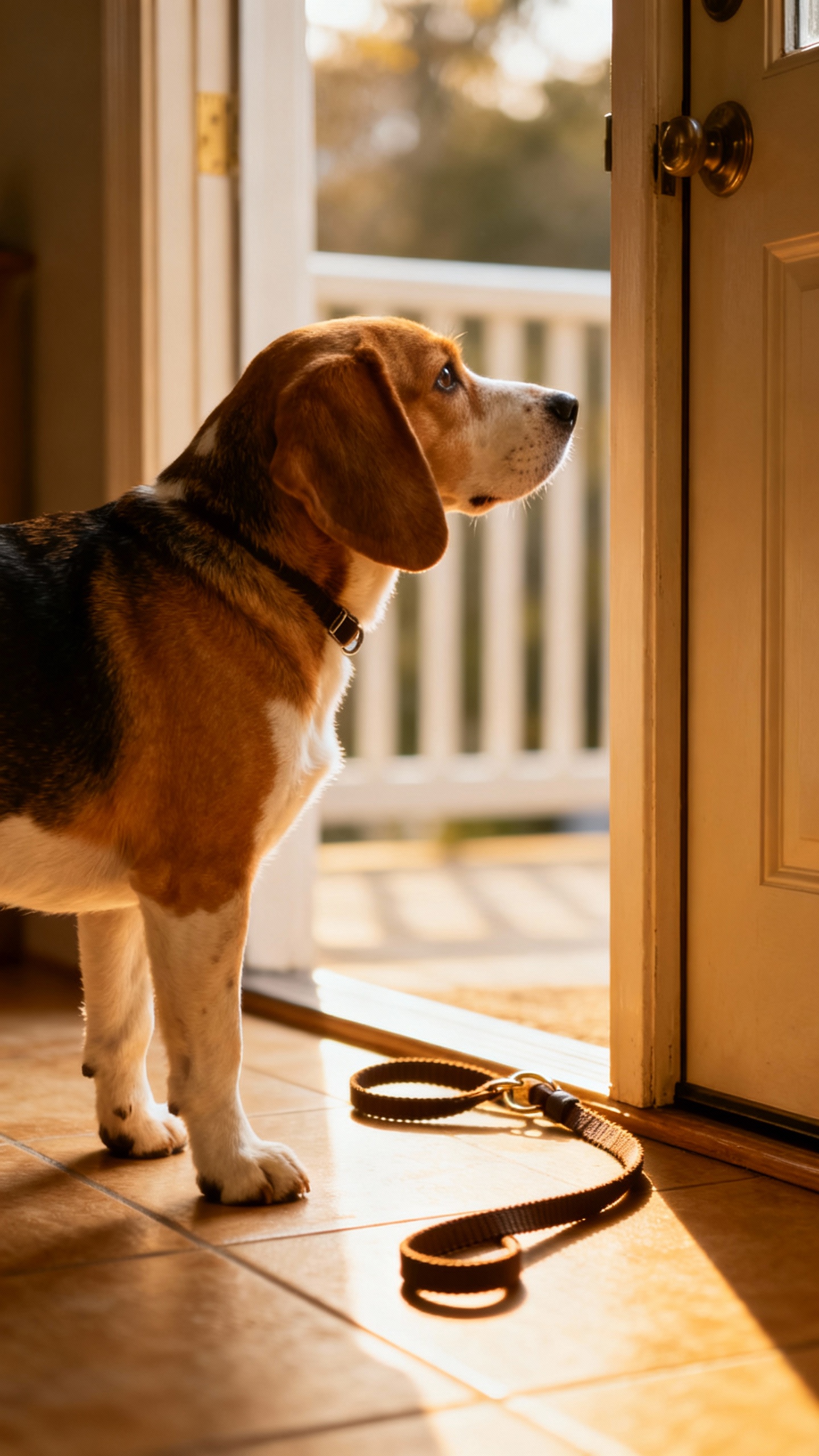
- Before walks: Staring means “Clip the leash already.”
- During training: Eye contact checks in and resets focus.
- On walks: A glance back means “We still good?”
Quick game: Name that stare
- The Expectation Stare: Loose body, wagging tail, ears soft. “Let’s do stuff.”
- The Ask Stare: Looking at you, then the door, then you. “You get it, right?”
- The Detective Stare: Head tilt, ears perked. “What did you just say: walk?”
They’re Bored Out of Their Furry Minds
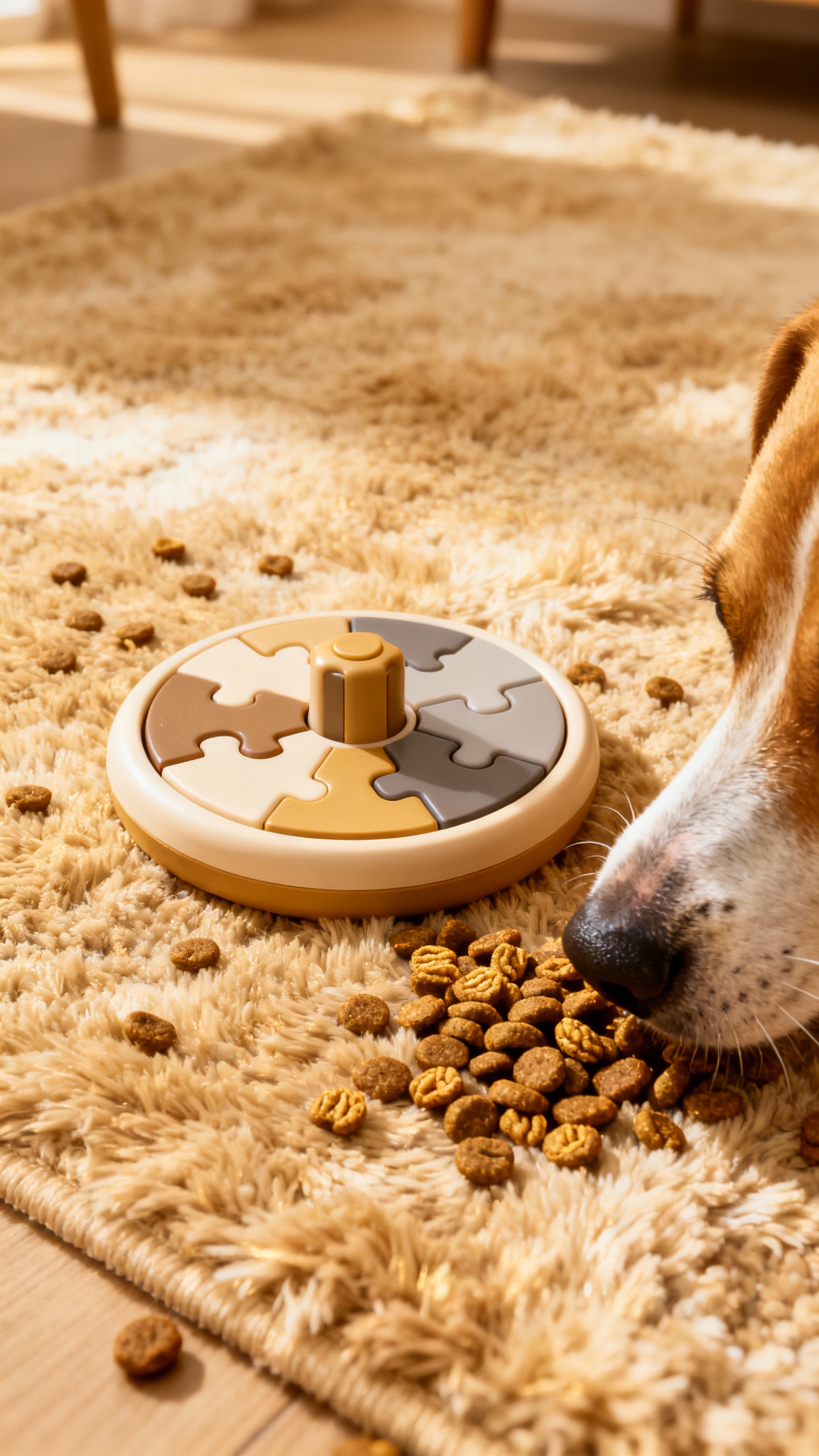
A long, restless stare often means your dog needs a job. Mental exercise tires them out faster than running laps in the yard. Easy fixes:
- Snuffle mats or scatter feeding—turn mealtime into a mission.
- Rotate puzzle toys so they don’t get predictable.
- Teach a new trick: spin, bow, or find-it.
They’re Guarding You (A Little)
Some dogs watch their people like security detail.
They’re not necessarily aggressive—they just like to keep tabs on their favorite human. Signs of “bodyguard mode”:
- Dog places themselves between you and the door.
- They stare at you, then scan the room.
- They relax only when you relax. Sweet but clingy.
How to dial it down
Reward calm independence. Give a chew on a bed across the room.
Teach “place,” and gradually increase distance. Your dog isn’t your shadow—they’re a fully capable individual (who enjoys treats).
They’re Trying to Decode Your Schedule
Dogs thrive on patterns, not clocks. Your stare-down might happen right before dinner or your usual walk time.
They synced with your routine so precisely that it feels psychic. Pro move: Vary the routine slightly. Walk at 5:15 instead of 5. Feed 10 minutes later sometimes.
Your dog will become more flexible—and less likely to stare you into submission at exactly 4:59.
They Feel Anxious and Need Reassurance
Anxious dogs look to you for safety. If thunderstorms, new environments, or visitors stress them out, they’ll lock in on you. What helps:
- Calm, predictable responses. You stay cool; they copy you.
- Counterconditioning: pair scary sounds with treats at low volume.
- Teach a go-to behavior like “touch” or “mat” to give them control.
They’re in Pain or Not Feeling Right
This one matters.
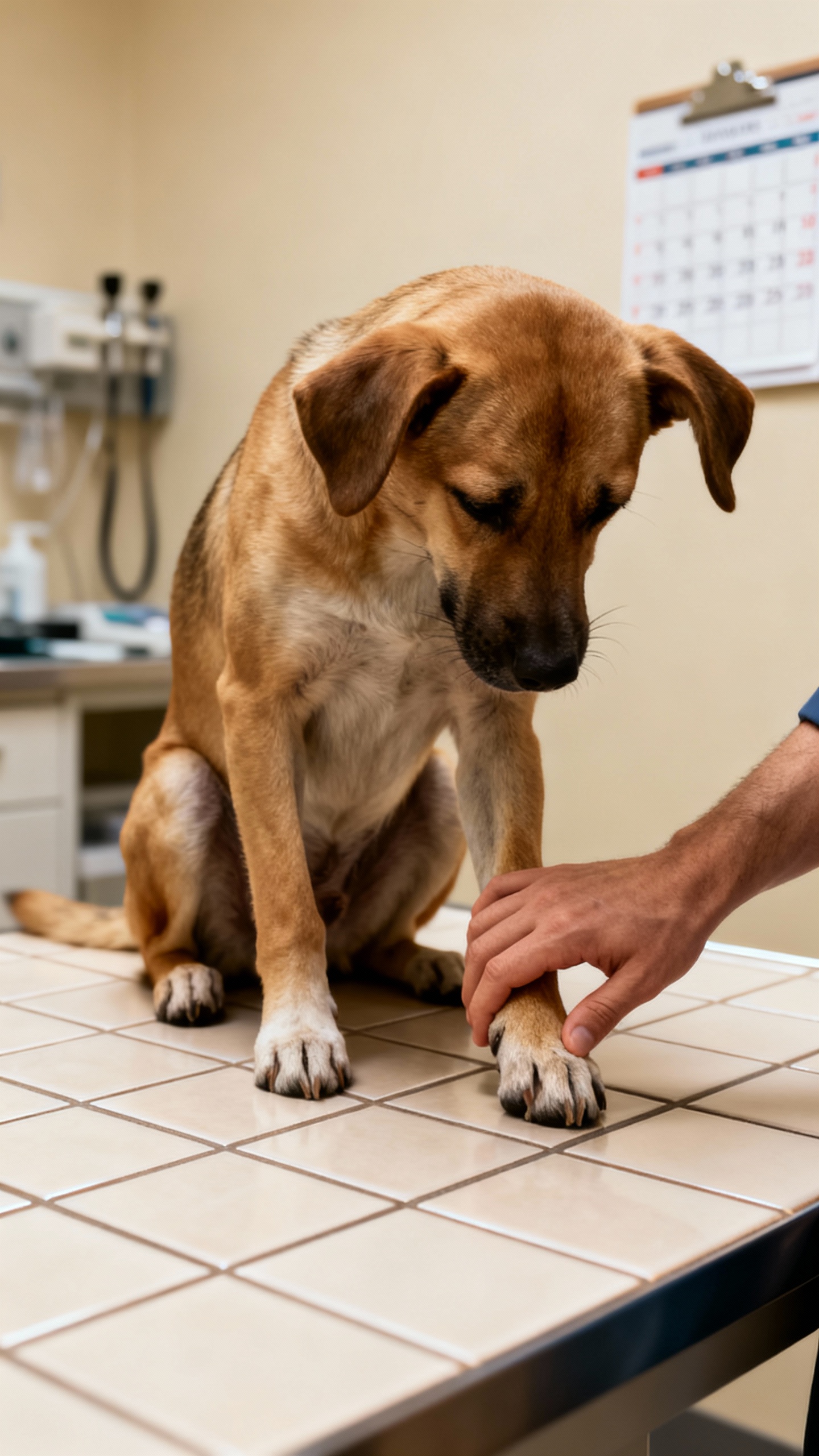
Dogs sometimes stare when they don’t feel good. It’s their way of asking for help. Watch for:
- Restlessness or pacing
- Changes in appetite or thirst
- Hunched posture or licking a specific area
If the stare feels different—more pleading or clingy—call your vet. Better safe than sorry, IMO.
They’re Just…Dogs
Sometimes there’s no mystery.
Your dog stares because they like looking at you. You’re their person. You’re the source of all things great and squeaky. Embrace it: Smile back, give a gentle ear rub, or throw that toy already.
They don’t overthink it. Maybe we shouldn’t either.
FAQs
Is it okay to stare back at my dog?
Yes, but keep it soft. Blink, relax your face, and don’t loom over them.
If your dog looks uncomfortable—ears pinned, body stiff, lip licks—turn slightly away and give them space. Make eye contact feel safe and positive.
Why does my dog stare at me while pooping?
Dogs feel vulnerable during bathroom breaks. They stare at you to check for safety and reassurance.
It’s basically, “You got my back?” A quick “You’re good, buddy” does the trick.
Why does my dog stare at me when I sleep?
They might wait for you to wake up, guard you, or hope you roll over and create prime snuggle real estate. If it bothers you, teach a bedtime routine with a cue like “place” and reward them for staying on their bed.
Is staring a sign of aggression?
Sometimes, but context matters. Aggressive staring includes a hard, unblinking gaze, stiff body, closed mouth, and stillness.
Friendly staring looks soft with blinks, relaxed posture, and maybe a tail wag. When in doubt, create distance and redirect.
Can I train my dog to stare for focus?
Absolutely. Teach a “watch me” cue.
Hold a treat by your eye, mark the moment they make eye contact, and reward. Keep sessions short and fun. This skill helps during walks, around distractions, and in training.
Why does my dog stare at me when I eat?
History.
Someone, somewhere (maybe you, maybe “not you”), fed that dog from the table once. If you want it to stop, ignore the stare completely and reward only when they lie on their mat during meals.
Conclusion
Your dog’s stare isn’t random—it’s communication. Sometimes it means “teach me,” sometimes “help me,” and sometimes “I adore you, human.” Pay attention to the body language around the eyes, not just the eyes themselves.
Decode the pattern, meet the need, and enjoy the weirdly sweet experience of being someone’s favorite TV show.
Leave a Reply