
Your dog doesn’t care about your job title, your car, or your yoga streak. They care about you showing up with love, consistency, and snacks. The good news?
You can boost your dog’s happiness with small, daily habits that actually fit your life. Ready to make your pup’s tail do the helicopter thing? Let’s go.
1) Speak Their Love Language: Quality Time
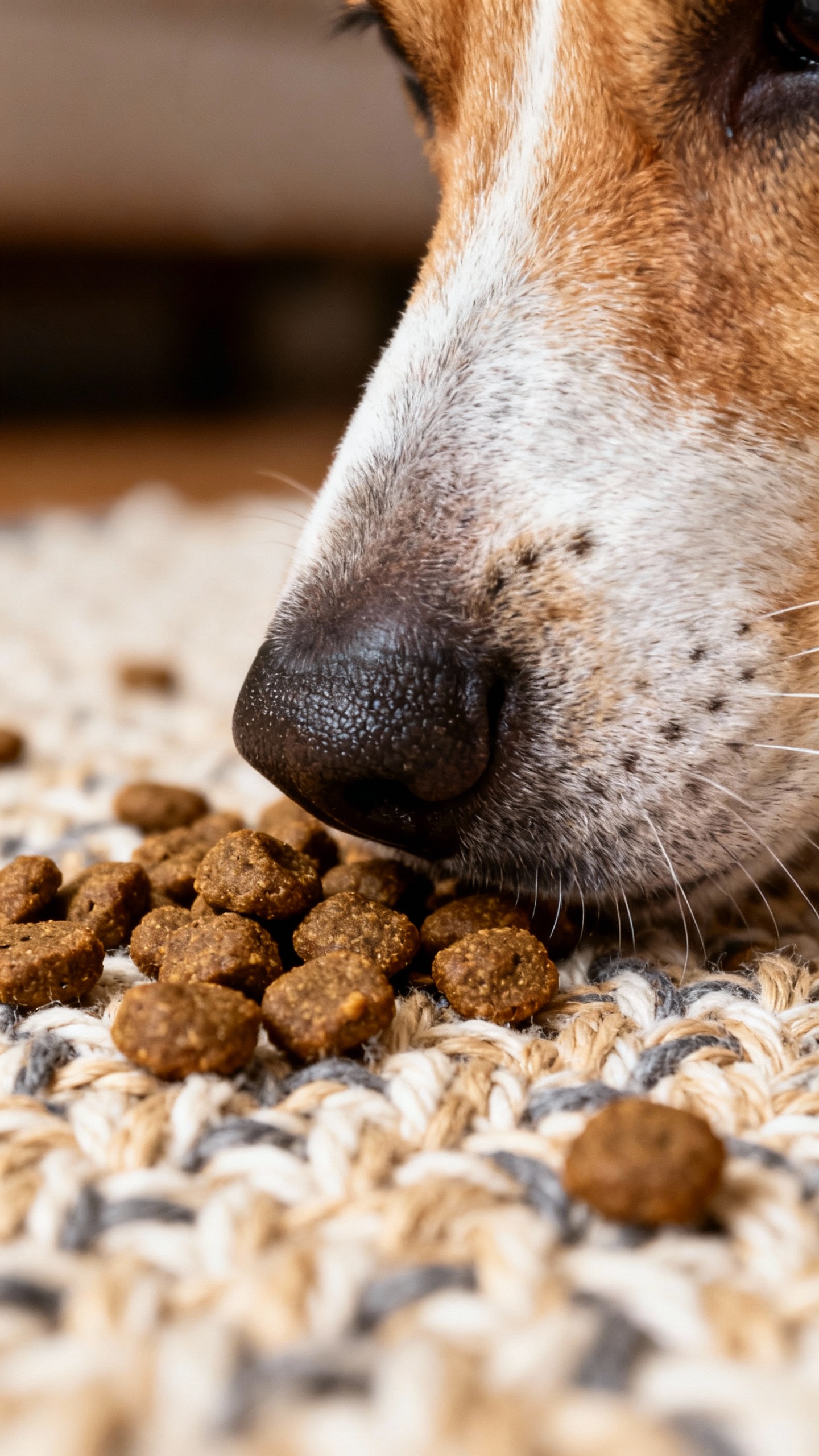
Your dog wants your attention more than a fancy toy.
Ten focused minutes beats two hours of half-scrolling, half-petting. Put your phone down and be present.
- Play short games: tug, fetch, or a quick flirt pole session.
- Practice a few cues: sit, down, touch. Keep it fun and reward often.
- Couch cuddles count: if your dog likes snuggles, lean in.
Micro-bonding moments
Use commercial breaks or coffee brew time to toss a toy, do a treat scatter, or give a gentle ear rub.
Small moments stack up fast.
2) Learn to “Listen” to Your Dog
You show love when you respect boundaries. If your dog flattens ears, turns away, or yawns during hugs, they politely say “no thanks.” Believe them.
- Watch their tail: loose and wiggly = happy; stiff and high = alert; tucked = nervous.
- Check consent: pause petting. If they nudge in, continue.
If they walk away, stop.
- Advocate for them: limit unwanted greetings from strangers or pushy dogs.
Body language basics
Look for soft eyes, wiggly hips, and relaxed mouth for comfort. Lip licking, whale eye, and frozen posture mean stress. IMO, learning this changes everything.
3) Feed Their Brain, Not Just Their Belly
A bored dog invents chaos.
Enrichment tells your dog, “I see your brain, and I love it.”
- Food puzzles: snuffle mats, lick mats, puzzle feeders.
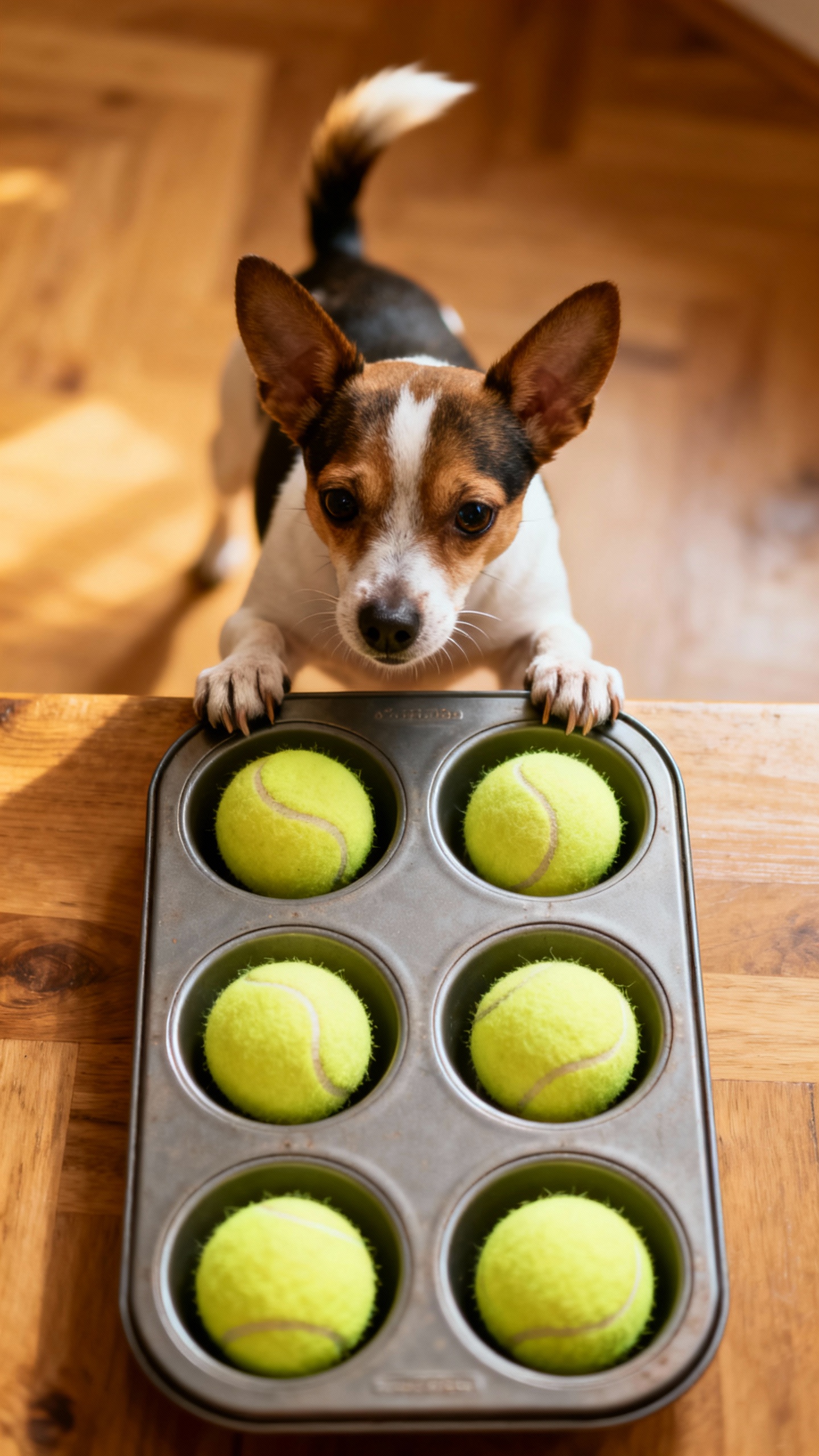
- DIY games: muffin tin + tennis balls + kibble = instant challenge.
- Sniffari walks: slow, sniff-heavy walks that let them read the “pee-mail.”
Rotate, don’t hoard
Offer 2-3 enrichment options at a time and rotate weekly. Novelty keeps things exciting without blowing the toy budget. FYI, frozen Kongs are elite.
4) Build a Routine They Can Rely On
Dogs love predictability.
It lowers stress and helps them settle because they know what’s next.
- Anchor points: consistent times for meals, walks, and bedtime.
- Departure cues: keep exits boring and low-key to reduce separation anxiety.
- Daily “special” time: even 10 minutes of play at the same time each day works magic.
Rituals that soothe
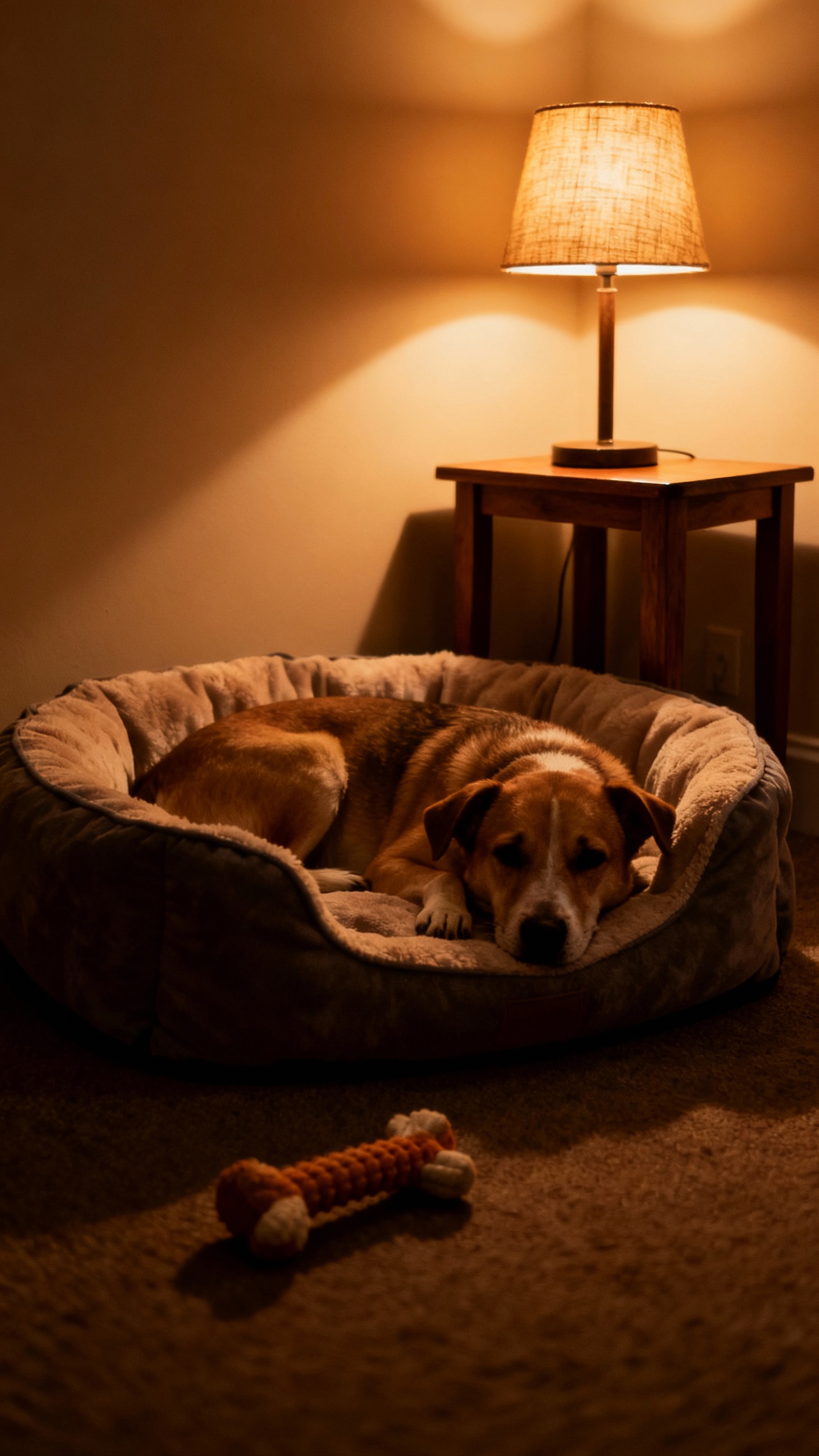
Create a pre-bed routine: last potty, soft music, a chew, lights dim. Repeat nightly. Watch them melt into their bed like butter.
5) Touch That Heals (When Invited)
Thoughtful touch builds trust.
Don’t go straight for the top of the head like a claw machine.
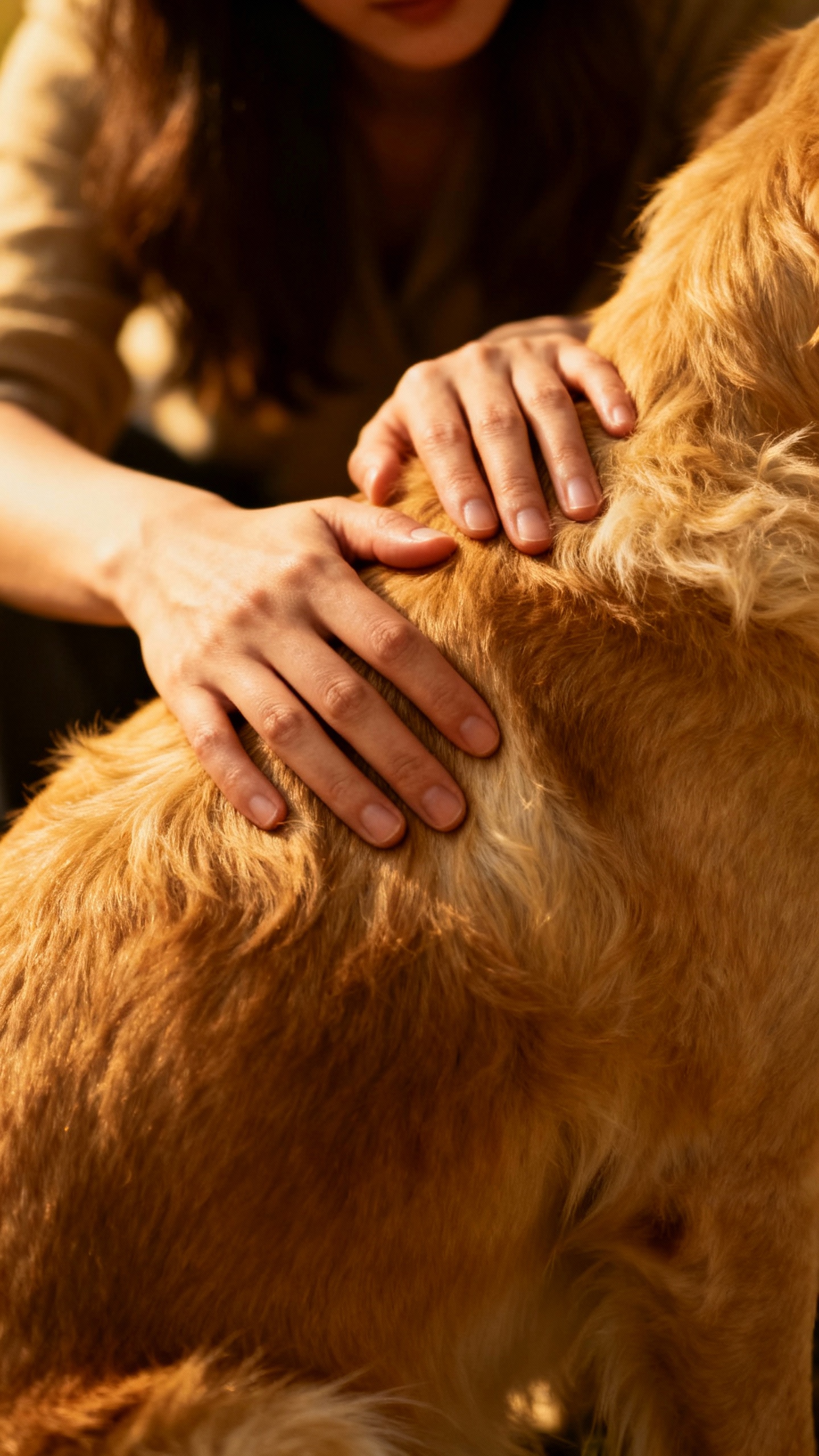
- Start at the chest or shoulders: most dogs prefer that to head pats.
- Slow rubs, not frantic pats: slow = calming; fast = arousing.
- Massage basics: long strokes along the back, gentle circles on shoulders and hips.
Grooming as bonding
Short, positive brushing sessions with treats build comfort. Introduce nail trims gradually. Reward each step.
You’ll thank me later.
6) Make Training a Game (Because It Is)
Training equals communication. Done right, it feels like a game and boosts confidence.
- Keep sessions short: 3–5 minutes, a few times a day.
- Reward generously: tiny treats, happy voice, play breaks.
- Teach useful cues: “leave it,” “touch,” and “place” help daily life.
Confidence-building wins
Try simple agility at home: step over broomsticks, weave around cushions, hop on a low stool. Celebrate every success.
FYI, small wins compound fast.
7) Upgrade Walks From Chore to Adventure
Walks aren’t just potty breaks. They’re your dog’s most exciting newsletter. Let them read it.
- Vary routes: new smells, new sights, new brain fuel.
- Let them sniff: you scroll; they sniff.
Fair trade.
- Mix in play: do a few “find it!” treat tosses or practice quick cues for fun.
Gear that helps
Use a well-fitted harness and a 6–8 ft leash. Save retractables for open, safe spaces. Your shoulder will send a thank-you note.
8) Create a Safe, Cozy Den
Your dog needs a retreat where nobody bugs them.
Think “spa day,” but daily.
- Comfy bed in a quiet corner: away from heavy traffic and slamming doors.
- White noise or soft music: great for anxious pups.
- Chew bar included: safe chews help them decompress.
Crate love, not crate guilt
If you use a crate, make it a happy place. Toss treats in, feed meals there, keep the door open at first. Crate = chill zone, not punishment.
9) Prioritize Health Without Drama
Love also looks like vet care, good food, and dental attention.
Not glamorous, but huge.
- Annual checkups: catch issues early.
- Quality diet: choose complete, balanced food appropriate for age and size.
- Dental routine: brush teeth a few times weekly or use vet-approved chews.
Weight matters (sorry!)
Extra pounds strain joints and shorten lifespans. Ask your vet for a target weight and a feeding plan. IMO, a measuring cup is love in plastic form.
10) Let Them Be a Dog
Your dog needs to chew, dig, sniff, and zoom.
Channel it, don’t fight it.
- Chew options: rotate safe chews to satisfy that jaw.
- Dig pit: sandbox or a designated corner with buried toys.
- Sniff time: build it into every walk. Non-negotiable.
11) Socialize Thoughtfully, Not Randomly
Not every dog wants a crowded dog park. Choose quality interactions.
- Dog friends that match energy: pair play styles, monitor breaks.
- People introductions: slow and positive, let your dog approach first.
- Opt out when needed: your dog’s comfort beats social pressure every time.
Green flags during play
Look for soft bodies, play bows, role reversals, and frequent pauses.
Step in if arousal spikes or one dog looks done.
12) Say “I Love You” in Daily Habits
Consistency wins. Fancy gestures are optional. Your dog cares about how you show up every day.
- Greet them warmly when you walk in the door.
- Use a happy voice and their name with affection.
- Offer choices (toy A or toy B, this route or that).
- End the day with calm—a cuddle, a chew, a quiet chat.
Yes, they love your voice.
FAQs
How much time should I spend actively playing with my dog each day?
Aim for 20–40 minutes total, split into short sessions. High-energy or working breeds often need more, while seniors may prefer gentle play and sniffy walks. Watch your dog’s energy to find the sweet spot.
What’s one change that makes the biggest difference fast?
Add a daily “sniffari” walk.
Let your dog lead the pace and sniff everything safely. It tires the brain, reduces stress, and improves behavior almost immediately.
Are treats necessary to show love?
Treats help, but variety works better. Mix food rewards with play, praise, and life rewards (like going out the door or hopping on the couch).
Keep treats small and high-value to avoid overfeeding.
My dog doesn’t like cuddles—do they still love me?
Absolutely. Some dogs prefer space or show affection through play, following you around, or bringing toys. Respect their style and offer affection in the ways they enjoy.
That’s real love.
How do I balance training with fun?
Blend them. Train for a few minutes, then play tug or fetch as the reward. Keep sessions upbeat and end while your dog still wants more.
You’ll both look forward to it.
What if my schedule is packed?
Use micro-sessions: two minutes of training, one puzzle feeder, and a short sniffy loop. Consistency matters more than duration. Stack habits around routines you already have—coffee time, lunch break, TV ads.
Conclusion
You don’t need a perfect routine or a backyard obstacle course to make your dog feel loved.
You just need consistency, attention, and a little creativity. Meet their needs, listen to their body language, and celebrate the everyday moments. Do that, and your dog will feel like the luckiest pup on the planet—because, IMO, they are.
Leave a Reply