
Dogs don’t ask for much—just your entire heart, half your bed, and the snack you’re eating. The good news? You can turn an ordinary day into a tail-thumping parade with a few simple habits.
If you want a happier dog (and a calmer household), try these fun, low-effort ideas that actually work. Ready to become your dog’s favorite human? Let’s go.
Make Walks Their Daily Highlight
Walks mean more than bathroom breaks.
They’re about sniffing, exploring, and decoding every blade of grass like it’s breaking news. Give your dog time to sniff, set a loose pace, and mix up your routes.
- Sniffari walks: Let your dog lead (within reason) and sniff to their heart’s content. Mental exercise tires them out more than a sprint.
- Vary the environment: Park one day, neighborhood the next.
Novelty keeps walks exciting.
- Train on the go: Practice sit, stay, and recall between sniff stops. It builds focus and confidence.
Leash Gear That Helps
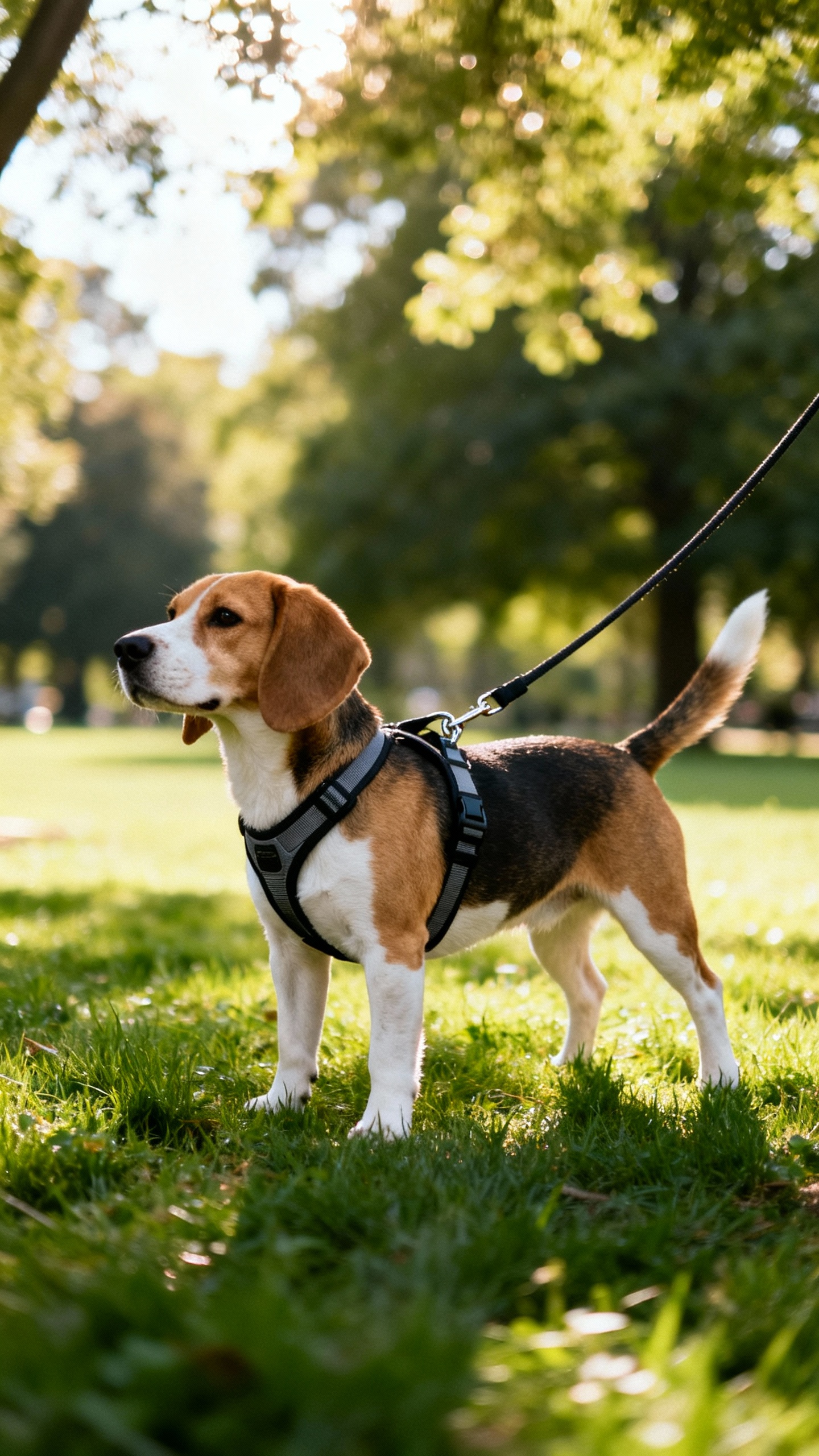
- No-pull harness: Reduce tug-of-war without turning your shoulder into a casualty.
- Long line (15–30 ft): Great for recall practice in open spaces.
- Waste bag holder + treats: You never regret bringing treats. Ever.
Feed Their Brain, Not Just Their Belly
Bored dogs invent jobs.
Usually terrible ones, like “redecorate the couch.” Keep their brain busy with puzzle feeders, scent games, and short training sessions.
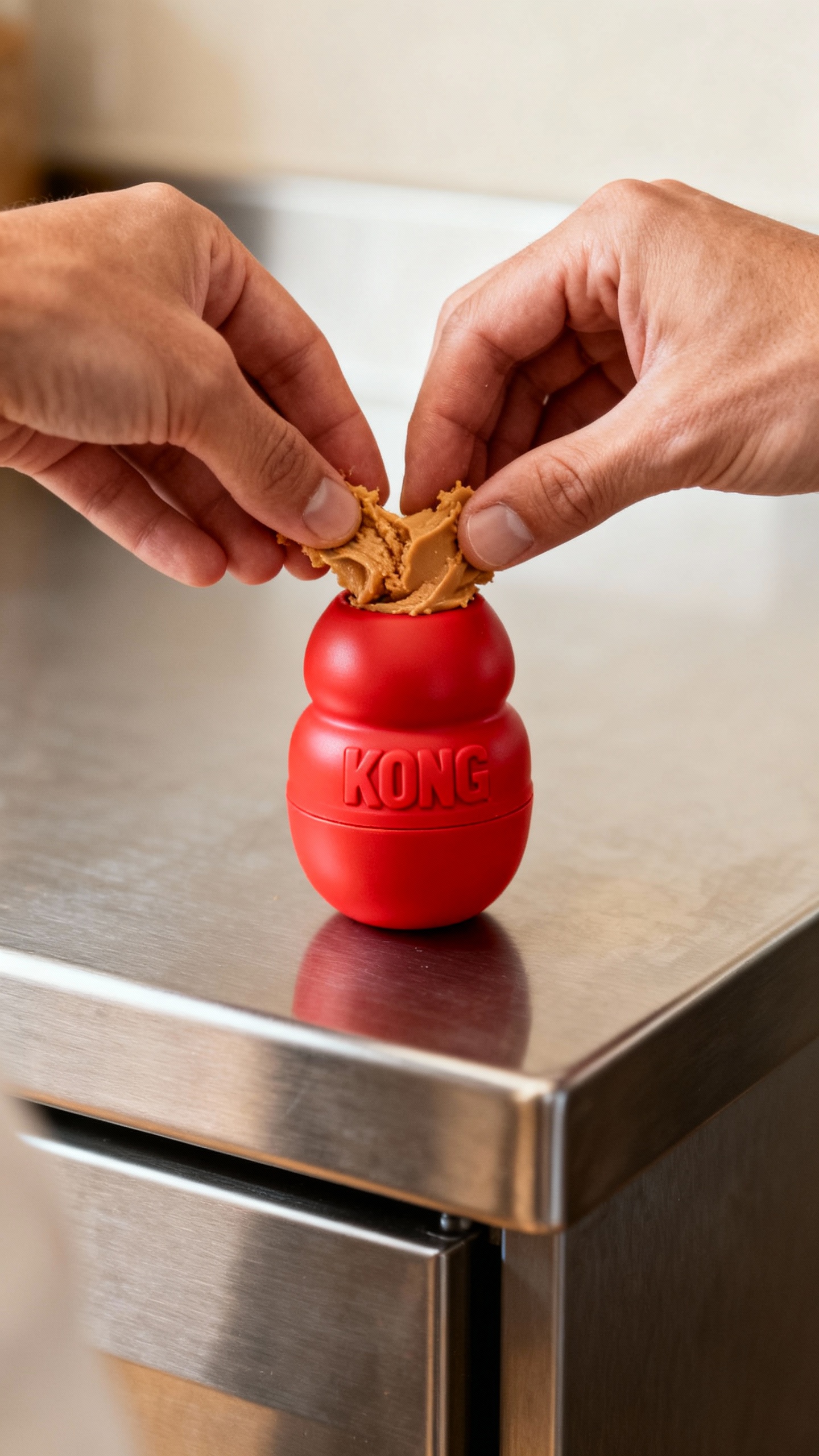
- Food puzzles: Kongs, snuffle mats, and slow feeders turn mealtime into enrichment.
- Training snacks: Five-minute sessions twice a day crush boredom and build manners.
- Scent games: Hide treats around the house and say “find it!” They’ll go full detective mode.
Quick Brain Burners
- Shell game: Hide a treat under one of three cups. Shuffle. Let them pick.
- Name the toy: Teach the names of two toys.
Build a mini vocabulary over time.
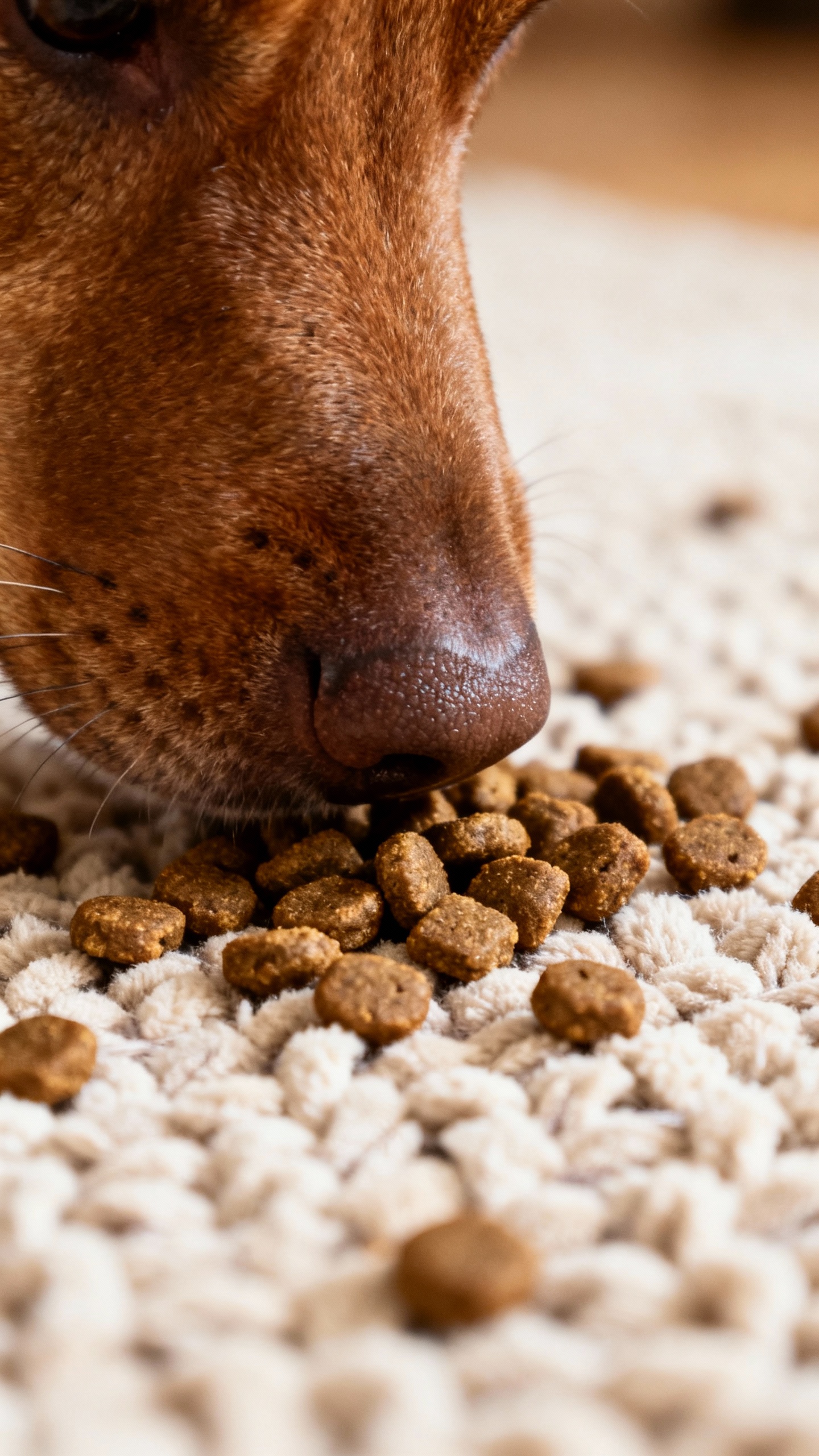
- Scatter feeding: Toss kibble in the yard or on a rug for a slow, sniffy meal.
Train With Kindness (and Snacks)
You don’t need military bootcamp vibes. You need patience, timing, and high-value treats. Positive reinforcement gets results faster and keeps your dog eager to learn.
- Reward the good stuff: Catch them doing something right and mark it with a “yes!” or a click.
- Keep it short: 3–5 minutes per session.
Quit while you’re winning.
- Level up gradually: Add distractions slowly so your dog learns to focus anywhere.
Core Skills That Pay Off
- Recall: The “come” that actually works. Practice on a long line with jackpot treats.
- Settle on a mat: Teach them to relax in busy settings. Your dinner table will thank you.
- Leave it: For when life drops a chicken bone on the sidewalk.
You’ll use this constantly.
Play To Their Breed and Personality
Not every dog wants fetch. Some want to tug. Some want to herd your ankles (thanks, border collies).
Match play to your dog, not Instagram’s idea of a “good dog.”
- Fetch addicts: Use a ball launcher and add “drop” for sanity.
- Tuggers: Tug builds confidence and impulse control. Add rules: cue to start, cue to stop.
- Sniffers: Hounds and curious pups love nose work games and tracking lines.
- Thinkers: Herding and working breeds crave tasks. Teach chores like “bring the leash” or “close the drawer.”
Safe, Fun Play Sessions
- Short bursts: Avoid overexertion, especially in heat or with young/older dogs.
- Soft surfaces: Grass beats concrete for joint health.
- Body language check: Loose tail, wiggly body = yes.
Stiff posture, tucked tail = take a break.
Socialize Smart (Not Just “More”)
You don’t need a dog-park extrovert. You need a dog who feels safe and confident. Quality interactions beat chaotic free-for-alls.
- Curate playmates: Choose dogs with similar size and play styles.
- Short intros: Parallel walks help more than face-to-face greetings.
- Skip the dog park if needed: It’s not a badge of honor.
Many dogs prefer one-on-one hangs.
People Socialization
- Let your dog opt in: Don’t force greetings. Consent matters for dogs too.
- Treat strangers: Have new people toss treats. Associate visitors with good stuff.
- Expose gradually: New sounds, surfaces, and environments—one at a time, at your dog’s pace.
Build a Routine They Can Count On
Dogs thrive with predictable rhythms.
Routines reduce stress and help with behavior. You don’t need military precision, just consistent anchors.
- Set anchors: Morning potty, midday activity, evening walk, wind-down routine.
- Rotate enrichment: Different puzzle each day keeps things fresh.
- Sleep matters: Most dogs need 12–14 hours of rest. Puppies?
Even more. Let them nap without guilt.
Alone-Time Skills
- Calm departures: Skip the dramatic goodbyes. You’re not filming a soap opera.
- Safe space: Use a crate or cozy corner with a chew for chill time.
- Practice independence: Start with short absences and build up slowly.
Keep Their Body Happy
A comfortable dog is a happy dog.
Think beyond just food and exercise—small upgrades make a big difference.
- Regular vet care: Annual exams, dental checks, and vaccinations keep problems small. FYI, dental pain can hide behind “bad breath.”
- Weight check: You should feel ribs without digging. Extra pounds = joint stress.
- Grooming: Nail trims, ear cleaning, brushing.
Make it positive with treats and breaks.
- Weather smarts: Booties for ice/salt, shade and water in heat, coats for short-haired dogs in winter.
Chews and Comfort
- Safe chews: Stuffed Kongs, dental chews, or vet-approved options satisfy natural instincts.
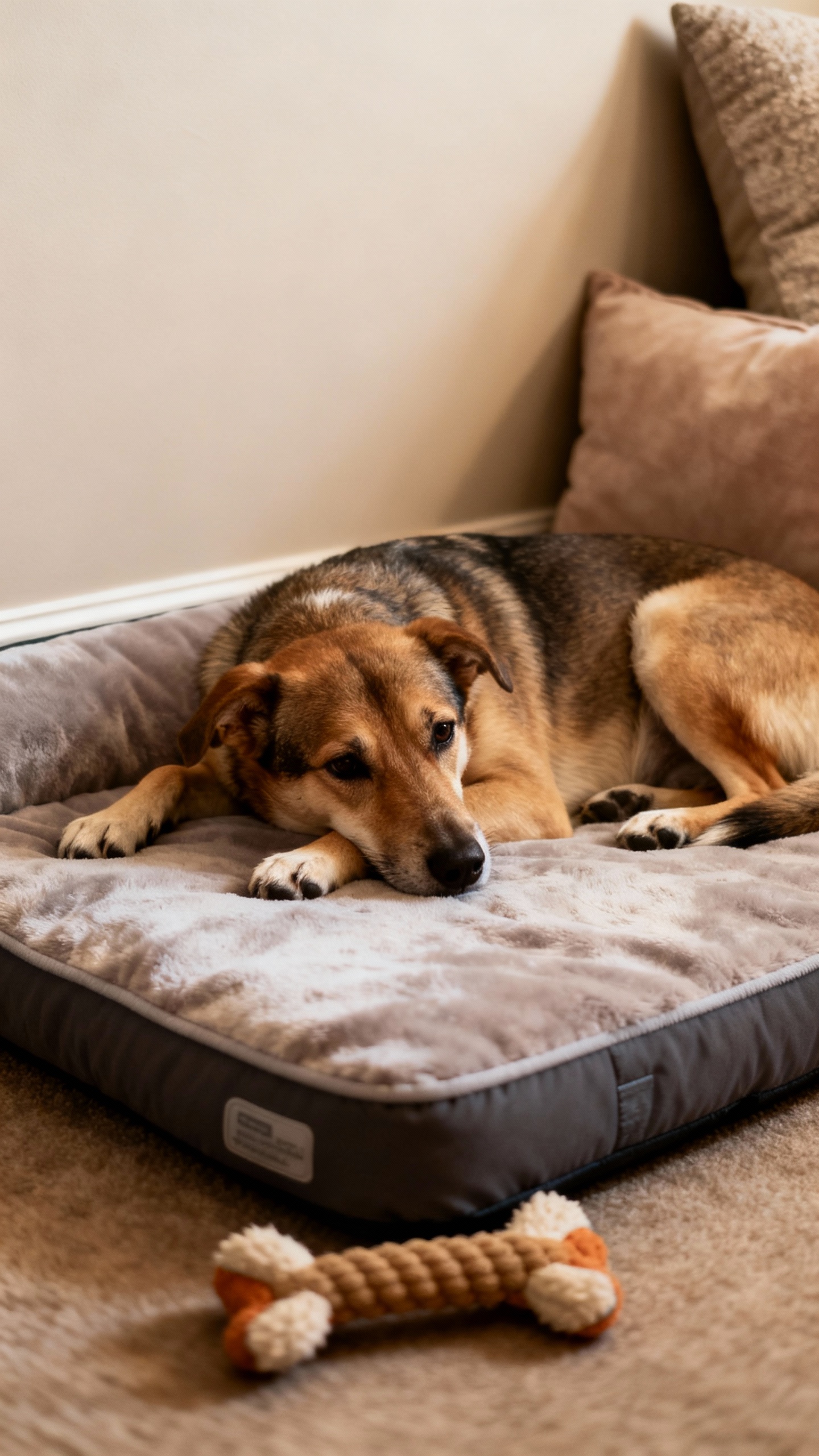
- Comfy bed: Orthopedic beds help seniors and large breeds. Place it where the family hangs out.
- Massage time: Gentle rubs along shoulders and hips relax tense muscles. Yes, they deserve spa day.
Strengthen Your Bond Daily
At the end of the day, your dog wants you.
Simple, consistent attention beats fancy gadgets every time. IMO, five minutes of intentional connection works wonders.
- Micro-moments: Eye contact + soft praise = instant mood boost.
- Daily “just us” time: No phone, no TV. Petting, grooming, or a slow walk.
- Learn their love language: Some want cuddles.
Some want games. Some want snacks. Respect the preference.
10 Quick Wins You Can Start Today
- Swap one bowl meal for a snuffle mat.
- Do a five-minute recall session in your hallway.
- Add a sniff-heavy route to your walk.
- Teach a new cue: “touch” or “spin.”
- Schedule a playdate with a well-matched dog.
- Create a cozy corner with a bed and chew.
- Rotate toys so “old” feels new again.
- Brush their coat with treats and praise.
- Practice calm greetings at the door.
- End the day with a gentle massage and quiet time.
IMO, this helps you relax too.
FAQ
How much exercise does my dog actually need?
It depends on age, breed, and health. As a rough guide, young adults need 60–90 minutes daily split between walks and play. Seniors and brachycephalic breeds need shorter, gentler sessions.
Always aim for a mix of physical and mental exercise.
What are signs my dog feels truly happy?
Look for a loose, wiggly body, soft eyes, relaxed ears, and a wag that involves the whole backside. Happy dogs approach with confidence, settle easily after activity, and show curiosity without anxiety. They eat well, nap well, and bounce back quickly from surprises.
Are dog parks good or bad?
They’re a mixed bag.
Some dogs thrive; many find them chaotic. If your dog looks overwhelmed, gets bullied, or shows tension, skip it. Try small, structured playdates or parallel walks instead.
FYI, your dog doesn’t need a park to be socialized.
What treats should I use for training?
Use small, soft, high-value treats like chicken, cheese, or commercial training bites. Keep them pea-sized so you can reward often without overfeeding. For tough distractions, upgrade the treat.
For easy tasks, use regular kibble.
My dog destroys toys. Help?
Choose tougher toys labeled for heavy chewers and rotate them. Offer supervised tug or fetch sessions to burn energy before handing over chew toys.
If they fixate on destruction, add more mental enrichment and structured training—boredom fuels shredding, not “badness.”
How do I make my rescue dog feel safe?
Give them a consistent routine, a quiet safe space, and slow introductions to people and places. Reward calm behavior, avoid flooding them with stimuli, and let them set the pace. Small wins every day build trust—think marathon, not sprint.
Conclusion
You don’t need a backyard agility course or a PhD in canine psychology.
You need consistency, curiosity, and a pocket full of treats. Build a routine, honor their instincts, and play to their personality. Do that, and you’ll have a dog who naps hard, wags harder, and thinks you hung the moon—because, to them, you did.
Leave a Reply