
A dog can’t send a thank-you text, but they can wag so hard their whole butt gets involved. If you want more of that energy in your life, start here. You don’t need tons of cash or a fenced acre—just a little time, empathy, and follow-through.
Ready to be a dog’s favorite human outside of their actual human?
1) Adopt, Foster, or Be the Backup Human
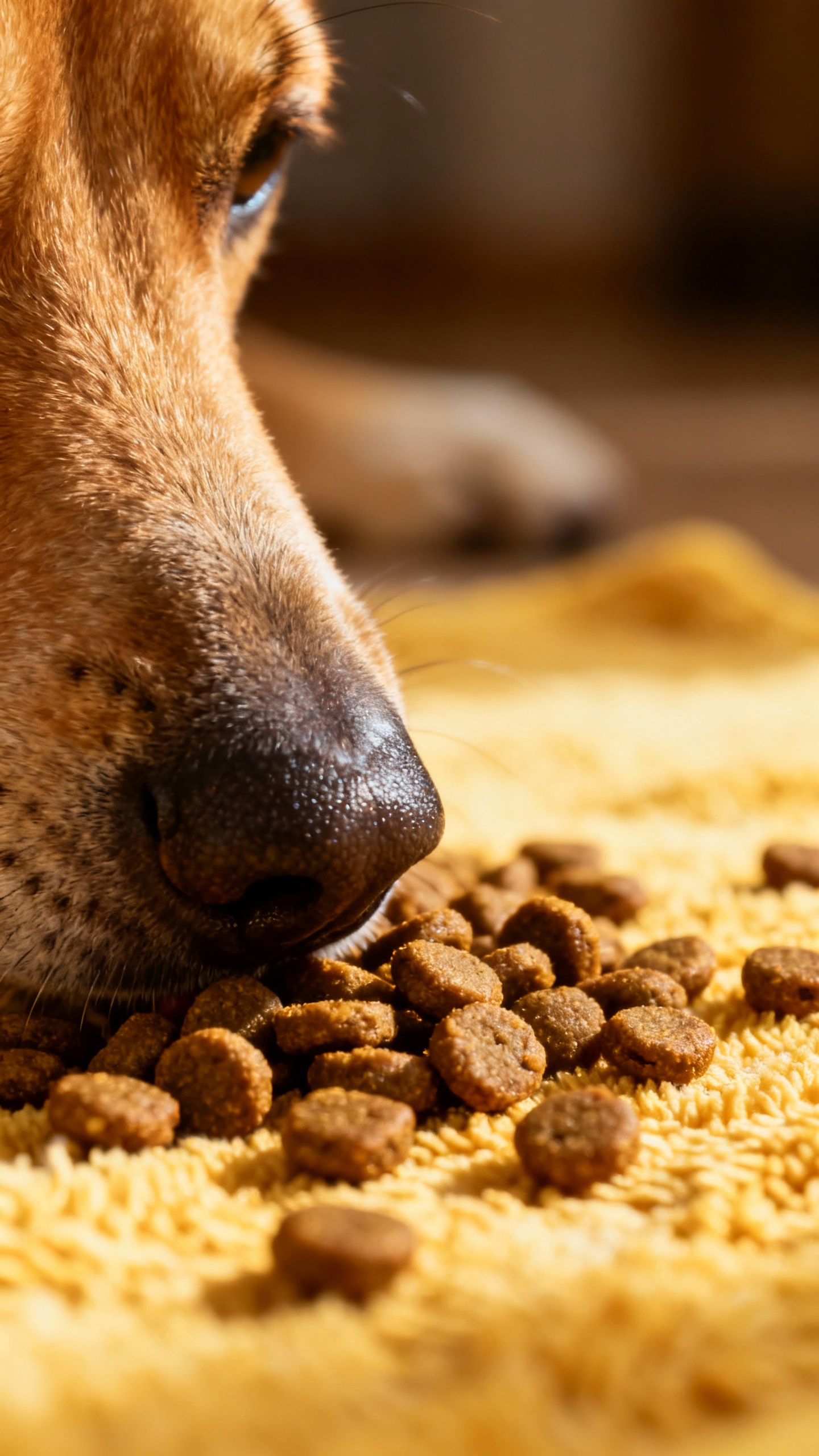
Bringing a dog home changes their entire story. Not ready for full-time? Fostering gives a dog a safe, comfy pit stop between shelter and forever home. You also help shelters make better matches because you can share real-life notes about the dog’s personality.
How to get started
- Adopt: Visit local shelters, ask about behavior notes, and meet multiple dogs.
Pick with your brain, not just your heart (yes, the head tilt is powerful).
- Foster: Apply through rescues. They usually cover medical care and supplies, and you provide love and stability.
- Backup human: Volunteer for transport, shelter enrichment, or weekend sleepovers. Tiny commitments can save lives.
Bonus tip: Senior dogs rock
Older pups often come house-trained, chill, and sofa-ready. They need less chaos and more cuddles.
IMO, they’re the hidden gems of the rescue world.
2) Feed Their Body and Brain Like You Actually Care
A good diet and mental enrichment transform a dog from “meh” to “glowing.” You don’t have to buy gold-plated kibble, but choose food that fits their age, size, and health needs. Ask your vet if you feel lost—Google can spiral you into chaos.
Smart feeding steps
- Pick quality food: Look for named proteins (chicken, salmon) and avoid mystery “meat by-product” vibes. Balance over buzzwords.
- Measure meals: Free-feeding invites weight creep.
Use a measuring cup and adjust with activity.
- Use puzzle feeders: Ditch the bowl sometimes. Snuffle mats and slow feeders turn dinner into a job—a fun one.
- Hydration matters: Keep water fresh and bowls clean (biofilm is gross, FYI).
Brain games that don’t require a PhD
- Hide-and-seek with treats under cups or around the room.
- Short scent trails with kibble—dogs love using their noses.
- Teach one new trick a week. Start with “touch,” “spin,” or “sit pretty.”
3) Train with Kindness (and Consistency)
Training isn’t about control—it’s about communication. Positive reinforcement builds trust and makes you the source of all good things.
Harsh corrections? Hard pass. They create anxiety and confusion.
Core cues every dog should know
- Recall (“come”): Practice at home first, pay with high-value treats, and never call them for something they’ll hate (like bath time—rookie mistake).
- Loose-leash walking: Reward the moments the leash slackens.
If they pull, stop. Become a tree. Then praise when they return.
- Settle on a mat: A magic off-switch for cafes, vet clinics, and houseguests.
Socialization without the chaos
Expose puppies and adult dogs to sights, sounds, and surfaces, but at their pace.
Watch for stress signals—lip licking, yawning, turning away—and dial it back. Quality experiences beat crowded dog parks any day, IMO.
4) Make Vet Care and Grooming Non-Scary
Preventive care is the most underrated kindness. Regular checkups catch issues early, and good grooming keeps them comfortable. The trick?
Make handling part of normal life, not a quarterly wrestling match.
What “good care” looks like
- Annual vet visits: Exams, vaccines based on lifestyle, parasite prevention, and dental checks.
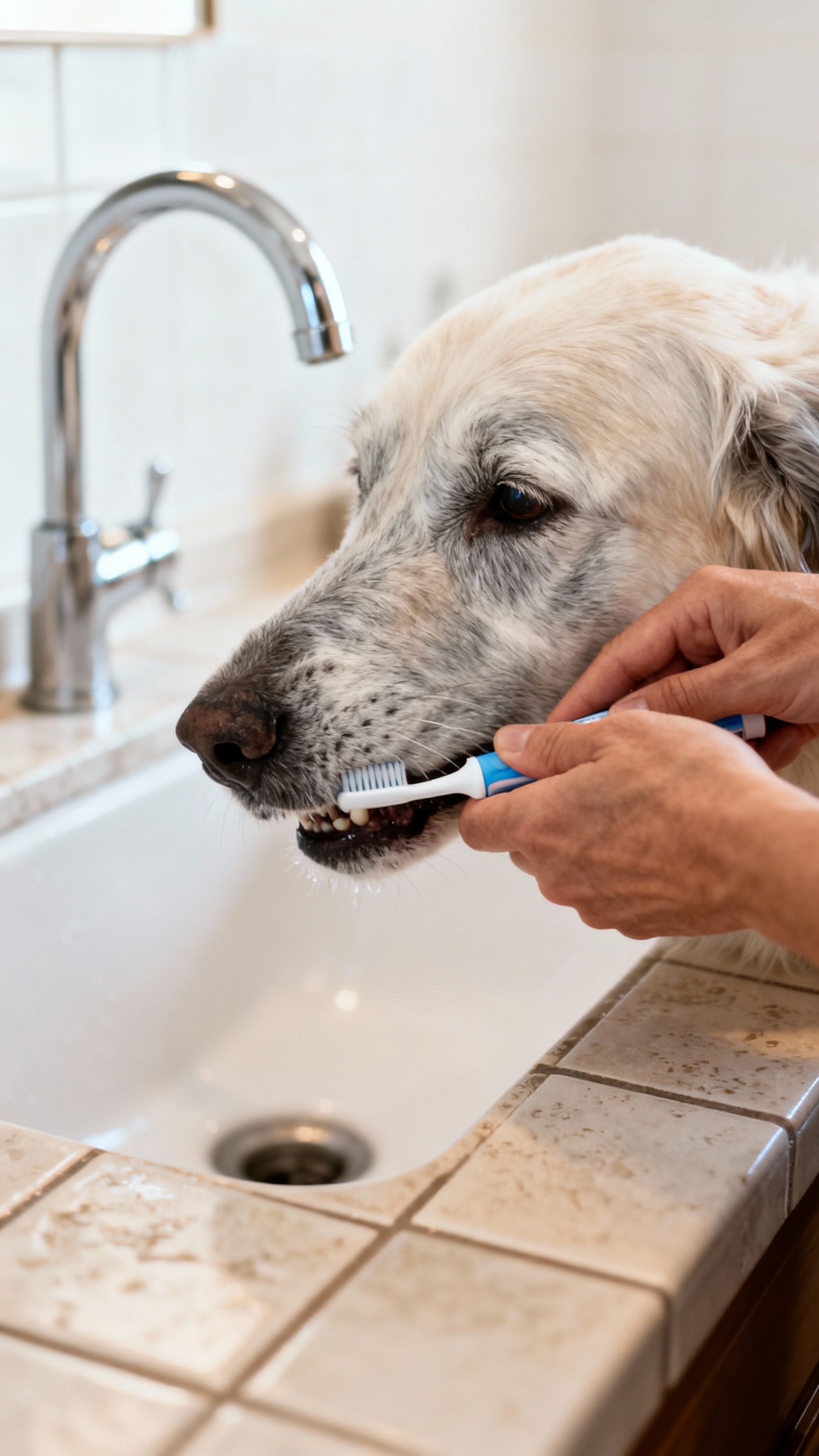
- Dental care: Brush 2–3 times weekly with dog toothpaste. Chews help, but brushing wins.
- Grooming basics: Nail trims before they click on the floor, regular brushing, ear checks for gunk or smell.
Desensitization hacks
- Touch paws, ears, and tail gently while you feed treats. Two minutes daily.
- Open the clippers or toothbrush, reward, close them, reward.
Slow equals success.
- Practice weighing on a scale at home. Treat the moment they step up.
5) Give Them a Job (Yes, Your Couch Counts—Sometimes)
Dogs crave purpose. Without it, they invent hobbies like “landscaping” your yard or “security auditing” your windows. Channel their instincts into acceptable work and watch the mischief fade.
Ideas by energy level
- High-energy dogs: Agility, canicross, flirt pole sessions, structured fetch with cue breaks.
- Medium-energy: Nosework, trick training, urban hikes with sniff breaks.
- Low-energy or seniors: Food puzzles, scent games at home, short “sniffaris.”
Sniff walks: the easiest upgrade
Slow down and let them read the “pee-mail.” Ten minutes of sniffing can tire a brain more than a fast mile.
Your step counter might cry, but your dog will relax.
6) Safe, Stylish, and Set Up for Success

You don’t need a Pinterest-perfect home, but set boundaries that keep dogs safe and happy. Think of it as toddler-proofing with less glitter and more chew toys.
Home setup essentials
- Crate or cozy zone: Teach it as a chill space with chews and naps, not a penalty box.
- Chew variety: Rotate safe options—rubber toys, dental sticks, frozen Kongs.
- ID and microchip: Collar tag with your number, microchip registered and updated (people forget this step!).
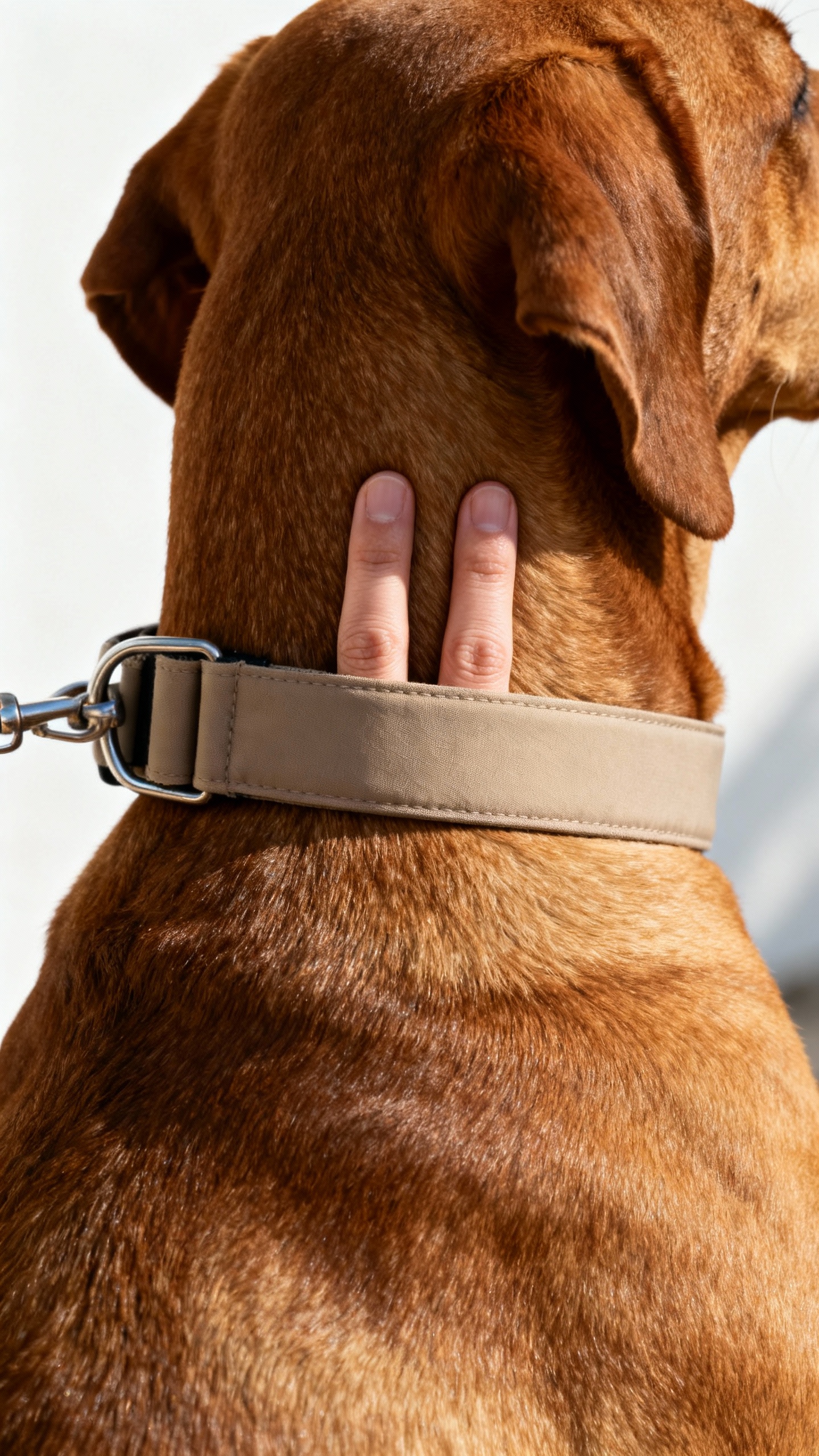
- Leash and harness fit: Two-finger rule on collars, snug harness to prevent Houdini escapes.
7) Be Their Voice in a Human World
Kindness also looks like advocacy. Read their body language and step in when they feel overwhelmed. You don’t owe every stranger a pet or every dog a greeting.
Micro-acts of advocacy
- Tell people “not today” if your dog needs space.
You’re allowed.
- Skip chaotic dog parks; set playdates with known, compatible dogs instead.
- Choose fear-free groomers and vets. Ask about handling methods. Red flags?
Walk away.
FAQ
How much exercise does a dog really need?
It depends on breed, age, and health. A young herding dog might need an hour+ of movement plus brain work, while a senior pug needs short sniffy strolls and naps. Watch your dog: if they settle well at home, you likely nailed the balance.
Are raw diets better than kibble?
Not automatically.
Some dogs thrive on raw, others do great on high-quality kibble or cooked diets. The key is balanced nutrition and safety. If you go raw or home-cooked, work with your vet or a board-certified nutritionist to avoid deficiencies.
What’s the best way to stop pulling on leash?
Use a well-fitted front-clip harness, reward for walking near you, and stop moving when the leash goes tight.
Be consistent for a week and you’ll see progress. FYI, if your dog pulls like a freight train, a few sessions with a positive trainer helps a ton.
How can I help if I can’t adopt or foster?
Volunteer for shelter enrichment, transport animals to vet appointments, photograph adoptable pets, or donate supplies. Sharing local rescue posts also helps dogs find homes faster. Small actions stack up.
Do dogs really need training if they’re “just family pets”?
Yes, because training makes everyday life easier and safer.
Think door manners, polite greetings, and recall. It’s not about perfection; it’s about giving your dog the skills to succeed in our weird human world.
When should I worry about my dog’s behavior?
If you see growling, snapping, resource guarding, severe fear, or sudden changes, call your vet first to rule out medical issues. Then hire a certified trainer or behavior consultant who uses positive methods.
Early help beats crisis management.
Wrapping It Up
You don’t need to reinvent your life to be a hero to dogs. Adopt or foster if you can, feed and train with intention, keep vet visits chill, and build a world where your dog feels safe and seen. Do a few of these consistently and, IMO, you’ll get the best reward: a happy, healthy dog who thinks you hung the moon—and honestly, they’re not wrong.
Leave a Reply