
Your dog tilts their head, and suddenly you’re convinced they understand every word you say. Maybe they do. Or maybe they just know it makes you melt and hand over a treat.
Either way, that adorable lean isn’t random. Dogs tilt their heads for reasons that are smart, practical, and honestly… kind of charming.
The Acoustic Advantage: Better Ears, Better Understanding
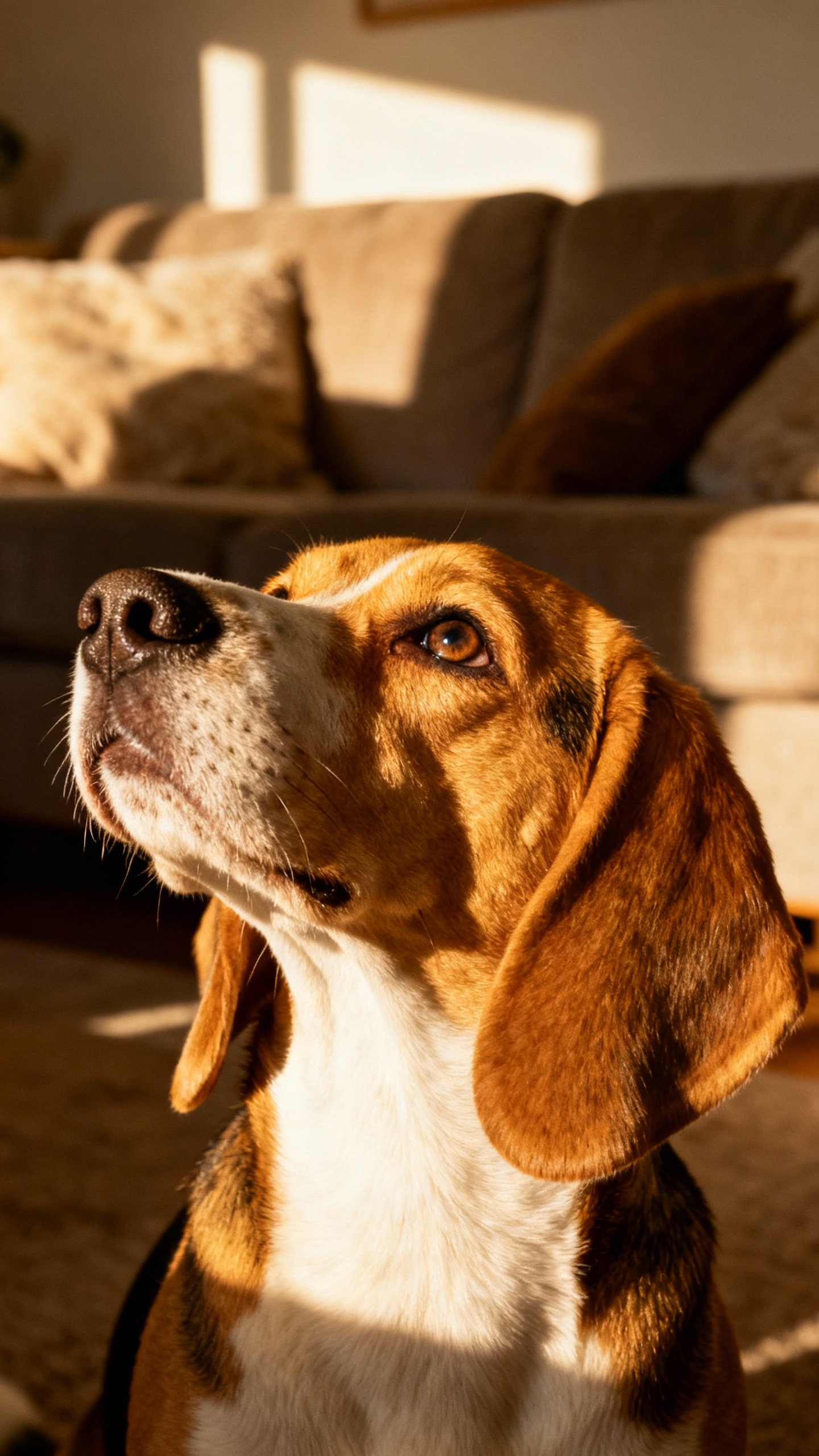
Dogs don’t hear like we do. They have movable ear flaps and a wider hearing range, but speech still challenges them.
A head tilt can help them pinpoint where your voice comes from and pick out important sounds like “walk,” “park,” or the glorious “dinner.”
How the tilt helps the ears
- Pinpointing direction: Tilting shifts the ear position to triangulate sound sources more accurately.
- Filtering background noise: Adjusting head angle can dampen or emphasize certain frequencies in a noisy room.
- Decoding syllables: Some dogs tilt more when they hear unfamiliar words because they’re literally listening harder.
The Visual Fix: Getting a Clearer Look at Your Face
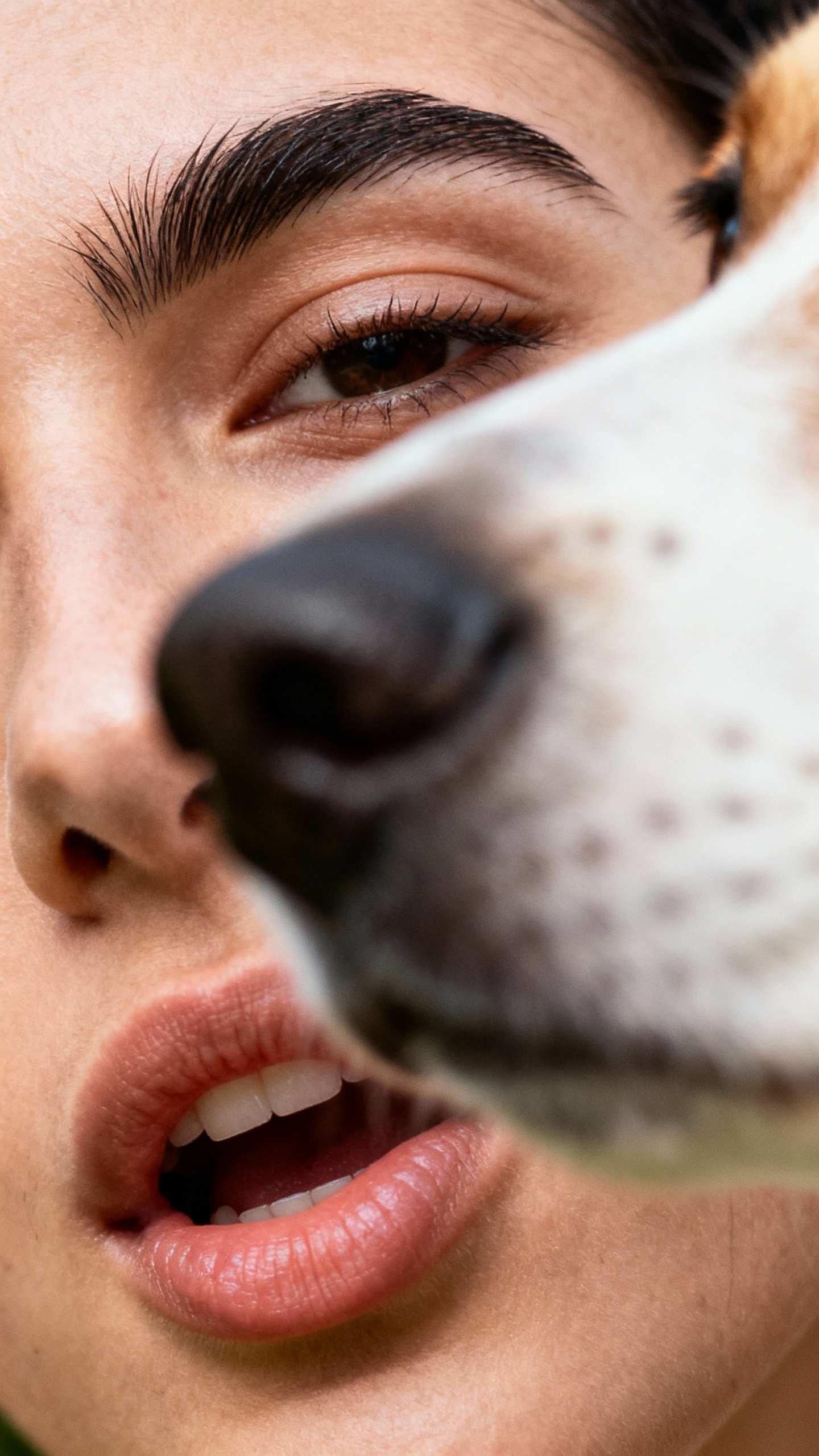
We rely on facial expressions when we talk. Dogs do, too. Muzzles get in the way a bit, though.
A head tilt can move their snout out of the line of sight so they can see your eyes and mouth better.
Why face reading matters
- Dogs read human cues: Eye contact, eyebrows, smiles—dogs use these to interpret your mood and intent.
- Better view, better guess: A slight tilt can give them a cleaner view of your expressions, especially if you’re standing above them.
- Training link: Dogs trained with hand signals and facial cues often tilt more, IMO, because it pays off.
Brainy Dogs Tilt More (Yes, Yours Might Be a Genius)
Some studies suggest that dogs who quickly learn object names or respond to more complex commands tilt more often. That doesn’t mean non-tilters lack smarts. It means tilting can signal focused processing—a cognitive “loading…” screen.
When focus becomes habit
- Reinforcement matters: You smile, praise, and squeal when they tilt.
They notice. They repeat it.
- Context-dependent: Dogs tilt more when they hear unfamiliar or meaningful words than when you babble nonsense (sorry).
- Individual differences: Breed, ear shape, and personality all play a role.
Communication 101: Dogs Know What Works on Us
Let’s be real. We reward the head tilt constantly, even without treats.
We soften our voice, crouch down, take photos, and post them online with 12 heart emojis. Dogs pick up on your reaction and learn that tilting gets attention.
- Social reward: Dogs evolved to read humans. If the tilt gets connection, they’ll use it.
- Look at me, human: Tilting can function like a question mark—“You meant something by that, right?”
- Training tip: Pair tilts with calm praise, not frantic squealing, if you want to keep them curious rather than overstimulated.
FYI.
Breed and Ear Shape: The Tilt Isn’t One-Size-Fits-All
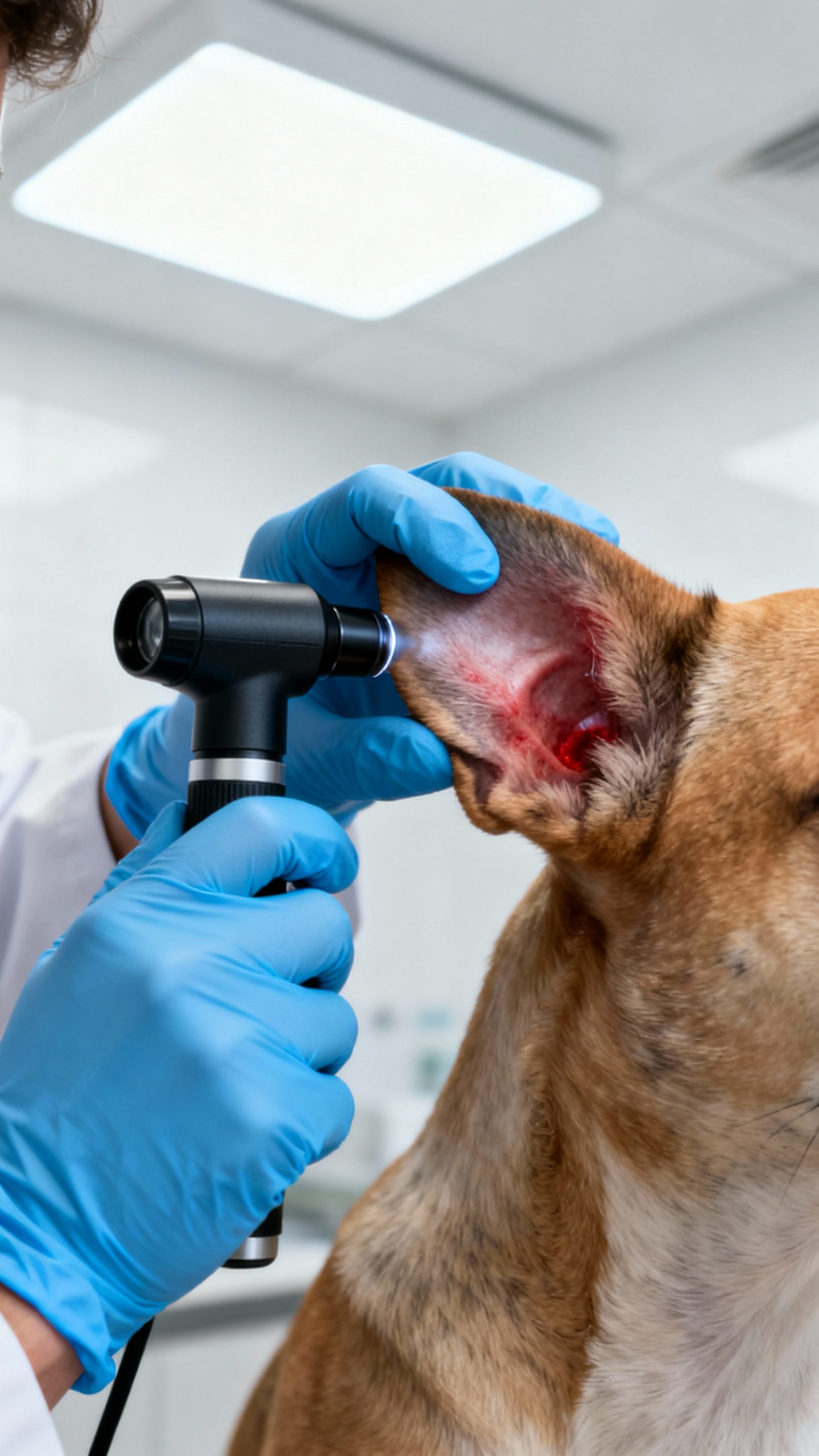
Some dogs tilt a lot, some barely at all. Floppy ears, upright ears, long snouts, short snouts—anatomy changes how they hear and see you.
Why some dogs tilt less
- Short-muzzled breeds: They might not need to tilt as much to see your face.
- Stiff or heavy ears: Dogs with big floppy ears may tilt more to fine-tune sound.
- Confidence and curiosity: Bold dogs might step closer instead of tilting from afar.
When Tilting Might Signal a Problem
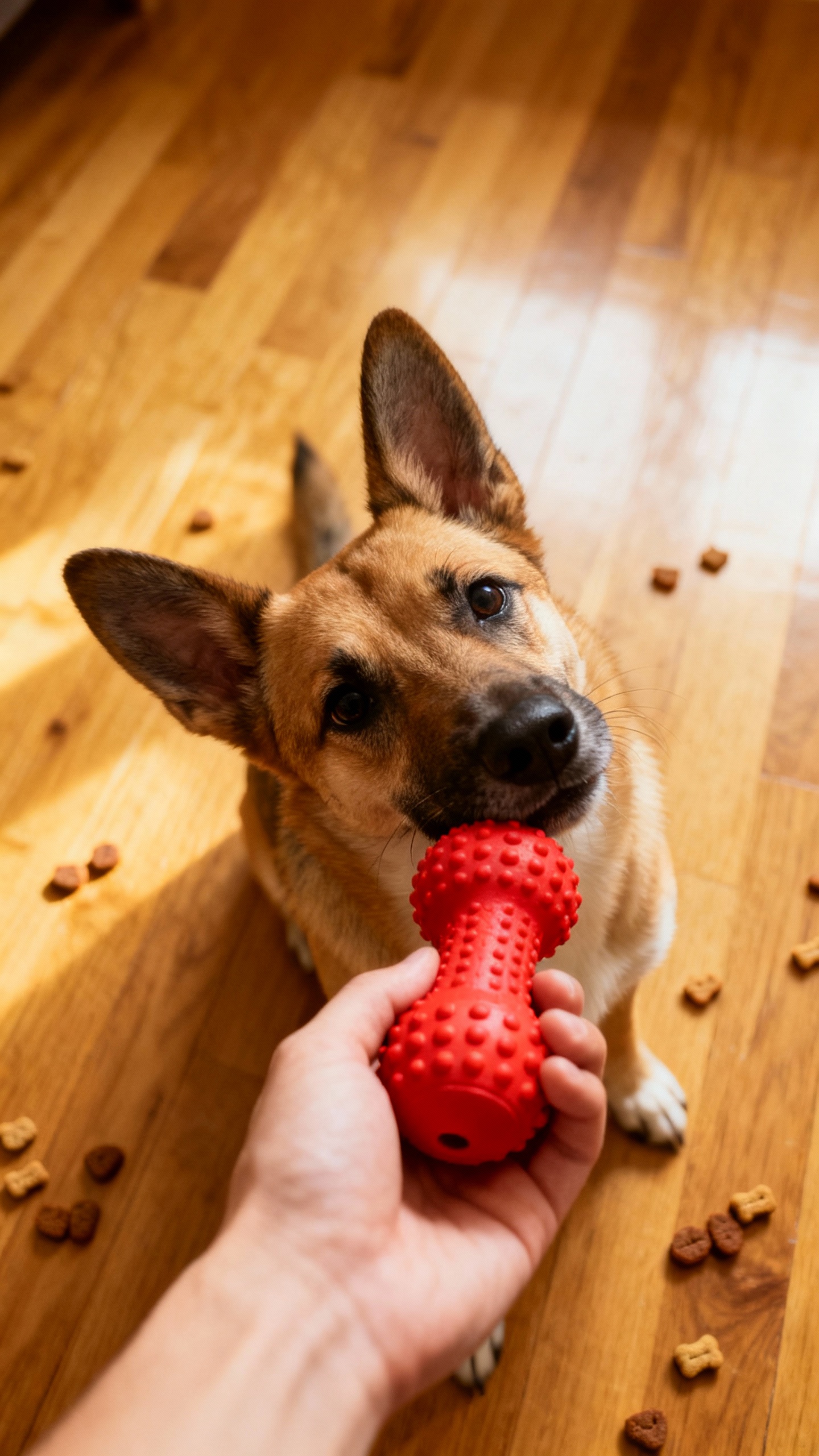
Most head tilts are normal and adorable. But a constant, exaggerated tilt—especially if it happens even when no one speaks—can indicate a medical issue.
Keep an eye out for other signs.
Red flags to watch
- Persistent one-sided tilt: Could point to ear infections or vestibular issues.
- Balance problems or circling: Time to call your vet, no debate.
- Odor, discharge, scratching: Classic ear infection signs.
If you see these, get a vet check. Don’t wait for it to “resolve”; your dog can’t tell you their ear hurts, but their head angle might.
How to Respond: Encourage Curiosity Without Overdoing It
Want more head tilts during your deep heart-to-heart chats? Make it rewarding—but not chaotic.
Simple ways to spark that cute lean
- Use clear, upbeat speech: Vary pitch and emphasize key words.
- Add gestures: Point, nod, or use hand signals so your dog has more to read.
- Reward calmly: A soft “good” and a treat or scratch keeps them engaged.
- Practice naming objects: Toys, people, places.
Yes, your dog can learn labels.
And remember: if your dog doesn’t tilt much, no worries. No tilt does not equal no brain cells. They may just use different strategies.
FAQ
Do dogs tilt their heads because they feel confused?
Sometimes. A tilt can mean “I’m processing this.” But it also helps them hear you better and read your face.
Confusion plays a role, but so do attention, curiosity, and habit.
Is the head tilt a sign my dog understands words?
Not proof, but it’s a good clue they’re trying. Dogs might tilt more when they hear meaningful or new words. Pair that with consistent training, and you’ll likely see the behavior during “learning moments.”
Why does my dog tilt more with certain people?
Some people use more expressive voices, gestures, or words your dog knows.
Dogs also respond to the emotional tone of your voice. Translation: your roommate’s sing-song “who’s a good boooy” hits different. IMO, dogs love a little drama.
Will training increase head tilts?
Usually, yes.
When you teach names, commands, and hand signals, you give your dog more reasons to listen closely. Reward curiosity and attention, not just perfect obedience.
Is a head tilt always cute and harmless?
Mostly, yes. But if the tilt persists when you’re not interacting, or comes with balance issues, seek veterinary advice.
Better safe than sorry.
Do puppies tilt more than adult dogs?
Often. Puppies experiment as they learn your routine and vocabulary. As they mature, the tilt becomes more situational—still adorable, but triggered by specific cues.
Conclusion
Dogs tilt their heads because it works—acoustically, visually, cognitively, and socially.
The tilt helps them hear you, see you, and figure out what you want, and it gets them your undivided attention. Encourage it with clear cues and calm rewards, and watch that curious little lean become part of your daily conversation. And if your dog never tilts?
They probably already cracked your code—just in their own style. FYI: either way, they still expect snacks.
Leave a Reply