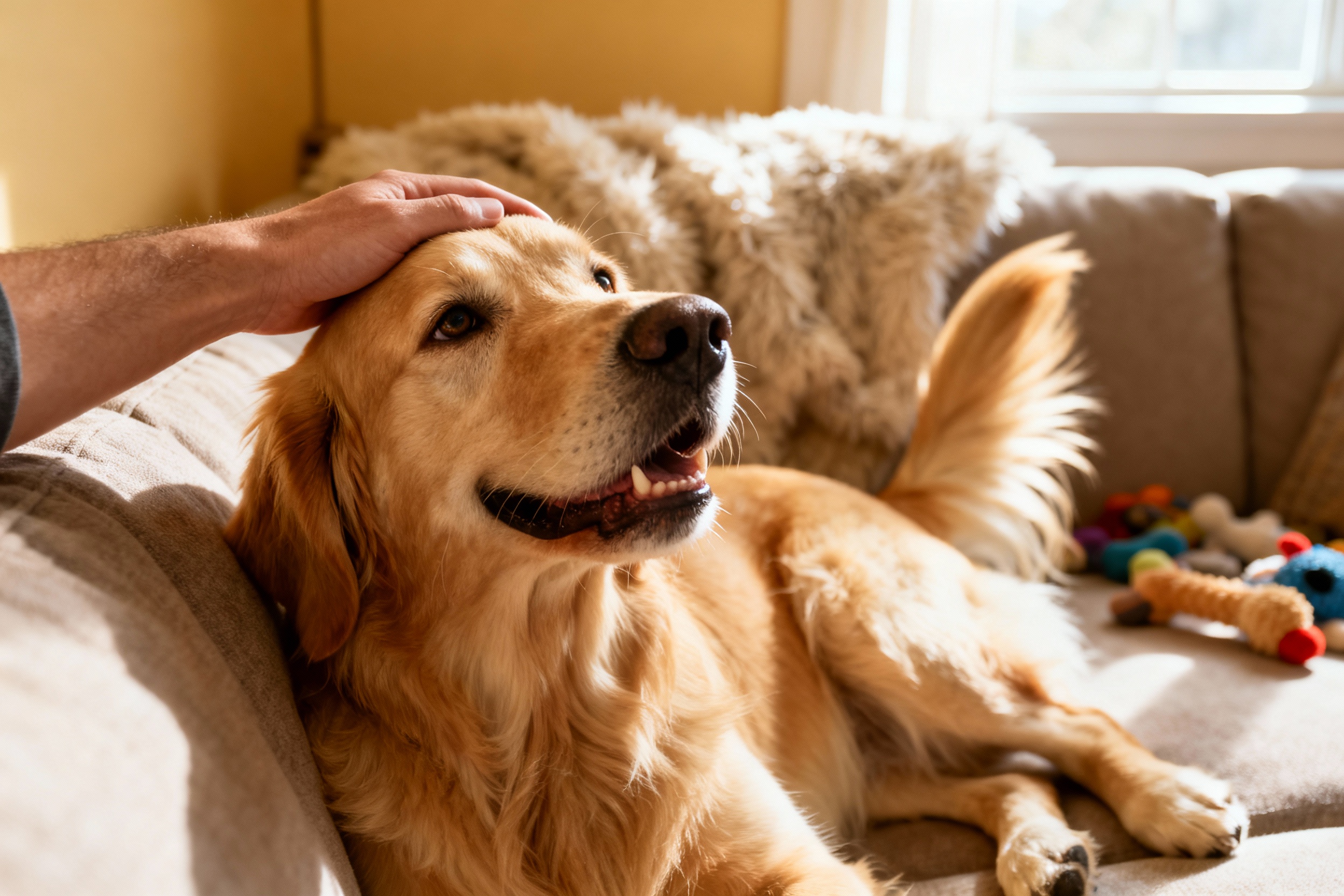
You don’t need to speak “woof” to tell a dog you love them. They already know. Or at least, they’re incredibly good at reading your vibes, your routines, and your Netflix snuggle schedule.
Dogs took one look at humans thousands of years ago and thought, “Yep, that’s my person.” So how do they know they’re loved? Let’s decode the tail wags, the eyes, and the science behind that goofy grin.
The Science Behind “Aww”: How Dogs Read Love

Dogs don’t use hearts or poetry; they use brains and noses. When you look at your dog with soft eyes, talk in a warm voice, or scratch behind the ears, your dog’s brain releases oxytocin—the same bonding hormone that helps human parents bond with babies.
Your brain releases it too. That mutual chemical high? That’s love, my friend.
They also read your body language like pros. Dogs track eye contact, tone of voice, and predictable routines. If you come home, drop your bag, and greet them first every time, they learn: “I matter.” And frankly, they’re right.
That Famous “Puppy Gaze”
When your dog stares at you with that soft, squinty-eyed look, it’s not manipulation… totally.
It’s a social signal. Research shows that mutual gazing between dogs and humans increases oxytocin on both sides. So yes, go ahead and stare back.
It’s basically a hug with your eyes.
They Feel Love Through Consistency, Not Grand Gestures
Can dogs appreciate birthday hats and cupcakes? Debatable. But they absolutely understand consistency.
Your dog knows they’re loved when you show up the same way, every day.
- Regular routines: Meals, walks, and playtime at predictable times help dogs feel safe and valued.
- Clear communication: Simple cues like “sit,” “wait,” and “okay” build trust. Consistency equals respect.
- Safe boundaries: Dogs relax when you set gentle rules and stick to them. Chaos stresses them out; structure feels like love.
Routine Over Random Hype
You don’t need a doggy spa day.
You need five minutes of focused fetch, a calm walk, and a comfy spot on the couch together. That’s the love language dogs get—IMO, the simpler the better.

Your Touch Speaks Louder Than Words (But Use Words Anyway)
Most dogs adore physical affection. Scratches behind the ears, chest rubs, and gentle massages scream “I love you” in fluent Canine.
But the trick? Know your dog’s preferences.
- Where: Many dogs prefer chest, shoulder, and side strokes. Lots of them dislike head pats.
Rude, I know.
- How: Slow, calm, and steady beats rough and hyped-up. Watch for relaxed body language.
- When: Invite cuddles after exercise or during quiet time. A tired dog cuddles best—FYI.
Talk to Them—They’re Listening
Dogs know dozens of words, but they track your tone even more.
A warm, sing-song voice during praise and a calm, low voice during training helps them feel safe. And yes, they love when you narrate your day. You sound happy, they feel happy.
Wildly wholesome feedback loop.
Playtime: The Love Language With Zoomies
Play says “I adore you” better than any treat. It bonds you, burns energy, and builds confidence.
- Interactive games: Tug (with rules), fetch, and hide-and-seek turn you into the fun zone.
- Enrichment: Puzzle feeders, scent games, and training tricks keep brains busy and satisfied.
- Variety: Mix short training bursts into play. Two minutes of “sit, down, spin” feels like a party and a TED Talk for dogs.
The Magic of Scent Games
If you want your dog to feel seen, speak to their nose.
Scatter kibble in the yard, hide treats in boxes, or play “find it” with a favorite toy. Scent work taps into their natural instincts and builds serious joy. Bonus: it tires them out.
You’re welcome.

Comfort and Safety: The Unsexy Side of Love
Love looks like clean water, a cozy bed, and vet visits—not exactly Instagrammable, but essential. Dogs connect safety with love because safety lets them relax into your presence.
- Health care: Regular vet checks, dental care, and parasite prevention keep them comfortable. Pain hides behind “good behavior.”
- Predictable alone time: Teach independence with short, positive separations so they don’t panic when you leave.
- Safe spaces: A crate (if trained kindly), a quiet corner, or a couch spot becomes their emotional charging station.
Reading Their “I Feel Loved” Signals
You’ll see it in the details:
- Soft eyes and slow blinks
- Loose, wiggly body and curved tail wag
- Leaning into you, “splooting” nearby, or choosing to nap at your feet
- Bringing toys to share (yes, that soggy plush counts as a love letter)
What Doesn’t Feel Like Love (Even If Meant Well)

We all try our best, but a few habits send mixed messages.
- Inconsistent rules: Couch is allowed Monday, forbidden Tuesday?
Confusing. Pick a rule and commit.
- Over- or under-exercising: Too much high-arousal play can fry nerves. Too little leads to boredom and chaos.
Aim for balanced mental and physical activity.
- Loud scolding or punishment: It damages trust. Train with rewards and clear guidance. Your dog wants to get it right.
- Hugging tightly or face-in-face contact: Some dogs tolerate it; many don’t.
If they turn away or lick their lips, back off. Consent matters—yes, even with dogs.
Food Isn’t the Only Love Token
Treats work great for training, but love isn’t just snacks. Dogs connect love with attention, guidance, and shared activities.
Use treats smartly, not constantly. Your relationship shouldn’t be a vending machine.
Little Rituals That Shout “I Love You”
Want easy wins? Add small daily habits that your dog understands instantly.
- Morning greeting: Two minutes of calm pets and eye contact before you grab your phone.
- Name game: Say their name, reward for eye contact.
That micro-connection pays off all day.
- Sniff-walks: Let them choose the route sometimes. Sniffing equals dog newsfeed. IMO, it’s their favorite app.
- Training snack breaks: 60 seconds of tricks before dinner.
Brain work = satisfaction.
- Bedtime wind-down: Gentle rubs and a “goodnight” cue. Predictability soothes them like white noise.
FAQ
Do dogs actually understand the word “love”?
Not the way humans do. But they understand the feelings and patterns behind it—your warm tone, gentle touch, and reliable routine.
Their brains connect your presence with safety and pleasure. That’s love in dog language.
Can a dog love one person more than another?
Yes. Dogs often form a primary bond, usually with the person who feeds, trains, and plays with them most.
They can love the whole family, but that one person might get the “I follow you to the bathroom” VIP treatment.
How can I tell if my dog feels secure with me?
Look for relaxed body language: loose posture, soft eyes, slow tail wags, and choosing to rest near you. A secure dog also recovers quickly from surprises and checks in with you during walks or new situations.
Do rescue dogs know they’re loved, even after trauma?
Absolutely, but they may need more time and gentle consistency. Keep routines simple, use reward-based training, and give them choices—like approaching you on their own terms.
Safety first, then snuggles.
Is talking to my dog actually helpful?
Yes. Your tone and cadence reassure them, and they learn words over time. Pair words with actions—say “walk,” then walk; say “wait,” then pause.
Your voice becomes a map of the world.
Can I spoil my dog and still have good manners?
Totally. You can shower affection and keep boundaries. Reward calm behavior, cue before cuddles (“sit” first), and give structure around food, doors, and guests.
Spoiled doesn’t need to mean wild.
Bottom Line: Love Looks Like Showing Up
Dogs know they’re loved when you make their world feel safe, fun, and predictable. You look at them with kind eyes, you play their favorite games, you feed their body and brain, and you keep your promises. That’s it.
No fancy gear required—just you, consistently. And maybe a squeaky toy that will mysteriously disappear under the couch forever.
Leave a Reply