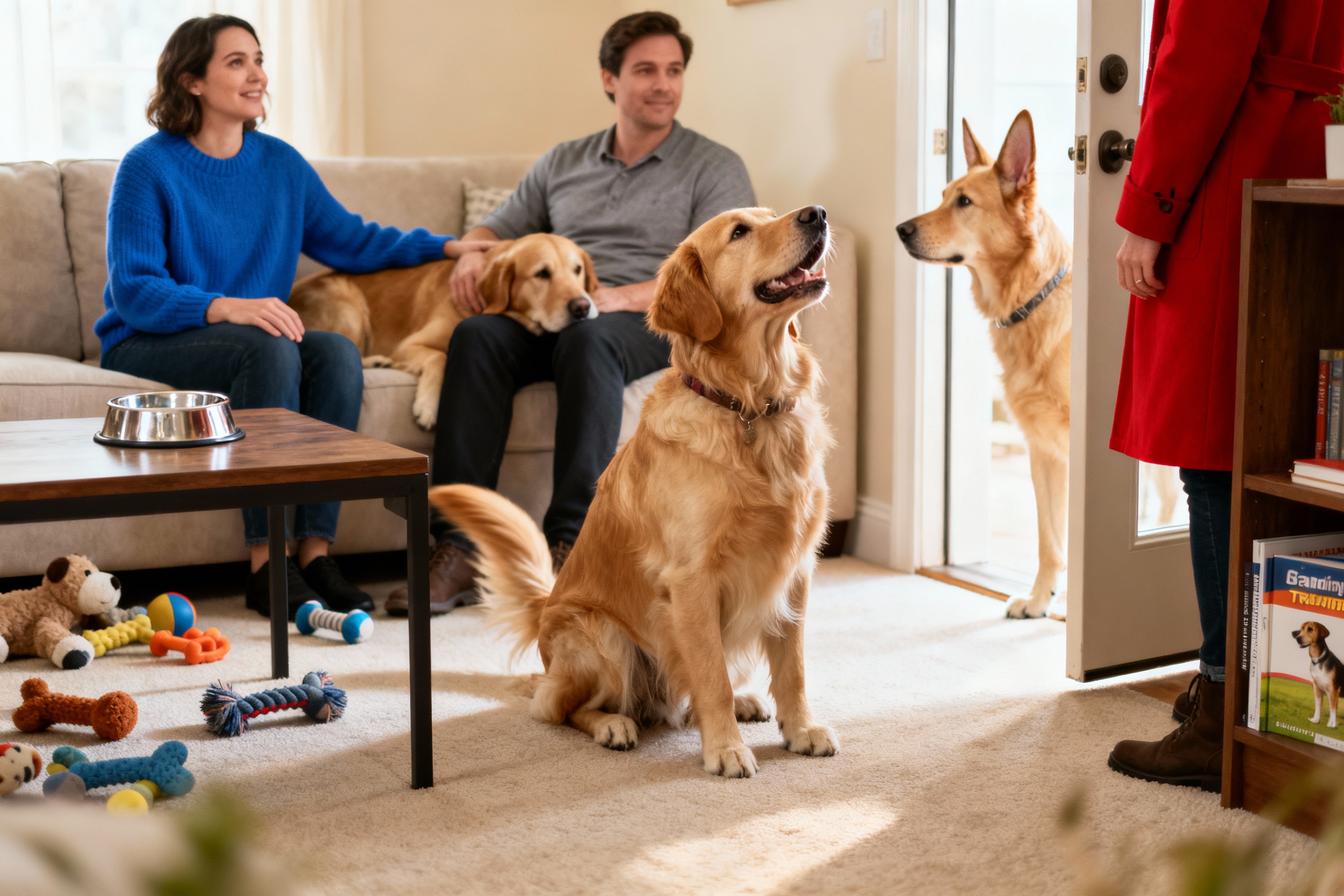
Your dog used to bolt to you like a furry missile. Now they’re glued to your roommate, your partner, or the dog walker with magical pockets. Betrayal?
Not exactly. Dogs switch favorites more often than we switch streaming apps. And honestly, it makes total sense once you peek behind the wag.
Dogs Choose People Based on What They Need

Dogs don’t play favorites out of spite.
They pick the human who best meets their needs at a given time. Think Maslow’s hierarchy but with more treats and squeaky toys.
- Safety and routine: The person who feeds and walks the dog consistently builds trust.
- Fun and stimulation: The high-energy human who plays fetch or trains might become the MVP.
- Comfort and calm: When stressed, many dogs gravitate to the soft-voice cuddler.
If your schedule changes and someone else steps into the “provider” role, your dog notices. Dogs tally patterns, not promises.
IMO, that’s not disloyal—just smart.
Bonding Currency: Food, Play, Touch
Every dog has a “love language.” Some melt for treats, others for tug-of-war, and some for gentle chest rubs.
- Food-motivated dogs follow the treat trail like tiny detectives.
- Play-driven dogs worship whoever throws the ball best (and longest).
- Touch-seekers anchor to the calm, steady cuddler.
FYI: If you want to climb the rankings, identify their love language and spend 10-15 dedicated minutes daily on it.
Life Stages Change Everything
Puppies idolize whoever provides structure and training. Adolescents (6-18 months) chase fun like it’s their job. Adults often settle into routines.
Seniors? They choose comfort and predictable humans.
How Age Shifts Loyalty
- Puppyhood: Socialization and clear guidance win.
- Teen phase: Adventure buddy gets the spotlight.
- Adulthood: Whoever matches energy and routine keeps the crown.
- Senior years: Gentle care and soft beds steal hearts.
So if your dog “suddenly” prefers your partner after they start doing the bedtime routine, that tracks. Dogs notice who helps them feel good at their current stage.

Consistency Beats Grand Gestures
You took your dog on an epic weekend hike.
Amazing. But your roommate feeds them at 6:30 a.m. every single day, rain or shine. Which matters more long-term?
Consistency wins. Dogs build attachment from predictable patterns:
- Same feeding times
- Regular walks and potty breaks
- Daily training or play windows
- Calm, predictable reactions (no yelling, no chaos)
If you want “favorite status,” build a routine your dog can set their internal clock to. Sporadic hype won’t beat daily structure.
Body Language Matters More Than Words
You can say “good dog” 100 times. Your body language speaks louder.
Some people naturally move and sound “dog-friendly”: soft voice, relaxed shoulders, slower movements. Others—no judgment—sound like a blender at 7 a.m.
Signals That Attract Dogs
- Soft eye contact (no staring contests)
- Sideways approaches instead of head-on
- Crouching to their level rather than looming
- Quiet praise versus high-pitched squeals
If someone in the house naturally communicates “safe and calm,” your dog may choose them during stressful times. IMO, that’s just good survival instincts.

Training Bonds Like Crazy
Training isn’t about controlling your dog.
It’s about building a two-way language. When you train, you become their translator—the person who makes the world make sense. Why training boosts your rank:
- Reinforcement flow: You become the source of rewards.
- Clarity: Your dog learns how to win with you.
- Trust: Fair rules create safety.
Start small: 5-minute sessions of sit, down, stay, hand targets, and recall. End on a win, toss a jackpot treat, and watch your approval ratings climb.
Health and Stress Can Shift Preferences

Dogs can’t file help desk tickets.
They telegraph needs with behavior. If your dog suddenly clings to someone, ask why.
- Pain or discomfort: Dogs may seek the calmest person when they hurt.
- Noise sensitivity: Fireworks, construction, loud music—dogs drift to the quiet human.
- Separation anxiety: They latch onto whoever stays home most.
If your dog changes favorites overnight, rule out medical issues. A vet check beats guesswork.
FYI: Subtle signs like sleeping more, licking one paw, or avoiding jumps also point to discomfort.
New People, New Dynamics
New roommate? New baby? New partner?
Dogs re-evaluate the social map. The person who shows up with calm energy, respect, and structure often climbs fast.
Blend New People Smoothly
- Let the dog approach first—no forced affection.
- Have the new person handle low-stakes tasks: scattering treats, tossing the ball, gentle leash walks.
- Use their meals for training reps with the new person.
- Keep house rules consistent across all humans.
Think of it like onboarding a new coworker. Set expectations, share wins, reduce chaos.
Everyone gets along, and the dog stops playing favorites like a reality TV judge.
How to Become (or Reclaim) Favorite Status
No need for jealousy. You can absolutely level up your bond. Here’s a solid plan—simple, repeatable, and dog-approved.
- Own a daily job: Pick feeding, the first walk, or bedtime routine.
- Schedule focused time: 10-15 minutes of training or play every day.
- Match energy: High-energy dog?
Do agility-style games. Chill dog? Nose work and snuffle mats.
- Make rewards flow through you: Treats, toys, and release cues come from your pocket, your hand, your voice.
- Stay calm and predictable: Dogs love emotional consistency.
Save the drama for group chats.
- Learn their tells: Tail height, ear position, lip licks—read your dog like subtitles.
Do this for two to three weeks and watch their attention swing your way. Not guaranteed, but odds are in your favor.
FAQs
Did my dog stop loving me?
Nope. Your dog didn’t file an emotional divorce.
They simply connect most with the human who currently meets their needs best. Love stays; preferences shift.
Can a dog have more than one favorite person?
Absolutely. Many dogs build strong bonds with multiple people, especially if each person fills a different role—playmate, caregiver, cuddler.
Dogs aren’t monogamous about affection, and that’s okay.
How long does it take to become a dog’s favorite?
It varies. With daily consistency and positive reinforcement, you might see a shift in 1-3 weeks. Big lifestyle changes or anxious dogs may take longer.
Will treats alone make me the favorite?
Treats help, but they’re not everything.
Pair food with structure, play, training, and calm body language. Otherwise you become “the vending machine,” not the MVP.
Why did my dog switch favorites after we moved?
New environments create stress. Dogs often cling to whoever provides predictable routines and calm guidance during transitions.
Once things settle, preferences may balance out again.
Should I correct my dog for ignoring me?
Skip the frustration. Punishment damages trust and makes you less appealing. Teach attention games, reinforce check-ins, and make responding to you pay off big.
Conclusion
Your dog’s favorite person can and will change—and that’s normal.
Dogs follow the human who meets their needs with consistency, clarity, and kindness. If you want the spotlight, show up predictably, train a little, play a lot, and keep your vibe calm. IMO, that’s the real secret sauce to being the person your dog can’t stop wagging for.
Leave a Reply