
You look at your dog, your heart does a little flip, and you ask the question out loud like a goofball: “Do you know I love you?” He tilts his head, thumps his tail, and snorts. Is that a yes? Short answer: very likely.
Dogs don’t read poetry, but they read us—our tone, our touch, our routine. And they’re louder about love than most humans, which is refreshing.
What “Love” Looks Like in Dog Language

Dogs don’t say “I love you” with words. They say it with behavior.
You’ll see it in their eyes, their bodies, and the way they glue themselves to your hip like a furry shadow.
- Soft eye contact: Gentle, blinky eyes signal trust and affection. Hard stares? Not the same vibe.
- Relaxed body and wagging tail: Loose, wiggly, whole-body wag?
That’s dog-speak for “You’re my person.”
- Leaning or sitting on your feet: It’s both affection and a safety check-in. You = home base.
- Following you room to room: Not just nosiness—proximity is comfort for social animals.
- Bringing toys: Gifts and invitations to play double as love notes.
The Science-y Bit (Made Easy)
When you and your dog gaze at each other with soft eyes, oxytocin—the “bonding hormone”—goes up in both of you. That same hormone strengthens human parent-child bonds.
So yeah, science says the feels are mutual.
How Dogs Decode Your “I Love You”
Do dogs understand the words? Sort of. They understand patterns, tone, and predictable outcomes better than most people in group chats.
- Tone of voice: Warm, higher-pitched “happy talk” means good vibes.
Cold or tense tone means “uh oh.”
- Consistent routines: Meal times, walks, bedtime rituals—all signals of care and safety.
- Touch: Gentle petting (chest, shoulders, base of neck) releases calming hormones. Bear hugs? Not everyone’s jam.
- Eye contact and smiles: Dogs read facial cues.
Soft eyes and relaxed smiles = “we’re good.”
Words They Actually Learn
Dogs can learn dozens—sometimes hundreds—of words. But your body language always wins. You can say “I love you” all day, but your dog cares more about what you do after.
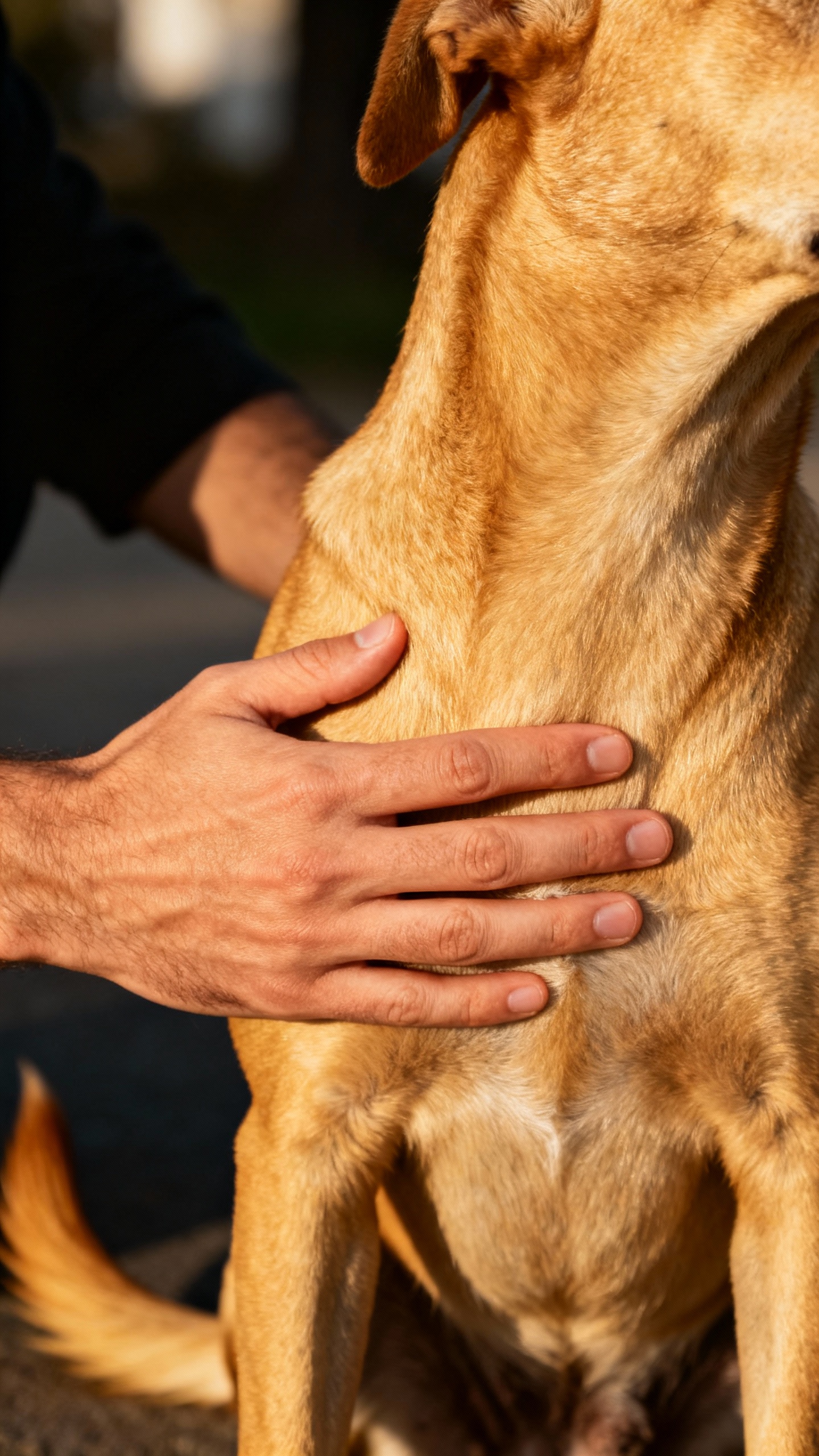
Clear Signs Your Dog Knows You Love Him
Let’s get specific.
If you see these behaviors, your dog likely feels safe and connected.
- He chooses you under stress: Fireworks? Thunder? He seeks your lap, not the couch.
That’s trust.
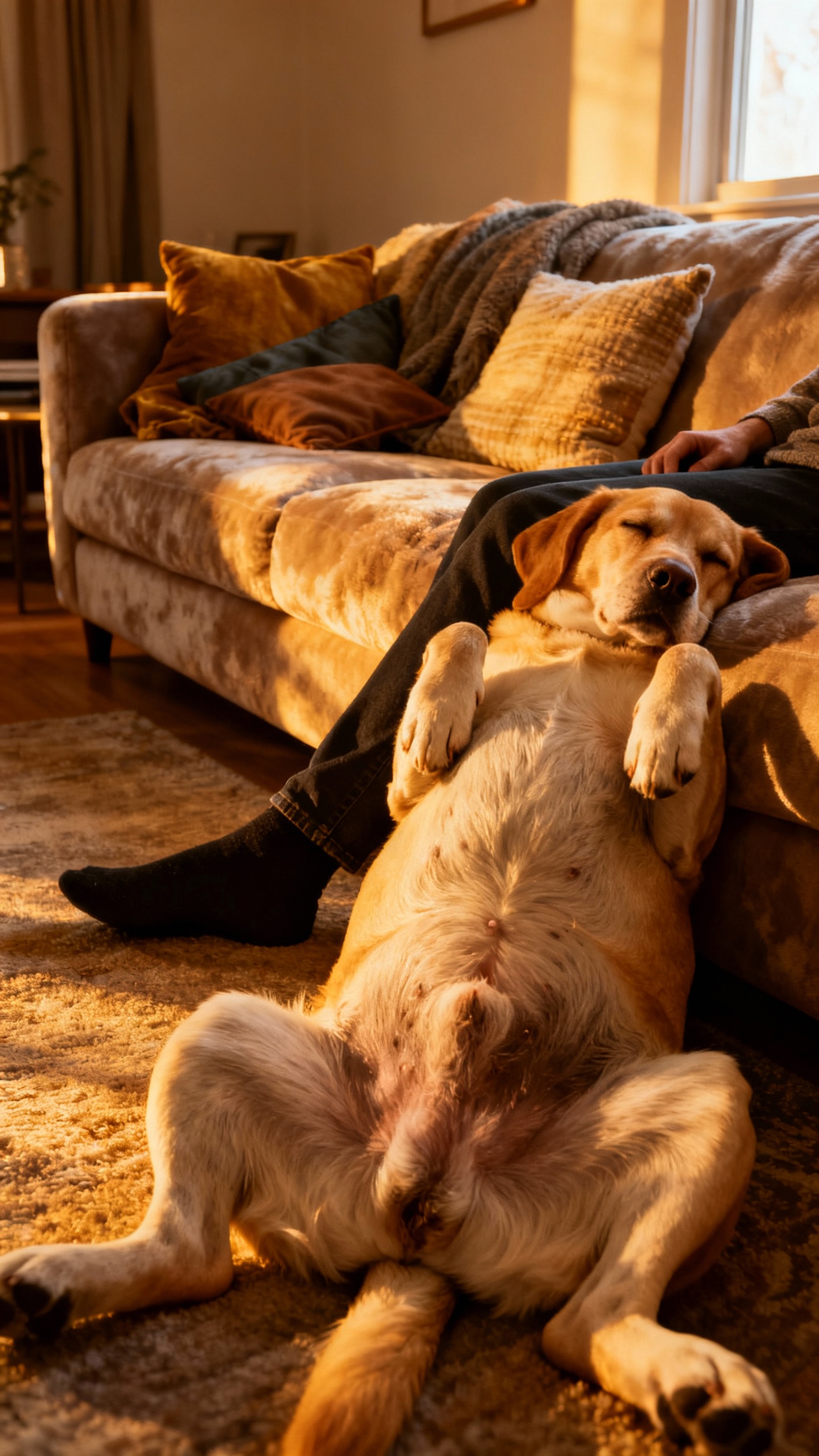
- He relaxes deeply around you: Exposed belly and floppy, noodle body equals total comfort.
- He checks in on walks: Quick glances back at you during sniff-fests show he cares where you are.
- He mirrors your energy: Calm when you’re calm, playful when you’re playful.
- He greets you like you’ve been at sea: The zoomies and squeaks? That’s your review score: 10/10.
How to Say “I Love You” in Dog
Ready to speak their language more clearly? Here’s how to turn your affection into signals your dog understands.
- Make time for play: Tug, fetch, nose work—play is the love language for many dogs.
- Quality walks: Sniffari > speed walk.
Let him read the “pee-mail.” It’s his social media.
- Gentle, preferred touch: Pet where he leans in. Avoid surprise hugs if he stiffens.
- Training with rewards: Short, fun sessions build confidence and connection.
- Predictability: Routines reduce anxiety. Consistency tells him you’ve got things handled.
- Respect his space: Love doesn’t mean smothering.
Give him choice and consent during handling.
Small Daily Rituals That Matter
– A calm greeting when you come home (after the initial party). – A few minutes of focused one-on-one time. – A bedtime cue and cozy spot that stays the same. These become your shared vocabulary for love. IMO, small rituals beat grand gestures every time.
Common Mixed Signals (Aka “I Love You” But Make It Confusing)
We sometimes send love wrapped in stress.
Dogs notice.
- Unpredictable rules: Couch today, banished tomorrow? That breeds anxiety, not affection.
- Overexcitement during greetings: Big hype can create separation anxiety. Keep it sweet but low-key.
- Physical affection your dog doesn’t enjoy: If he yawns, licks his lips, or turns away, dial it back.
- Using food only when you feel guilty: Treats are great, but earned treats build trust and clarity.
Body Language Red Flags
Look for these if you worry you’re loving too loudly:
- Stiff posture or tucked tail during hugs
- Whale eye (white of the eye showing)
- Turning head away, lip licking, yawning out of context
If you see those, switch gears.
Softer voice, slower movements, more choice. FYI, comfort beats comedy.
The Role of Breed and Personality
Some dogs fling themselves into your arms. Others love you from a polite six-inch distance.
Both can feel deeply bonded.
- Velcro breeds: Herding and companion breeds often shadow you like it’s their job—because, historically, it was.
- Independent breeds: Sighthounds, livestock guardians, and some spitz-types show love with proximity, not cling.
- Rescue backgrounds: Dogs with rough histories may warm slowly. Consistency is everything.
Match Your Style to Your Dog
– Cuddler? Offer lap time and gentle massages. – Play-driven?
Add structured tug or flirt-pole sessions. – Thinker? Teach new tricks or scent games. Meeting them where they are is the secret sauce, IMO.
Proof Your Dog Feels Your Love
If your dog shows you these behaviors, he doesn’t just know you love him—he loves you back.
- Secure-base effect: He explores more confidently when you’re around and checks back in with you.
- Seeks comfort after a scare: Heads straight to you for reassurance.
- Sleepy snuggles: Animals only sleep deeply where they feel safe.
Your lap is basically Fort Knox.
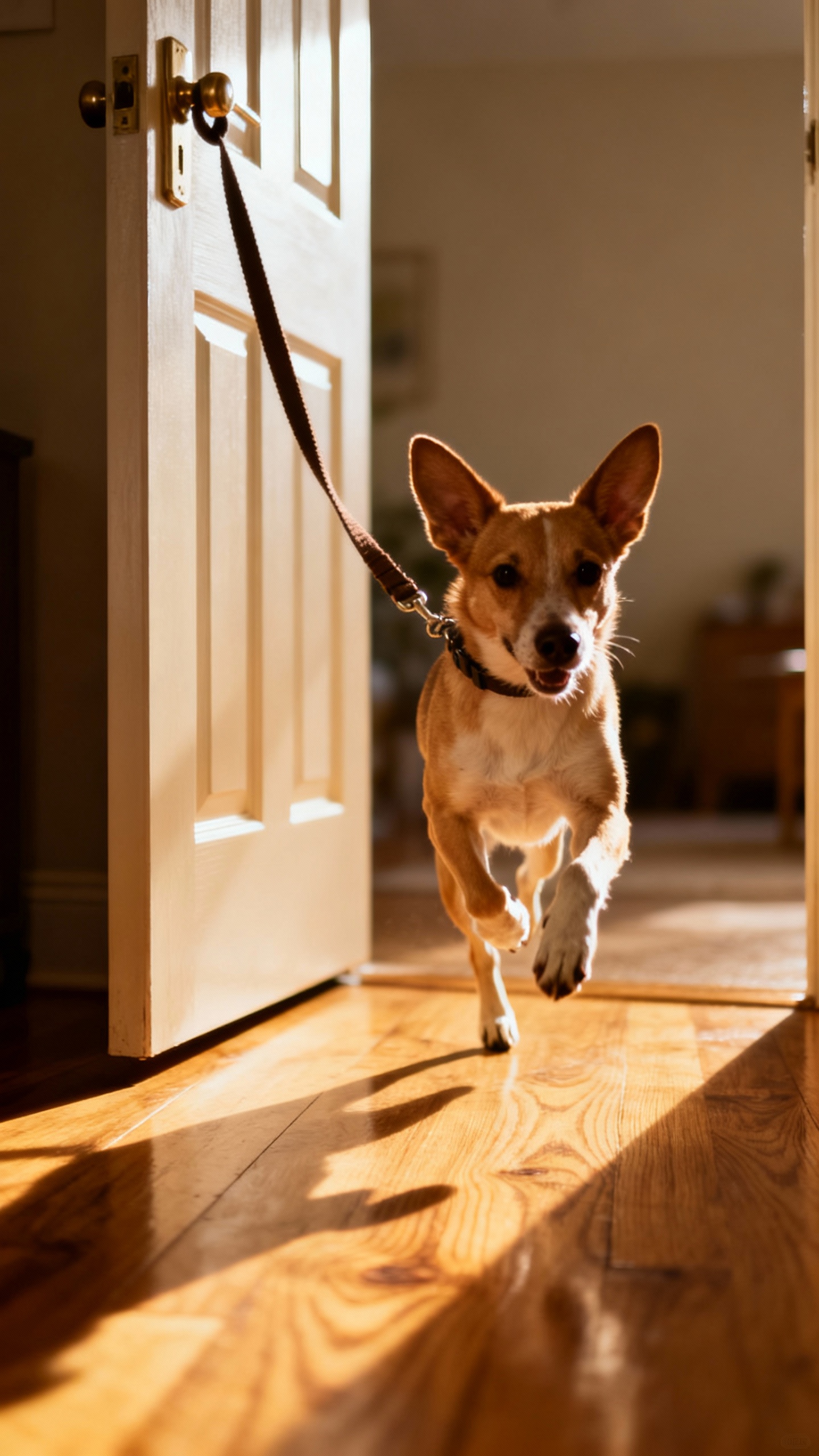
- Happy anticipation: Wagging, prancing, and perked ears when you pick up the leash or say his name.
FAQ
Can my dog understand the words “I love you”?
He understands your tone, facial expression, and what usually follows those words. If “I love you” happens with soft eyes, pets, and calm energy, he connects that phrase with safety and warmth. So yes, in dog terms, it lands.
Do hugs stress dogs out?
Some dogs tolerate or enjoy hugs.
Many don’t. If your dog stiffens, looks away, or licks his lips, skip the hug and try side scritches or chest rubs. Consent-based affection builds more trust than clingy koala impressions.
How often should I play with my dog?
Short daily sessions work best.
Think two to three chunks of 5–15 minutes, adjusted for age and breed. Quality beats quantity—end while he still wants more.
Is talking to my dog helpful or just cute?
Both. Your voice can soothe him and guide behavior, especially with consistent cues.
Add gestures and routine, and your dog will think you’re a communication wizard.
What if my dog isn’t very affectionate?
Affection looks different for every dog. Proximity, checking in, and calm relaxation around you count. Reward small moments, respect boundaries, and build rituals.
Love can be quiet and still be solid.
Can I “spoil” my dog with too much love?
You can’t spoil with love, but you can create confusion with inconsistency. Pair affection with structure: clear rules, predictable routines, and positive training. That combo makes a confident, happy dog.
Conclusion
Does your dog know you love him?
If you show it in ways he understands—through consistency, calm touch, play, and choice—then absolutely. Dogs read hearts through habits, not Hallmark cards. Keep the routines steady, keep the affection thoughtful, and enjoy the world’s most honest relationship.
And yes, go ahead—tell him again. He likes the sound of your voice.
Leave a Reply