
You don’t need a PhD in “Dog” to know your pup adores you—but decoding playtime? That’s where the love language gets loud and goofy. Dogs don’t write poems; they bring slobbery tennis balls and launch into zoomies.
If you’ve ever wondered whether your dog’s games mean “I love you,” good news: they absolutely do. Let’s translate those wags, bows, and playful nips into plain English—minus the mysterious canine side-eye.
The Play Bow: The Original “I Love You, Let’s Go!”

Dogs invented the play bow to say, “I come in peace and fun.” When your dog lowers their chest to the ground with their butt in the air, they’re inviting you into their world. Why it matters:
- It signals friendly intentions and trust.
- It often kicks off a playful chase or wrestle—aka bonding time.
- Dogs use it to reset the vibe if play gets a little too intense.
How to respond
Drop low, clap, or do a silly shuffle. You’ll look ridiculous, but your dog will feel seen.
IMO, it’s worth the ego hit.
Zoomies: Love at 20 Miles Per Hour
Technical term: FRAPs (Frenetic Random Activity Periods). Real-life translation: your dog turns into a furry comet and sprints like their joy can’t be contained. Why it matters:
- Zoomies show your dog feels safe, happy, and comfortable around you.
- Post-bath zoomies or after-dinner zoomies often mean “life is good.”
- When your dog loops around you, they’re including you in the fun.
Pro tip
Give them space and cheer them on. If they zoom toward you with a goofy grin, you’ve got a dog who wants you in their happy moment.

Tug-of-War: Sharing Power, Sharing Love
Some people still think tug creates aggression.
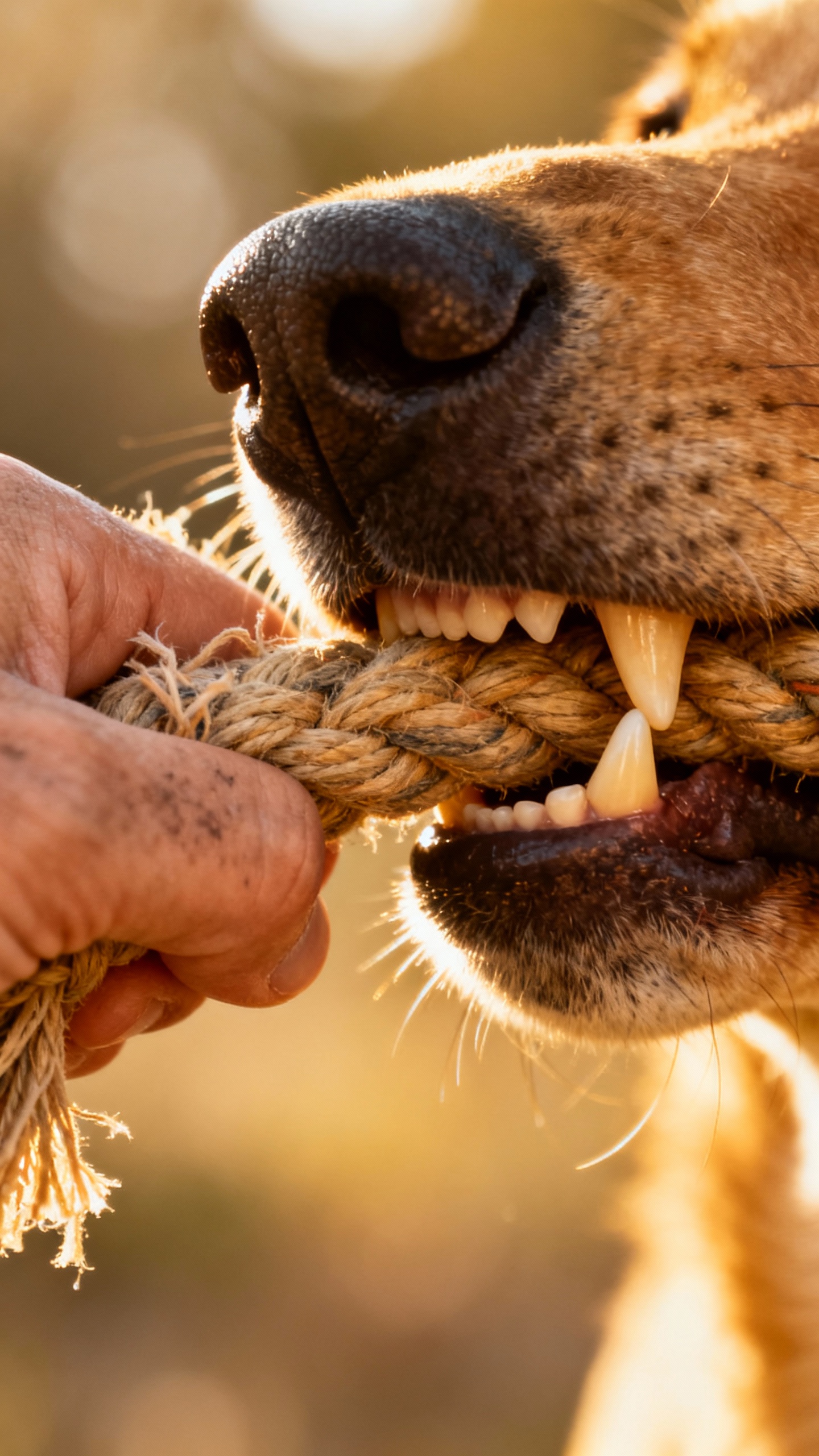
Dog trainers: “Nope.” When done right, tug builds confidence, impulse control, and a strong bond. Why it matters:
- Choosing to tug with you shows trust and excitement.
- Letting you take the toy (sometimes) equals respectful give-and-take.
- Dogs often invite tug by shoving the toy into your leg—romantic, in a canine way.
Make it healthy
- Teach “drop” and “take it.” This keeps things polite and fun.
- Keep the toy low. No helicopter swings—protect their neck.
- Let them win. FYI, winning boosts confidence and doesn’t “rank” your dog above you. That myth needs to retire.
Gentle Mouthiness: The Soft-Nip Love Tap
Puppies explore with their mouths, and some adults keep a softer version of that habit during play. They’ll mouth your hand without pressure, like a doggy handshake. Why it matters:
- It shows trust and affection, especially when paired with waggy bodies.
- It’s a social bonding tool—dogs use soft mouthing with friends.
- It often happens during calm play or cuddle-play moments.
Set boundaries without killing the vibe
If it gets too nippy, say “ouch,” freeze for a second, and resume when they soften.
They learn fast, and you keep the sweetness.
Chase Me! The Flirt of Dog Games
You walk across the room, your dog darts away with a toy and looks back like, “You coming?” That’s an invitation to chase—one of the most joyful social games dogs play. Why it matters:
- They want your attention and interaction.
- They control the pace and feel safe enough to be vulnerable.
- It’s a classic friendship game among dogs—and you’re in the club.
Make chase safe and fun
- Let them lead. You “chase,” but keep it light and avoid cornering.
- Trade for treats or a second toy. It turns “keep away” into a teamwork game.
- Avoid rough chase with nervous dogs. For shy pups, try “follow me” instead.
Body Slams and Play Wrestling: Trust in Tumbles
Some dogs love full-contact fun. Play wrestling, shoulder bumps, and rolling around look wild, but the details tell you it’s loving play: loose bodies, bouncy movements, and frequent pauses. Why it matters:
- Close-contact play means deep trust—you’re in their inner circle.
- They self-handicap: bigger dogs often go gentle with smaller playmates.
- They give and take—one “wins,” then they swap.
Red flags to watch (so love stays love)
- Stiff bodies, hard stares, or silence—end the session and reset.
- Pinning that doesn’t release quickly—time to break it up.
- One dog always trying to leave—advocate for the underdog.
Bringing You Toys: Gifts, Not Bribes
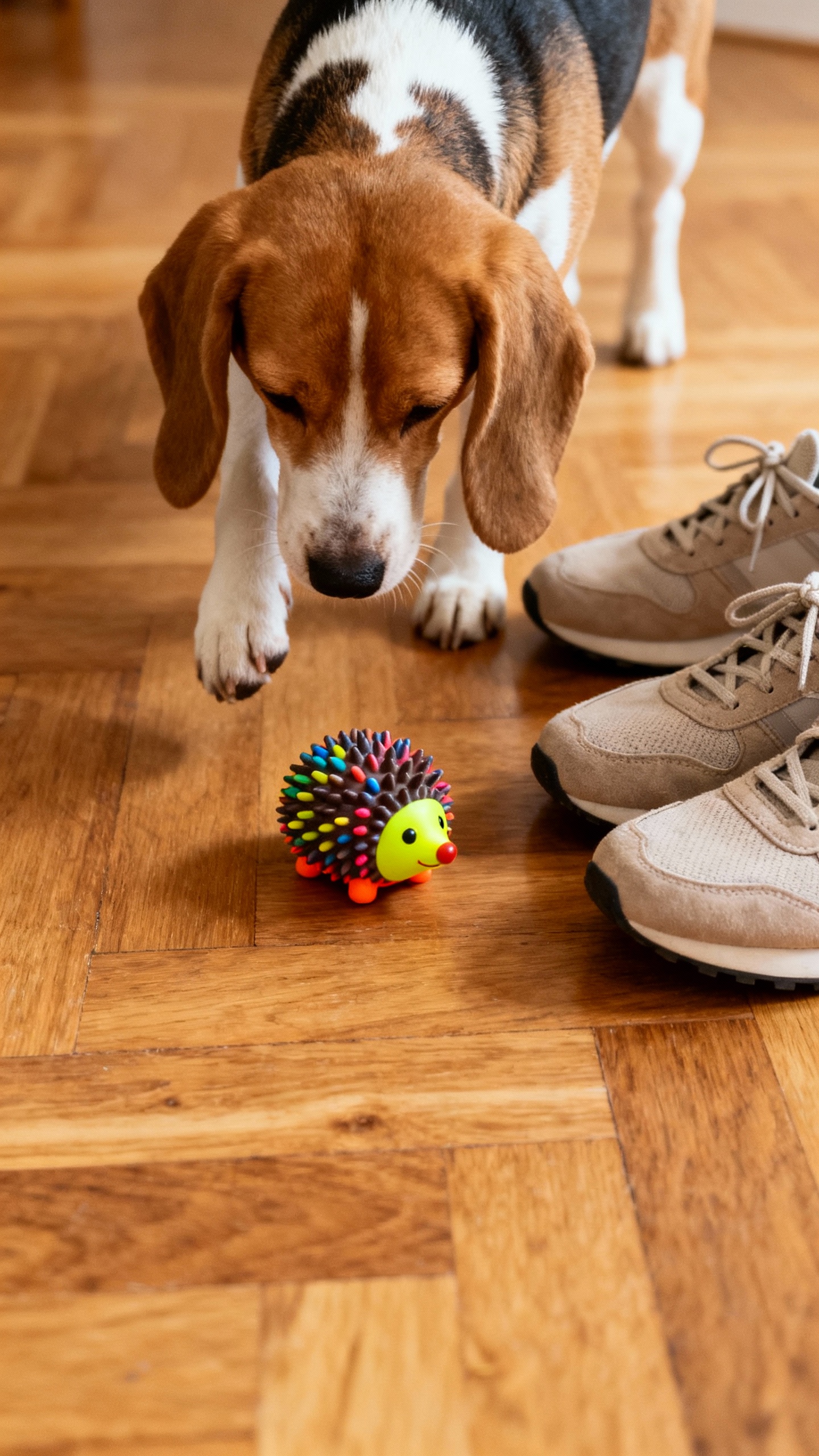
Your dog trots over with a squeaky hedgehog and drops it at your feet.
That’s not just “play with me.” It’s “I want to share my favorite thing with my favorite human.” Why it matters:
- Sharing a resource = high trust and affection.
- It’s an invitation to connect, not just an energy dump.
- Some dogs pick toys you’ve praised—yes, they remember.
Turn it into a love ritual
Use a quick routine: “thank you” → treat or toss → brief tug → “drop” → toss again. Consistency makes the game your shared language.
When Play Gets Quiet: Soft Eye Contact and Little “Huffs”
Not every love note screams “zoomies.” Some dogs play gently—soft eye contact, relaxed blinks, playful “huffs,” and little head tilts. It’s cozy, flirty, and very sweet. Why it matters:
- Calm play shows emotional security.
- Eye contact releases oxytocin in both of you—yep, science says you’re basically hugging with your eyeballs.
- Dogs match your energy—if you’re mellow, they’ll mirror it.
Match their mood
Try nose-target games, slow tug with fleece toys, or hide-and-seek treats.
Connection, not chaos, drives the love here.
FAQs
How do I know my dog is playing and not being aggressive?
Look for loose, wiggly bodies; open mouths; play bows; and bouncy movements. Play includes pauses, role reversals, and quick resets. Aggression looks stiff, still, and silent.
If you’re unsure, call your dog to you—if they happily disengage, you’re in play mode.
Is tug-of-war safe for puppies?
Yes, with rules. Keep the toy low, tug gently, and take frequent breaks. Teach “take it” and “drop” early.
FYI, let them “win” often to build confidence.
What if my dog never brings me toys?
Some dogs prefer chase, scent games, or wrestling over fetch. Try different play styles: flirt pole, hide-and-seek, or food puzzles. Your dog’s “I love you” might look like following you around like a furry shadow.
Why does my dog zoom after baths?
That post-bath joy burst releases tension and dries their coat.
Bath over = relief + fresh sensation = zoomies. Toss a towel on the floor and cheer them on—instant bonding.
Can play help with behavior problems?
Absolutely. Structured play burns energy, builds impulse control, and strengthens communication.
Pair play with training cues like “sit,” “wait,” and “drop.” IMO, five focused minutes of play beats 30 minutes of bored wandering.
How long should I play with my dog daily?
Aim for several short sessions, 5–15 minutes each, depending on age and breed. Mix physical play (tug, fetch) with mental games (scent work, training). Quality beats quantity—engaged play leaves your dog satisfied and snuggly.
Bringing It Home
Play tells you everything about your dog’s heart.
The bows, zoomies, goofy chases—they’re all love letters with squeakers. Try new games, watch their body language, and build little rituals that say, “I get you.” Your dog doesn’t need words. They’ve got toys, wags, and you—perfect combo, IMO.
Leave a Reply