
You want to be the person your dog chooses every time? The lap they flop onto, the voice they sprint toward, the human they shadow like a fluffy CIA agent? Good news: you can earn that spot.
Dogs don’t hand out “favorite human” trophies— they award them based on consistency, fun, and trust. Let’s make you the clear winner.
Learn Their Language (Then Speak It Every Day)
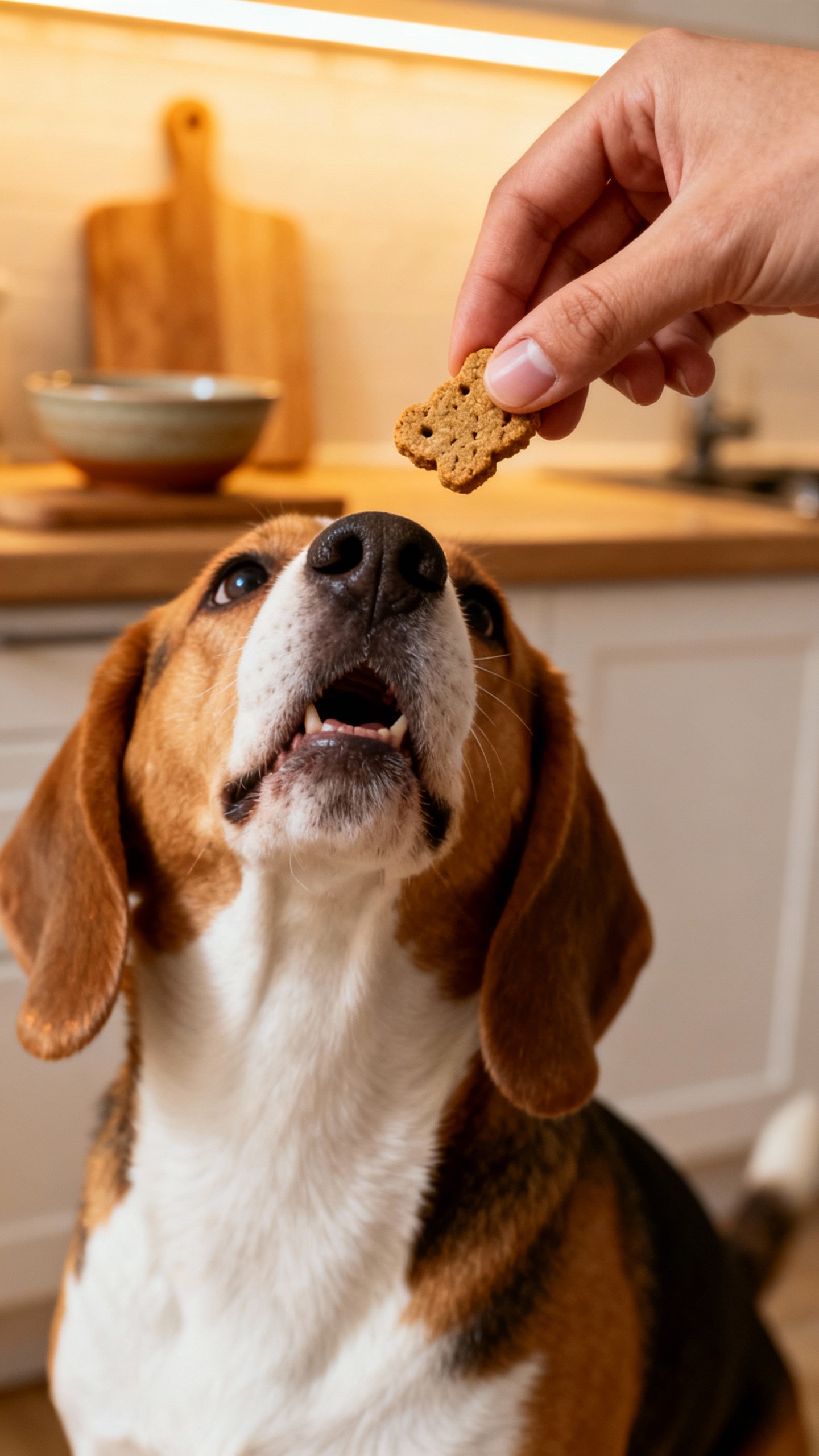
You don’t need a Dr. Dolittle degree.
You just need to notice. Dogs communicate through body language, routines, and tone—not long lectures about why the couch is off-limits.
- Watch their signals: Lip licking, yawning, turning away, tail carriage—these tell you comfort levels. Respect those signals and you build trust fast.
- Use canine-friendly greetings: Turn slightly sideways, avoid looming, offer your hand low, and let them come to you.
It feels polite in dog culture.
- Keep your voice calm and warm: High, cheerful tones for praise; calm, even tones for cues. Shouting confuses; consistency clarifies.
Pro Tip: Consent isn’t just for people
Try the “consent test.” Pet for three seconds. Pause.
Did your dog lean in or nudge you? Continue. Did they step away or freeze?
Take the hint. Respect builds loyalty. IMO, it’s the fastest trust hack.
Make Training Your Daily Love Language
Training isn’t boot camp—it’s bonding.
Dogs love clarity. When you teach and reinforce cues, they relax. You become the predictable human who makes sense.
- Use positive reinforcement: Reward what you want, ignore or redirect what you don’t.
Treats, toys, and praise keep it fun.
- Short sessions win: Two to five minutes, a few times a day. Stop while they still want more.
- Reward the calm stuff too: Lie-downs, quiet sits, and chill vibes deserve snacks. Don’t only reward circus tricks.
Build a core cue set
Focus on sit, down, stay, come, leave it, drop it, and place/bed.
These cues keep your dog safe and confident. Also, pro behavior looks impressive at the park. FYI, recall (“come”) earns favorite-human points fast if you reward it like a jackpot every time.
Become the Source of All Good Things
Dogs notice who fuels their happiness.
It’s not bribery; it’s a relationship economy. You control the currency.
- Hand-feed part of their meals: Use kibble during training or scatter-feed in the yard. You become the snack machine with a brain.
- Rotate high-value rewards: Cheese today, tug tomorrow, sniff walk on Friday.
Variety keeps engagement high.
- Create rituals: Morning cuddle, midday puzzle, evening play. Predictability feels safe and cozy.
Sniffing is a need, not a hobby
Let your dog sniff on walks. Their nose is their Instagram.
A “sniffari” drains mental energy and tells your dog you understand them. That’s favorite-human material.
Play Like You Mean It
Boring humans don’t win. Dogs love goofy, enthusiastic play—within their preferences, not yours.
- Find their jam: Tug, fetch, flirt pole, gentle wrestling, or food puzzles.
Your terrier may love chase; your senior may prefer foraging.
- Use rules to keep it safe: Start with a cue (“ready?”), add impulse breaks (“drop,” “wait”), and end with a clear “all done.”
- Match the intensity: High-energy play for zoomies, calm enrichment for rainy brains. Read the room (or the tail).
Tug without the drama
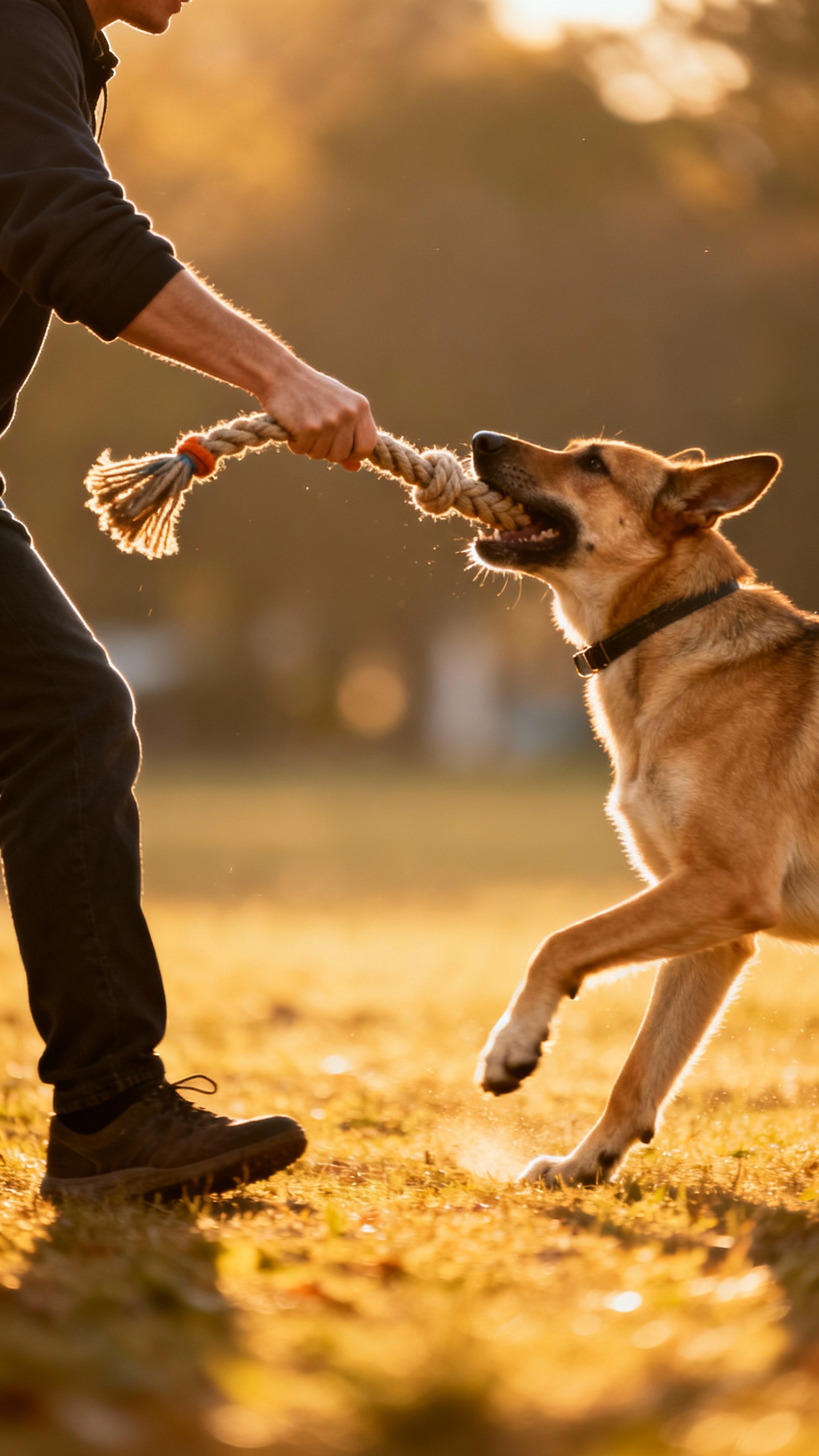
You can play tug safely. Keep the toy low, move side-to-side, and let them win often.
Winning builds confidence, not “dominance.” If anyone tells you otherwise, smile and go back to making your dog happy.
Protect Their Comfort Like a Bodyguard
Dogs remember who kept them safe. Be the person who advocates for them, even when it’s awkward.
- Set boundaries with people and dogs: If your dog looks uneasy, move away. Tell the off-leash “he’s friendly!” missile to give you space.
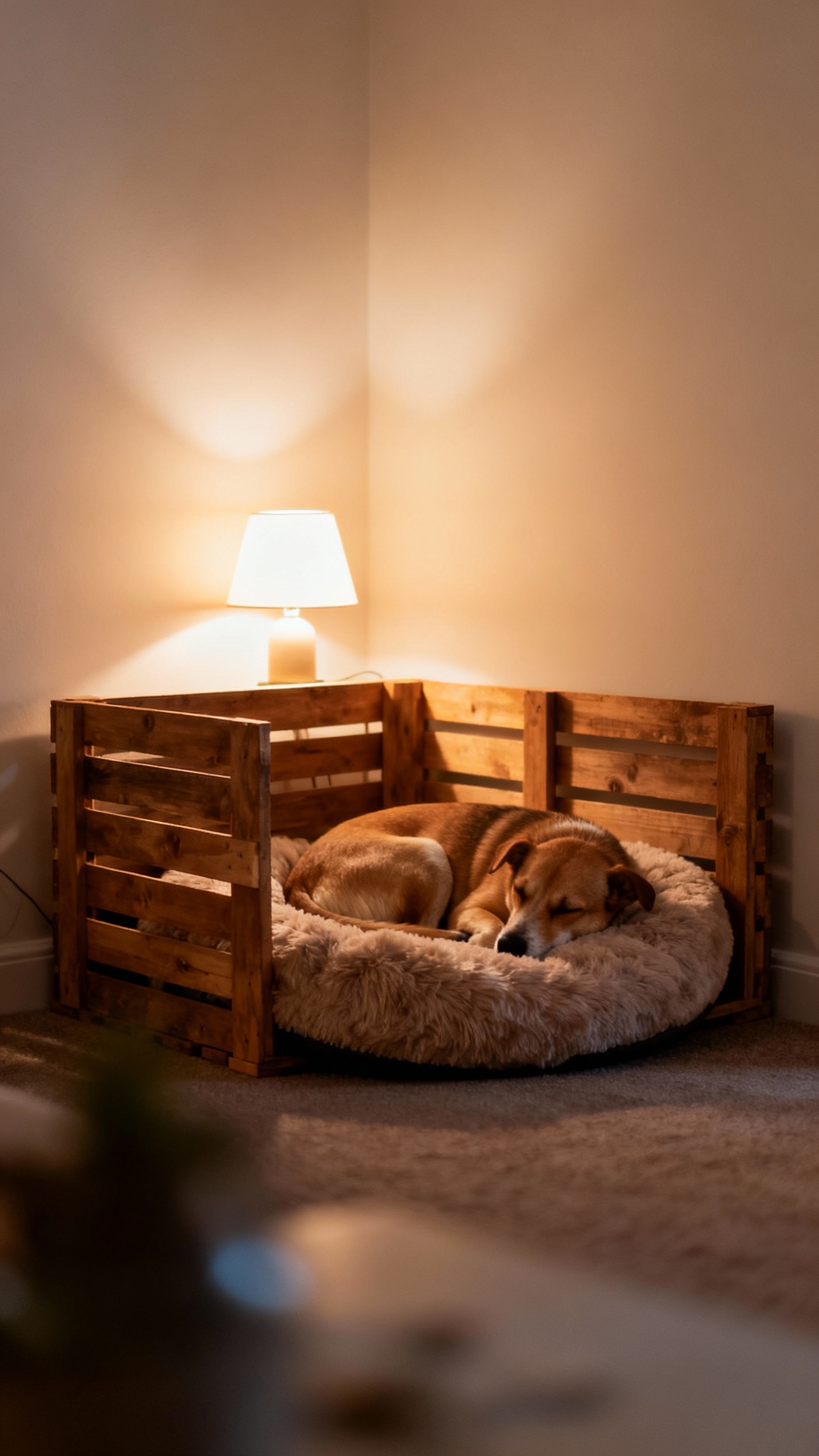
- Create a safe zone at home: A quiet bed or crate where no one bothers them.
Kids included.
- Vet and grooming with care: Use cooperative care techniques: touch, treat, pause. Pair handling with rewards, never force.
Stress stacking is real
Loud trucks + vet visit + dropped pan = meltdown. Keep routines gentle after stressful events.
Offer decompression walks and extra sniff time. Your dog will look to you because you keep the world manageable.
Exercise Their Brain, Not Just Their Legs
A tired dog can still act like an unhinged squirrel. You need mental work, not just laps.
- Enrichment menu:
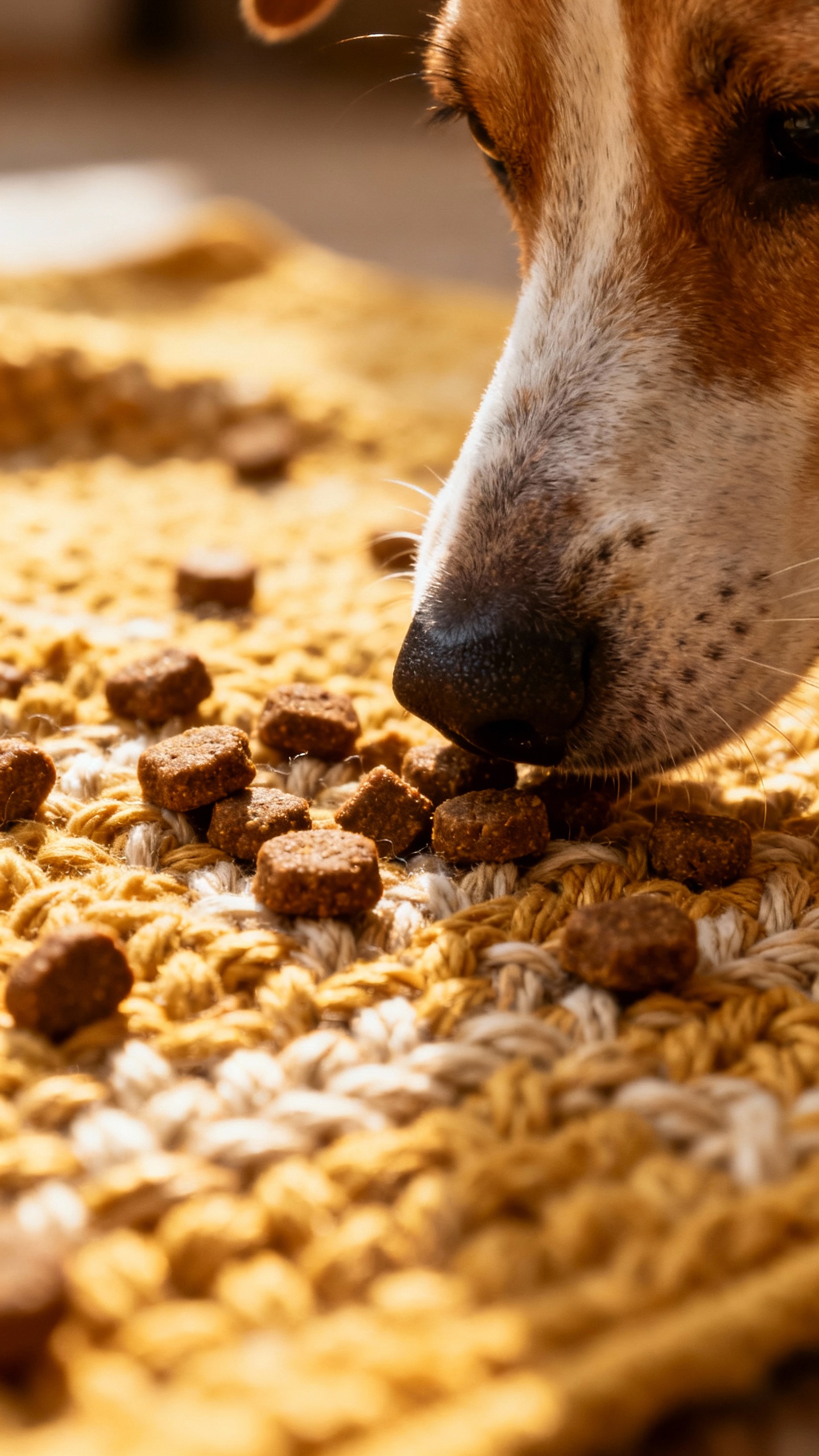
- Snuffle mats and scatter feeding
- Food puzzles and frozen Kongs
- Cardboard “rip and find” boxes
- Hide-and-seek with you or treats
- Nose work games: Teach a simple “find it” with hidden food or toys.
The nose tires the brain faster than sprints.
- Trick training: Spin, bow, peekaboo—fun, cute, and mentally rich. Also great for party clout, IMO.
Be Consistent and Fair—Every Time
Dogs don’t read the rulebook. They read your pattern.
If the couch is sometimes okay and sometimes not, they’ll flip a coin.
- Set simple house rules: Decide on furniture, door manners, and mealtime rituals. Everyone sticks to them.
- Reward what you want immediately: Timing beats lectures. Treat the sit at the door; ignore the jumping.
- Keep sessions and expectations age-appropriate: Puppies can’t hold it together for long.
Seniors need gentler pacing.
Repair the relationship after mistakes
You raised your voice. It happens. Take a breath, reset, and do two minutes of easy wins: simple cues, treats, cuddles if your dog enjoys them.
Favoritism grows from thousands of small good moments.
FAQ
How long does it take to become my dog’s favorite person?
It varies. Some dogs bond in days; others need weeks or months. Consistency speeds things up: daily play, training, hand-feeding, and calm routines.
If your dog has a history of stress or trauma, go slower and celebrate tiny wins.
What if my dog already prefers someone else?
You can still level up. Pair yourself with the best stuff: you handle meals, sniff-walks, and training games. Avoid being “the bath person” only.
Over time, your dog will associate you with comfort and fun, not just hygiene and doom.
Do I need to be the “alpha” for my dog to respect me?
Nope. The alpha myth belongs in the bargain bin. Respect comes from clear communication, predictable rules, and rewards for good choices.
Control the environment, not your dog. You’ll get better behavior and a happier relationship.
My dog ignores me outside. Help?
Your environment beats your treat quality.
Start training in quiet places and slowly add distractions. Use high-value rewards outside (think chicken, not kibble), keep sessions short, and practice recall with a long line. Pay jackpots for coming when called—always.
How much exercise does my dog really need?
It depends on age, breed, and health.
As a baseline, aim for daily walks plus 10–20 minutes of play and enrichment. High-energy dogs need more, seniors need gentler movement, and brachycephalic breeds need careful pacing. Ask your vet for specifics if you’re unsure.
Can I overdo training or play?
Yes.
If your dog stops taking treats, turns away, or gets wild-eyed, take a break. Balance high-energy play with calm enrichment and nap time. Quality beats quantity every time.
Conclusion
You become your dog’s favorite person when you make life clear, safe, and fun.
Learn their signals, train with kindness, protect their comfort, and be the source of epic snacks and even better games. Keep it consistent, keep it joyful, and keep it short and sweet. Do that, and your dog won’t just love you—they’ll choose you, every single time.
Leave a Reply