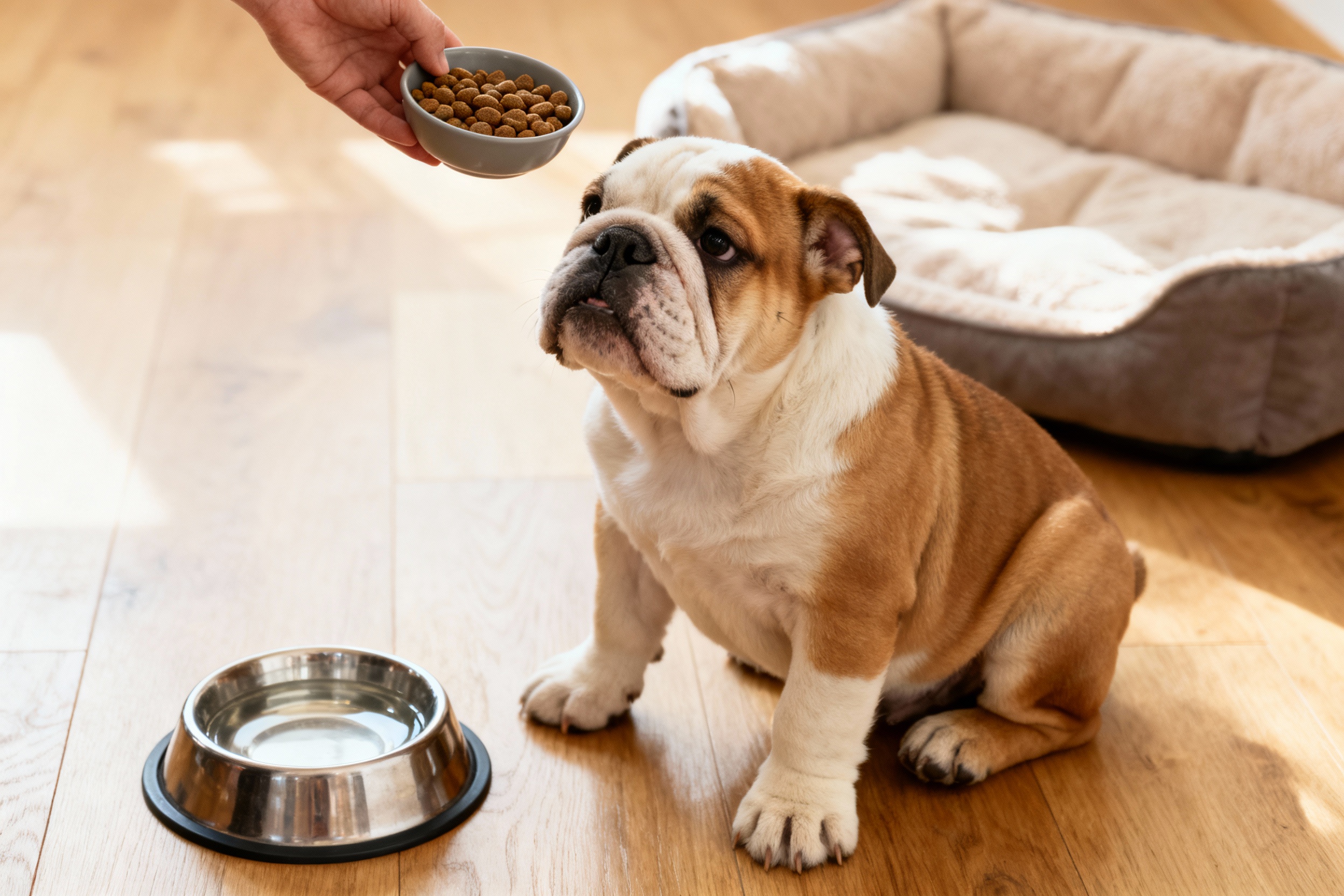
Bulldog puppies eat like tiny, snorting vacuum cleaners. They also have sensitive tummies, fast-growing bodies, and a talent for begging with those squishy faces. Translation: what and how you feed them matters a lot.
Let’s make a plan that keeps your little wrinkle monster healthy, happy, and not gassy enough to clear a room.
Know Your Bulldog Puppy’s Needs
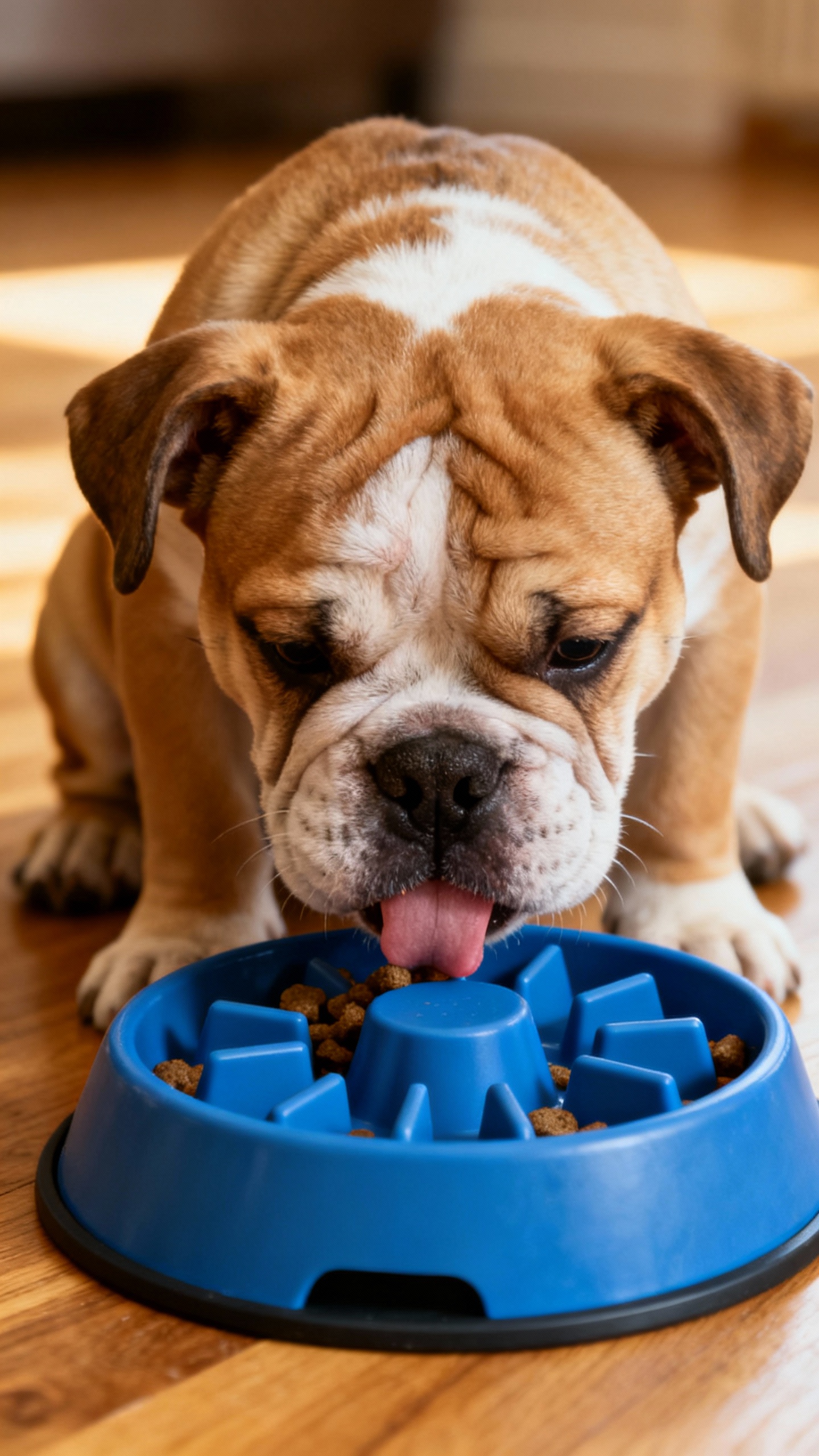
Bulldogs grow quickly, but not evenly. They pack on muscle and bone while their joints lag behind. That means you need balanced nutrition, not just “more food.” Bulldog puppies need:
- High-quality puppy food with controlled fat and moderate protein
- Calcium and phosphorus in balance to protect joints and bones
- Omega-3s for skin, coat, and brain development
- Easy-to-digest carbs because their guts are drama queens
FYI: Bulldogs are brachycephalic (short-nosed), so they can struggle with heat and eating too fast.
The right bowl and routine help a lot. More on that soon.
Choose the Right Puppy Food (Without Losing Your Mind)
Don’t overthink every label, but do pick a food that ticks the basics. You can go kibble, wet, or gently cooked/raw if you know what you’re doing.
Most new owners do great with a high-quality kibble designed for medium breeds. Look for:
- Named animal protein first (chicken, turkey, salmon, lamb)
- 22–30% protein and 12–18% fat (dry matter basis)
- Calcium 1.0–1.5% and Ca:P ratio around 1.2–1.4:1
- EPA/DHA from fish oil for joints and skin
- Probiotics and fiber (pumpkin, beet pulp, chicory root) for gut health
Avoid, IMO:
- Foods that list “meat by-product” as the first ingredient
- Super-high protein “all stages” formulas not tailored to puppies
- Artificial colors and vague “animal digest” stuff
Kibble Size and Shape Matters
Bulldog pups have wide jaws and short muzzles. Choose kibble with a flatter, medium-sized shape. If your pup struggles to pick up pieces, switch brands or soften the kibble with warm water.

How Much and How Often?
Your Feeding Schedule
Puppies do best with small, frequent meals. Big meals can upset their stomach or increase bloat risk. General schedule:
- 8–12 weeks: 4 meals/day
- 3–6 months: 3 meals/day
- 6–12 months: 2–3 meals/day
How much? Start with the bag’s guidelines for your puppy’s current weight, then adjust weekly based on body condition. If ribs vanish under a marshmallow layer, cut back.
If ribs feel like a xylophone, add a bit.
Body Condition Check (The Quick Version)
- Ideal: You can feel ribs with light pressure; slight waist from above
- Too thin: Ribs and spine are sharp; bump up portions
- Too fluffy: Can’t feel ribs easily; cut back by 10–15%
Transitioning Foods Without Tummy Drama
Changing foods suddenly equals bulldog belly chaos. Go slow over 7–10 days.
- Days 1–2: 75% old food, 25% new
- Days 3–4: 50/50
- Days 5–6: 25% old, 75% new
- Day 7+: 100% new
Pro tip: Add a teaspoon of plain pumpkin (not pie filling) or a puppy-specific probiotic during transitions. It helps stabilize the gut.
IMO, it’s worth it.
Tools and Tricks to Slow That Eager Eater
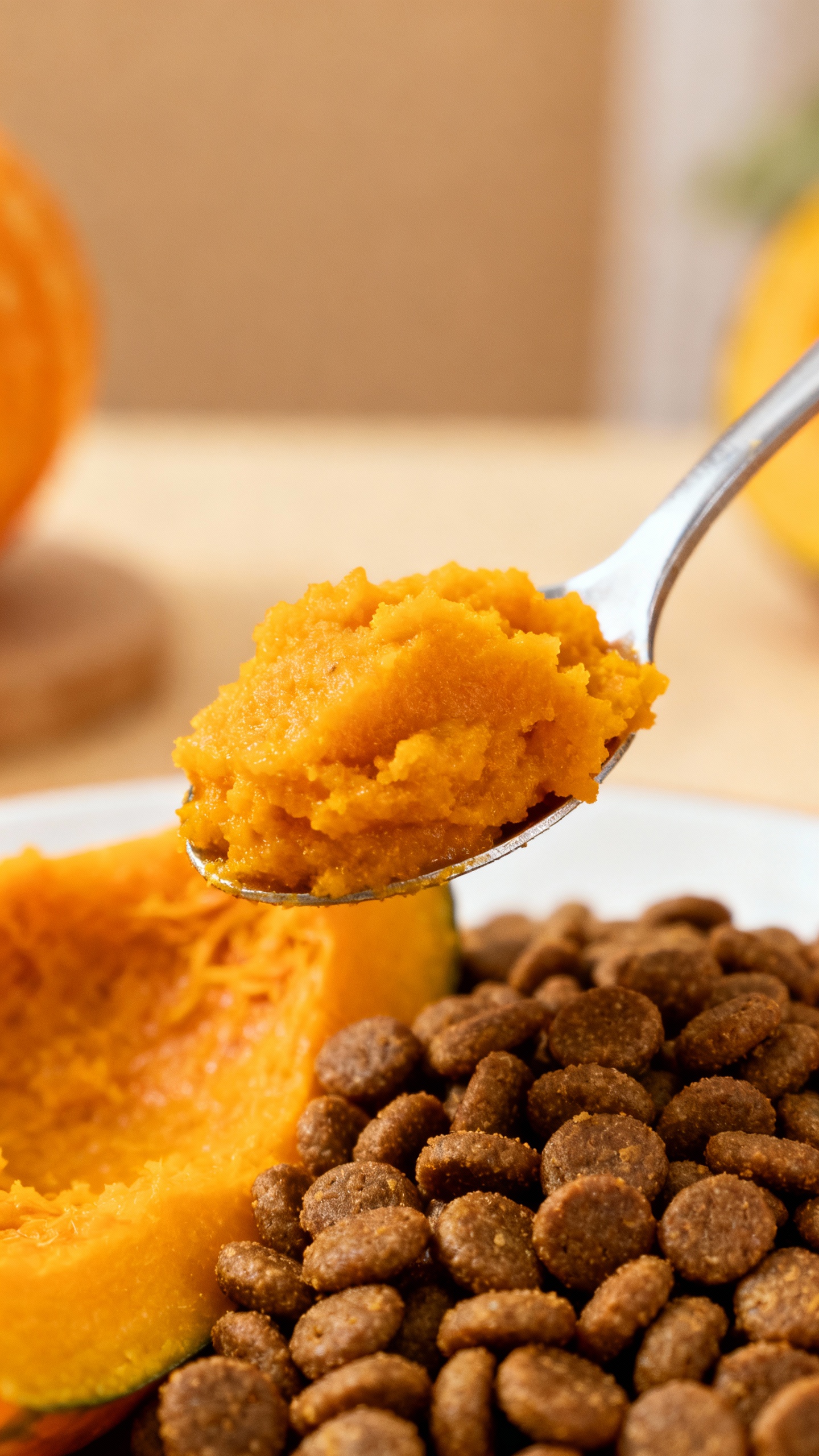
Bulldogs inhale food like it’s a competitive sport. Slower eating = less choking, less gas, and fewer hiccups. Helpful gear:
- Slow feeder bowl with ridges
- Shallow, wide dish to help their short muzzle
- Food puzzles for mental stimulation
- Elevated bowl only to a comfortable height (not high) if your pup struggles to reach
Feeding routine:
- Feed in a quiet spot with no competition
- Soften kibble for younger pups or during teething
- Keep mealtime to 10–15 minutes, then remove leftovers
Hydration Matters More Than You Think
Fresh water at all times. If your pup eats dry food, consider a splash of warm water to moisten meals.
Just don’t turn it into soup.
Treats, Table Scraps, and the Gas Question

Treats can make training magical, but they add calories fast. Keep treats to under 10% of daily calories. Good treat options:
- Small pieces of cooked chicken or turkey
- Freeze-dried single-ingredient meats
- Low-cal training treats; break them tiny
- Bits of carrot or green beans for crunchy fans
Avoid for bulldog pups:
- Rich, fatty foods (hello diarrhea)
- Dairy if they seem lactose sensitive
- Anything spicy, salty, or sugary
About the gas: Bulldogs can get gassy from gobbling, excess fiber, and certain proteins (beef often offends). If your room becomes a biohazard, try:
- Slow feeding and smaller meals
- Switching to a different protein source (chicken, salmon, lamb)
- Adding a probiotic for 4–6 weeks
Special Bulldog Considerations
This breed brings quirks.
Cute quirks, but still quirks. Watch for:
- Allergies: Itching, ear gunk, paw licking, chronic soft stool
- Skin folds: Food sensitivity can flare skin issues; omega-3s help
- Weight gain: They pack on pounds easily—bad for joints and breathing
If allergies pop up, talk to your vet. They might suggest a limited-ingredient or hydrolyzed-protein diet. Don’t DIY elimination diets without a plan—you’ll go in circles.
Supplements: Which Are Worth It?
- Fish oil (EPA/DHA): Great for skin and joints; use vet-recommended dosing
- Probiotics: Helpful during food changes or tummy trouble
- Joint support: In large, fast-growing pups, omega-3s do more than generic glucosamine
Skip random multivitamins if you feed a complete puppy diet.
You don’t need to turn dinner into a chemistry set.
Sample Daily Feeding Plan
Let’s say your 12-week-old bulldog puppy weighs 10–12 pounds. You might feed around 1–1.5 cups of puppy kibble per day, split into 4 meals. Adjust based on the brand’s calories and your pup’s body condition. Example:
- 7:30 AM – 1/4 cup
- 12:00 PM – 1/4 cup
- 4:30 PM – 1/4 cup
- 8:00 PM – 1/4 cup
Work in 5–10 minutes of calm after meals—no zoomies or stairs right away.
Bulldogs aren’t built for crossfit, especially with a full belly.
FAQ
When should I switch my bulldog puppy to adult food?
Usually around 12 months, but some switch a bit earlier if growth slows and weight creeps up. Transition over 7–10 days. If your pup still looks lanky, stay on puppy food a little longer.
Your vet can help decide at a growth check.
Can I feed a homemade or raw diet?
You can, but do it carefully. Puppies need precise calcium, phosphorus, and micronutrients. If you want raw or home-cooked, work with a veterinary nutritionist to avoid deficiencies.
IMO, commercial complete diets are simpler and safer for most new owners.
My puppy has constant soft stools. What now?
First, rule out parasites with your vet. Then simplify: one food, no new treats, slow feeder, and a probiotic for 2–4 weeks.
If things don’t improve, try a different protein or a sensitive-stomach puppy formula. Keep a poop diary—unpleasant but useful.
Are grain-free diets good for bulldog puppies?
Not automatically. Some pups do fine on grains like rice or oats, and grain-free doesn’t mean better.
Talk to your vet, especially because of ongoing research about grain-free diets and heart health. Pick what your pup digests best, not what’s trendy.
How do I prevent my bulldog from becoming overweight?
Measure every meal, keep treats under 10% of calories, and do weekly rib checks. Build in short, frequent play sessions and controlled walks.
If weight climbs, cut portions by 10% and reassess in 2 weeks. Consistency beats “weekend warrior” workouts.
Do I need to add water to kibble?
You don’t need to, but adding warm water can help puppies chew, slow eating, and support hydration. It’s also great during teething.
Just don’t leave moistened food out for hours—toss leftovers after 20–30 minutes.
Bottom Line
Feed your bulldog puppy a balanced, high-quality puppy diet in small, regular meals. Use slow-feeding tricks, watch body condition, and adjust portions before chonk happens. Keep treats simple, transitions slow, and your sense of humor intact.
Raise the bowl (figuratively), and enjoy every goofy, wiggly bite of puppyhood. FYI: drool on your shoes means you’re doing it right.
Leave a Reply