
Puppy zoomies are cute. Malnutrition? Not so much.
If you’ve got a German Shepherd puppy, you’ve basically adopted a furry athlete with a rocket engine attached. Feed them right and you’ll support strong bones, a sharp brain, and a shiny coat. Mess it up and you risk tummy drama, joint issues, and vet bills that could fund a small vacation.
Know Your Puppy: Growth, Breed Needs, and Appetite
German Shepherds grow fast and keep growing for a long time.
Most hit adult height by 9–12 months, but they fill out until 18–24 months. That long growth window means you need to control calories and calcium carefully. Key facts to remember:
- Large-breed puppy = special nutrition needs. Regular puppy food won’t cut it.
- Steady growth beats rapid growth. Slow and controlled protects joints and hips.
- They always act hungry. Your pup will swear they’re starving.
They’re not. You control the bowl.
What to Feed: The Right Food for a German Shepherd Puppy
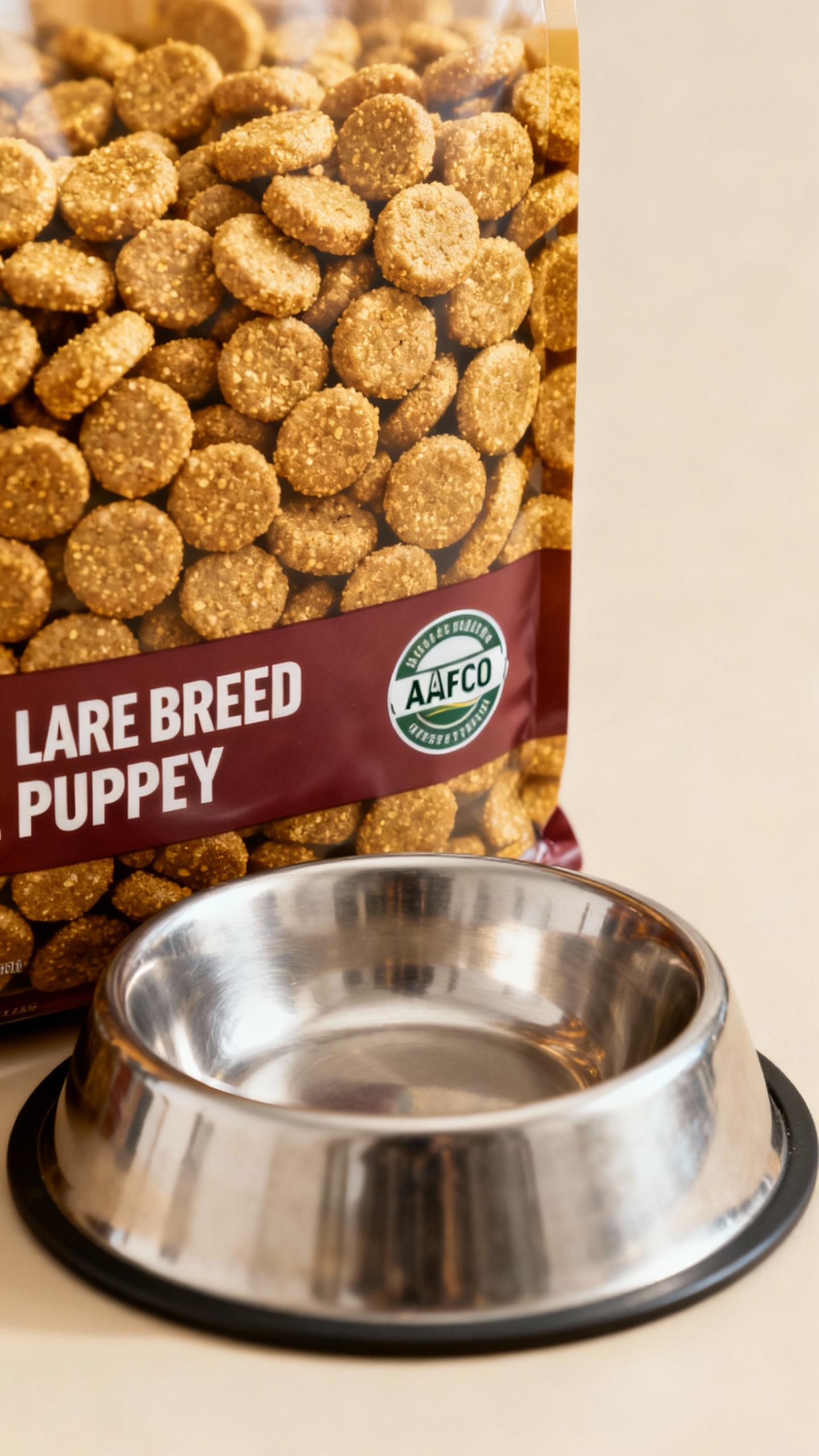
You’ve got three main options: dry kibble, wet food, or a fresh/frozen diet. You can mix them, but consistency matters. Choose a food labeled for “Large Breed Puppy.” That phrase isn’t marketing fluff.
It means controlled energy density and balanced calcium/phosphorus to support bones and joints.
Non-negotiables on the label
- AAFCO statement for growth including large-size dogs.
- Protein: ~26–30% (kibble analysis) from animal sources first.
- Fat: ~12–18% for energy and coat health.
- Calcium: ~1.0–1.4% with a Ca:P ratio around 1.2–1.4:1.
- DHA/omega-3s for brain and eye development.
Can you feed raw or home-cooked?
Sure—if you work with a board-certified veterinary nutritionist. Random recipes from your cousin’s Facebook group? Hard pass.
FYI, unbalanced calcium or calories can lead to growth problems fast.
How Much and How Often: Portioning Without Overfeeding
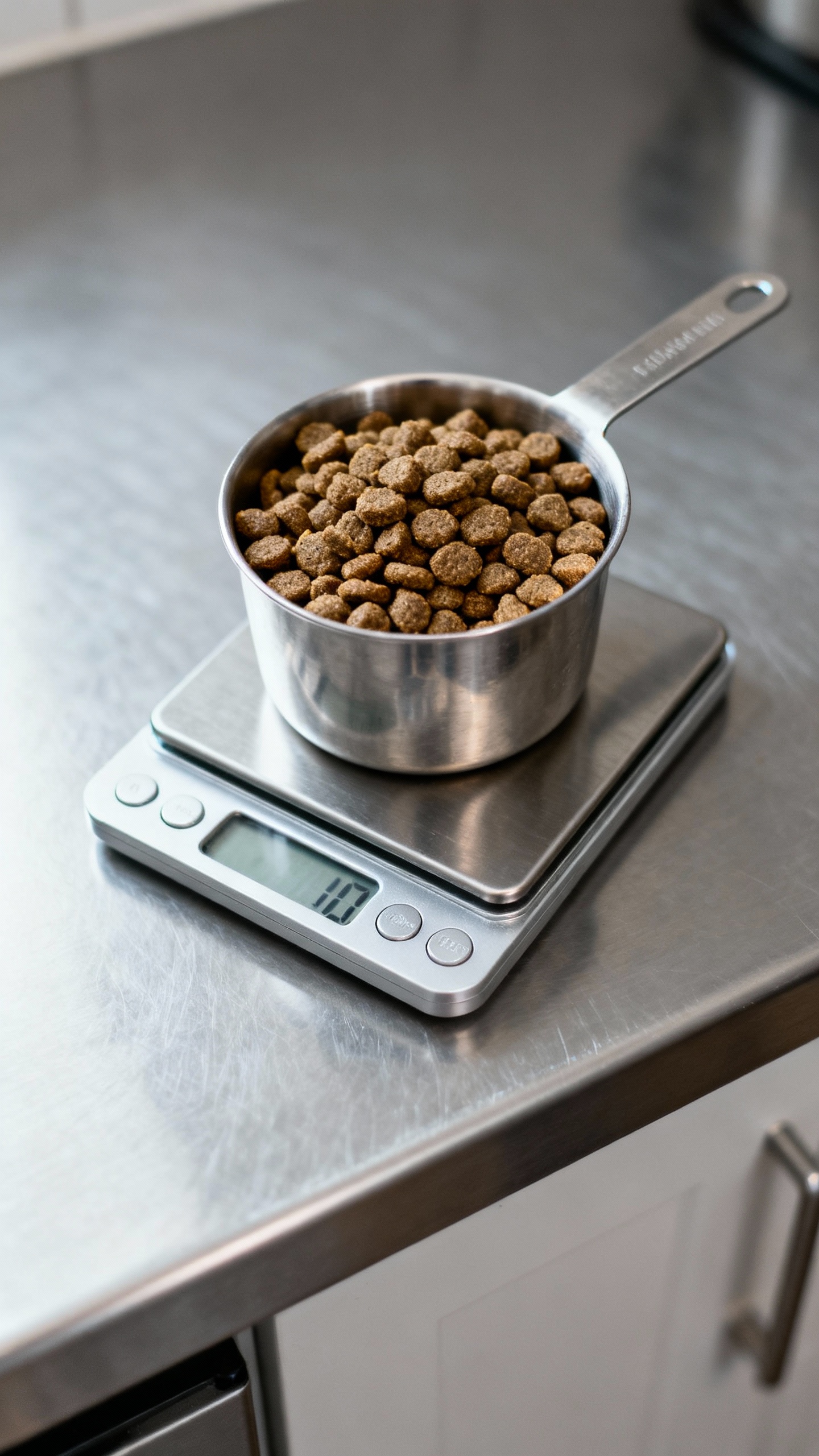
You feed for body condition, not just the bag’s chart. Use the guidelines on your food as a starting point, then adjust weekly.
Typical feeding schedule
- 8–12 weeks: 3–4 meals/day
- 3–6 months: 3 meals/day
- 6–12 months: 2–3 meals/day
- 12+ months: 2 meals/day
Portion tips
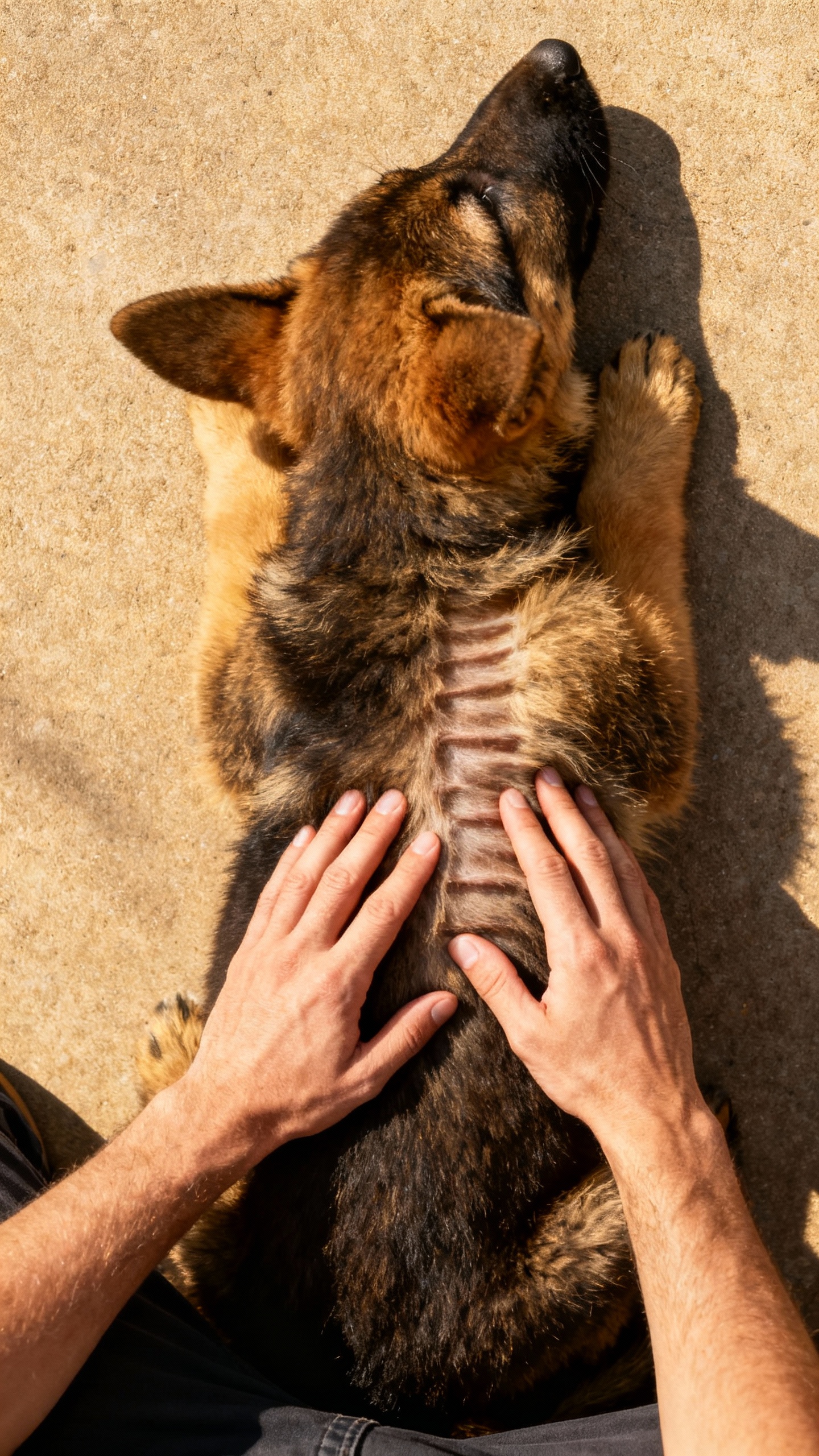
- Weigh your puppy weekly. Adjust by 10% up or down if weight or ribs go the wrong way.
- Keep a lean body condition: you should feel ribs easily with a slight fat cover and see a waist from above.
- Training a lot?
Shift 10–20% of daily calories into training treats, not extra calories on top.
Red flag: Big belly and loose stools? You may be overfeeding. Scale back slightly and see if things normalize in a few days.
Transitioning Foods Without Drama
Swapping foods overnight is a roulette wheel for diarrhea.
Transition slowly over 7–10 days.
- Day 1–2: 75% old, 25% new
- Day 3–4: 50/50
- Day 5–6: 25% old, 75% new
- Day 7+: 100% new
If your pup gets soft stools during transition, pause at the current ratio for a few days. Add a vet-approved probiotic if needed. IMO, slow and boring wins here.
Treats, Chews, and Supplements: What’s Helpful vs.
Hype
Treats help training, but they can nuke your careful calorie balance. Keep treats under 10% of daily calories. Yes, that includes the “just one more” bits from your plate.
Good choices
- Freeze-dried meat or training bites (small, high-value, low-calorie)
- Kibble-as-treat: pull from the daily ration
- Dental chews sized for puppies (watch calories)
Skip or limit
- High-fat table scraps (hello, pancreatitis risk)
- Excess dairy (diarrhea city)
- Cooked bones (splinters and vet visits)
Supplements: do you need them?
If you feed a complete large-breed puppy diet, you usually don’t. Do not add calcium to a balanced food.
Fish oil with DHA can help skin/coat and development, but check dose with your vet to avoid GI upset. Glucosamine in puppyhood? Nice-to-have, not essential if your diet already includes it.
Common German Shepherd Puppy Tummy Issues (And Fixes)
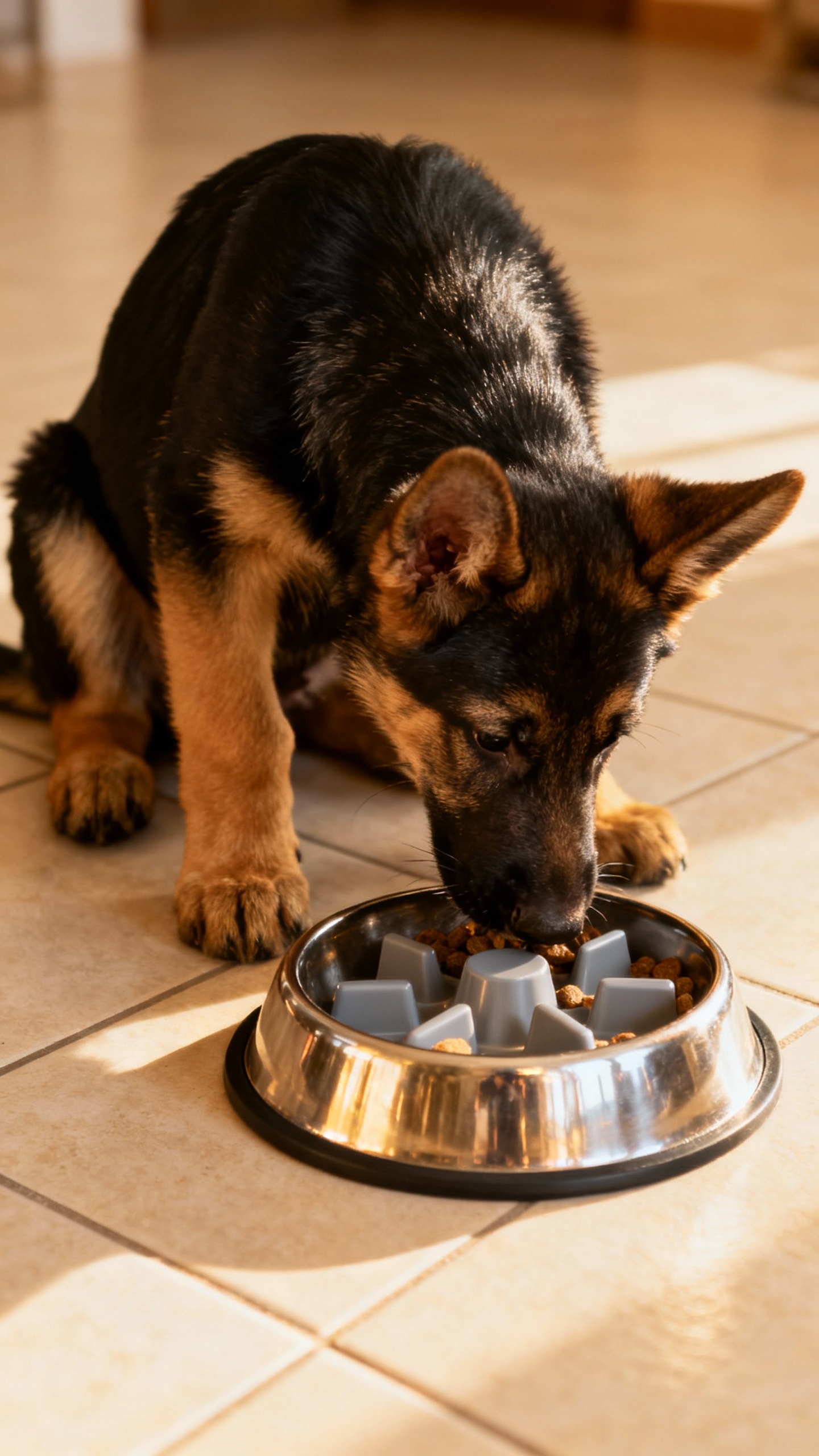
German Shepherds run sensitive.
You’ll likely meet loose stools at least once. Don’t panic; troubleshoot.
Soft stool game plan
- Check for overfeeding first. Cut back by 10–15% for 3–5 days.
- Use a bland topper temporarily (a bit of plain canned pumpkin or GI-friendly canned food) if your vet approves.
- Keep stress low during food changes and vaccine days.
When to call the vet
- Blood in stool, lethargy, vomiting, or diarrhea >24–48 hours
- Rapid weight loss or refusal to eat
- Worms/parasites suspicion (very common in puppies)
Pro tip: Stick to one protein source for a while.
Bouncing between chicken, lamb, and fish every week can upset a sensitive gut.
Bone and Joint Health: Fuel the Frame
German Shepherds are prone to hip and elbow dysplasia. Food plays a huge role in reducing risk.
Do these things
- Feed for lean growth. Extra weight stresses developing joints.
- Pick large-breed puppy food with proper calcium and energy.
- Exercise smart: short controlled walks, play on grass, no forced jogging or repetitive jumping while plates are open.
Avoid these
- High-calorie “all life stages” foods without large-breed growth validation
- Calcium or “bone meal” additives
- Overdoing stairs or frisbee heroics at five months old
Sample Daily Routine (Because Structure Helps)
Morning: Potty break, training session using part of breakfast as rewards, then the rest of the measured meal. Midday: Short play, mental puzzle, small meal. Evening: Walk or sniffari, training with part of dinner, then the rest of dinner. Bedtime: Calm chew (low-calorie) and water check.
Keep fresh water available at all times. For crate training overnight, remove the water bowl 1–2 hours before bedtime to limit accidents (your mileage may vary).
FAQs
When should I switch my German Shepherd puppy to adult food?
Switch around 12–18 months, once growth slows. Many GSDs benefit from staying on large-breed puppy food until 15–18 months.
Transition slowly over 7–10 days. If your vet says your pup is filling out too fast, you can move earlier to a controlled-calorie large-breed adult formula.
How do I know if I’m feeding too much?
Feel the ribs. You should feel them easily without pressing hard.
Look from above: there should be a waist. Loose stools, rapid weight gain, or a potbelly after meals usually means you’re overdoing portions.
Is grain-free better for German Shepherd puppies?
Not automatically. Most puppies do great on diets with grains like rice or oats.
Unless your vet diagnosed a specific allergy, choose a complete, large-breed puppy formula your pup digests well. FYI, grain-free isn’t a magic ticket for sensitive stomachs.
Can I feed my puppy once a day?
Nope. Puppies need multiple meals to keep energy stable and avoid overloading their GI tract.
Stick to 3–4 meals early on, then taper to 2–3 as they mature.
Do German Shepherds need special probiotics?
Not “special,” but a quality, vet-recommended probiotic can help during food transitions, stress, or after antibiotics. Use products with strains studied in dogs and follow the dosing instructions.
What about raw bones for teething?
Raw meaty bones come with fracture, obstruction, and bacterial risks. If you go that route, do it only under guidance and never leave your pup unattended.
Safer alternatives include rubber chew toys, frozen KONGs, or vet-approved dental chews.
Bottom Line
Feed a large-breed puppy formula, portion for a lean body, and introduce changes slowly. Keep treats under control and don’t DIY calcium. Watch stools and energy, adjust weekly, and partner with your vet.
Do that, and you’ll fuel a confident, athletic German Shepherd who’s ready to conquer training sessions, guard the couch, and steal your socks with style. IMO, that’s a win.
Leave a Reply