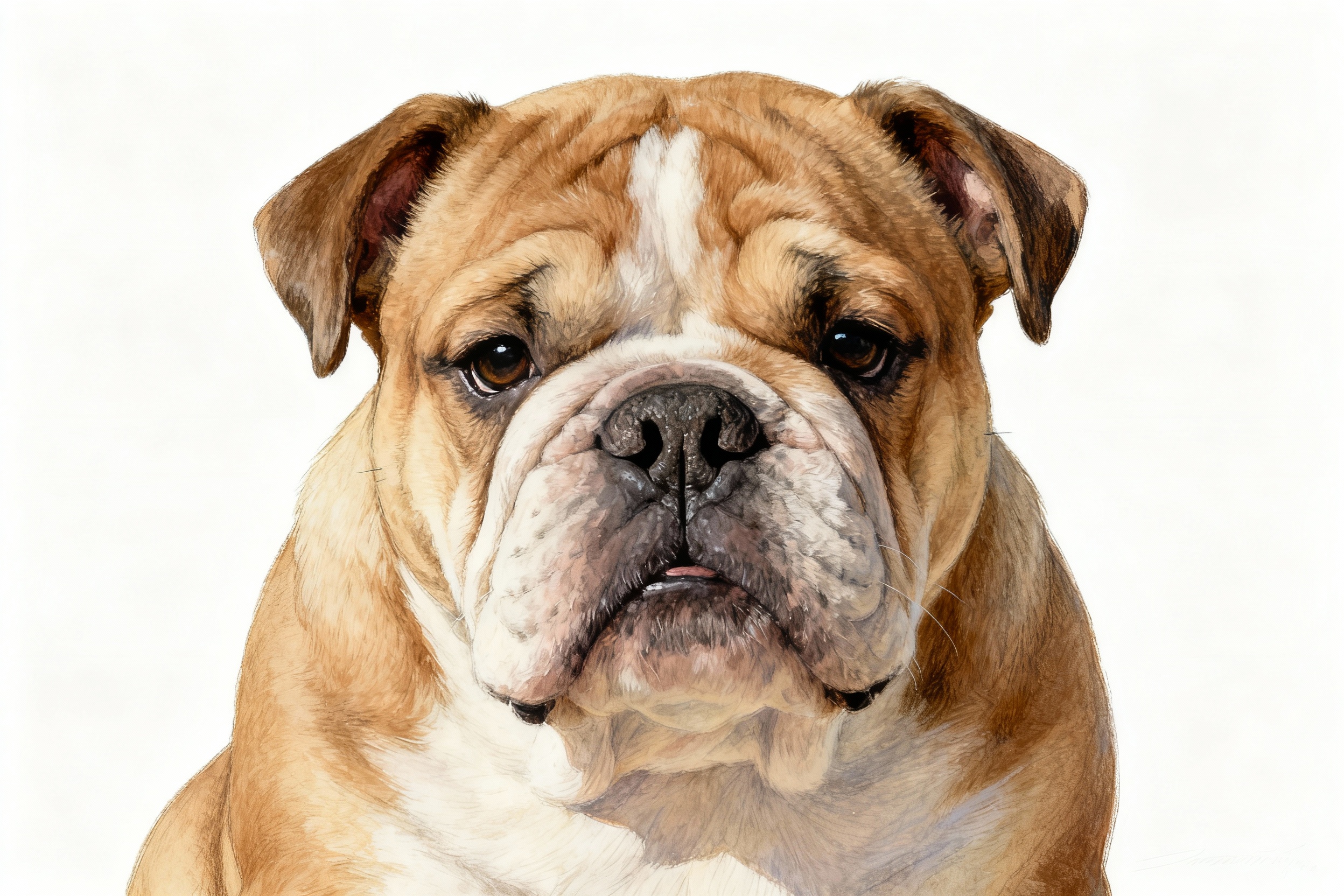
Bulldog puppies look like squishy clouds with paws, which makes it very easy to fall in love and very easy to get scammed. You want the real deal, not a “bulldog-ish” mix or a pup with hidden health issues. Good news: you can spot an original Bulldog puppy if you know what to look for.
Let’s walk through the signs so you get the wrinkly roommate you actually wanted.
Know Your Bulldog Types First
Not all “bulldogs” are the same, and sellers sometimes play fast and loose with names. You’ve got a few common types:
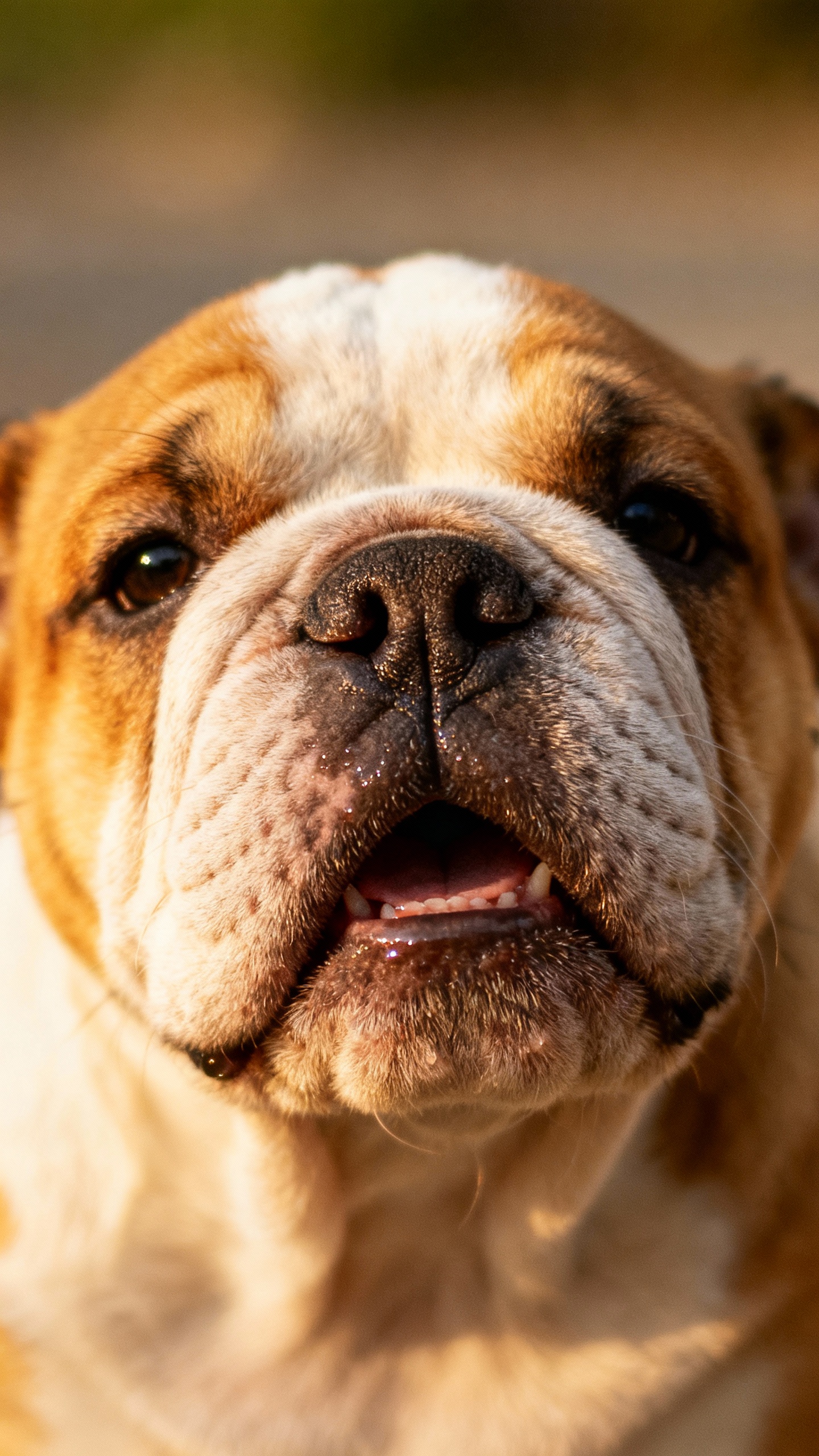
- English Bulldog (often just “Bulldog”): Stocky, heavy-boned, wrinkly, with a broad head and short muzzle.
- French Bulldog: Smaller, bat ears, less wrinkly, short muzzle, compact body.
- American Bulldog: Taller, athletic, less wrinkled, longer muzzle, farm-dog vibe.
- Olde English Bulldogge: Recreated as a healthier, more athletic bulldog; looks like a fitter English Bulldog.
Ask the breeder exactly which bulldog you’re considering. If the description says “mini English Bulldog” or “exotic bulldog” without clear registry info, raise an eyebrow.
Or both.
Recognize Breed-Standard Features
To identify an original English Bulldog puppy, check these hallmark traits. Even in puppies, the blueprint shows.
- Head and muzzle: Big, broad skull; short, pushed-in nose; undershot jaw (lower jaw slightly juts forward).
- Wrinkles: Loose skin on face and neck. Puppies won’t have extreme folds, but you’ll see soft wrinkles around the nose and forehead.
- Eyes: Wide-set, round, dark.
No bulging or super light eyes in a standard-colored pup.
- Ears: Small, thin “rose” or slightly folded ears, set high.
- Body: Compact, wide chest, thick shoulders, short legs. They look like they skipped leg day forever.
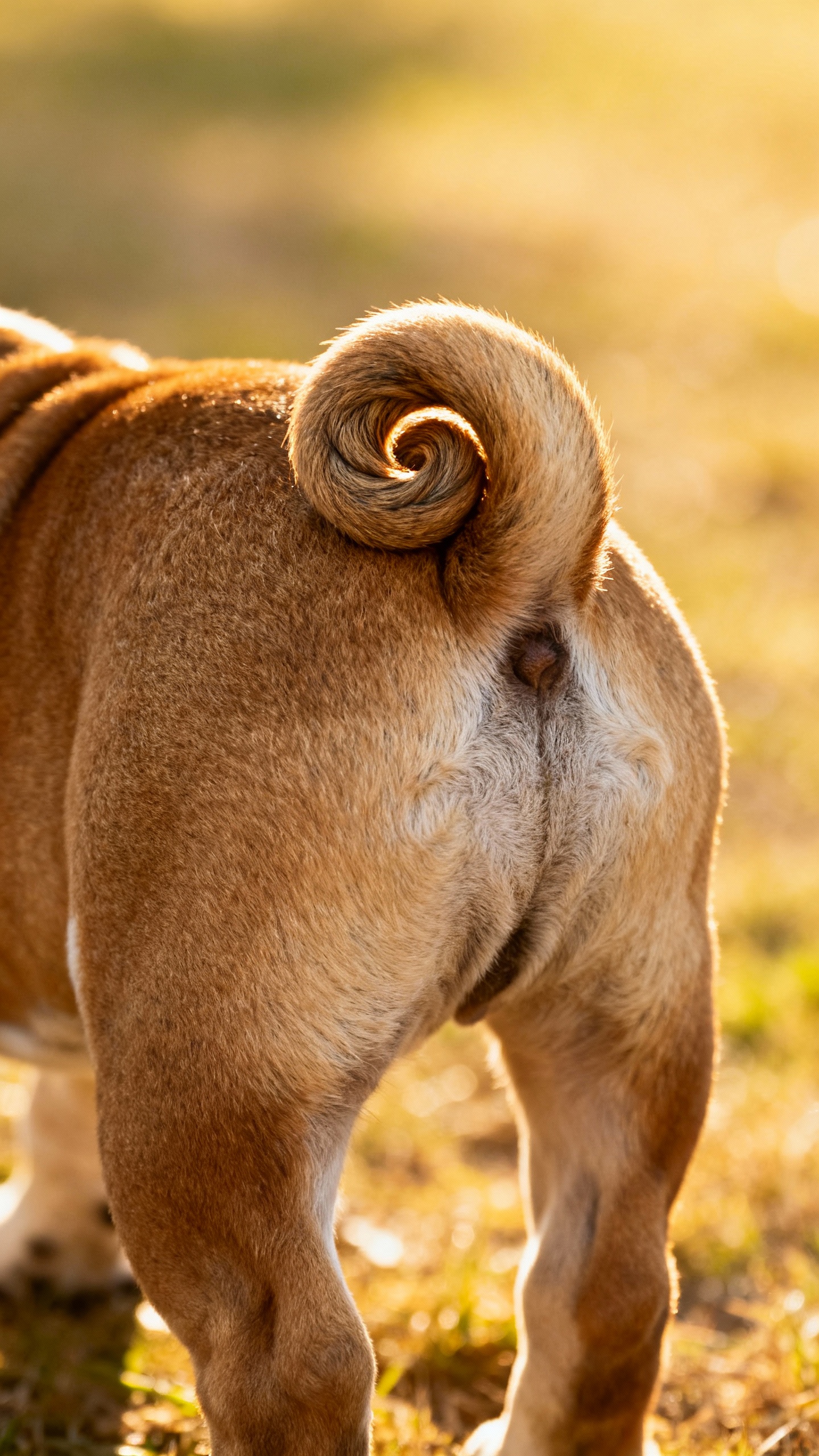
- Tail: Straight, screw, or pump-handle tail, naturally short. Not docked.
- Coat and colors: Smooth, short coat.
Standard colors include fawn, red, white, brindle, or combinations. Blue, lilac, merle = trendy but not breed-standard.
Red flags in appearance
- Long legs or narrow chest: Probably a mix or a different bulldog type.
- Pointed muzzle: Not a true Bulldog muzzle; looks more like a Boxer or Beagle influence.
- Overly wrinkled puppy: Cute, yes. But extreme wrinkles early can signal skin issues.
Quality breeders avoid exaggeration.
Check the Paperwork (But Don’t Stop There)
Papers help, but papers alone don’t guarantee the dog in front of you is legit. Verify everything.
- Reputable registries: AKC, The Kennel Club (UK), CKC (Canadian), FCI-recognized clubs. For Frenchies/others, similar rules apply.
- Pedigree: Family tree shows registered parents and health-tested lines.
You want more than a printed certificate bought online.
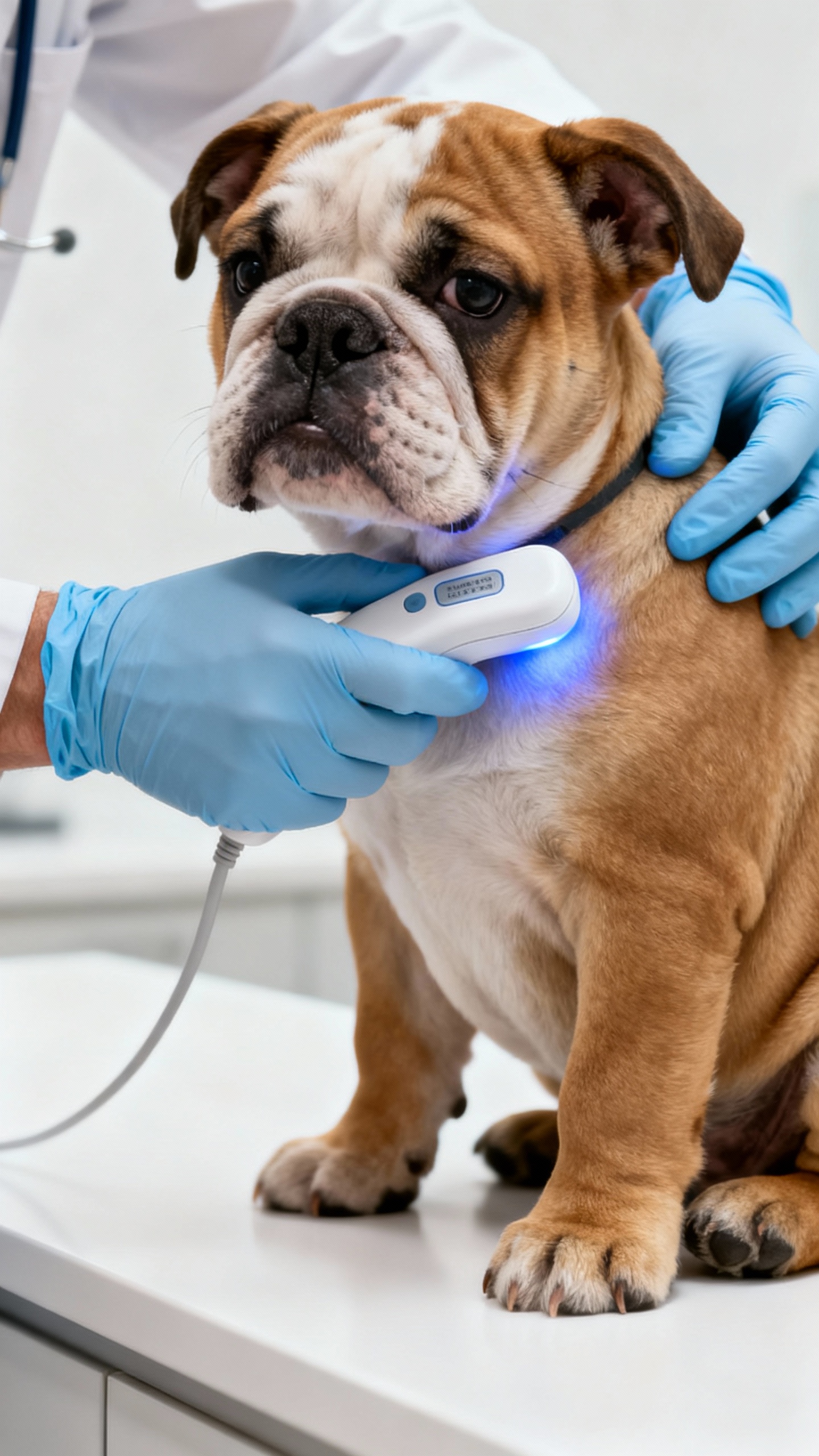
- Microchip: Ask for the number and scan it at pickup. Match chip to paperwork—no “oops wrong chip” drama.
Health testing matters, big time
For Bulldogs, you want proof of:
- BOAS (breathing) assessment or functional tests on parents.
- Hip and elbow evaluations (radiographs or official scores).
- Cardiac exam from a vet or cardiologist.
- Trachea/palate checks documented by a vet.
FYI, ethical breeders brag about these. If a seller gets defensive, IMO that’s your cue to walk.
Meet the Parents (Or At Least See Real Proof)
You’ll learn a lot from seeing mom and, ideally, dad.
- Temperament: Friendly, confident, a little goofy.
Extreme fear or aggression is not typical.
- Structure: Look for a balanced, sturdy frame and a clear, open nostril shape.
- Size reality check: English Bulldog adults typically weigh 40–55 lbs. A parent at 25 lbs? Probably not purebred English Bulldog.
Video beats promises
Ask for live video calls showing:
- Mom with puppies, in the same environment.
- Puppies moving, playing, and breathing calmly.
- Close-ups of noses, eyes, and tails.
Scammers reuse photos.
Live video makes faking harder than a bulldog trying yoga.
Behavior and Health Clues in Puppies
A genuine Bulldog puppy looks and acts like… a bulldog. Shocking, I know.
- Energy: Playful spurts, then snooze mode. Not hyper like a terrier, not lazy 24/7.
- Breathing: Quiet while resting.
Mild snuffling can happen, but constant rasping or blue gums = problem.
- Skin and coat: Clean folds, no foul smell, no crusts or bald patches.
- Eyes: Clear, no persistent discharge. Red, irritated eyes can mean entropion or cherry eye risks.
Vet records you should see
- Age-appropriate vaccines and deworming
- Exam notes confirming normal heart and breathing
- Weight chart and feeding plan
No records? Hard pass.
Price, Contracts, and Common Scams
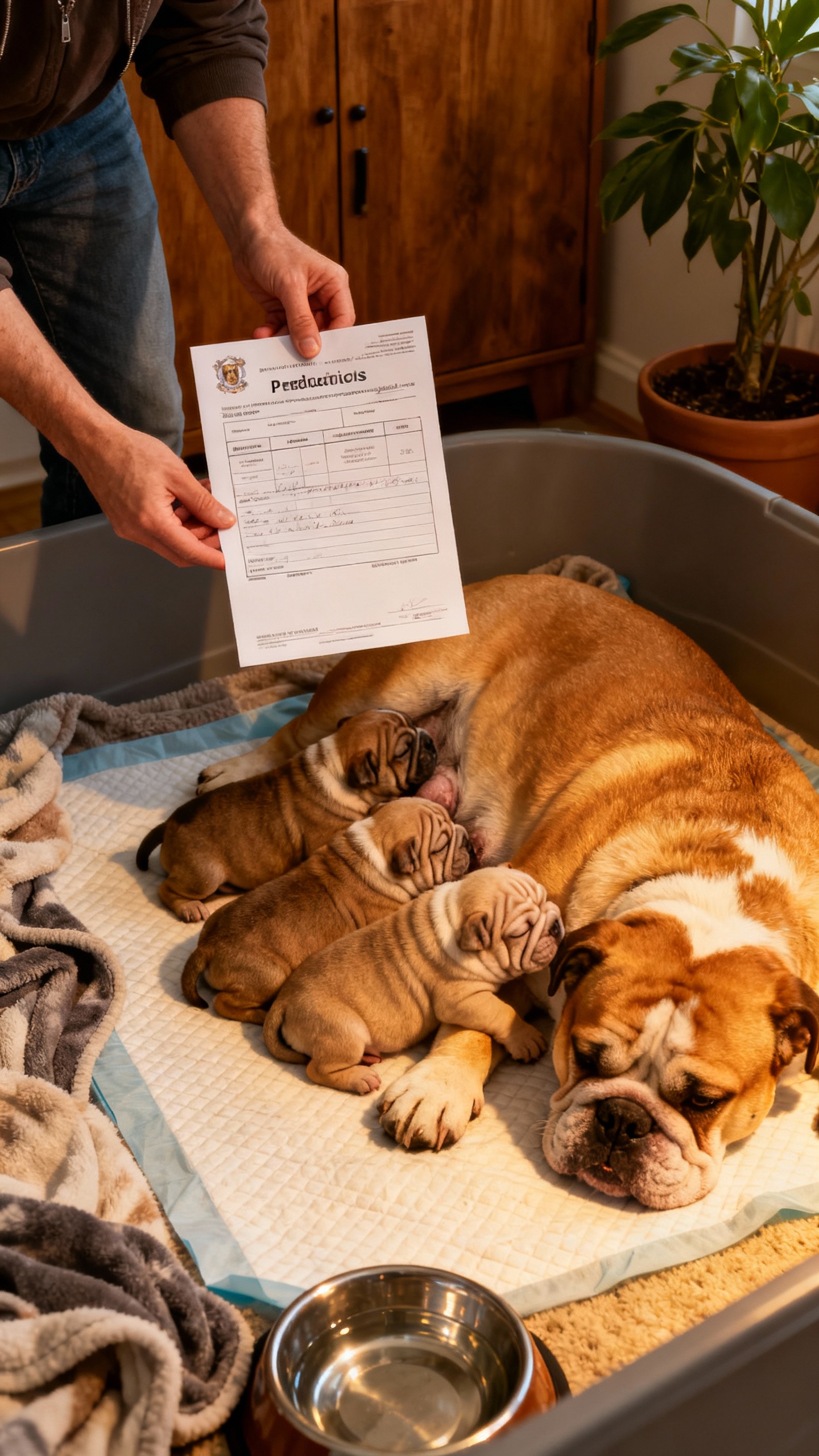
If the price seems too good to be true, it usually comes with heartbreak or a surprise “delivery fee.”
- Typical price range: Responsible breeders often charge a premium due to health testing, artificial insemination/C-section costs, and quality care.
- Sales contract: Look for health guarantees, return policy, spay/neuter terms (if pet-only), and full breeder contact info.
- Payment red flags: Gift cards, crypto-only, or weird wire transfers = nope.
Use traceable methods.
Classic scam signals
- Stock photos or the same puppy listed in multiple cities.
- Can’t FaceTime because “camera broken.”
- Pushy timelines and “one puppy left” pressure tactics.
Original vs. “Exotic” Bulldogs
You’ll see ads for “rare color” bulldogs: blue, lilac, chocolate, merle. Pretty? Sure.
Breed-standard English Bulldog? Nope.
- Standards and shows: Traditional registries do not accept merle in English Bulldogs.
- Health risk alert: Merle can link to eye/ear issues when doubled, and extreme color breeding can sideline health priorities.
- If color matters to you: Go standard and healthy. Your future self (and vet bills) will thank you.
IMO, pick function and temperament over flashy coats every time.
Choosing the Right Breeder
An “original” Bulldog puppy usually comes from a breeder who obsesses over health and temperament more than Instagram likes.
- They ask you questions: Yard? Work hours?
Previous dogs? They care where their pups live.
- They offer lifetime support: Training tips, food advice, and a safe return policy.
- They don’t rush pickup: Bulldog pups usually go home at 8–10 weeks, not at 5–6 weeks.
- You can visit: Or at least see the home setup—clean, enriched, with toys and proper whelping areas.
Rescue route
If you want the bulldog vibe without breeder hoops, check breed-specific rescues. Many wonderful Bulldogs land in rescue through no fault of their own.
FYI, you still need to vet rescues, but it’s a great path for some families.
FAQ
How can I tell if a Bulldog puppy is purebred without papers?
Look for breed-standard features: broad head, short muzzle, undershot jaw, compact build, and natural short tail. Compare parents if possible. Use a vet’s opinion and consider a DNA test for breed verification.
Papers help, but consistent Bulldog type plus verified parentage and DNA make the strongest case.
Are merle Bulldogs purebred?
Merle is not a recognized color in the English Bulldog standard. Some merle dogs may be purebred by genetics, but many result from crossbreeding. Either way, most reputable Bulldog clubs and shows do not accept merle, and health priorities often take a back seat in color-focused breeding.
What’s the difference between an English Bulldog and an Olde English Bulldogge?
Olde English Bulldogges look like a fitter cousin: less extreme features, longer muzzle, more athletic.
English Bulldogs are shorter, stockier, and more wrinkled with a flatter face. Both can be great dogs, but they’re not the same breed or registry standard.
Do original Bulldogs always snore and wheeze?
Many do snore a little—those squishy faces make funny sounds. But nonstop wheezing, blue-tinged gums, or intolerance to mild activity signals breathing issues.
Good breeders aim for Bulldogs that move and breathe comfortably.
What age should I bring a Bulldog puppy home?
Eight to ten weeks old works best. Earlier than eight weeks can stunt socialization and health. By 8–10 weeks, pups eat solid food, learn basic manners from mom and siblings, and handle the move better.
What vaccinations should my Bulldog puppy have before coming home?
At minimum, the first core vaccine (often at 6–8 weeks), deworming, and a vet exam.
Many breeders follow a schedule: 6–8 weeks (first combo), 9–12 weeks (second), 12–16 weeks (third), plus bordetella if needed. Ask for written records and a schedule to continue with your vet.
Bottom Line
Spotting an original Bulldog puppy isn’t rocket science—it’s pattern recognition. Know the breed’s look, verify health and pedigree, meet the parents, and vet the seller like a pro.
Choose function over flashy colors and hype. Do that, and you’ll bring home a stout little shadow who snores on your couch and steals your heart—legit Bulldogs do both very well.
Leave a Reply