
You’ve got Frenchie fever and you’re ready to bring home a squishy-faced sidekick. But how do you know you’re getting an original French Bulldog puppy and not a cleverly marketed mix or a pup from a questionable breeder? Let’s cut the fluff (but keep the cute).
Here’s how to spot the real deal and avoid the “oops, that’s not a Frenchie” moment.
Start With the Look: Classic Frenchie Features

French Bulldogs don’t look like other bully breeds. They’ve got iconic features you can’t miss once you know them.
- Bat ears: Large, upright, rounded at the tips. Not pointy like a German Shepherd, not floppy like a Beagle.
- Short, flat muzzle: A brachycephalic face with a defined stop.
No long snout.
- Compact body: Stocky, muscular, low to the ground. Barrel chest, narrow waist.
- Short, smooth coat: Fine hair, low shedding. No fluffy puffs unless it’s a “long-haired” genetic variant (rare and controversial).
- Tail: Naturally short and straight or screw-shaped.
Never docked.
Weight and Proportions
A legit Frenchie puppy won’t grow into a huge dog. Adults usually weigh 16–28 pounds. If a breeder promises a “giant Frenchie,” walk away.
That’s not a thing. FYI: Teacup isn’t a thing either—just an excuse to charge more for risky breeding.
Colors: What’s Recognized vs. What’s Just Hype
Yes, Frenchies come in stunning colors, but not all are recognized or healthy.
Some colors get pushed hard because they go viral on Instagram. Cute? Sure.
Ethical? Not always.
- Standard/recognized (by major kennel clubs): Brindle, fawn (light to deep), cream, and these with white markings (pied).
- Common but controversial: Blue/gray, lilac, chocolate, merle, and tan points. These can link to skin, eye, and immune issues.
Merle Red Flag
Merle Frenchies may look wild, but the merle gene wasn’t historically in the breed.
Many “merles” come from crossbreeding. If a breeder offers merle with no genetic tests and calls it “rare purebred,” that’s your cue to nope out.

Paperwork That Actually Matters
Breeders can talk all day. Paperwork tells the truth.
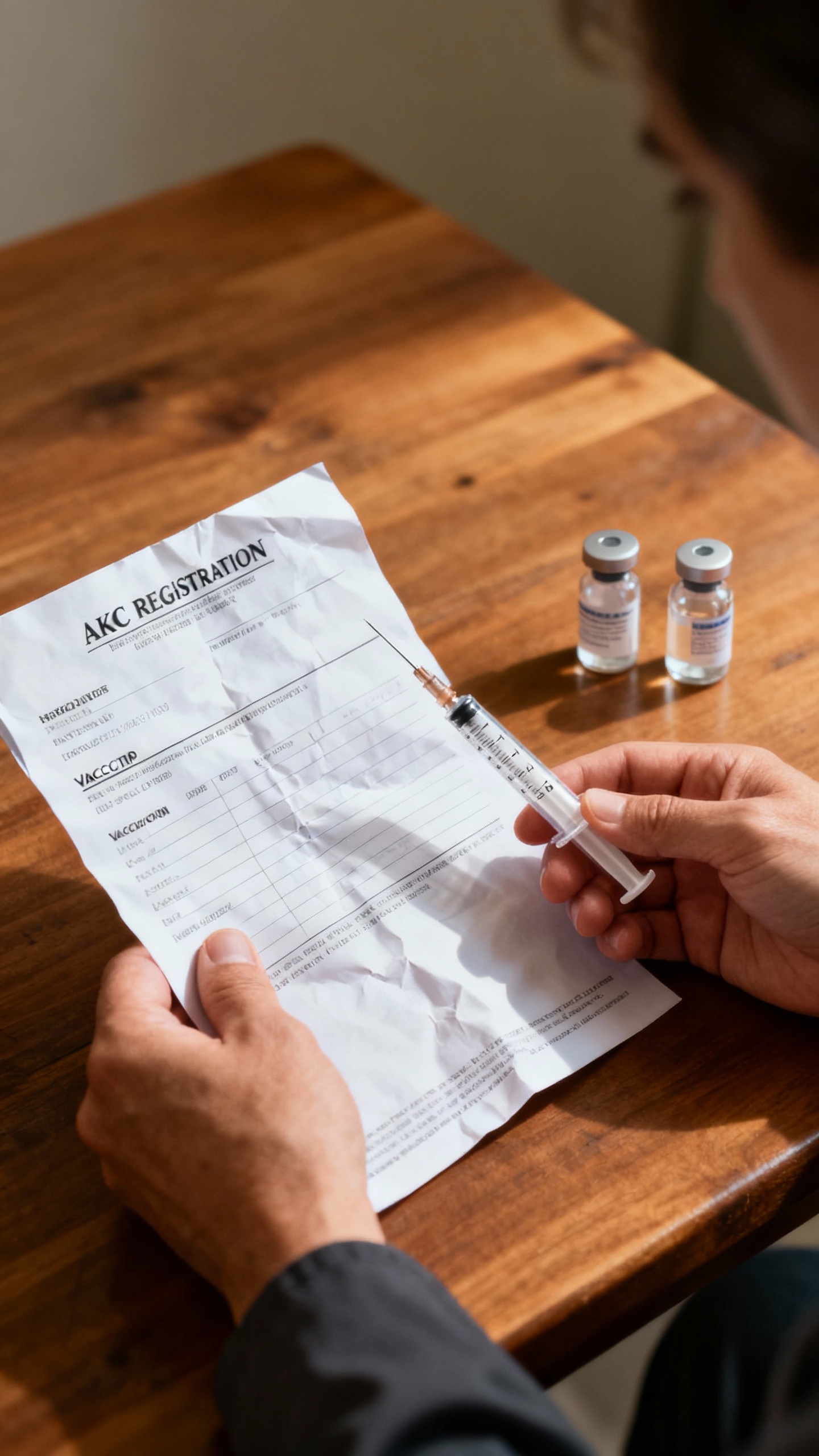
- Registration: AKC, KC (UK), ANKC, CKC (Canada)—real registries, not random “club” certificates printed in someone’s office.
- Pedigree: Shows lineage.
Doesn’t guarantee quality, but it helps verify purebred status.
- Health tests: Frenchies need screenings for airway issues, patellas (knees), hips, eyes, and genetic panels for color/coat/health. Ask for proof.
- Microchip and vaccination records: With dates, lot numbers, and vet info.
What About DNA Tests?
DNA tests can confirm breed and flag genetic issues. They’re useful but not a free pass.
A purebred result doesn’t excuse shoddy breeding. IMO, DNA tests plus ethical breeding practices beat “rare color” marketing every time.
Behavior and Temperament: The Frenchie Vibe Check
Frenchies bring big personality in a small package. They’re charming clowns with a side of stubborn.
- Friendly, people-focused, and goofy: They love attention and will judge you if you stop petting them.
- Moderate energy: Zoomies happen, but they nap like champions.
- Minimal barkers: They’ll alert, then they’re over it.
Drama queens? Sometimes. Bark monsters?
Rarely.
If a puppy seems excessively shy, aggressive, or totally detached, ask questions. Temperament varies, but good breeders prioritize stable, confident pups.
Breeder Green Flags (and the Red Flags You Can’t Ignore)
A good breeder makes it easy to trust the process. A bad one makes everything feel like a weird Craigslist exchange.
Green Flags
- Visit allowed: You see where the puppies live—clean, social, with mom on site.
- Breeder grills you: They ask about your lifestyle.
They want fit, not just a fast sale.
- Contracts: Health guarantee, spay/neuter terms for pets, return-to-breeder clause.
- Waitlists, not warehouses: Few litters, planned pairings, age-appropriate moms (not overbred).
Red Flags
- No health testing: Or vague “our dogs are healthy” claims.
- Multiple litters always available: Feels like a factory? It probably is.
- Rare color upselling: Sky-high prices for “blue merle platinum fluffy” with no vetting.
- Early pickup: They push pickup before 8 weeks. Hard no.
Health Clues: What a Healthy Frenchie Puppy Looks Like
Puppies should look bright-eyed, clean, and ready to play.
Frenchies have specific health quirks—don’t ignore them.
- Nose and breathing: Slight snuffle is normal. Extreme snorting, gasping, or blue gums? Not normal.
- Eyes: Clear, no heavy tearing or redness.
- Skin and coat: Smooth and shiny.
No bald patches or crusty hotspots.
- Gait: Steady steps, no skipping or bunny-hopping (patella issue alert).
- Body condition: Chunky-cute, not bloated or skeletal.
Ask for Vet Checks
Request a recent vet exam summary. A legit breeder will share notes on heart, lungs, palate, patellas, hernias, and any early airway concerns. FYI: Some Frenchies eventually need airway surgery—responsible breeders try to reduce that risk.
Spot the Mixes: Common Look-Alikes
Some mixes resemble Frenchies at first glance.
Here’s how to tell.
- Boston Terrier: Taller, longer legs, tuxedo coloring, pointier ears, longer muzzle.
- Pug: Curly tail, rounder head, different ear shape, wrinklier face.
- Frenchton (Frenchie x Boston): Leaner build, longer muzzle, hybrid traits.
- Bulldog mixes: Often bigger with longer bodies or tails and different ear sets.
When in doubt, ask for parents’ photos, registration numbers, and a DNA test. It’s not rude; it’s responsible.
Price Reality Check: What’s Normal vs. Nonsense
Frenchies aren’t cheap because ethical breeding is expensive.
But prices based on trends deserve side-eye.
- Typical range: Usually mid-four figures from a reputable breeder, depending on region and pedigree.
- Suspiciously cheap: Likely a scam, puppy mill, or unhealthy pup.
- Rarity premium: Colors shouldn’t cost double. Quality and health should drive price, not hype.
IMO, you’d rather pay for health and support than for a color filter. Your future vet bills will agree.
Quick Checklist Before You Commit
Print it, save it, tattoo it on your brain—your call.
- Confirm breed-typical features: bat ears, short muzzle, compact build, natural short tail.
- Ask for registration and pedigree from a recognized registry.
- Review health tests: airways, patellas, hips, eyes, genetic panel.
- Meet the puppies and mom; check living conditions.
- Read the contract and health guarantee.
- Verify vet records and microchip info.
- Trust your gut—if something feels off, walk away.
FAQ
How old should a French Bulldog puppy be when I bring them home?
Eight to ten weeks is ideal.
That window allows proper weaning, socialization, and vet checks. Earlier than eight weeks can lead to behavior and health issues.
Are blue or merle Frenchies purebred?
They can be, but merle usually indicates crossbreeding in the breed’s history. Blue is a dilution gene found in purebreds, but it’s not a standard color and can correlate with skin issues.
Prioritize health testing and breeder ethics over color.
Do French Bulldogs need special health tests?
Yes. Look for airway assessments, patella checks, hip screenings, eye exams, and DNA panels for genetic risks. Ethical breeders will show results, not just promises.
Can I tell if a Frenchie is mixed just by looking?
Sometimes, but not always.
Ears, muzzle length, tail, and body shape help, but only paperwork and DNA testing give you confidence. If you’re paying purebred prices, you deserve proof.
Why are French Bulldogs expensive?
Responsible breeding costs a lot: health testing, small litter sizes, specialized care, and sometimes C-sections. Cheap often equals corners cut.
Your wallet might thank you now, but your vet bill won’t later.
What’s the best way to avoid a puppy mill?
Meet the breeder in person, see the living space, ask for health records, and expect questions about your lifestyle. Puppy mills push fast sales, hide facilities, and dodge medical proof. Big no.
Conclusion
You don’t need a PhD in dogology to spot an original French Bulldog puppy—just a sharp eye, good questions, and a low tolerance for hype.
Focus on classic features, proper paperwork, solid health testing, and breeder transparency. Do that, and you’ll end up with the real Frenchie package: big personality, compact body, and a lifetime of comedic snorts. Honestly, what more could you want?
Leave a Reply