
You want a real-deal German Shepherd puppy, not a mystery mix with a fancy price tag. Good call. GSDs are brilliant, loyal, and athletic—but people often mislabel pups or breed carelessly.
Let’s cut through the fluff and talk about how to spot an original German Shepherd puppy with your own eyes (and a little common sense).
First Things First: What Does “Original” Even Mean?
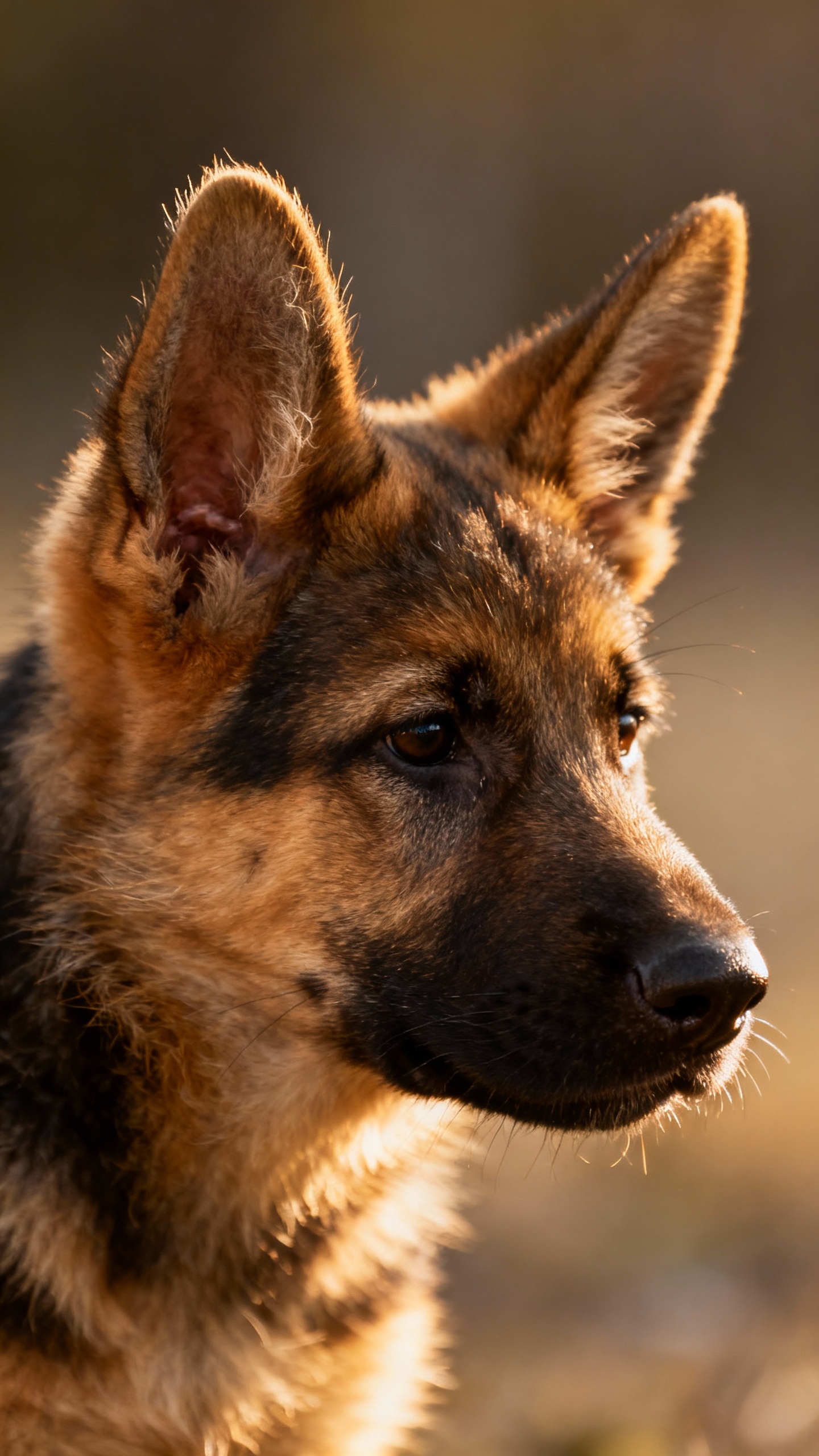
People say “original” when they mean a puppy that looks and acts like a true German Shepherd—not a mix, not a poorly bred knockoff, and not a “designer” variant. Think of it as a combo of breed standard traits, temperament, health, and verifiable lineage. The key? Consistency.
Real GSDs follow a clear blueprint, even with differences between working and show lines.
Look at the Build: Structure Tells the Story
GSD puppies don’t need fancy papers to give themselves away. Their bodies do a lot of talking. Head and ears:
- Broad forehead with a long, straight muzzle—not stubby, not squashed.
- Ears start floppy. They usually rise between 8–20 weeks.
One ear up and one down? Totally normal during teething.
Body and proportions:
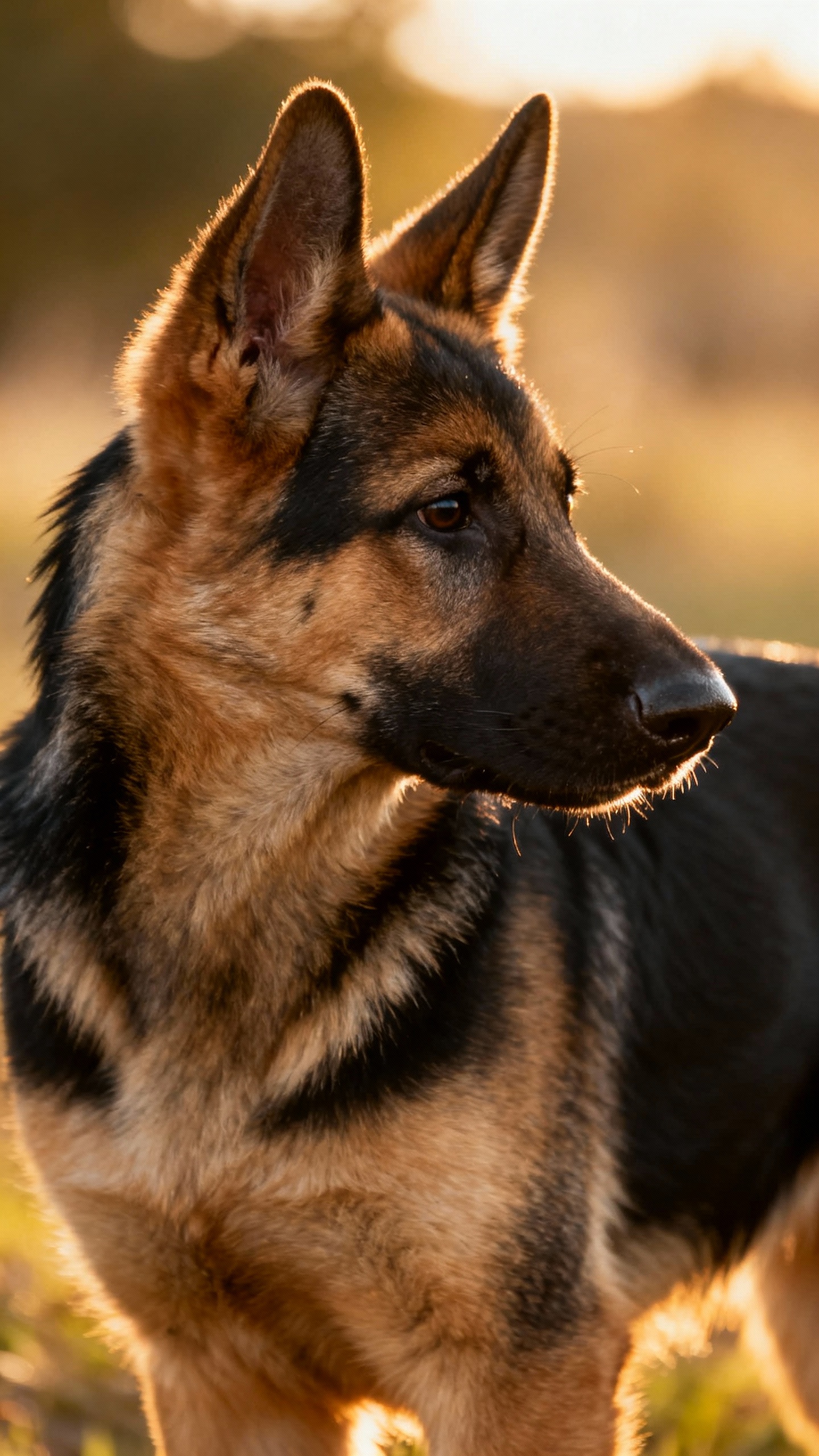
- Rectangular outline. Slightly longer than tall, with a firm, athletic look.
- Deep chest, tight abdomen (no chunky potbelly after 8–10 weeks).
- Strong, straight front legs.
Powerful thighs at the back.
Topline and croup:
- Working lines: Back looks straighter, more level.
- Show lines (especially West German): Notice a gentle slope from shoulders to hips.
- Extreme sloping backs = red flag. That’s not “more pure.” That’s often poor breeding.
Coat, Color, and That Famous Saddle
GSDs come in a bunch of shades:
- Black and tan (classic saddle pattern)
- Black and red (richer tan, common in show lines)
- Sable (agouti—each hair has bands of color)
- Solid black
- Bi-color (mostly black with tan points)
FYI: White coat German Shepherds exist but most breed clubs consider them a separate line for show purposes. Blue and liver coats pop up, but they’re less common and can come with controversy.
Color alone doesn’t prove or disprove purity, IMO.
Temperament Check: Brains, Confidence, and Curiosity
A legit GSD puppy reads the room and responds. You’ll see confidence, curiosity, and a quick response to sound and movement. Signs you want:
- Engages with toys and you—no constant hiding.
- Recovers quickly if startled (e.g., claps, dropped keys).
- Follows you around after a minute—natural bonding instinct.
Red flags:
- Extreme shyness or freezing for long periods.
- Over-the-top reactivity or aggression at 8–10 weeks.
- Lethargy, dull coat, or zero interest in play.
GSDs are thinkers.
Even as pups, they look like they’re solving a puzzle. That thoughtful stare? Classic.
Pedigree, Papers, and Why They Matter
Papers don’t guarantee quality, but they verify lineage.
Ask the breeder for:
- Registration from reputable bodies (SV/VDH in Germany, AKC, KC, CKC, etc.).
- Pedigree showing parents and grandparents—bonus points for working titles (IPO/IGP), show ratings (VA/V), or health scores.
- Microchip and vaccination records tied to that puppy, not just a generic booklet.
Health Testing You Should See
GSDs have known risks. A responsible breeder screens for:
- Hip and elbow dysplasia (OFA, SV, BVA scores for parents)
- DM (degenerative myelopathy) test results
- General vet checks for heart, eyes, and overall soundness
If a breeder says “we’ve never had issues” but shows no paperwork, smile politely and walk away.
Working vs Show Lines: Different Looks, Same Breed
Both are real GSDs. They just focus on different strengths. Working lines:
- More athletic, straight-backed, higher drive.
- Often sable, black, or bi-color.
- Excel in protection, sport, search-and-rescue.
Show lines:
- More angulation, richer tan/red coloring.
- Heavier coat and more pronounced “saddle.”
- Selected for conformation and presentation.
Don’t buy the myth that one is “more original” than the other.
That’s barbershop talk. Choose based on your lifestyle, not Instagram aesthetics.
Quick At-Home Tests: Spot the Real Ones
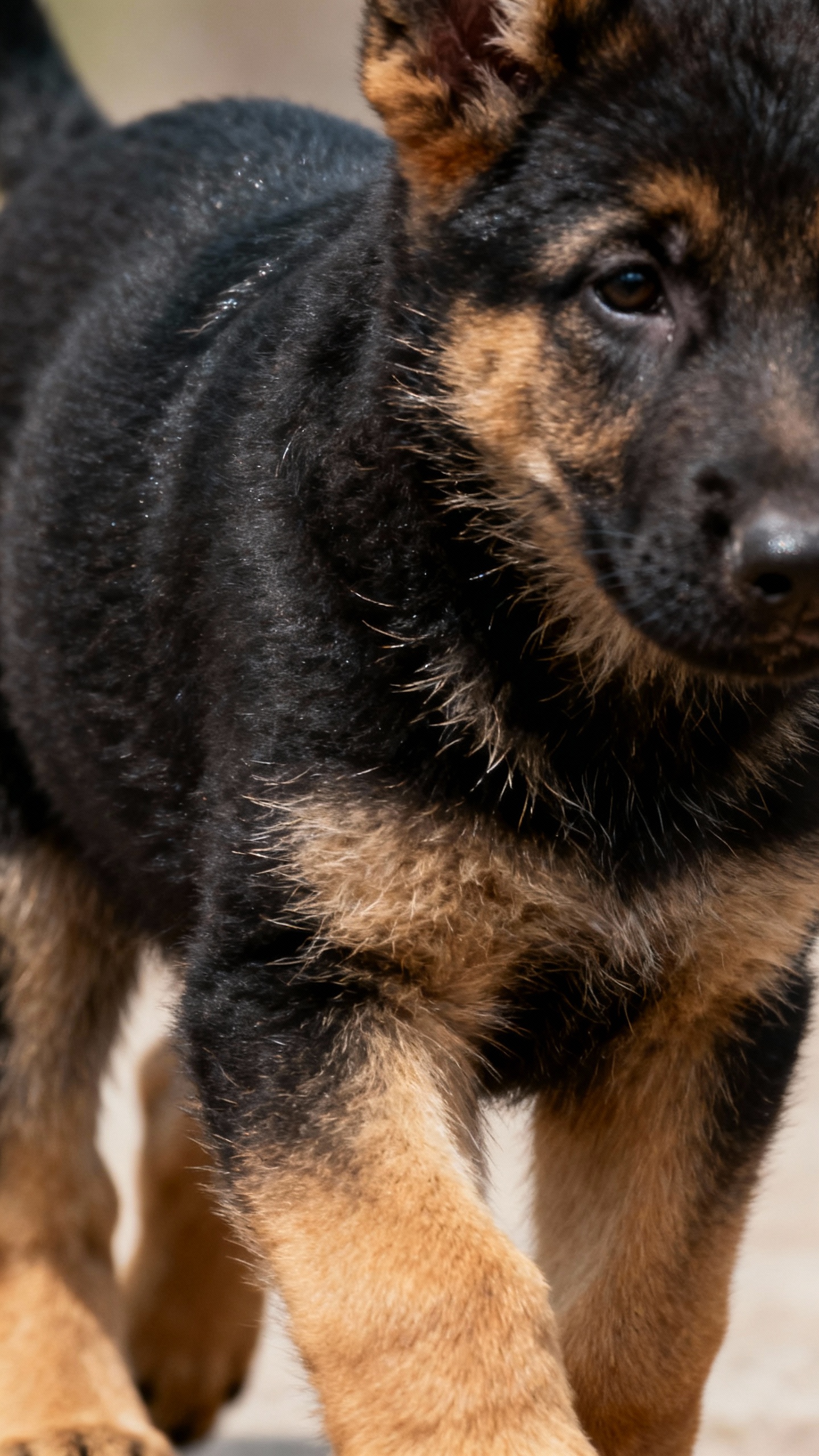
Try these simple checks when you meet the puppy:
- Noise response: Drop a soft object. Puppy startles, then investigates?
Good.
- Follow test: Walk away. A GSD pup usually follows or watches closely.
- Toy drive: Wiggle a tug toy. Curiosity + engagement = classic GSD drive.
- Food motivation: Offer a treat.
Quick focus and polite eagerness? Chef’s kiss.
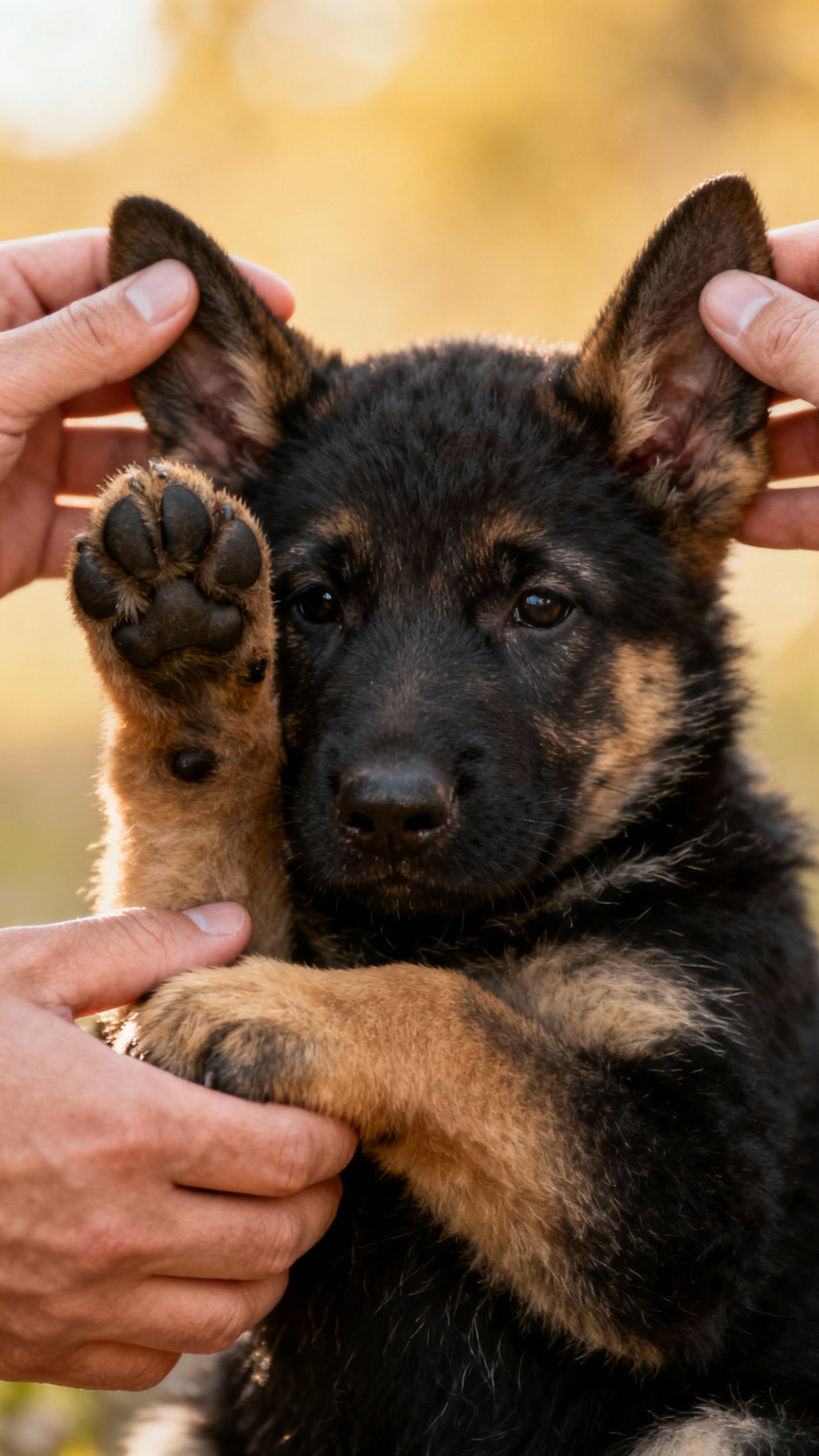
- Handling: Touch paws, ears, tail. A well-bred pup tolerates brief handling.
None of these prove purity alone, but together they paint a picture.
Common Red Flags: When to Pause or Bail
Spot these and rethink the deal:
- No health tests or “lost the paperwork” excuses.
- Dirty, cramped conditions or multiple litters of different breeds onsite.
- Puppy looks too small or too big for age with odd proportions.
- Breeder refuses visits or only wants to meet in a parking lot.
- Claims of ‘rare’ colors = higher price with no proof.
You’re buying a companion, not a mystery box.
Growth and Age Markers: Does This Puppy Fit the Timeline?
German Shepherd puppies hit milestones fairly predictably:
- 6–8 weeks: Floppy ears, clumsy, curious.
- 8–12 weeks: Ears start popping up and down.
Teething chaos. Stronger focus.
- 3–4 months: Lanky legs, bigger paws. Ears usually up most days.
If someone claims a 6-week-old with perfect upright ears and showy structure, be skeptical.
Also, reputable breeders send pups home at 8+ weeks. Earlier than that? Not ideal for social development.
Weight and Proportion Clues
GSD pups have solid bone and big paws without looking like bulldozers.
Extremely tiny or extremely bulky puppies can signal mix breeding or health issues. Balance beats bloat.
What About DNA Tests?
DNA breed tests can help—especially if you rescued a pup or bought without papers. They aren’t flawless, but they can confirm major breed composition.
Use them as a secondary tool, not your only proof. Lab results don’t replace health testing, temperament, and structure. IMO, they’re great for curiosity and confirmation, not for shopping decisions.
FAQ
Can a purebred German Shepherd have floppy ears forever?
Yes, it happens.
Genetics, teething, and cartilage all play a role. Some purebreds keep soft ears, especially if the ears were handled roughly or the pup lacked proper nutrition early. Ears don’t define purity.
Are long-coat German Shepherds original?
Absolutely.
Long coats are a known variant within the breed. Many registries recognize them, and they can still come from excellent working or show lines. They just need extra grooming—your vacuum will hate you.
What’s the best age to bring a GSD puppy home?
Eight to ten weeks hits the sweet spot.
The pup learns from mom and littermates, then transitions to you with a solid social foundation. Earlier than 8 weeks is a no-go, FYI.
Do all purebred GSDs have a black saddle pattern?
Nope. Sable and solid black GSDs won’t show the saddle.
Bi-colors may show minimal tan. Color variation exists within true-bred lines—structure and temperament matter more.
How big should a German Shepherd puppy be at 8 weeks?
Most weigh around 10–20 lbs (4.5–9 kg), depending on genetics and sex. Outliers exist, but if a pup looks drastically underweight or oversized, ask questions and request vet records.
Are sloped backs a sign of purity?
No.
Some show lines have more rear angulation, which creates a slope. But extreme slopes aren’t proof of purity—they often indicate poor selection. Focus on balance and movement, not the angle of an Instagram pose.
Conclusion
You don’t need a PhD to spot an original German Shepherd puppy.
Look for balanced structure, confident temperament, verifiable health testing, and honest pedigree details. Meet the parents if you can. Trust your gut.
When you find the right pup, you’ll know—because a true GSD doesn’t just look the part. They make eye contact, they think, and they choose you right back.
Leave a Reply