
You just brought home a bulldog puppy with a face only a mother (and you) could love—and a cat who’s been ruling the house like a tiny furry CEO. Now you’re wondering how to introduce these two without turning your living room into a reality TV reunion. Good news: you can totally do this.
Go slow, set clear boundaries, and you’ll build a peaceful truce—maybe even a friendship. Ready?
Know Your Players: Bulldog vs. Cat
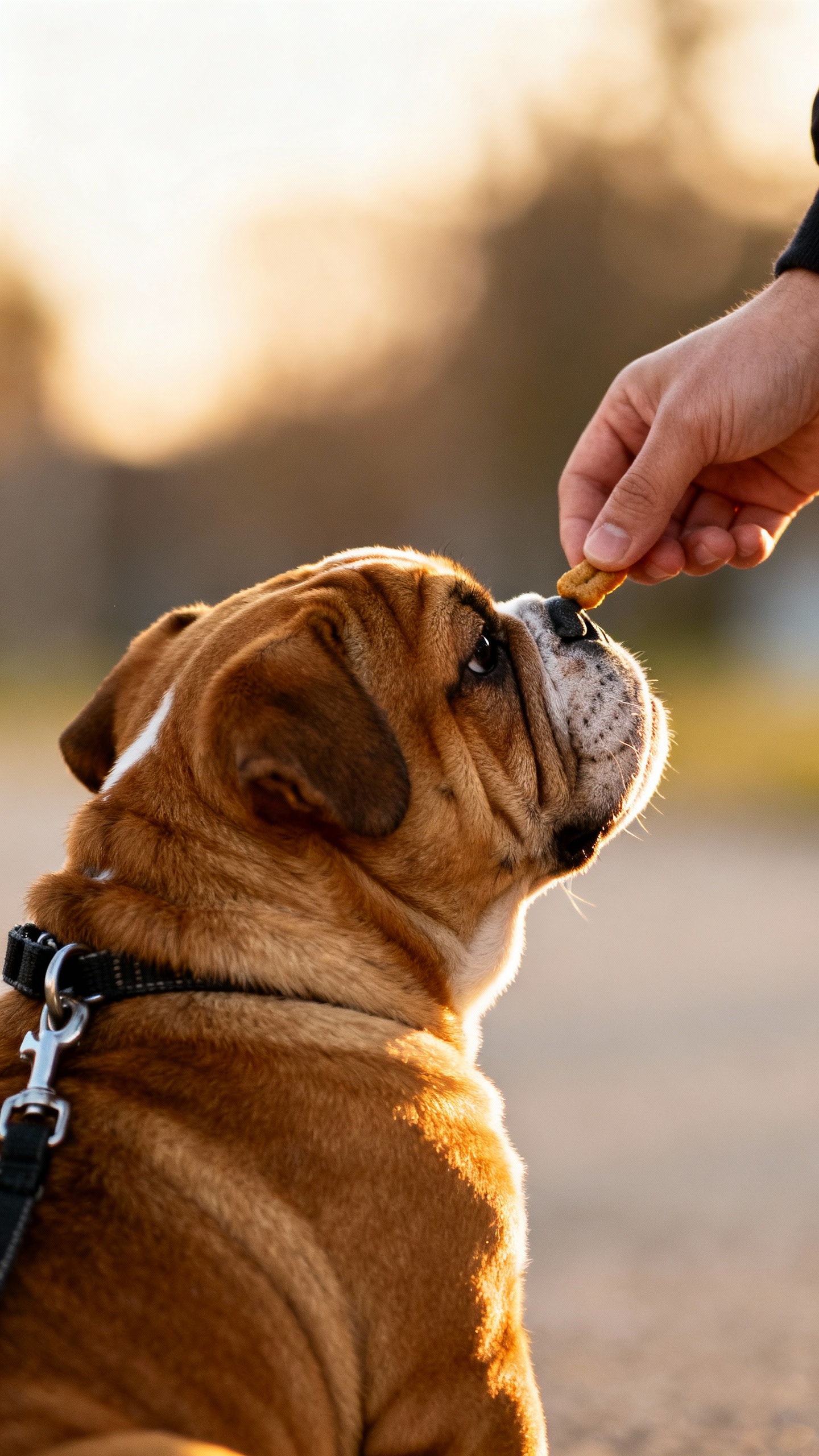
Bulldog puppies bring goofy charm and stubborn streaks.
They want to investigate everything with their noses, mouths, and occasional bulldozer body. Cats prefer dignity, distance, and the right to judge from a high shelf. The goal? Protect the cat’s sense of control while teaching the pup that the cat is not a chew toy.
That mindset keeps tension low and training clean.
Prep the Space Before Day One
Set the stage like you’re hosting diplomats. You need zones, escape routes, and a plan for smells.
- Safe room for the cat: Choose a quiet room with food, water, litter, and a cozy hideout. This becomes the cat’s “no puppy allowed” sanctuary.
- Baby gates and barriers: Use a sturdy gate the cat can jump over but the bulldog can’t bulldoze through.
Instant boundaries.
- Vertical territory: Add shelves, cat trees, or window perches. Cats relax when they can “helicopter parent” from above.
- Separate supplies: Litter box and cat food live in the cat zone, not the puppy’s snack buffet.
- Scent swap: Before they meet, exchange blankets or rub a cloth on each animal and place it in the other’s space. Scent familiarity turns strangers into roommates.
Gear You’ll Appreciate
- Harness + leash: Control the puppy during intros.
- High-value treats: Tiny, tasty, and plentiful for training.
- Interactive toys: Occupy your puppy’s mouth so the cat doesn’t become the toy.

Training the Puppy First (Trust Me)
If your bulldog doesn’t speak “calm,” your cat will respond with “claws.” Teach basics before meet-and-greets.
- Name recognition and recall: Say the puppy’s name, reward eye contact.
Then practice “come” from short distances.
- Sit and stay: These commands give you a pause button when your puppy locks onto the cat.
- Leave it: Gold. Practice with boring objects, then move to exciting ones. The cat will thank you.
- Crate or mat training: Create a chill zone for the puppy when energy spikes.
Bulldog-Specific Tips
- Short sessions: Bulldogs tire quickly.
Keep training fun and brief.
- Watch the heat: Bulldogs overheat fast. Keep rooms cool during intros.
- Reward calm, not just cues: If your puppy chooses to lie down quietly, jackpot those treats.
The First Meetings: Slow, Controlled, Boring
Yes, boring. Boring means safe.
You want the dog thinking “meh, cat” and the cat thinking “fine, he’s a dork.”
- Scent and sound first: Let them exist in the same home with barriers for a day or two. They hear and smell each other but don’t interact.
- Leashed visual intro: Put the puppy on a leash. Keep distance.
Let the cat decide to come closer or not. Reward the puppy for looking away from the cat.
- Short sessions: 3–5 minutes, several times a day. End on a calm note—don’t wait for chaos.
- Parallel activities: Feed both pets treats on opposite sides of a gate.
Sniff = treat. Calm = treat. Cat blinks slowly?
Treat the dog and praise the cat like royalty.
- Increase freedom gradually: Move to a longer leash or drag line. Keep the gate open while you supervise. If the puppy fixates, reset the distance.
Reading the Room
- Cat says “nope”: Flattened ears, tail twitching, low growl.
Give space immediately.
- Good puppy signs: Sniffing then looking away, sitting when cued, loose body, wiggly butt.
- Not-ready puppy signs: Hard stare, lunging, whining, pawing at the cat. Time to back up a step.

Rules of Engagement (For Both Species)
You don’t negotiate with chaos. You set rules.
- No chasing, ever: One chase can create a permanent “game.” Interrupt early and often.
- Reward calm curiosity: Treats for sniff-then-ignore.
Mark “yes” behavior often.
- Protect the cat’s resources: Private litter, private food, private chill spots.
- Rotate attention: Don’t let jealousy brew. One-on-one time with each pet keeps the vibes civilized.
- Leash indoors at first: A light leash gives you control without grabbing the dog mid-sprint.
What If the Cat Swats?
A calm warning swat without claws usually sets boundaries. Do not scold the cat for that. If it escalates or the puppy gets too close, separate and try a calmer intro later.
FYI, prevention beats refereeing.
Daily Routine That Builds Peace
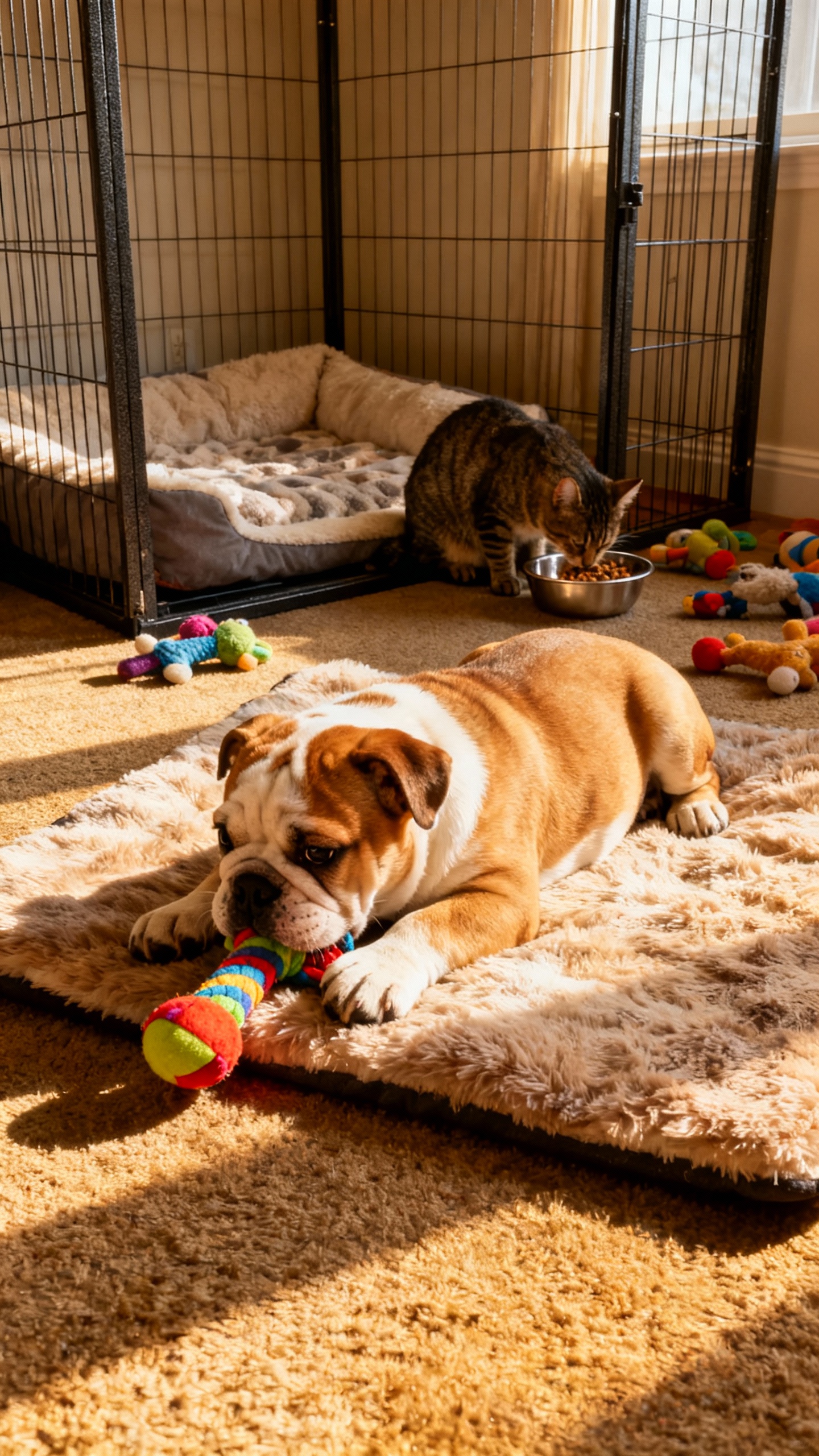
Structure helps everyone relax (including you).
- Exercise the puppy first: A tired bulldog makes better choices. Short play sessions or sniffy walks work wonders.
- Scheduled intros: Two to three short sessions daily beat one long stressful one.
- Enrichment for both: Puzzle feeders for the cat, lick mats or chew toys for the puppy during hangouts.
- Calm exits: End every session with something positive, like treats or a nap.
When to Level Up
Once your puppy can lie down and ignore the cat for a minute or two, try short off-leash time in the same room while you supervise closely. If either gets amped, break, reset, and try later.
IMO, two steps forward and one step back still counts as progress.
Common Mistakes (And Easy Fixes)
- Rushing the intro: You don’t “rip the band-aid.” You build trust. Slow down and reintroduce with barriers if needed.
- Letting the puppy practice fixation: Don’t allow staring contests. Interrupt with a cue and reward focus on you.
- Ignoring the cat’s stress: Hiding, not eating, or litter accidents signal overwhelm.
Give the cat more space and vertical options.
- No puppy training: Untrained puppy equals chaos. Reinforce basics daily.
- Free-for-all feeding: Separate feeding prevents resource guarding and sneaky snack thefts.
FAQs
How long does it take for a bulldog puppy and a cat to get along?
Every duo moves at their own pace. Some coexist comfortably in a week, others take a month or more.
Focus on daily calm sessions, predictable routines, and zero chasing. If progress stalls for two weeks, tweak your plan and slow down.
What if my bulldog puppy won’t stop chasing the cat?
Interrupt early with a cue like “leave it,” then reward the puppy for turning away. Keep the leash on indoors, add more exercise before meetings, and increase distance.
Use gates so the cat never feels cornered. If chasing persists, bring in a certified trainer. IMO, a few pro sessions save a ton of stress.
Is a bulldog’s temperament good for living with cats?
Generally yes.
Bulldogs tend to be chill compared to high-prey breeds. But puppies still act like toddlers in clown suits. Training and management matter more than breed stereotypes.
Should I let them “work it out” on their own?
Nope.
Unsupervised tension can escalate fast, and a single bad experience can set you back weeks. Guide the interactions, keep them short, and build positive associations.
What signs show my cat feels safe?
Look for normal grooming, eating, playful zoomies, slow blinking, and choosing to lounge in shared spaces. If the cat naps near the puppy—even with a gate between—that’s a great sign.
When can I leave them alone together?
Only when you’ve seen weeks of consistent calm interactions with zero chasing or fixating.
Even then, separate during meals and keep the litter area protected. When in doubt, gate it out.
Conclusion
You don’t need magic—just structure, patience, and snacks. Protect the cat’s space, train the puppy’s impulse control, and move at the slower animal’s pace. Keep sessions short, reward calm, and celebrate tiny wins.
Do that, and your bulldog and cat will shift from frenemies to roommates—maybe even nap buddies. And if they never cuddle? Still a win.
Peace in the kingdom beats drama every time, FYI.
Leave a Reply