
You brought home a German Shepherd puppy, and your cat just filed a formal complaint with HR (aka you). Relax—you can make this work. Puppies bring chaos, cats bring rules, and together they can make a pretty awesome duo.
The secret? A smart, slow introduction and some ground rules that stick.
Know Your Players: Shepherd Energy vs. Cat Boundaries

German Shepherd puppies come with turbo mode pre-installed.
They chase, they mouth, they investigate everything. Cats? They prefer control, escape routes, and zero nonsense.
That difference creates friction—unless you plan ahead. Here’s the combo you’re dealing with:
- Shepherd puppy: eager, smart, wants to be involved in everything (including the cat’s tail)
- Cat: territorial, likes routine, needs safe spaces and predictability
If you accept those truths, you’ll introduce them without drama. FYI, speed kills introductions—slow equals safe.
Prep the House Before the First Hello
Set up your home like you’re directing a tiny sitcom with two divas. Do this first:
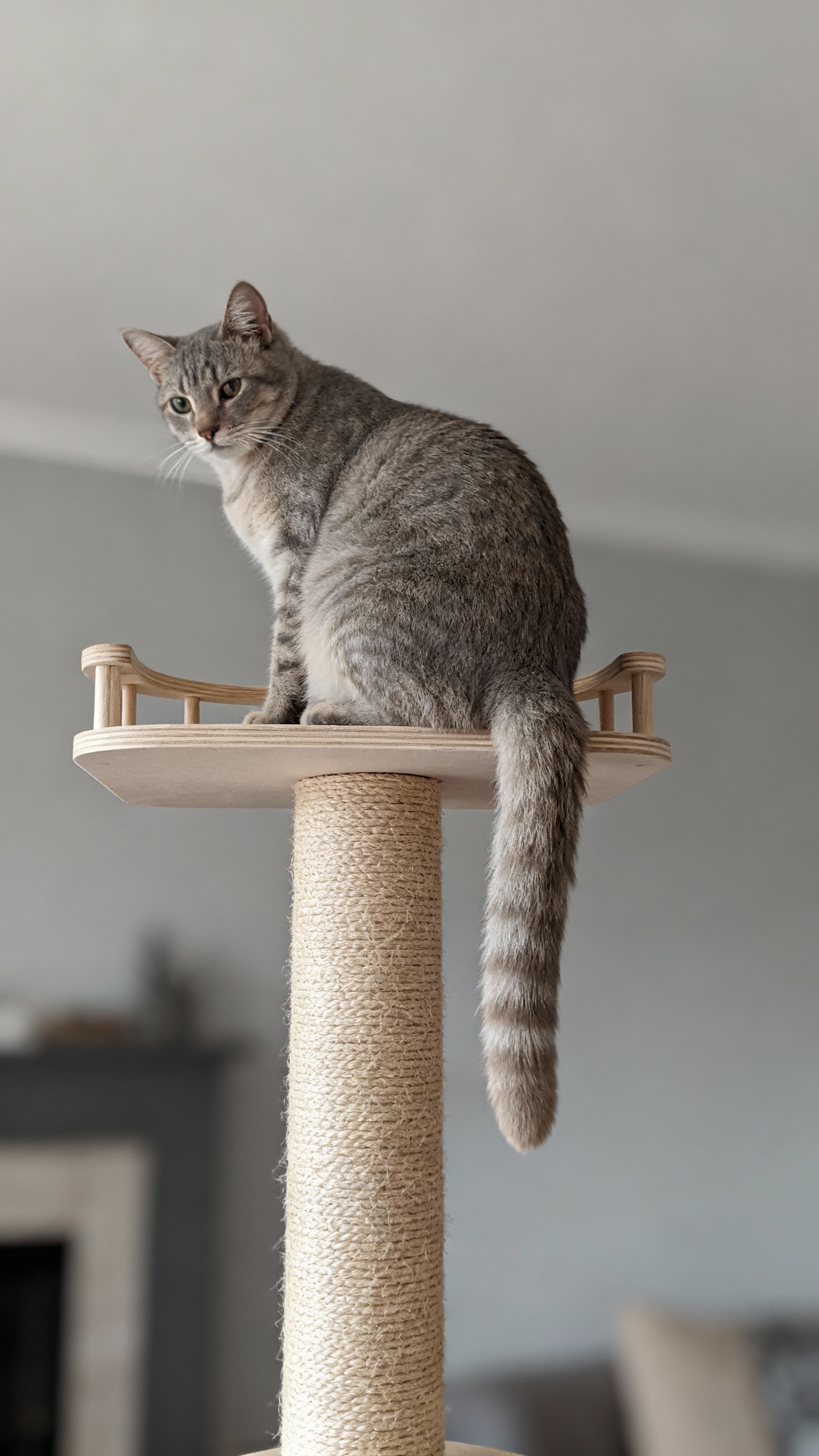
- Create zones: Give your cat vertical territory—cat trees, shelves, high perches. Install a few baby gates with small pet doors.
- Separate essentials: Place the cat’s food, water, and litter box in dog-free areas.
Zero negotiation here.
- Scent swapping: Rub a soft cloth on the cat’s cheeks and on the puppy’s neck. Swap cloths between them daily. Weird?
Yes. Effective? Also yes.
- Basic puppy skills: Nail “sit,” “stay,” “leave it,” and “come” before any face-to-face meeting.
You’ll need these like a seatbelt.
Pro tip: Use controlled access
Let them hear and smell each other through a closed door while you reward calm behavior on both sides. Small, boring, calm moments—those are wins.

First Meetings: Keep It Short, Controlled, and Boring
You want their first visual to feel meh. Not epic.
Not dramatic. Boring. Step-by-step plan:
- Leash the puppy and have treats ready. You don’t need a choke chain or drama, just a normal leash.
- Let the cat choose to enter the space.
Open a gate or door and allow them to approach or observe from a distance.
- Reward the puppy for looking away from the cat. Mark and treat for calm, quiet behavior.
- Keep sessions to 3–5 minutes. End before anyone gets amped. Leave them wanting… less, IMO.
Watch their body language
- Good signs (keep going): puppy sits or lies down, soft eyes, slow tail wag; cat blinks slowly, tail neutral, grooming
- Uh-oh signs (pause or reset): puppy fixates, stiff body, whining or lunging; cat hisses, ears pinned, tail thrashing, dilated pupils
If you see those “uh-oh” signs, add more distance, end the session, and try again later.
Teach Puppy Impulse Control Around the Cat
Your Shepherd will learn fast—use that brain.
You’re basically teaching the puppy that ignoring the cat pays better than chasing it. Core exercises:
- “Leave it” with the cat as a trigger: Start with treats and toys, then practice when the cat walks by at a distance. Reward heavily for compliance.
- Mat training (“go to place”): Send the puppy to a mat to chill whenever the cat enters the room. Treat for calm duration.
- Eye contact game: Say the puppy’s name, mark eye contact, treat.
Build a default “look at me” anytime the puppy notices the cat.
Exercise changes everything
A tired Shepherd makes better decisions. Give your puppy age-appropriate exercise: short training sessions, puzzle feeders, and controlled play. Avoid over-exercising young joints, but do burn that mental energy.
Protect the Cat’s Resources Like a Bodyguard
Your cat needs to feel safe and respected.
If the cat can’t eat, eliminate, or rest peacefully, the relationship sinks fast. Non-negotiables:
- Dog-proof the litter box: Place it behind a baby gate or in a high-access area. Dogs love litter snacks for reasons unknown to science.
- Separate feeding areas: Feed the cat on a counter or shelf. Do not let your puppy “clean up” cat food.
- Private retreat: Give the cat a puppy-free room or closet with a latch that holds the door open just enough for the cat.
Build Positive Associations—For Both

We want the cat to think, “Puppy appears = good things happen.” And the puppy should learn that calm behavior around the cat earns rewards. Ways to stack the deck:
- Parallel time: Sit with the leashed puppy while the cat lounges across the room.
Treat the puppy for calm; toss a treat to the cat occasionally.
- Sniff-and-switch: Let the puppy sniff areas where the cat sat—after the cat has left. Keep them from direct contact until everyone’s chill.
- Calm greetings only: No chasing, no zoomies. If the puppy starts to rev up, redirect to a chew or scatter-feed kibble away from the cat.
Frequency and consistency
Short sessions, several times a day, beat one long chaotic meet-up.
Think “micro-doses of calm.”
When to Level Up: Supervised Freedom
After a week or two of solid, calm sessions, you can test short, off-leash moments—only if the puppy reliably responds to your cues and the cat looks relaxed. Guidelines for this stage:
- Keep it brief: 2–3 minutes of together time, then separate.
- Use management tools: Drag-line leash on the puppy for quick interrupts. Baby gates stay.
- Reward calm proximity: Treats when the puppy chooses to lie down near the cat and mind its own business. Gold star behavior.
If the puppy chases even once, you moved too fast.
Not the end of the world, but slow it down and add more structure.
Common Mistakes (And Easy Fixes)
- Letting them “work it out”: Don’t. That’s how you earn a scratched puppy and a stressed cat. You referee.
- Skipping training: Without “leave it” and “come,” you’re flying without an emergency brake.
- Forcing face-to-face sniffs: Many cats hate that.
Side-by-side and parallel feels safer.
- Too much freedom too soon: Use gates and leashes longer than you think you need. Management isn’t a failure; it’s strategy.
FAQ
How long does it usually take for a German Shepherd puppy and a cat to get along?
Anywhere from a few days to a few months. Personalities and history matter more than breed stereotypes.
Aim for steady progress—calmer meetings, fewer reactions, more ignoring. If you see backsliding, scale back and reinforce training.
What if my puppy keeps chasing the cat?
Interrupt immediately with your recall or “leave it,” then redirect to a structured task (mat, chew, or scatter feed). Increase distance and barriers for a while.
Practice controlled exposure where the puppy earns rewards for looking away from the cat. Chasing can become self-rewarding, so stop it early.
Can the cat correct the puppy with a swat?
Maybe, but don’t rely on it. Some cats deliver fair corrections; others panic or escalate.
You control the environment so your cat never has to “parent” your puppy. Supervise closely and keep encounters short.
Is it better to introduce them when the puppy is tired?
Yes. A tired puppy makes fewer questionable life choices.
Do a short training session or mental puzzle first, then a brief introduction. Don’t exhaust the puppy to meltdown—just take the edge off.
Should I use calming products like pheromone diffusers?
They can help, especially for the cat. A feline pheromone diffuser in the cat’s safe room often reduces stress.
Pair it with training and management—gadgets won’t replace good handling, IMO.
What signs tell me it’s not working?
Watch for chronic stress: the cat hides all day, stops using the litter box, or refuses food; the puppy fixates, whines, or can’t disengage. If that happens, pause cohabitation, consult a trainer or behaviorist, and rebuild with slower steps.
Conclusion
Introducing a German Shepherd puppy to a cat doesn’t require magic—it just needs structure, patience, and a sense of humor. Keep sessions short, reward calm like it’s your job, and protect the cat’s territory fiercely.
If you manage the environment and teach your puppy impulse control, you’ll get peace, not chaos. And one day you’ll catch them napping in the same room, pretending they don’t like each other. Progress, FYI.
Leave a Reply