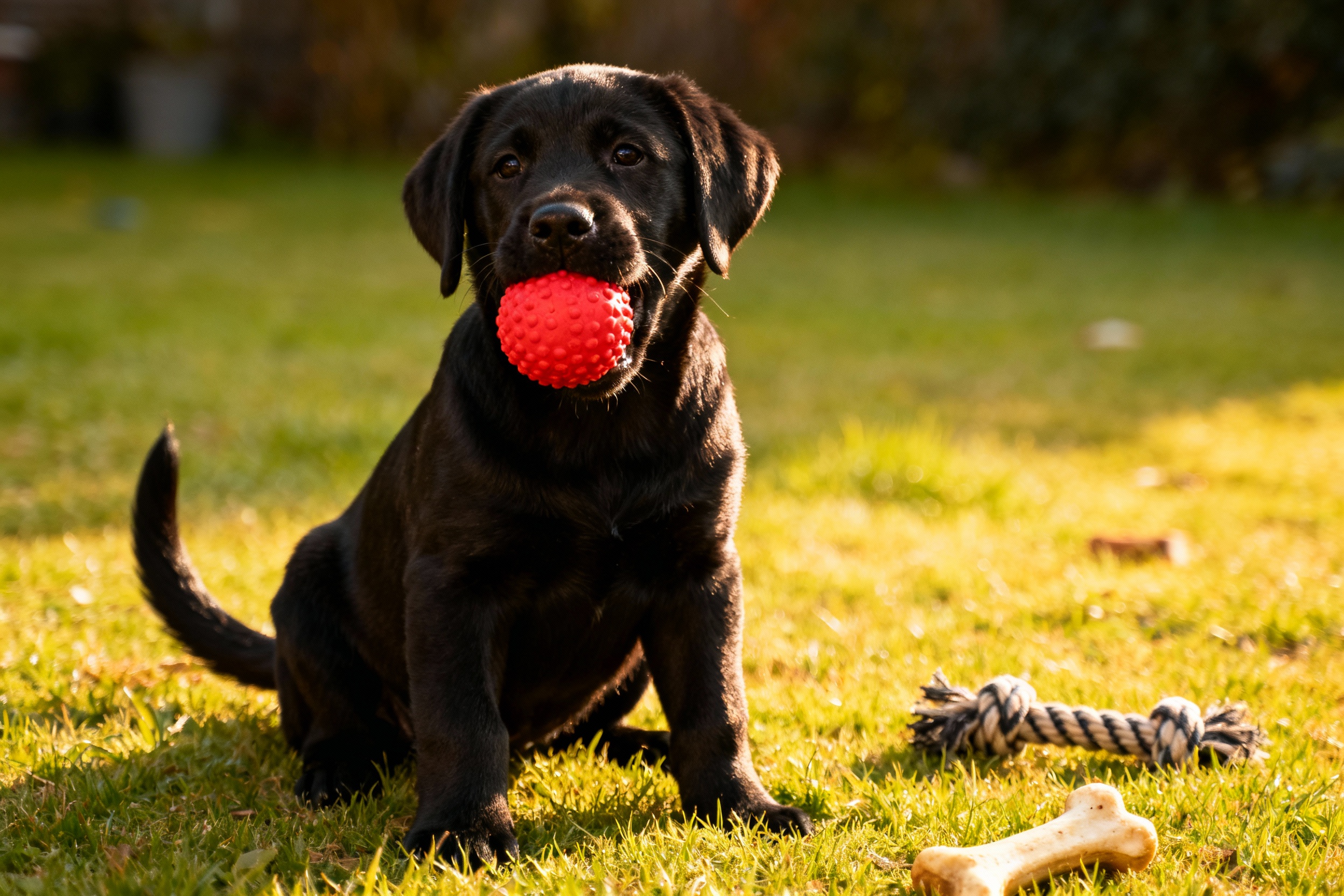
Puppy energy hits like a hurricane, and Labrador Retrievers bring the category 5 version. One minute they nap like angels; the next they’re zooming like a tiny freight train through your living room. Want to keep that fluffy chaos factory entertained—and out of trouble?
Let’s channel the madness into smart, fun activities that build good habits and a strong bond.
Understand the Labrador Puppy Brain
Labrador puppies don’t get “tired”; they get bored. Big difference. Bored Labs invent their own games, and those games often involve your socks.
Their superpowers? Curiosity, food motivation, and stamina—with a limited attention span. You’ll keep them happier if you think in short sprints: 5–10 minute activities sprinkled through the day. Variety wins.
So does structure.
Build a Daily Play Rhythm
Create a loose schedule that rotates mental and physical activities. You don’t need a stopwatch—just a rhythm that repeats.
- Morning: Potty break, short sniffy walk, breakfast from a puzzle feeder, quick training session.
- Midday: Chew time, short game of fetch, crate nap.
- Afternoon: Training (5 minutes), indoor enrichment activity, cuddle/reset.
- Evening: Walk with sniffing, play with a flirt pole, calm chew before bed.
Why this works? Puppies thrive with predictability + novelty.
The structure gives calm, the variety feeds curiosity.
Make Work Out of Mealtime
You can turn every meal into enrichment. Why waste a perfectly good chance to tire out that puppy brain?
Puzzle Feeders That Actually Work
- Snuffle mats: Hide kibble in the fabric strips and let them forage. Smell work = mental workout.
- Kong-style toys: Stuff with kibble mixed with a smear of yogurt or pumpkin.
Freeze it for longer engagement.
- Treat balls: Simple rolling toys that dispense food. Start easy, then increase difficulty.
DIY Food Games
- Muffin tin puzzle: Kibble in cups, cover some with tennis balls. Pup lifts balls to get food.
- Towel burrito: Roll kibble in a towel and let your pup unroll the goods.
- Box exploration: Put safe paper inside a cardboard box with kibble sprinkled in.
Supervise for chewers.
Pro tip: Labs love success. Start easy. Increase difficulty after a few wins so your puppy stays engaged, not frustrated.
Train in Tiny Bites (and Make It Fun)
Training burns brain calories fast.
Keep sessions short and upbeat. Two to five minutes works great for puppies.
Foundations to Teach Early
- Name game: Say the name, reward eye contact, party like you won the lottery.
- Hand target: Pup bops your palm with their nose. Use it to redirect, call them away, or refocus outside.
- Sit/Down/Stay: Basic positions build impulse control.
Keep reps quick and rewarding.
- Drop it/Leave it: Crucial for the “I found a sock” lifestyle Lab puppies prefer.
- Settle on a mat: Reward calm behavior on a dedicated spot. It becomes their “chill zone.”
Keep it spicy: Sprinkle training into play. Ask for a sit before a tug, or a hand target during fetch.
Rewards don’t have to be food—use play too.
Play That Burns Energy (Safely)
Your Lab wants to move. You can tire them out without overworking growing joints. FYI: Labs are built for go-go-go, so teach them how to stop, too.
Best Indoor Games
- Fetch in a hallway: Long, straight, low-impact.
Use soft toys.
- Tug with rules: Start/stop on cue. If puppy teeth hit skin, game pauses for a beat.
- Flirt pole (gentle): Short bursts, big rewards, no high jumps. End with a “down” to calm the hype.
- Hide-and-seek: You hide, call once, celebrate like a maniac when they find you.
Smart Outdoor Fun
- Sniffy walks: Let them follow their nose.
The brain drain beats a forced march.
- Mini obstacle courses: Walk over broomsticks, under chairs, through tunnels. Confidence builder.
- Water play (when appropriate): Labs + water = destiny. Start shallow and keep it safe and warm.
Vet note: Keep high-impact stuff minimal until growth plates close (usually around 12–18 months).
IMO, “tired, not trashed” should be your rule.
Chew Needs Are Real (Save Your Furniture)
Chewing helps teething, stress, and boredom. Give them approved outlets or your baseboards will volunteer.
Pick the Right Chews
- Rubber toys: Durable, stuffable, easy to clean.
- Soft puppy chews: Designed for baby teeth. Rotate to keep novelty.
- Edible chews: Choose vet-approved options, size-appropriate, and supervise always.
Rotation hack: Keep 3–5 toys out and stash the rest.
Swap daily. The “toy fairy” keeps things exciting.
Socialize With Purpose (and Games)
A well-socialized Lab puppy turns into a steady adult who handles life like a champ. Make new things feel safe and fun.
- People variety: Different ages, outfits, and vibes.
Pair each meeting with treats.
- Sounds and surfaces: Vacuum, hair dryer, traffic; grass, tile, carpet. Treats + calm exposure.
- Friendly dog buddies: One-on-one with vaccinated, gentle adults beats chaotic dog parks.
Confidence Games
- “Find it” under cups: Place a treat under one cup, let your pup figure it out.
- Novel object parade: Umbrellas, boxes, wobble boards. Sniff, treat, celebrate bravery.
Remember: You’re curating experiences, not collecting checkboxes.
Quality over quantity.
Prevent Boredom With Simple Management
You can’t entertain a Labrador puppy 24/7. Systems help you win the other hours.
- Crate or playpen: Make it cozy and positive. Offer a safe chew and a snuggle blanket.
- Safe zones: Puppy-proof rooms prevent “creative redecorating.”
- Busy boxes: A bin with rotated toys and a couple of chews ready to go when Zoom calls hit.
- Calm cues: Use a consistent phrase like “settle,” then reinforce quiet on a mat.
Hot take: Overstimulated puppies act wild.
Build in calm breaks. They need naps like toddlers—lots of them.
FAQ
How much exercise does a Lab puppy need?
Aim for multiple short sessions instead of one marathon. Think 5–10 minute play bursts, gentle walks with sniffing, and lots of mental games.
Overexercising growing joints isn’t worth it, so keep high-impact activities minimal.
What’s the best way to stop biting and nipping?
Provide legal chew options and redirect the instant teeth land on skin. Pause play for a few seconds, then resume calmly. Teach a solid “sit” or “hand target” to swap chaos for cooperation.
Can I use fetch every day?
Absolutely, but keep it controlled and low-impact.
Use soft toys, short distances, and include impulse-control moments: sit, release, fetch, trade, repeat. Toss in calm breaks so your puppy learns to self-regulate.
How do I keep my pup busy while I work from home?
Rotate enrichment: a stuffed Kong, snuffle mat, and a short crate nap cycle. Set a timer to do a 3-minute training burst every hour.
Management tools like gates and playpens save your sanity, FYI.
My Lab seems bored with toys. What now?
Change the context, not just the toy. Hide it, stuff it, freeze it, or make it part of a game like hide-and-seek.
Rotate toys and use them during interactive time—your presence makes everything better.
When can my Lab puppy start swimming?
Introduce shallow, warm water once your pup feels confident and vaccinated per your vet’s guidance. Keep sessions short, use a life vest for safety, and always end while your puppy still wants more.
Conclusion
Keeping a Labrador Retriever puppy entertained doesn’t mean running a circus all day. Mix short training bursts, smart enrichment, gentle exercise, and planned downtime.
You’ll satisfy that curious Lab brain, build great habits, and keep your shoes intact—IMO the real victory. Keep it fun, keep it varied, and enjoy the chaos while it’s cute. It goes fast.
Leave a Reply