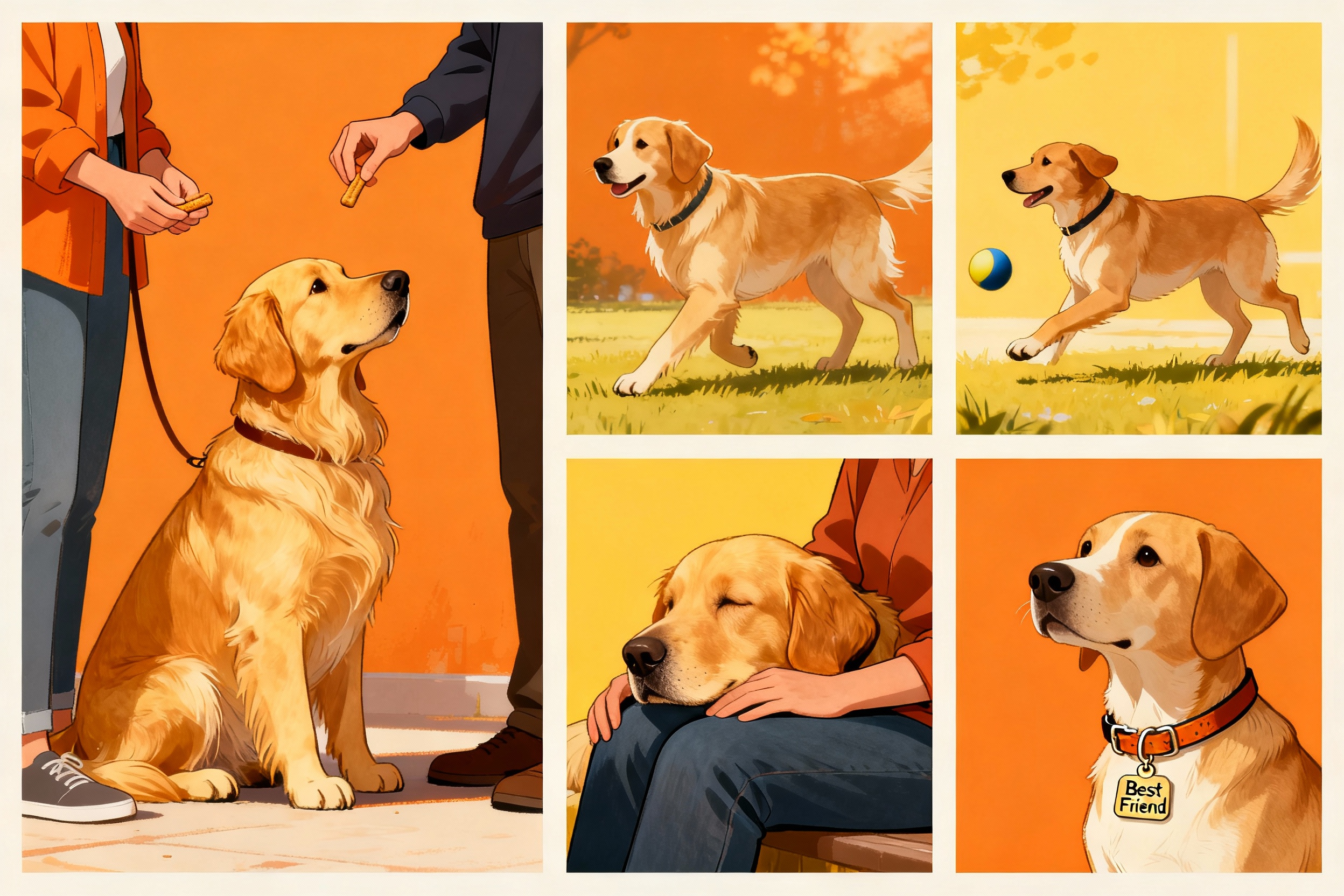
Your dog won’t magically become loyal because you bought the “deluxe” bed or the premium food with hand-massaged salmon. Loyalty grows from daily habits, trust, and predictable leadership. You build it with consistency, communication, and a dash of fun.
Ready to raise a dog who chooses you every time? Let’s make it happen.
Understand What Loyalty Really Means
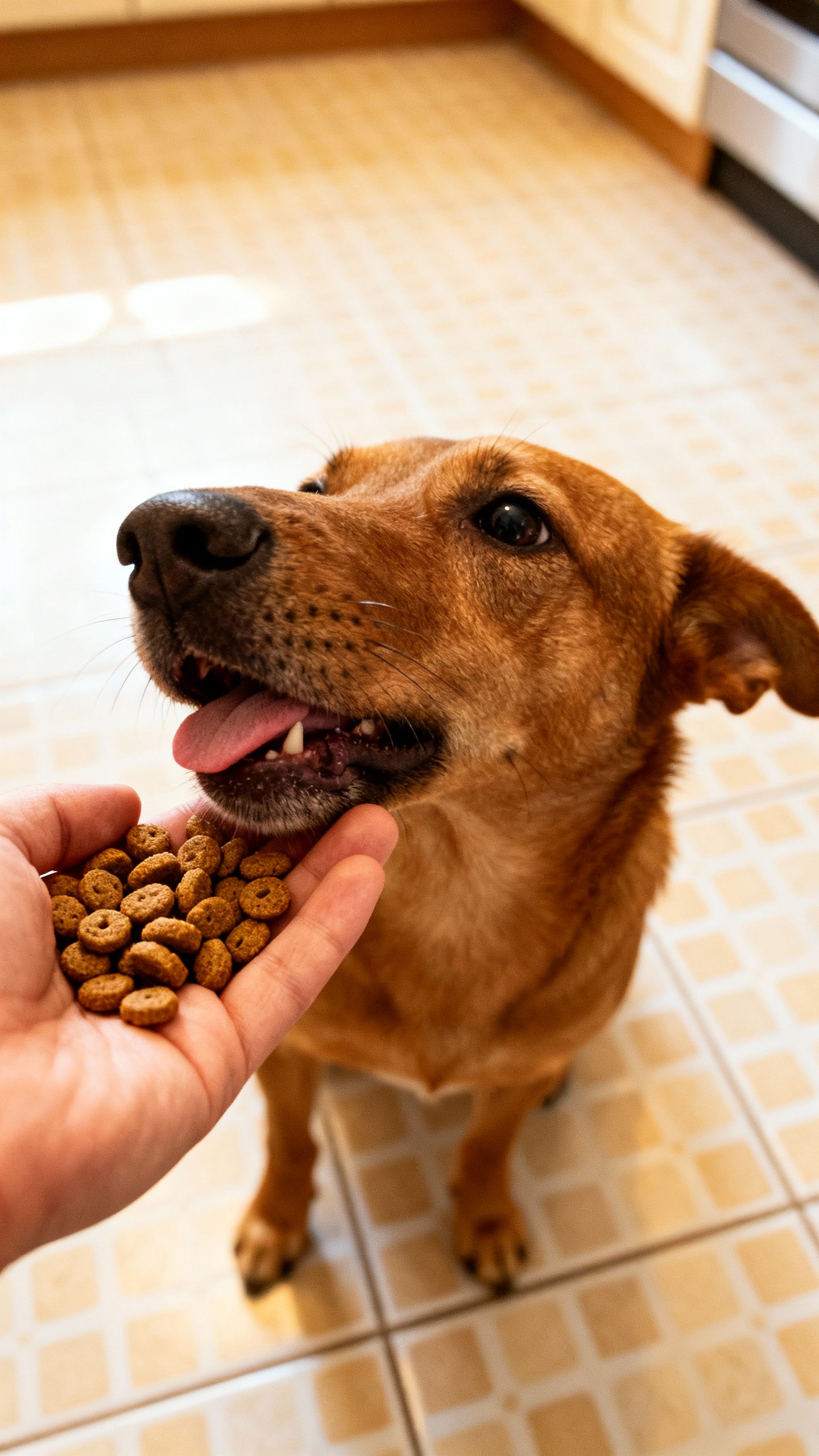
Loyalty isn’t about blind obedience or following you like a furry shadow 24/7. It’s about a dog who trusts your judgment, feels safe with you, and enjoys your company more than anything else.
When your dog sees you as predictable and fair, loyalty shows up on its own. Think of loyalty as a bank account. Every walk, training session, and calm moment together makes a deposit. Yelling, inconsistency, or ignoring needs? That’s a withdrawal.
Keep the balance high, and your dog invests in you.
Trust Comes Before Training
Before you drill “sit” and “stay,” build trust. Hand-feed a few meals, sit nearby while your dog chews a toy, and keep interactions low-pressure. If your dog feels safe, your cues actually matter.
Be Consistent, Not Perfect
Dogs love patterns.
You don’t need to run your home like a boarding school, but you do need consistency. Choose rules you can stick to and keep them the same every day.
- Set simple house rules: No jumping on guests, wait at doors, feet stay on the floor. Pick 3 and commit.
- Use the same cues and gestures: Say “down” or “off,” not both.
Your dog isn’t bilingual in human laziness.
- Reward the behavior you want: Treat, toy, or praise the moment your dog gets it right.
Timing Beats Volume
Don’t repeat commands like a broken record. Say it once, then help your dog succeed. Reward within two seconds of the behavior.
Perfect timing builds fast loyalty because your dog learns you make things clear.

Train for Real Life, Not Just Instagram
Cute tricks look great, but everyday manners build loyalty faster. Your dog trusts you more when you guide them through real-world chaos.
- Recall: Practice “come” on a long line in quiet places first. Reward like you’re a walking buffet.
Then add distractions gradually.
- Loose-leash walking: Your arm deserves happiness. Reward your dog for staying near you. Stop when they pull, move when they return.
You control the fun walk, not the tension.
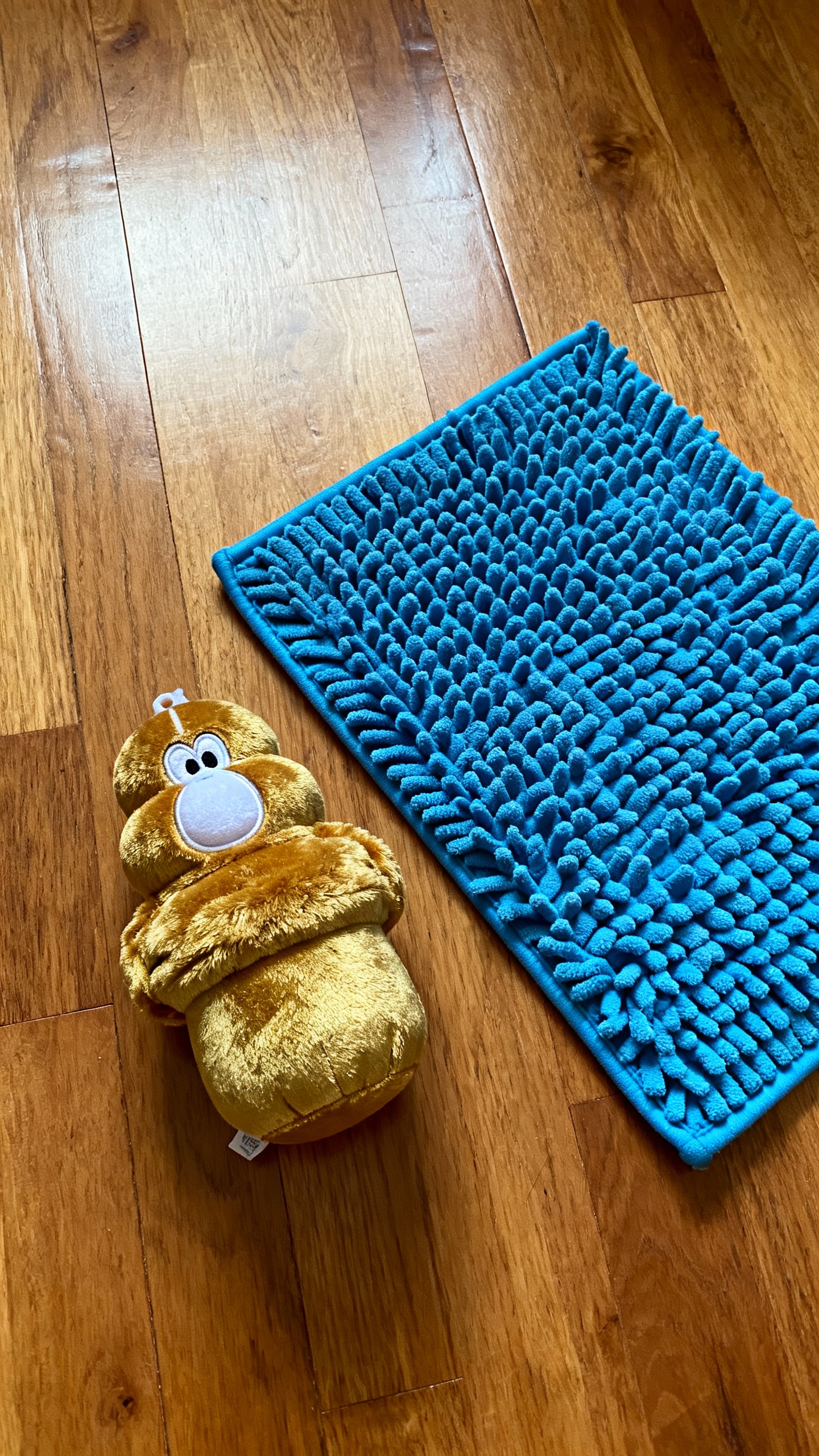
- Place/settle: Teach your dog to chill on a mat. It gives them a job during dinner, guests, or Zoom calls.
Reward Variety Keeps Dogs Loyal
Not all dogs worship treats. Mix it up:
- Food (soft and smelly wins)
- Toys (tug for the win)
- Life rewards (door opens, sniffing allowed, greeting friends)
When your dog thinks, “Sticking close to you makes life awesome,” loyalty skyrockets.
Meet Their Needs Like a Pro
You can’t out-train unmet needs.
If your dog bounces off the walls, it’s not “stubbornness.” It’s energy with nowhere to go. FYI, a tired brain behaves better than a tired body.
- Physical exercise: Daily walks, fetch, tug, or structured play. Adjust to breed and age.
A Malinois needs more than a lap around the block. Shocking, I know.
- Mental work: Short training sessions, puzzle feeders, scent games, stuffed Kongs. Ten minutes of brain work can beat an hour of chaotic play.
- Social exposure: Calm, positive experiences around people, dogs, and environments.
Controlled over chaotic, always.
Quality Time > Constant Attention
You don’t need to entertain your dog all day. Instead, plan focused sessions:
- 5-10 minutes of training, twice a day
- One solid walk with sniff breaks
- A chew session or puzzle toy in the evening
Consistent quantity beats occasional marathons, IMO.
Communicate Clearly (Your Dog Doesn’t Speak English)
Your dog reads your body language faster than your words. Confusing signals wreck loyalty because your dog can’t trust your meaning.
- Keep cues clean: Say the cue once.
Don’t stack words (“Sit-sit-sit”).
- Use gestures: Pair a hand signal with each cue. Visuals stick better.
- Neutral voice for cues, happy voice for rewards: Your tone matters a lot more than your vocabulary.
Mark the Moment
Use a marker word like “Yes!” or a clicker to confirm the exact behavior you like. It’s a snapshot for your dog’s brain.
Faster learning = stronger bond.
Handle Boundaries With Calm Confidence
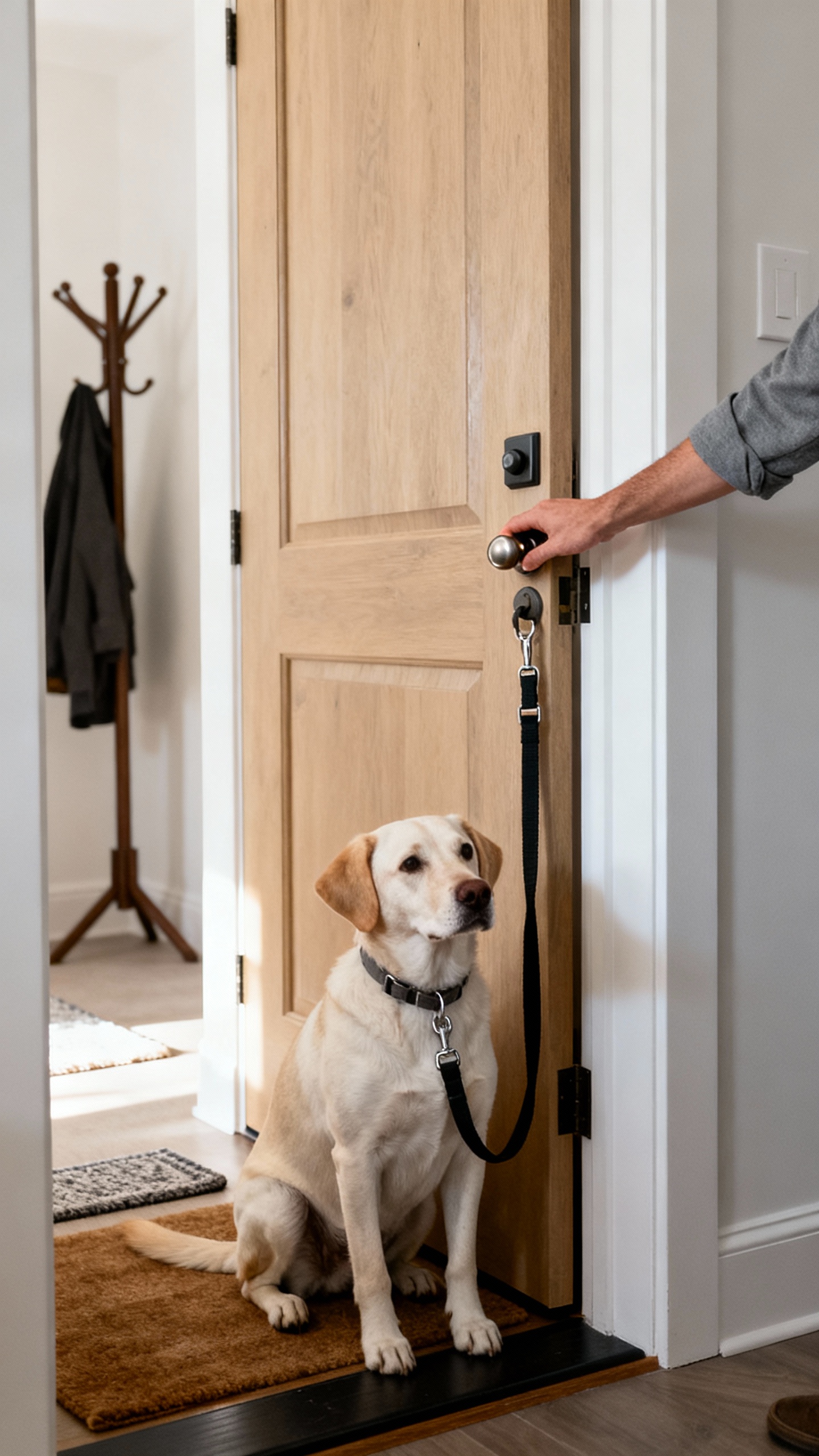
Loyalty grows when your dog trusts your leadership. Not alpha nonsense—just calm structure. You decide when play starts, when it ends, and how to navigate the world safely.
- Impulse control: Ask for a sit before meals, doors, leashes, and toys.
It’s not mean; it’s manners.
- Doorways and thresholds: Pause, then release your dog through. You control access to the fun stuff.
- Crate or place training: Give your dog a predictable off-switch. Rest is part of the program.
Fix Mistakes Without Drama
Your dog will mess up.
Correct gently, guide quickly, reward generously. No yelling, no yanking, no grudges. Dogs live in the moment—lucky them.
Make Yourself the Source of Good Things
If you want loyalty, be the best part of your dog’s day.
Not the food bowl. Not the backyard. You.
- Hand-feed meals a few times a week while training.
- Play together: Tug, fetch, flirt pole.
End while your dog still wants more.
- Join the sniffing: Let your dog investigate, and move with them. Be part of the adventure.
Adventure Bonds Faster Than Couch Time
New parks, easy hikes, short car trips, training in parking lots—mild novelty strengthens your bond. Keep it safe and fun.
If your dog looks to you for guidance amid distractions, congrats—you’re the anchor.
Common Pitfalls That Break Loyalty
Let’s save you some time (and a few apologies to your dog).
- Inconsistency: “No jumping” sometimes means “jump on Aunt Linda.” Pick one.
- Over-correcting: Big reactions make anxious dogs, not loyal ones.
- Under-exercising: A bored dog will invent hobbies you won’t like.
- Skipping socialization windows: Early exposure (8–16 weeks) matters. For older dogs, go slow and positive.
- Expecting too much too fast: Progress isn’t linear. Celebrate the small wins.
FAQ
How long does it take to build real loyalty?
You can see early signs in a few weeks if you stay consistent—better recall, calmer behavior, more check-ins.
Deep, rock-solid loyalty usually takes months. Think steady compounding, not overnight delivery.
Can rescue dogs become loyal even with a rough past?
Absolutely. Go slower, use clear structure, and reward like crazy for small milestones.
Many rescues bond deeply once they realize you’re predictable and safe. FYI, patience pays off big here.
Do I need professional training?
If you feel stuck, a reputable positive reinforcement trainer can fast-track progress. Look for certifications and someone who teaches you, not just your dog.
Good pros improve your timing and clarity—game-changers, IMO.
What if my dog only listens when I have treats?
You created a “pay-per-view” situation. Transition to variable rewards: sometimes treats, sometimes toys, sometimes freedom to sniff. Also reward life behaviors (like coming when called) with access to fun, not just food.
Is sleeping in my bed bad for loyalty?
Not inherently.
Bed privileges won’t ruin your dog if you already have structure. If your dog guards the bed or ignores cues, move them to a mat or crate for a bit while you rebuild boundaries.
How much exercise does my dog really need?
Depends on breed, age, and health. As a baseline: one or two decent walks plus mental work daily.
High-drive dogs need more structured play and training layered in. When in doubt, add brain games.
Conclusion
Loyal dogs don’t happen by accident. You earn that devotion with consistency, clear communication, solid boundaries, and daily fun.
Show up, be predictable, and make life better when your dog chooses you. Do that, and your dog won’t just follow you—they’ll trust you, rely on you, and pick you every time. That’s loyalty worth bragging about.
Leave a Reply