
You brought home a German Shepherd puppy. Congrats—and buckle up. That fluffy land shark can learn faster than your smartphone updates, but it will also pee like a sprinkler if you don’t give it structure.
Potty training isn’t magic. It’s timing, management, and consistency. Do those three things and you’ll have a house-trained GSD before your coffee gets cold.
Well… almost.
Know Your Puppy’s Timeline
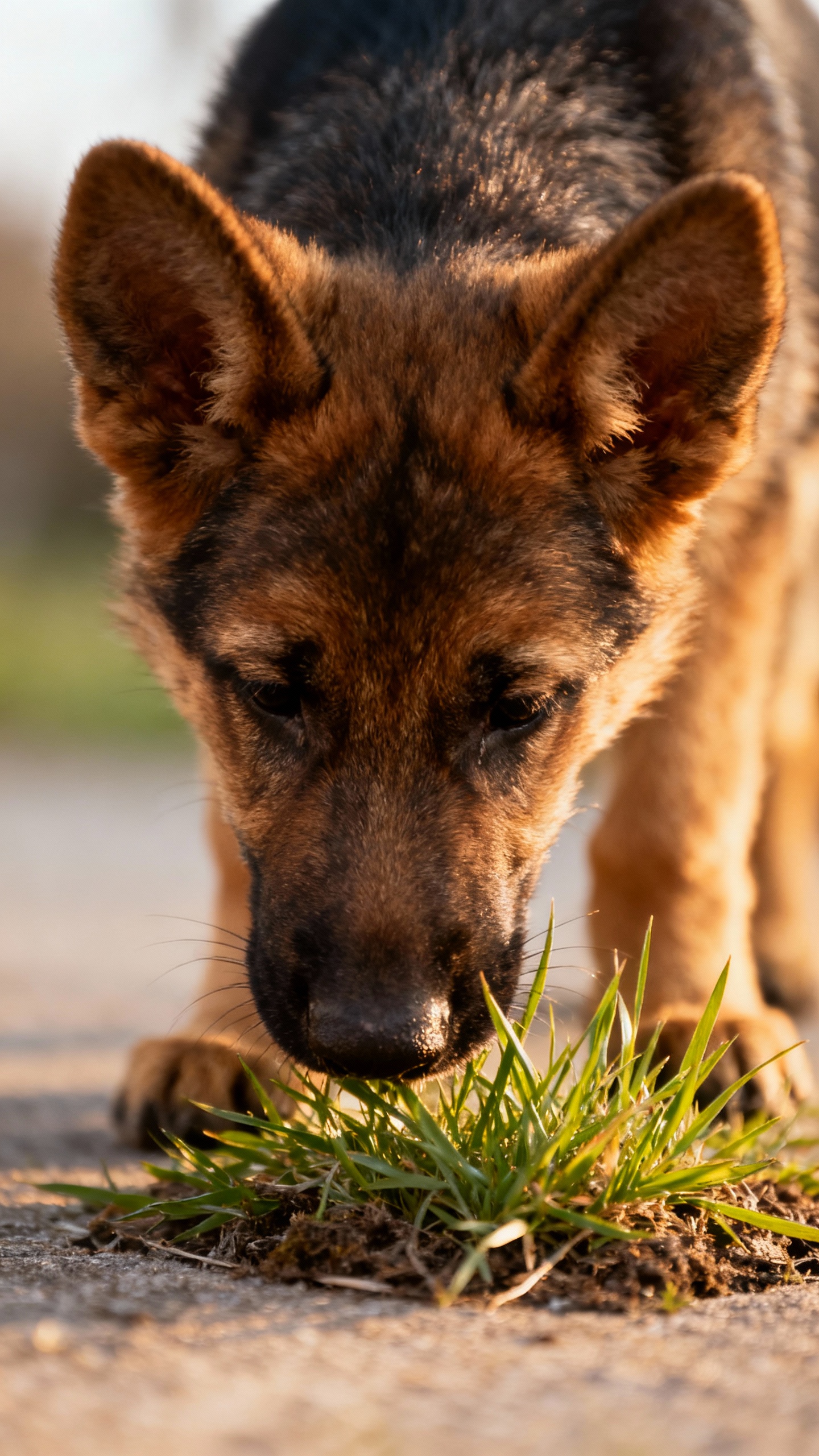
German Shepherd pups have brains built for learning, but their bladders? Not so much. At 8–10 weeks, expect frequent potty breaks.
Bladder control improves around 4–6 months, but you still need a plan. Rule of thumb: a puppy can hold it for roughly their age in months, plus one hour (during the day). So a 3-month-old? About 4 hours max—if you’ve exercised, fed correctly, and supervised.
Potty “Prime Times” You Should Never Miss
- First thing in the morning
- Right after meals
- After naps
- After play sessions
- Right before bed
Miss these windows and your carpet pays the price.
FYI, GSDs are clean by nature, which helps, but they still need clear guidance.
Create a Potty Spot and Make It Sacred
Pick one outdoor spot and use it every time. Same door. Same patch of grass.
Same cue word like “Go potty.” Dogs love patterns. You’ll build a bathroom routine instead of bathroom roulette. Walk your pup to the spot on a leash.
Stand still. No play until business happens. When they go, drop a party: praise, treat, release to play.
That reward sequence teaches them toilets equal good things.
Use a Cue Word Correctly
Keep it short and consistent. Say “Go potty” as they start, not before. You’re labeling the action.
Over time, the cue becomes a signal. Magic? No.
Conditioning? Yes.
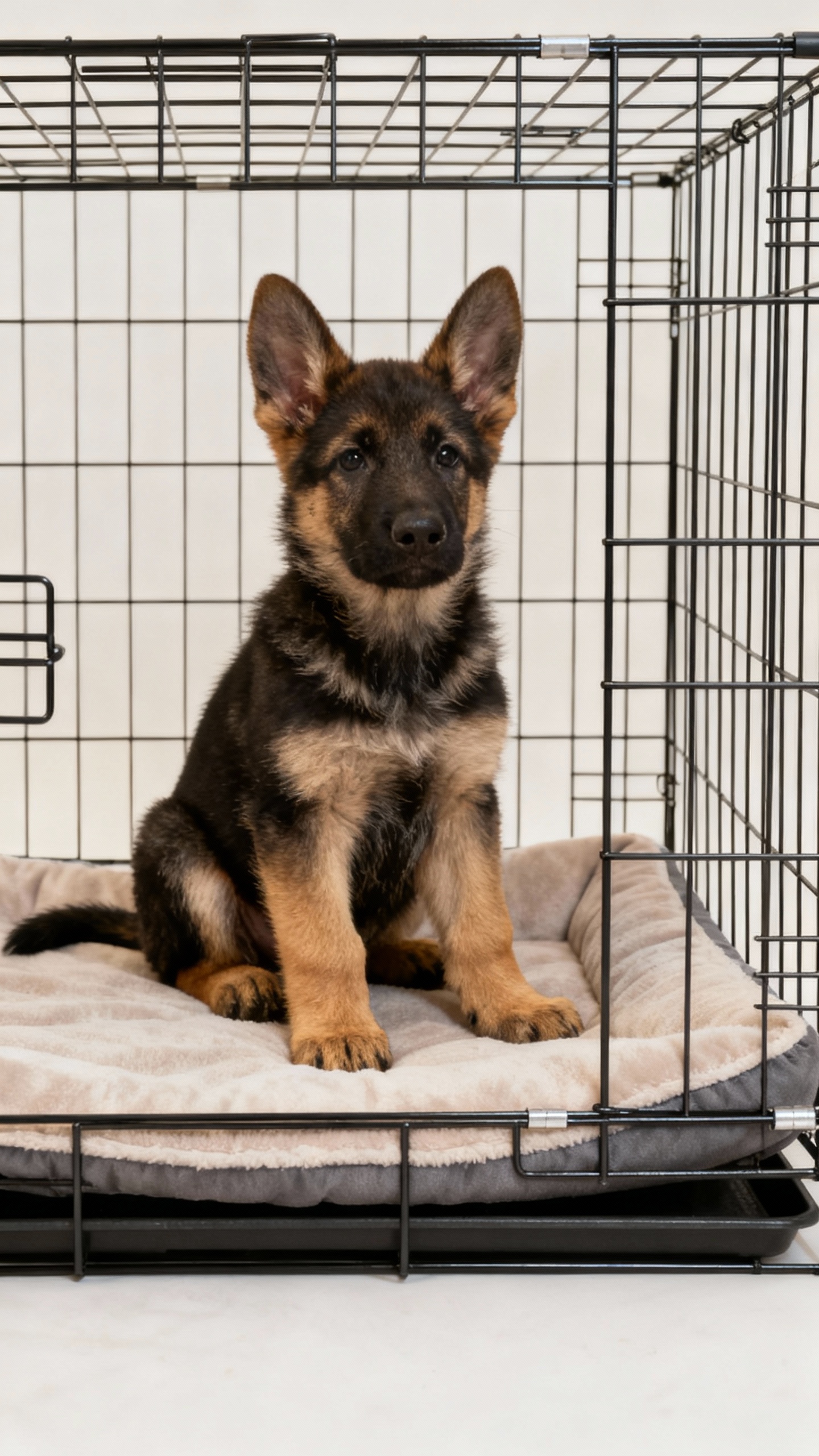
Crate Training: Your Best Ally (Not a Jail)
Crates help because dogs don’t like to soil where they sleep—especially fastidious breeds like Shepherds. But you must size it right.
Too big and they’ll make a “bathroom wing.” Too small and it’s uncomfortable. How to make the crate work:
- Right size: The puppy can stand up, turn around, and lie down. That’s it.
- Short naps first: Start with 30–60 minutes and build up gradually.
- Take out to potty immediately after crate time. Don’t wander.
Straight to the spot.
- Zero punishment: The crate = calm and safe, not “time out because you chewed my sock.”
Nighttime Strategy
Young pups usually need one bathroom break at night. Set an alarm for 4–5 hours after bedtime. Quietly take them out, let them go, praise softly, and pop them back in.
Don’t turn it into a midnight playdate unless you like being awake at 2 a.m. forever.
Schedule: Your Secret Weapon
If you free-for-all meals and water, you’ll get free-for-all puddles. Structure wins. Daily rhythm that works:
- Wake-up: Potty immediately, then breakfast within 15–20 minutes.
- After eating: Outside within 5–10 minutes.
- Mid-morning: Play, train, then potty.
- Midday: Lunch (if still on three meals) and potty.
- Afternoon: Nap, wake, potty, play.
- Evening: Dinner, potty, quiet activity.
- Before bed: Final potty trip.
Water management: Keep water available during the day. Pick it up 2 hours before bedtime (unless your vet says otherwise).
IMO, this single change prevents a ton of night accidents.
Supervision and the Leash Trick
Can’t watch your puppy? Use the crate or a puppy-safe playpen. If you’re around but distracted, tether the pup to you with a 6-foot leash.
Sounds silly, but it keeps them in your orbit and away from rug “experiments.” Look for the telltale signs:
- Circling and sniffing with purpose
- Sudden quiet after play
- Bee-lining to that one forbidden corner
The second you spot it, say “Outside!” in a cheerful voice and head out. No scolding. Swift action beats lectures.
What If They Start to Go Indoors?
Interrupt with a neutral “Outside!” and hustle to the potty spot.
If they finish outside, praise and treat. If they don’t, crate for 10–15 minutes, then try again. We’re just resetting the scenario, not punishing curiosity.
Reward Like You Mean It
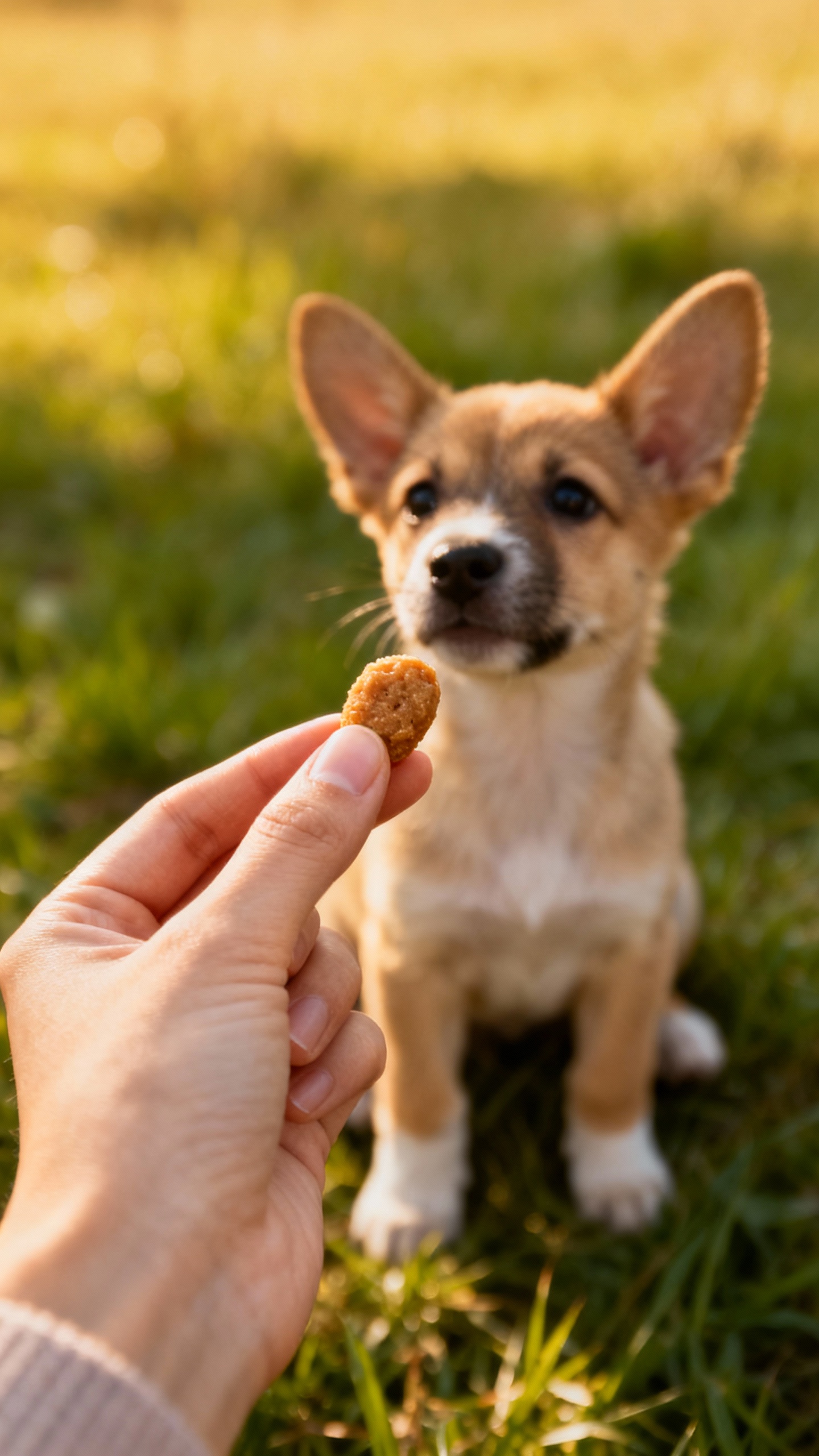
Your timing matters more than the treat itself.
Deliver the treat within 2 seconds of finishing. Waiting until you get back inside confuses the message. Your puppy thinks the reward is for walking in the door, not peeing on the grass. Best practices:
- Use tiny, high-value treats—pea-sized bits of chicken or soft training treats.
- Pair with enthusiastic praise.
GSDs love your approval almost as much as snacks.
- Gradually fade food rewards after 2–3 clean weeks, but keep praising.
Accidents Happen (Don’t Make Them Worse)
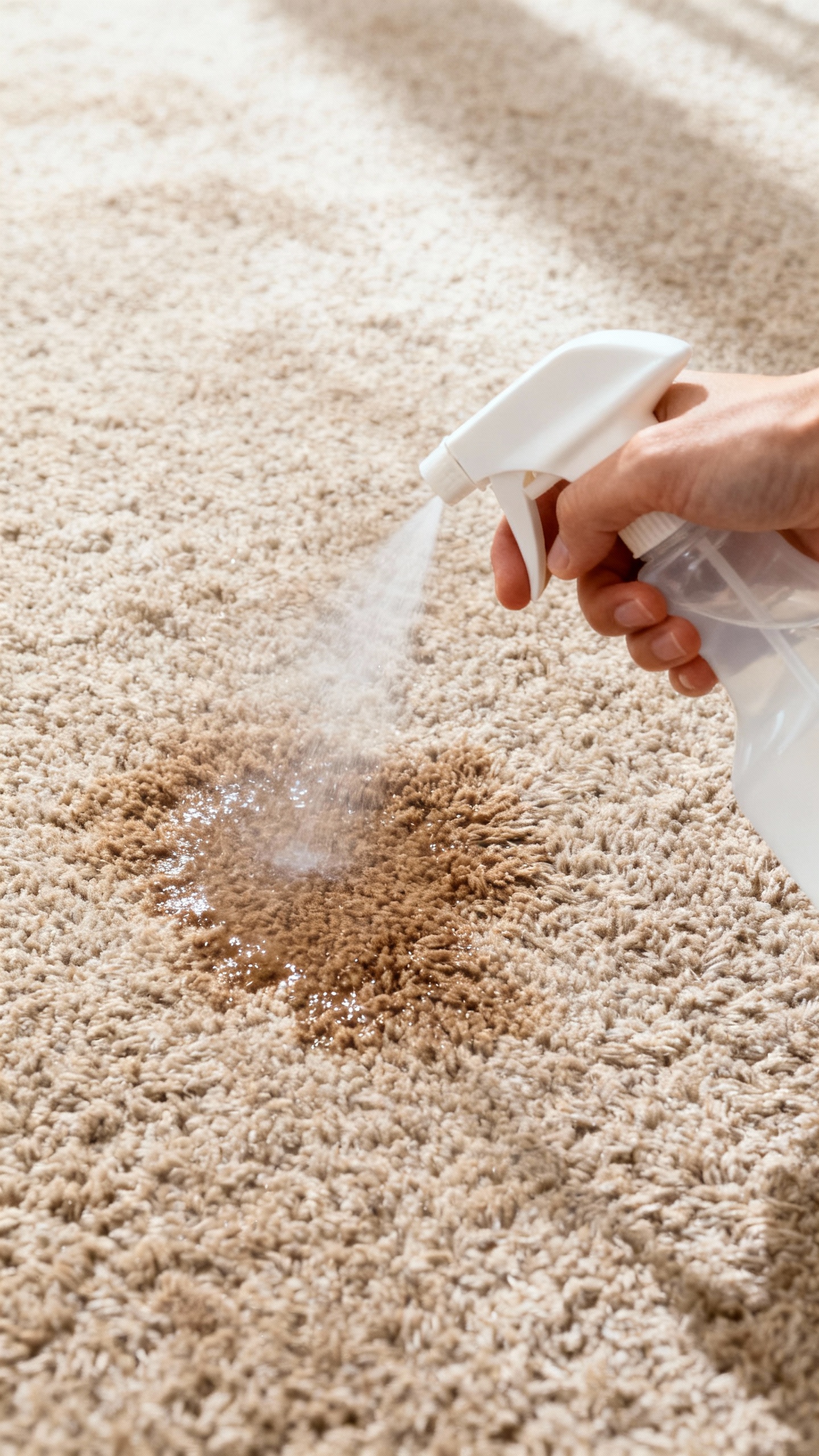
Clean with an enzymatic cleaner, not vinegar or regular soap. Enzymes break down the odor so your puppy won’t re-mark the same spot like a tiny graffiti artist. If you catch them mid-stream, interrupt calmly and go outside.
If you find a cold puddle, just clean it. Scolding after the fact teaches nothing except that humans are puzzling.
When Accidents Mean Something Else
If your pup suddenly regresses, consider:
- UTI or medical issue: Frequent dribbles, straining, or whining? Call your vet.
- Too much freedom: Scale back access and supervision.
- Schedule slips: Tighten meal and potty times again.
Advanced Tips for Smart Shepherds
German Shepherds learn patterns quickly.
Use that to your advantage.
- Teach a “Hurry up” routine: Go to the potty spot, stand still, give the cue, and wait. No sniff-tours of the neighborhood until they go. After success, reward with a short sniff walk.
The walk becomes a jackpot.
- Use a potty bell: Hang a bell by the door. Teach your pup to boop it with a paw or nose before you open. Start by luring and marking the touch, then pair bell-ringing with the door opening only for potty trips.
- Track wins: Keep a simple log for a week: times, meals, naps, successes, and accidents.
Patterns pop fast—and IMO, seeing progress keeps you sane.
How Long Does It Really Take?
With consistency, most GSD pups nail the basics in 2–4 weeks, then need another 1–2 months to become rock-solid. Night dryness usually lags behind day training. And yes, growth spurts and teething can cause mini-regressions.
Breathe. Stick to the plan.
FAQ
What age should I start potty training my German Shepherd puppy?
Start day one. Eight-week-old pups can learn the routine immediately.
They won’t hold it long, but they can absolutely learn where to go, how to ask out, and that outside equals rewards.
How often should I take my puppy out?
Every 2–3 hours at first, plus all the “prime times” (after waking, after eating, after playing, before bed). At 12–16 weeks, you can stretch to 3–4 hours if the puppy handles it well. When in doubt, take them out.
It’s faster than scrubbing carpets.
Should I use pee pads?
With Shepherds, I’d skip them unless you live in a high-rise or have mobility constraints. Pads can blur the “outside only” rule. If you must use them, place them by the exit and phase them out quickly as your pup learns the door routine.
What do I do if my puppy keeps having accidents in the same spot?
Clean with an enzymatic cleaner, block access temporarily, and supervise more closely.
Then ramp up guided trips to the potty spot and reward like it’s the Super Bowl when they go there. Sometimes moving furniture to break the habit path helps too.
Can I punish my puppy for accidents?
Nope. It backfires.
Puppies learn to hide the behavior or feel anxious about eliminating near you. Interrupt gently if you catch them, then take them outside and reward success. Training beats shaming every time.
When can I trust my GSD puppy with full house freedom?
After at least 2–3 accident-free weeks and when they consistently signal to go out.
Even then, expand gradually—room by room. Freedom is earned, not just given because your puppy made puppy eyes at you (they’re very good at that).
Conclusion
Potty training a German Shepherd puppy isn’t rocket science—it’s repetition science. Set a schedule, manage the environment, reward the right choices, and keep your cool when mistakes happen.
Your GSD will connect the dots fast because that’s what these dogs do. Stay consistent, stay upbeat, and soon your biggest mess will be the toy explosion in the living room, not the mystery puddle on the rug. IMO, that’s a win.
Leave a Reply