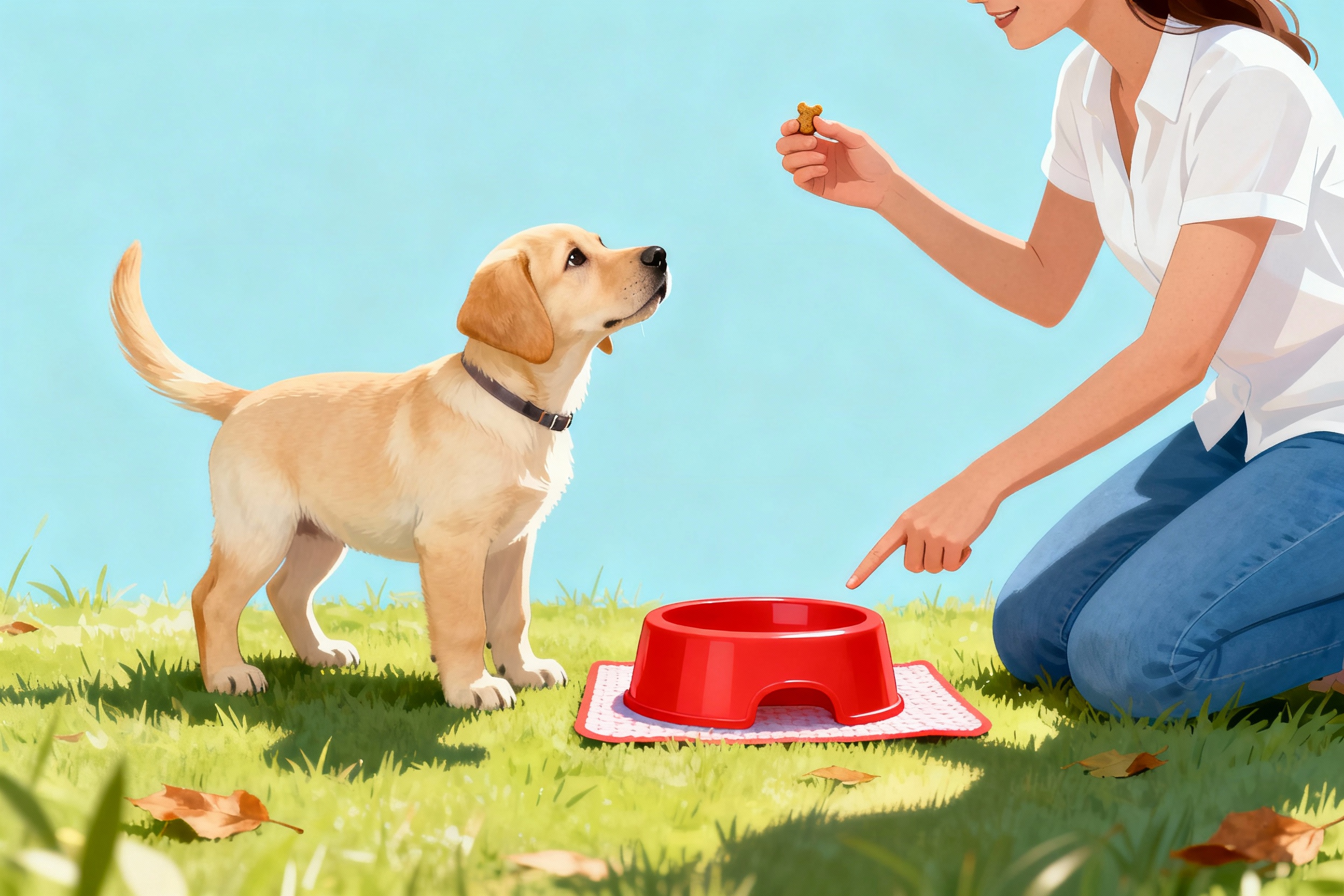
You brought home a Labrador Retriever puppy. Congrats—and buckle up. Labs are adorable chaos machines with bladders the size of a thimble.
Potty training them isn’t rocket science, but it does demand consistency, patience, and a decent stash of paper towels. Let’s get you from “accidents everywhere” to “nailed it” without losing your mind.
Set Your Game Plan on Day One
Start with structure. Puppies crave routine, and Labs especially thrive when you give them a clear schedule.
Decide where your puppy will sleep, where they’ll potty, and who handles which parts of the training. Then stick to it like glue. Key goal: teach your puppy that the bathroom lives outside (or on a specific indoor pad if you must), not on your rug. You’ll do that with timing, supervision, and rewards.
- Pick a potty spot: the same corner of your yard every time.
Familiar scents help.
- Choose a cue word: “Go potty” or “Do your business.” Keep it short and consistent.
- Buy the essentials: enzyme cleaner, treats, a crate, a leash, and patience. Lots of patience.
Crate Training: Your Secret Weapon
Crates don’t punish. They teach bladder control and give your Lab a safe, cozy den.
Dogs naturally avoid soiling where they sleep—use that to your advantage. How to size it: big enough to stand, turn, and lie down. Not big enough for a “bedroom” plus “bathroom.” If your puppy swims in space, use a divider.
Crate Routine That Works
- Take your puppy straight outside after naps, meals, play, and crate time.
- Give them 5–10 minutes at the potty spot. Quiet wait.
No playtime yet.
- If they go, praise and treat immediately—like you’re announcing a touchdown.
- If they don’t, back in the crate for 10–15 minutes, then try again.
IMO: The crate fast-tracks success. Without it, you’ll chase a fuzzy sprinkler around your house.
Timing Is Everything (Like, Literally)
Puppies can hold their bladder roughly one hour per month of age, up to around 4–5 hours. Labs have big hearts, not big bladders.
Sample Daily Schedule
- Morning: Outside the moment you wake.
Then breakfast, then outside again.
- Midday: Out every 2–3 hours for an 8–12 week old puppy.
- After naps or play: Always outside. They’ll pee the second excitement hits.
- Evening: Early dinner, one last potty break before bed.
- Night: Set an alarm for one bathroom break if your puppy is under 12 weeks.
Pro tip: Keep a simple log for a week—times, successes, accidents. Patterns pop.
You’ll predict their potty windows like a wizard.
Supervision and the “Tether Trick”
If your puppy roams freely, accidents become sneaky and frequent. You want hawk-level supervision during awake time.
- Tether to you: Clip the leash to your belt while you work or watch TV.
- Use gates or a playpen: Manage the space. Less roaming means fewer surprises.
- Watch the signals: Sniffing, circling, wandering off, staring at the door.
Move now.
FYI: Labs are people pleasers, but they will not text you when they need to pee. You must read the signs.
Reward Like a Pro (Bribery Works)
Strong habits form when you reward the exact behavior at the exact moment. Don’t wait until you get inside to treat.
That rewards coming indoors, not pottying.
Perfect Reward Pattern
- Lead to the potty spot.
- Say your cue once: “Go potty.”
- When they finish, praise and treat within 1–2 seconds.
- Then play or go for a short sniff walk as a bonus reward.
Use tiny, high-value treats at first—soft training bites or bits of cooked chicken. Over a few weeks, fade to praise only once the habit sticks.
Accidents Happen—Handle Them Smart
You’ll miss a signal. You’ll celebrate too early.
Your pup will squat mid-victory lap. It’s fine—just don’t scold.
- If you catch them in the act: Say “Outside!” and guide them out quickly.
- If you find a puddle later: Clean with enzyme cleaner, say nothing. Dogs don’t connect delayed feedback.
- Review what happened: Did you miss a post-nap trip?
Wait too long? Adjust the schedule.
Never rub noses in it. That just damages trust and teaches nothing. Labs love you.
Keep it positive.
Water, Food, and the Bathroom Equation
What goes in dictates what comes out. You control the schedule by managing meals and water access responsibly.
- Feed on a schedule: Two to three meals at consistent times. Free-feeding = mystery poops.
- Water: Keep fresh water available, but remove it 1–2 hours before bedtime.
- Quality food: Better food often means more predictable, firmer stools and easier timing.
Predictable Poop Windows
Most puppies need to go:
- Within 10–20 minutes after meals
- After play sessions
- After waking up from naps
IMO, if you nail mealtime consistency, you win half the potty battle automatically.
Teach a Door Signal
You want a clear “Hey human, I gotta go” message.
Labs learn fast—use that brain.
- Pick a signal: a bell by the door, a button, or a sit at the mat.
- How-to: Before every potty trip, help your puppy ring the bell or sit on the mat. Then go out immediately.
- Repeat: After a week or two, they’ll start signaling on their own. Celebrate like you just won a prize.
Common Hurdles and How to Fix Them
Peeing Right After Coming Inside
Extend outdoor potty time by a few minutes.
Keep things boring outside—no fetch until after they go. If they don’t pee, crate for 10–15 minutes and try again.
Excitement or Submissive Peeing
Greet calmly. Avoid looming over your puppy.
Squat to the side, give a gentle hello, and take them out ASAP.
Weather Refusal
Rain? Snow? Your Lab thinks the floor looks nicer.
Use an umbrella, create a covered potty zone, and reward heavily for brave pees. Short leash, quick mission, party after.
Marking Indoors
At 12–16 weeks, some pups start testing boundaries. Increase supervision and clean previous spots thoroughly with enzyme cleaner.
Ask your vet about timing for spay/neuter decisions if marking persists.
How Long Does Potty Training Take?
Most Lab puppies show solid progress within 2–4 weeks with a strict routine. You’ll still get the occasional “oops” during growth spurts or when you change schedules. Full reliability usually lands around 5–6 months.
Stay consistent, and your Lab will get there.
FAQ
How often should I take my Lab puppy out?
Every 2–3 hours for young puppies, plus immediately after waking, eating, playing, or time in the crate. Adjust as they age—add about an hour of holding capacity per month, up to 4–5 hours.
Should I use pee pads?
Use them only if you live in a high-rise or can’t reach outdoors reliably. Pads can confuse puppies about indoor vs. outdoor rules.
If you use them, place them next to the door and phase them out quickly.
What treats work best?
Soft, pea-sized, high-value treats like tiny chicken bits or commercial training treats. You want fast chewing, not crunching. Reward immediately after they finish pottying.
My puppy pees in the crate—what now?
Check crate size, remove super plush bedding for now, take more frequent breaks, and rule out a UTI with your vet.
Clean thoroughly with enzyme cleaner and reset your schedule to prevent rehearsal.
Is it okay to punish accidents?
No. Punishment creates anxiety and sneaky behavior. Redirect in the moment if you catch them, and otherwise just clean up and tighten the routine.
Positive reinforcement builds faster and better habits.
When do I stop night potty breaks?
Most Lab puppies can sleep through the night by 12–14 weeks. If they wake you consistently dry, try dropping the night break. If you get morning accidents, add it back for another week.
Conclusion
Potty training a Lab puppy looks like a lot, but it’s just consistent reps: out often, same spot, clear cue, instant reward.
Use the crate, supervise like a boss, and keep your sense of humor. Stick with the plan for a few weeks and your Lab will connect the dots—because beneath the goofball energy, they really, truly want to get it right.
Leave a Reply