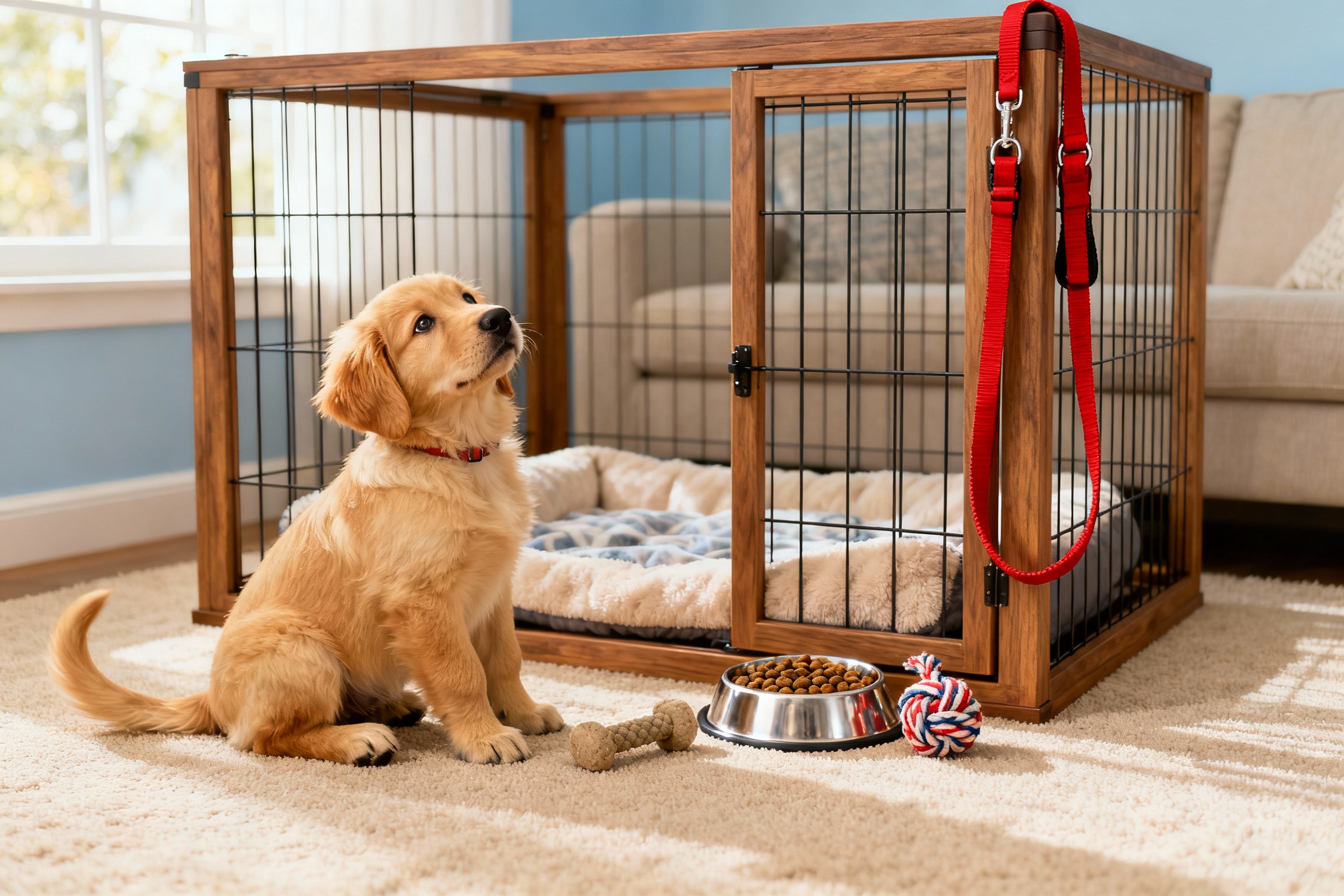
Golden Retriever puppies look like living teddy bears… until they chew your phone charger and zoomie across your clean floors. Getting ready before that fluffball comes home saves your sanity and keeps your pup safe. Let’s set you up with the gear, routines, and mindset you need so you can enjoy the chaos instead of crying into a lint roller.
Choose Your Puppy Wisely (And Responsibly)

Not all Golden puppies come from the same background.
Genetics matter for health and temperament, so you want to do a little detective work before you fall for the cutest face.
- Find ethical sources: Reputable breeder, rescue, or breed-specific rescue. Avoid impulse buys from listings that can’t show history or health info.
- Ask about health testing: Goldens often face hip/elbow dysplasia, eye conditions, and heart issues. Responsible breeders test parents and share results.
- Meet the parents (or foster reports): Calm, friendly adults often raise confident pups.
Red flags? Skittish parents, zero records, weird vibes.
Timing Your Pickup
Most puppies go home at 8–10 weeks. Earlier than 8 weeks?
Hard pass. They need littermate and mom time to learn bite inhibition and dog manners.
Puppy-Proof Your Home Like a Pro
You know that thing you love? Your puppy will probably try to eat it.
Clear hazards now so you don’t discover them with your vet bill.
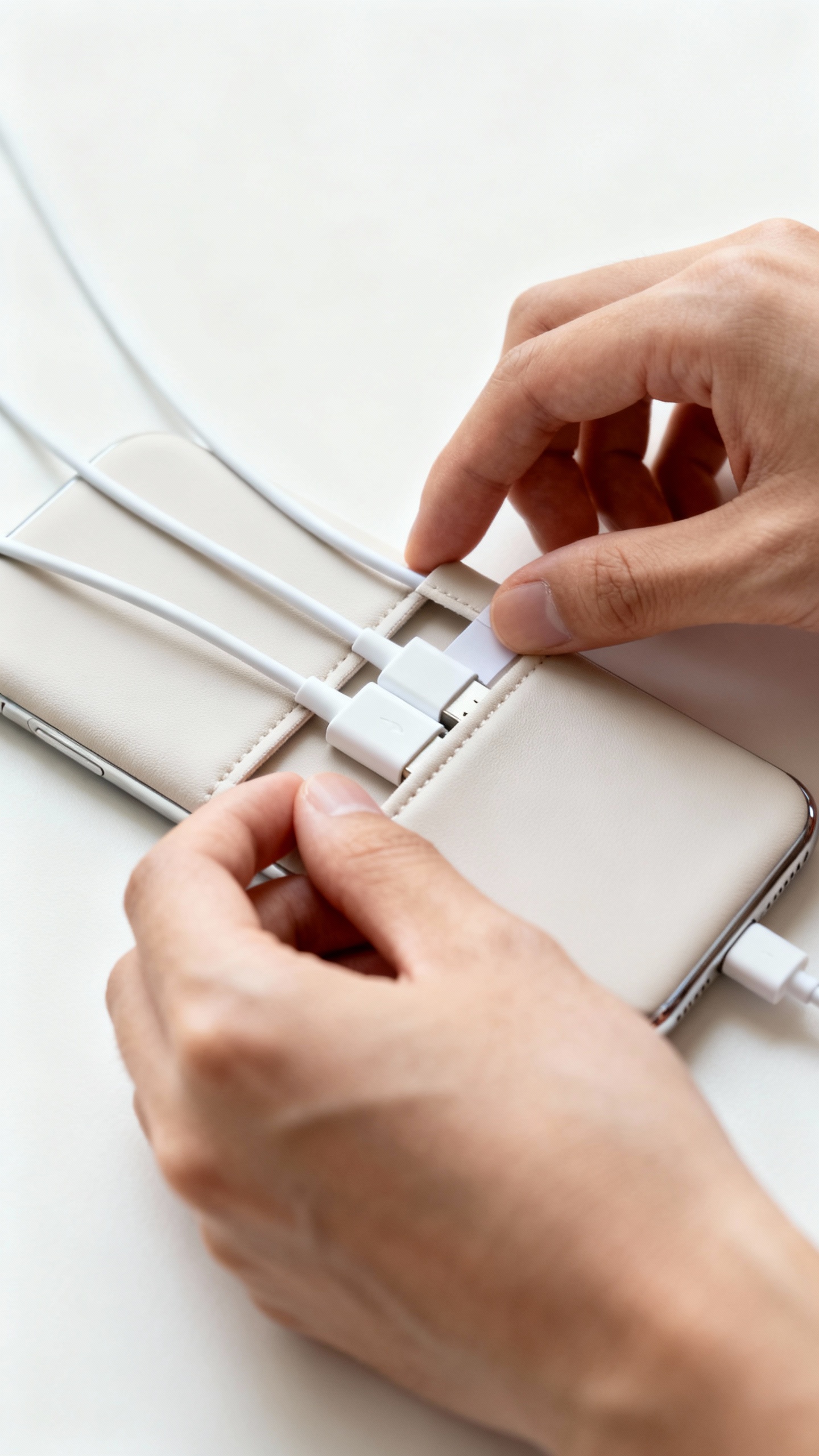
- Hide cords and chargers: Use cord covers and cable boxes. Tape down loose wires.
- Block off rooms: Baby gates are your new decor. Use them liberally.
- Secure trash and pantry: Step-lid cans, latched cabinets, no accessible chocolate or xylitol products.
- Contain houseplants: Many are toxic.
Move questionable ones out of reach or rehome them, IMO.
- Pick up small items: Socks, hair ties, Legos, earbuds. They’re all “snacks” in puppy world.
Create a Safe Puppy Zone
Set up one central spot with:
- Crate: Big enough for standing and turning, with a divider for growth.
- Playpen: Attach to the crate. Toss in chew toys and a comfy bed.
- Easy-clean flooring: Put a mat or vinyl sheet under the play area.
Accidents happen. A lot.
Stock Your Puppy Toolkit
Let’s shop smart, not just cute. You only need a few things to start strong.
- Crate + divider (wire or plastic)
- Flat collar with ID tag and a well-fitted harness (front-clip helps with pulling)
- 4–6 ft leash (start with nylon)
- Food and water bowls (stainless steel wins)
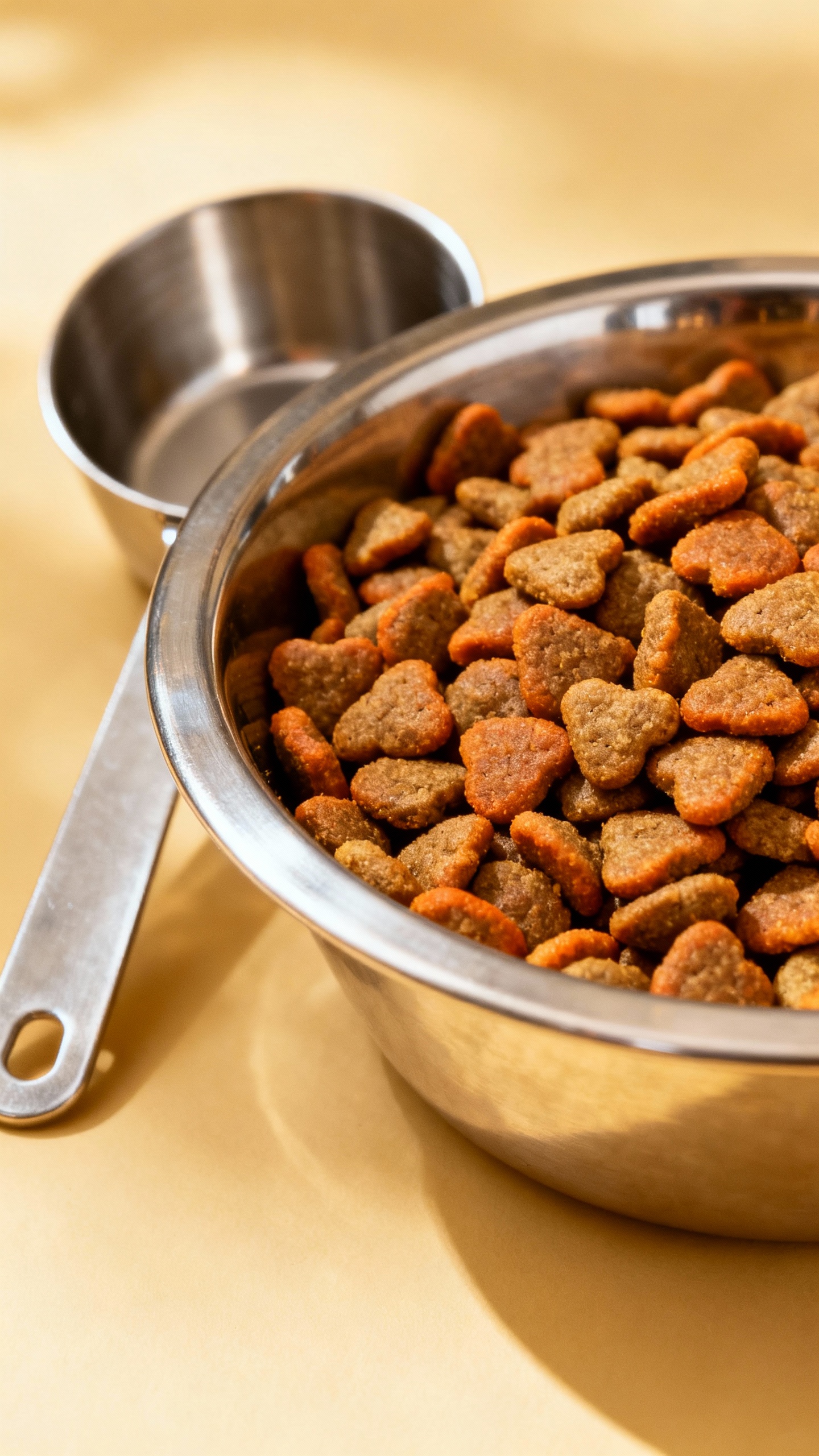
- Puppy food formulated for large breeds
- Training treats (soft, pea-sized, high value)
- Chews and toys: rubber chew toys, plush with supervision, food puzzles
- Puppy shampoo, brush, nail clippers (a slicker brush works well for Goldens)
- Enzymatic cleaner for potty mishaps
- Poop bags (lots)
Food FYI
Golden Retrievers grow fast. Use a large-breed puppy formula to support joints and steady growth.
If switching brands, mix the new food over 7–10 days to avoid tummy drama.
Set Your Routine Before Day One
Consistency makes puppies feel safe. It also keeps you from living on chaos mode 24/7.
- Potty schedule: First thing in the morning, after eating, after naps, after play, and every 1–2 hours early on.
- Crate schedule: Short, calm crate sessions with treats. Keep it positive, never punishment.
- Feeding schedule: 3 meals a day until about 6 months, then shift to 2 meals.
- Sleep plan: Puppies sleep a lot.
Protect nap times. Overtired puppies act like drunk toddlers with teeth.
Night One Game Plan
You’ll feel tempted to wing it. Don’t.
Try this:
- Play and potty before bed.
- Crate near your bed so your pup hears you.
- Set an alarm for a midnight potty break the first few nights.
- Keep night trips boring: out, pee, back to bed. No party vibes.

Potty Training Without Tears
Think “management + timing + praise.” It works. Every time your puppy goes outside, you’re building the habit you want.
- Pick a potty spot: Take your puppy to the same area.
Add a cue like “go potty.”
- Reward immediately: Treats within two seconds. Throw a tiny parade.
- Supervise or confine: If you can’t watch, use the crate or pen. Freedom comes later.
- Accidents happen: Clean with an enzymatic cleaner.
Skip scolding. It confuses them.
How Long Can They Hold It?
Rule of thumb: months old = hours they can hold it (up to 4–5 hours). Nighttime stretches run a bit longer, but don’t push it early on.
Train the Basics Early (And Make It Fun)
Goldens learn fast, and they love to please.
Use that to your advantage with short, upbeat sessions.
- Name recognition: Say the name, reward for eye contact.
- Sit, down, come: Start at home, 2–3 minute sessions, 3–5 times daily.
- Leash manners: Reward a loose leash. Change direction if they pull. Patience beats biceps.
- Bite inhibition: Yip “ow,” pause play, offer a chew toy instead.
- Place and settle: Teach your pup to chill on a mat.
Your future self will cry happy tears at cafés.
Crate Love, Not Crate Guilt
Make the crate awesome: feed meals there, toss treats in randomly, add a safe chew. Start with the door open, then close it for short periods while you sit nearby. Build duration gradually.
FYI: whining happens. If you know they don’t need to potty, wait for a quiet beat before letting them out.
Socialization: The Golden Secret Sauce
From 8–16 weeks, your puppy’s brain soaks up the world like a sponge. You want positive, low-pressure exposure to people, places, sounds, and surfaces.
- People: Different ages, hats, glasses, wheelchairs — all with treats and calm vibes.
- Dogs: Vaccinated, friendly dogs only.
Skip dog parks early on.
- Environments: Vets, groomers, car rides, parks, hardware stores (in a cart).
- No flooding: If your pup looks overwhelmed, back off. Small wins beat big scares.
Vaccines and Safety
Until your vet clears you, avoid high-risk areas like dog parks or mystery lawns. Carry your pup in crowded spots.
Socialize smart, not reckless, IMO.
Health, Grooming, and the Fluff Factor
Goldens bring the shed. You won’t stop it — you’ll manage it.
- Vet setup: Book the first check-up within a few days. Discuss vaccines, deworming, flea/tick, and spay/neuter timing.
- Grooming routine: Brush 2–3 times a week with a slicker and comb.
Keep sessions short and treat-heavy.
- Baths: Every 4–8 weeks or when muddy. Use puppy shampoo.
- Ears and nails: Goldens get gunky ears. Check weekly.
Trim nails every 1–2 weeks.
- Teeth: Start with a finger brush. Aim for 2–3 times a week minimum.
Exercise Reality Check
Puppies don’t need marathon walks. Use the “5 minutes per month of age” rule for structured walks, once or twice a day.
Focus on play, training, sniffing, and short adventures. Protect those growing joints.
Build Your Support Squad
You don’t need to do this alone. Line up help now so you aren’t scrambling later.
- Puppy class: Positive reinforcement only.
Great for social skills and your training consistency.
- Vet and groomer: Choose calm, fear-free pros. Do happy visits for treats and cuddles.
- Dog walker or sitter: For busy days or travel. Goldens hate boredom; your shoes will confirm.
- Insurance: Consider pet insurance early for better coverage.
Golden medical bills can get spicy.
FAQ
How much should I feed my Golden Retriever puppy?
Follow your food’s feeding guide for weight and age, then adjust based on body condition. You should feel ribs with light pressure but not see them. Split meals into three feedings and check in with your vet during growth spurts.
When can I start training?
Immediately.
Keep sessions super short and fun — think 2–3 minutes, several times a day. Reinforce calm, reward good choices, and end on a win. Puppies love to “work” when rewards flow.
What’s normal puppy behavior vs. a problem?
Chewing, zoomies, and mouthing are normal.
Persistent fearfulness, guarding food or toys, or nonstop GI issues deserve professional help. Early intervention changes the game.
Do Golden Retrievers shed a lot?
Oh yes. Expect seasonal blowouts and steady fluff year-round.
Brush often, vacuum more, and invest in lint rollers like you’re buying stock.
How much exercise do they need?
Plenty of play and brain work, plus short walks. Avoid high-impact jumps or long runs until growth plates close (around 12–18 months). Tired brain beats overworked joints.
Should I crate my puppy while I’m at work?
Crates help, but don’t leave a young puppy crated for long stretches.
Arrange midday breaks or a sitter. Use a playpen with a potty area if you’ll be gone longer than they can hold it.
Conclusion
Bringing home a Golden Retriever puppy means joy, fur, and a few chewed corners. Prep your space, plan your routine, and train with kindness.
Do that, and you’ll raise a confident, goofy best friend who thinks you hung the moon. Which, let’s be real, you basically did.
Leave a Reply