
German Shepherd puppies don’t come with an instruction manual… but they do come with boundless energy, big brains, and paws far too large for their bodies. If you’re raising them from birth, you’re playing the long game: smart training, solid health care, and tons of love. Let’s skip the fluff and get straight into building confident, healthy shepherds who grow into rock-star adults.
From Whelping Box to Wagging Tails: The First Two Weeks
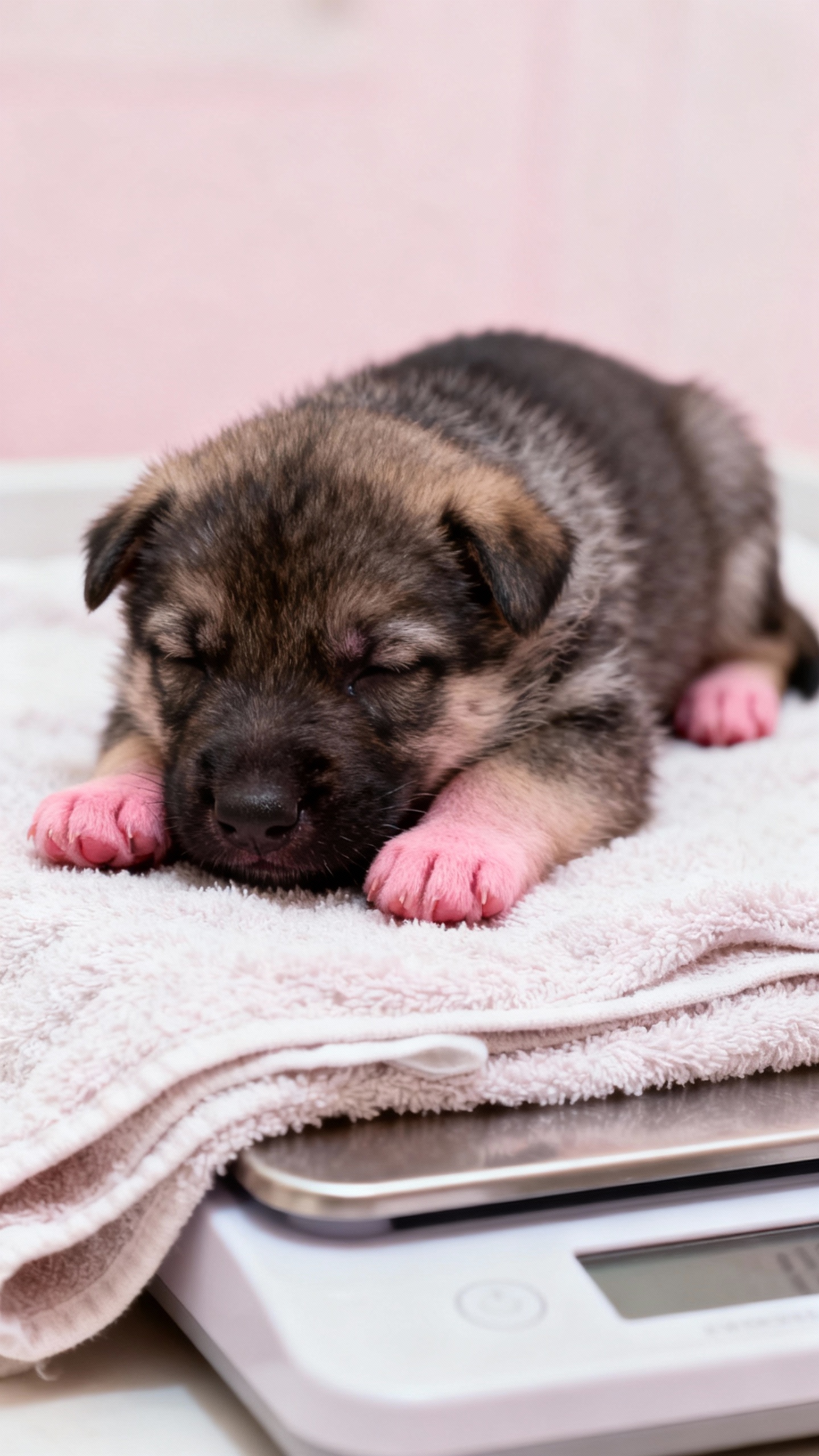
Newborns do three things: sleep, nurse, and squeak.
Your job? Keep them warm, fed, and safe while mom handles the heavy lifting.
- Temperature matters: Keep the whelping area at 85–90°F (29–32°C) for the first week, then gradually lower to 80°F (27°C). Cold pups don’t eat well and can crash quickly.
- Weight is your truth serum: Weigh daily.
Each pup should gain steadily—about 5–10% of body weight per day. If not, step in with supplemental feeding.
- Mom’s health equals pups’ health: Make sure she eats high-quality, calorie-dense food. Fresh water 24/7.
Clean bedding. Calm space.
When to Call the Vet
If a puppy cries nonstop, feels cool, loses weight, or has pale gums, call your vet. Same for mom if she stops eating, runs a fever, or has foul-smelling discharge.
FYI: paranoia saves puppies.
Weeks 2–4: Eyes Open, World Open
This is the “wiggly potatoes” stage. Eyes and ears open, and they start toddling like tiny drunk bears.
- Early handling: Start gentle daily handling. Touch paws, ears, tail, belly.
Keep sessions short and sweet.
- Introduce mild sounds: Low-volume household noises—TV, soft music, gentle clatters—build resilience.
- Start deworming: Most breeders begin at 2 weeks and repeat every 2 weeks until 8 weeks. Your vet will guide dosing.
Early Neurological Stimulation (ENS)
From days 3–16, do brief ENS exercises: gentle tactile and positional activities for seconds at a time. Studies suggest improved stress tolerance later.
Don’t overdo it; think “micro-doses,” not boot camp.
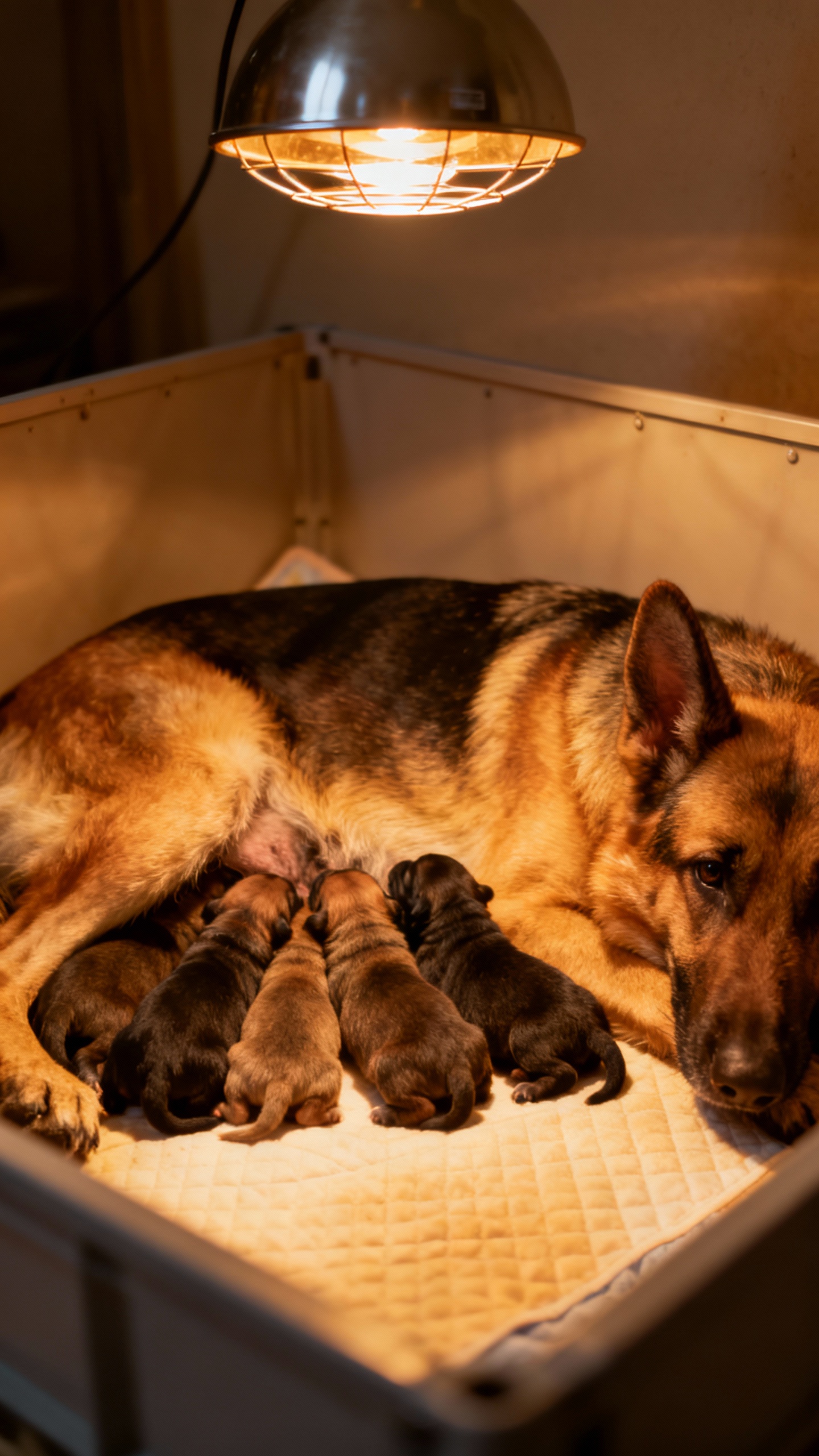
Weeks 4–8: Weaning, Brains, and Boundaries
Now the fun begins. Personalities pop, teeth erupt, and the wrestle-mania starts.
- Weaning: Start with a slurry of high-quality puppy food and warm water or puppy formula at 3.5–4 weeks. Gradually reduce liquid over two weeks.
- Litter training zone: Create a separate potty area with pellets or pads.
Puppies learn fast when surfaces differ for sleep vs. potty.
- Vaccinations: First core vaccines usually at 6–8 weeks. Keep them on schedule, and don’t skip vet checks.
- Social rules: Let them play and yelp. That yelp teaches bite inhibition.
Step in only if things escalate.
Building Confident Explorers
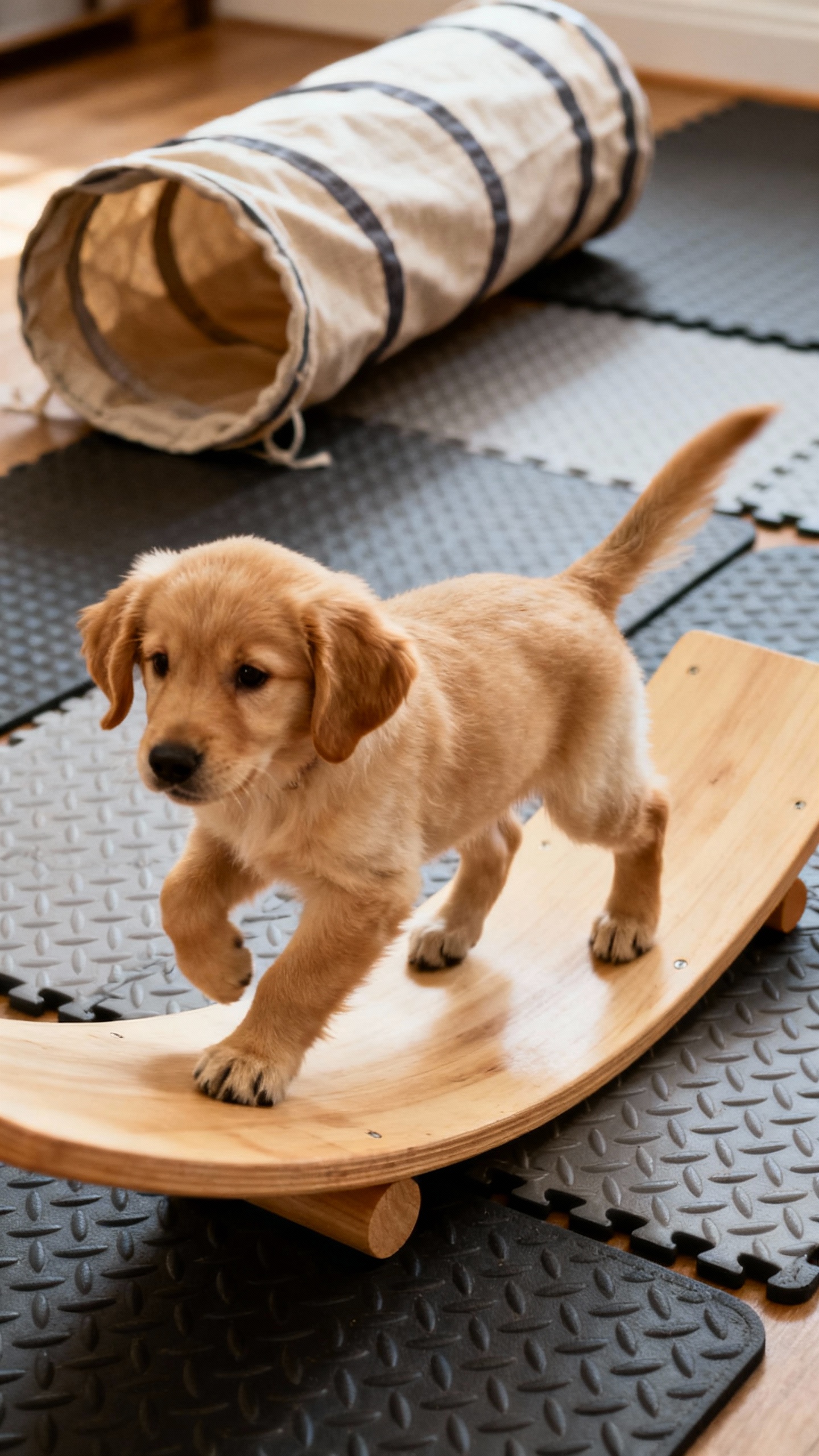
Rotate safe objects daily: crinkly bags, wobbly boards, shallow tunnels. Reward curiosity. Confidence now = fewer behavior issues later, IMO.
Nutrition That Fuels Growth (Without Overdoing It)
German Shepherds grow fast, and joints pay the price if you push growth too hard.
- Choose a large-breed puppy formula: The calcium/phosphorus balance matters for joint development.
- Measured meals: Feed 3–4 times a day until 12 weeks, then 3 meals until 6 months, then 2 meals.
- Body condition, not the bag: You want a visible waist and ribs you can feel, not see.
Adjust portions accordingly.
- Supplements: Skip random joint supplements unless your vet recommends them. Quality food covers most bases.
Common Tummy Troubles
Shepherd puppies can get sensitive guts. Change foods slowly over 7–10 days.
If diarrhea lasts more than a day or includes lethargy or blood, call your vet. Hydration first, always.
Training Starts Yesterday
Yes, you can train babies. Make it fun.
Keep it short. Celebrate the tiny wins.
- Name recognition: Say name, reward glance. That’s the foundation for everything.
- Luring basics: Use treats to guide sit, down, stand, and a baby recall.
Two-minute sessions, multiple times a day.
- Crate love: Feed meals in the crate, toss treats inside, and keep doors open at first. The crate is a den, not a jail.
- Bite inhibition: When teeth hit skin, yelp lightly, pause play, offer a toy. Repeat.
Your fingers will thank you.
Leash and Collar 101
Start with a light collar at 6–7 weeks for short periods. Introduce a lightweight leash indoors. Reward for following and checking in.
Don’t drag them; you’re raising a partner, not towing a sled.
Socialization: The Golden Window
There’s a magic window (roughly 3–14 weeks) where puppies soak up the world like little sponges. Use it wisely and safely.
- People variety: Different ages, sizes, hats, beards, wheelchairs—controlled and positive only.
- Surfaces and environments: Grass, gravel, rubber mats, stairs, car rides. Keep sessions short and upbeat.
- Dog interactions: Vaccinated, friendly adult dogs and known healthy puppies.
Avoid dog parks until fully vaccinated.
- Handling practice: Mock vet checks—open mouth, touch ears, lift paws. Treat and praise every time.
Red Flags During Socialization
Freezing, cowering, or tucked tails mean you went too fast. Create distance, lower intensity, and reward calm curiosity.
Confidence grows when puppies choose to explore, not when we shove them forward. FYI: flooded puppies don’t become brave; they just shut down.
Health, Grooming, and All That Fluff
German Shepherds come with double coats and opinions. Start routines early so they tolerate care like champs.
- Brushing: A few minutes several times a week.
Use a slicker or undercoat rake when they blow coat later.
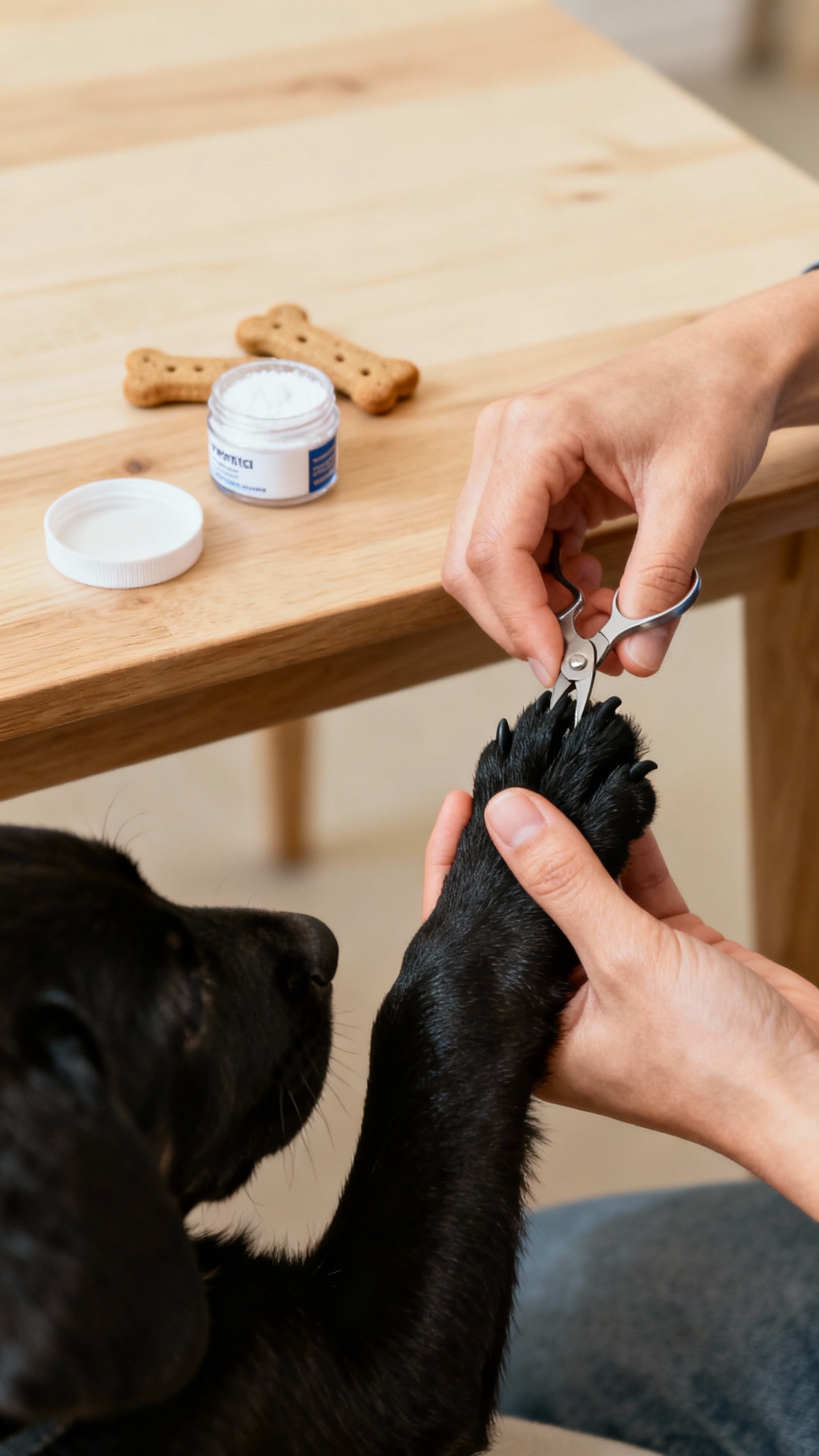
- Nails: Trim weekly. Tiny snips, lots of treats. If you hit the quick, dab styptic and move on.
It happens.
- Ears and teeth: Wipe ears with vet-approved cleaner as needed. Introduce a finger toothbrush and puppy-safe paste.
- Parasite control: Keep up with deworming schedules and flea/tick prevention per your vet’s advice.
Growth and Orthopedic Care
Protect those hips and elbows. Avoid repetitive high-impact exercise—no forced running, no jumping off furniture.
Play on grass, not slick floors. If you must do stairs, go slow and support them. Joint health is a long game, IMO.
Mind Games for a Working Brain
Shepherds crave jobs.
No job? They invent one. Spoiler: you won’t like their ideas.
- Puzzle feeders: Ditch the bowl a few times a week.
Scatter feed, snuffle mats, or simple puzzle toys.
- Foundations for future work: Teach nose-targets, place commands, and impulse control (wait, leave it).
- Micro-adventures: Safe field trips to pet-friendly stores or calm parks. New sights = mental workouts.
FAQ
When should I start training my German Shepherd puppy?
Immediately. Training at this stage looks like name recognition, luring simple positions, handling practice, and baby recalls.
Keep it fun, two minutes at a time, several times a day. Consistency beats marathon sessions every time.
How much should a German Shepherd puppy eat?
Follow your large-breed puppy food guidelines as a starting point, then adjust for a visible waist and easy-to-feel ribs. Split meals into 3–4 feedings for young pups.
Growth spurts happen, so reassess weekly and weigh regularly.
When can my puppy meet other dogs?
After the first vaccine, introduce only safe, vaccinated dogs you know well. Skip public dog parks until your vet completes the vaccine series. Quality over quantity—one calm adult dog teaches more than ten chaotic puppies.
My puppy bites everything.
Normal?
Yes. Teething plus curiosity equals chomp city. Redirect to toys, use short time-outs from play when teeth hit skin, and provide textured chews.
Consistency and calm reactions work better than scolding.
What exercise is safe for a young German Shepherd?
Think structured play and sniffy walks, not jogging partners. Use the “five-minute rule” per month of age for formal walks, and prioritize free play on soft ground. Avoid repetitive jumping or stair sprints to protect growing joints.
Do German Shepherds need professional training?
Not mandatory, but a reputable puppy class helps socialize and teach you handling skills.
Choose positive reinforcement trainers who understand large working breeds. You’re training yourself as much as the pup—no shame in getting help.
Conclusion
Raising German Shepherd puppies from birth means balancing brains, brawn, and boundaries. Keep sessions short, make socialization positive, and protect those growing joints.
Feed smart, practice daily, and laugh at the chaos—because it’s temporary, and the bond you’re building lasts for life. Keep it consistent and compassionate, and you’ll end up with the loyal, confident partner you dreamed about.
Leave a Reply