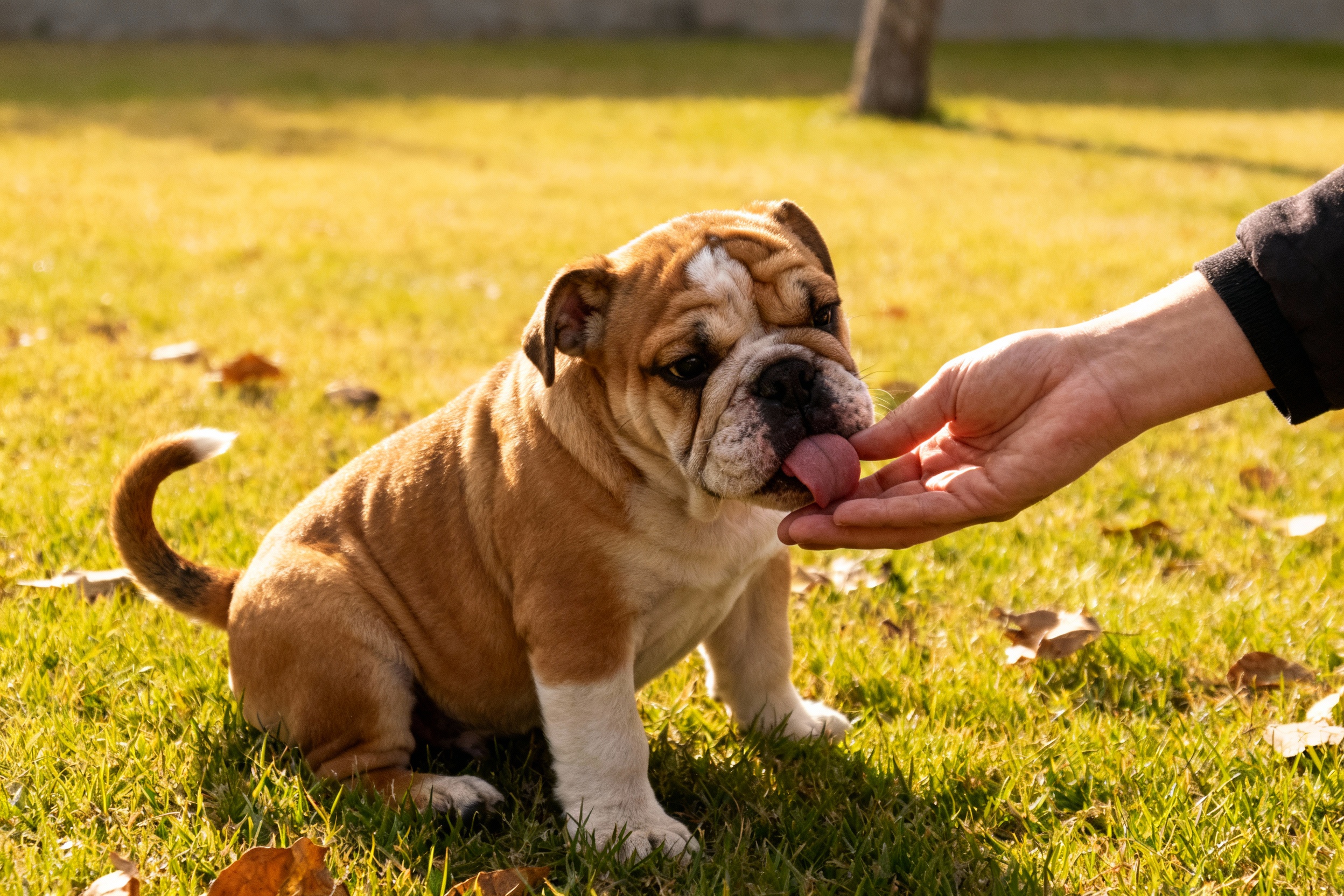
Your bulldog puppy has the charm of a potato with legs and the confidence of a tiny tank. Adorable? Absolutely.
Social butterfly by default? Not so much. If you want your squishy-faced sidekick to handle crowds, dogs, and everyday chaos without melting down, you need a plan.
Let’s make socialization simple, fun, and bulldog-proof.
Know Your Bulldog: Social, But Selective
Bulldogs love people, but they can feel unsure in new situations. They also read the room slower than some breeds, which means you must keep introductions calm and controlled. You’re basically their hype person and translator. Goal: create positive experiences with a variety of sights, sounds, surfaces, people, and animals before 16 weeks.
That early window matters. After that, you still can socialize them, but you’ll move slower.
Health First: Set Up Safe Socialization
Your vet gets the first say. Until your pup finishes core vaccines, you want controlled environments—not dog parks.
- Vet-approved schedule: Ask what’s safe at each vaccine stage.
- Pick clean places: Friends’ yards, indoor pet stores (carried if needed), and puppy classes that check vaccination records.
- Skip high-risk zones: Dog parks, sidewalks with heavy dog traffic, and any place with unknown dogs until cleared.
Gear That Helps (and Why)
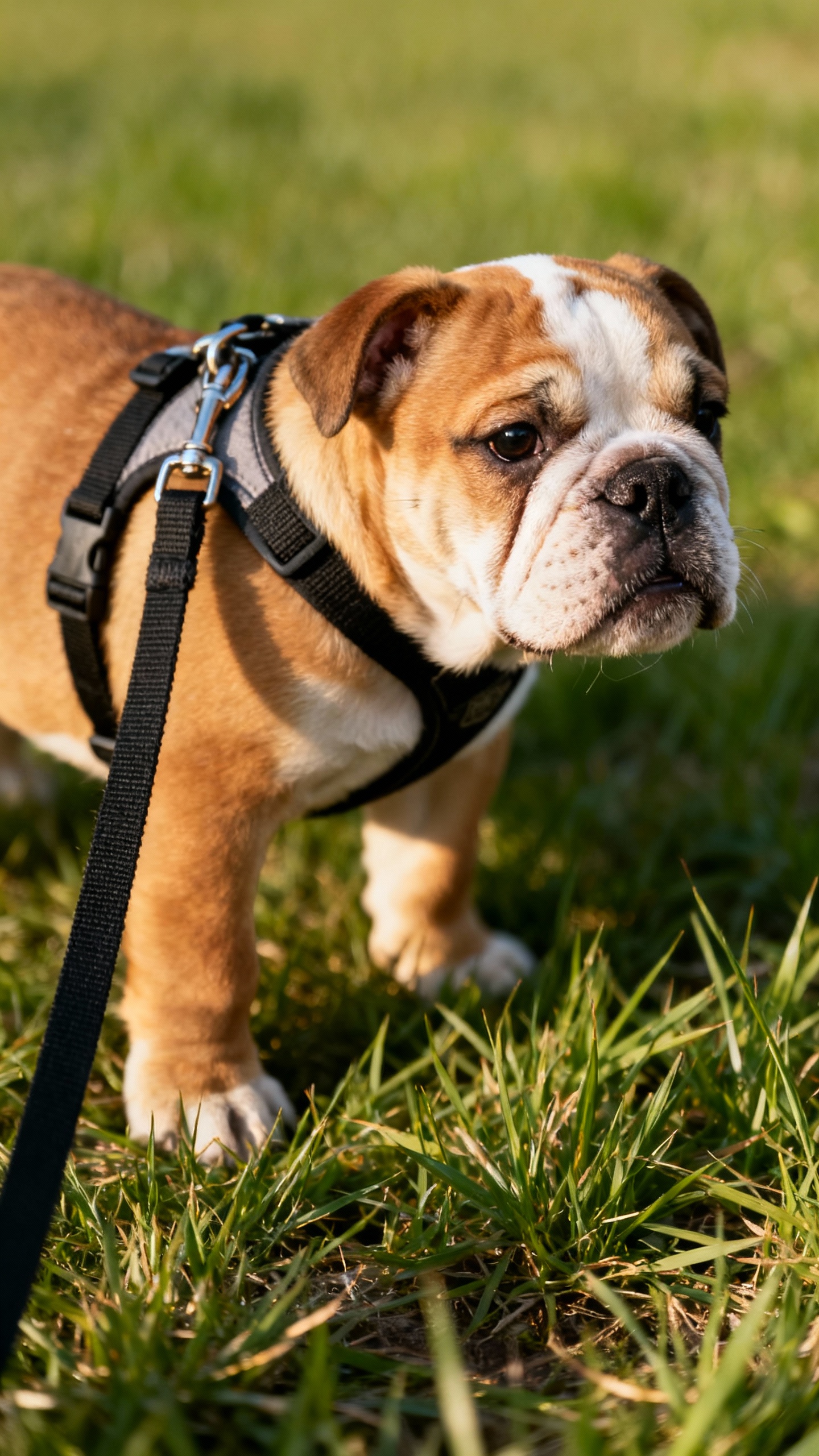
- Harness and 4–6 ft leash: Bulldogs have stout necks—protect the airway and keep control.
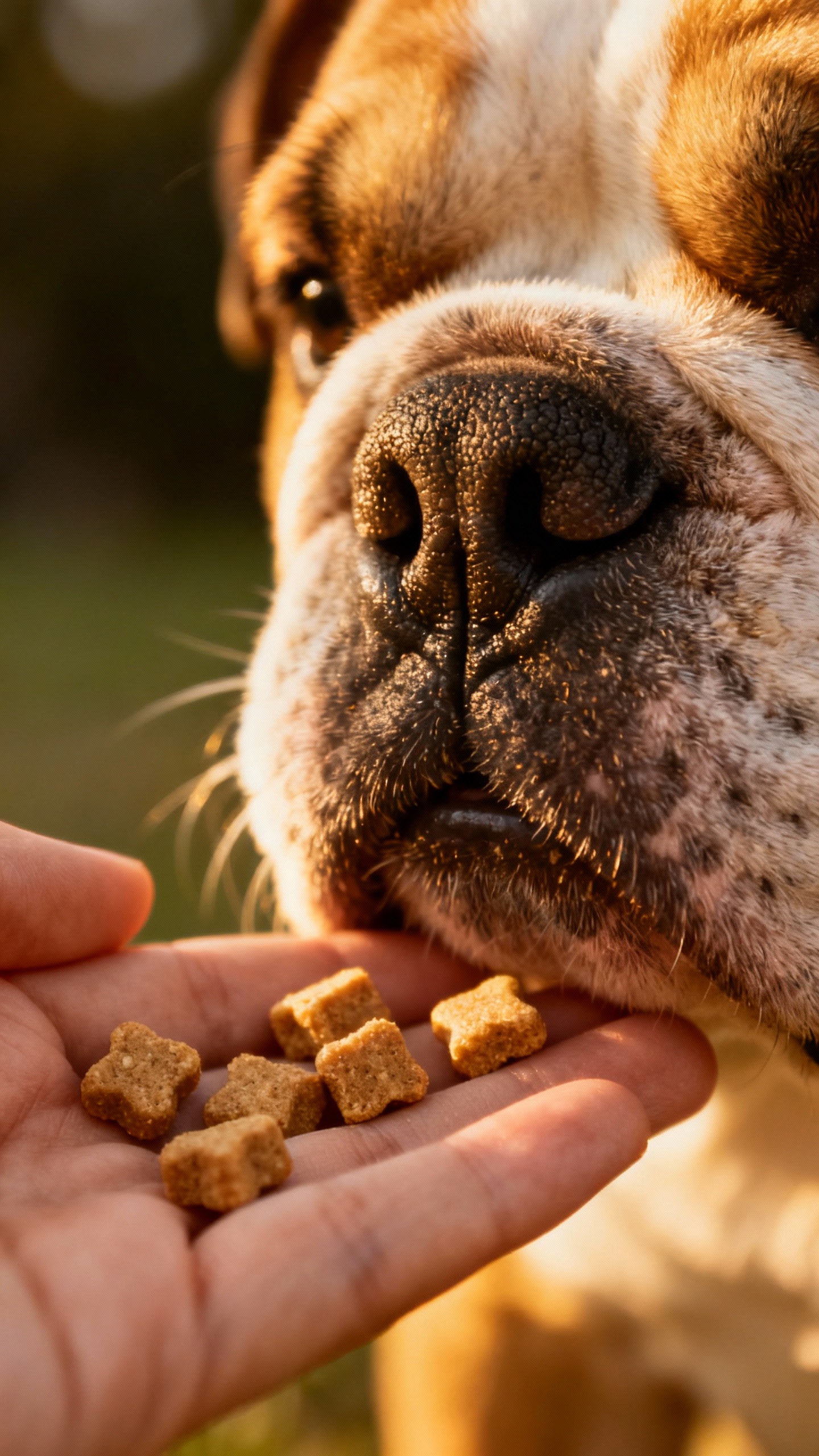
- High-value treats: Soft, smelly, tiny.
Think training confetti.
- Mat or towel: A “home base” on the go helps them settle anywhere.
The Socialization Blueprint: People, Places, Things
We’re aiming for variety without chaos. Think “100 tiny wins,” not one giant field trip.
The People Portfolio
Introduce your puppy to a rotating cast:
- People types: Kids (supervised), adults, seniors, people with hats, helmets, beards, sunglasses, crutches, wheelchairs.
- How to do it: Ask people to ignore the pup at first. Let your puppy choose contact.
Reward curiosity with treats and praise.
Places and Surfaces
Let them experience the world under their paws:
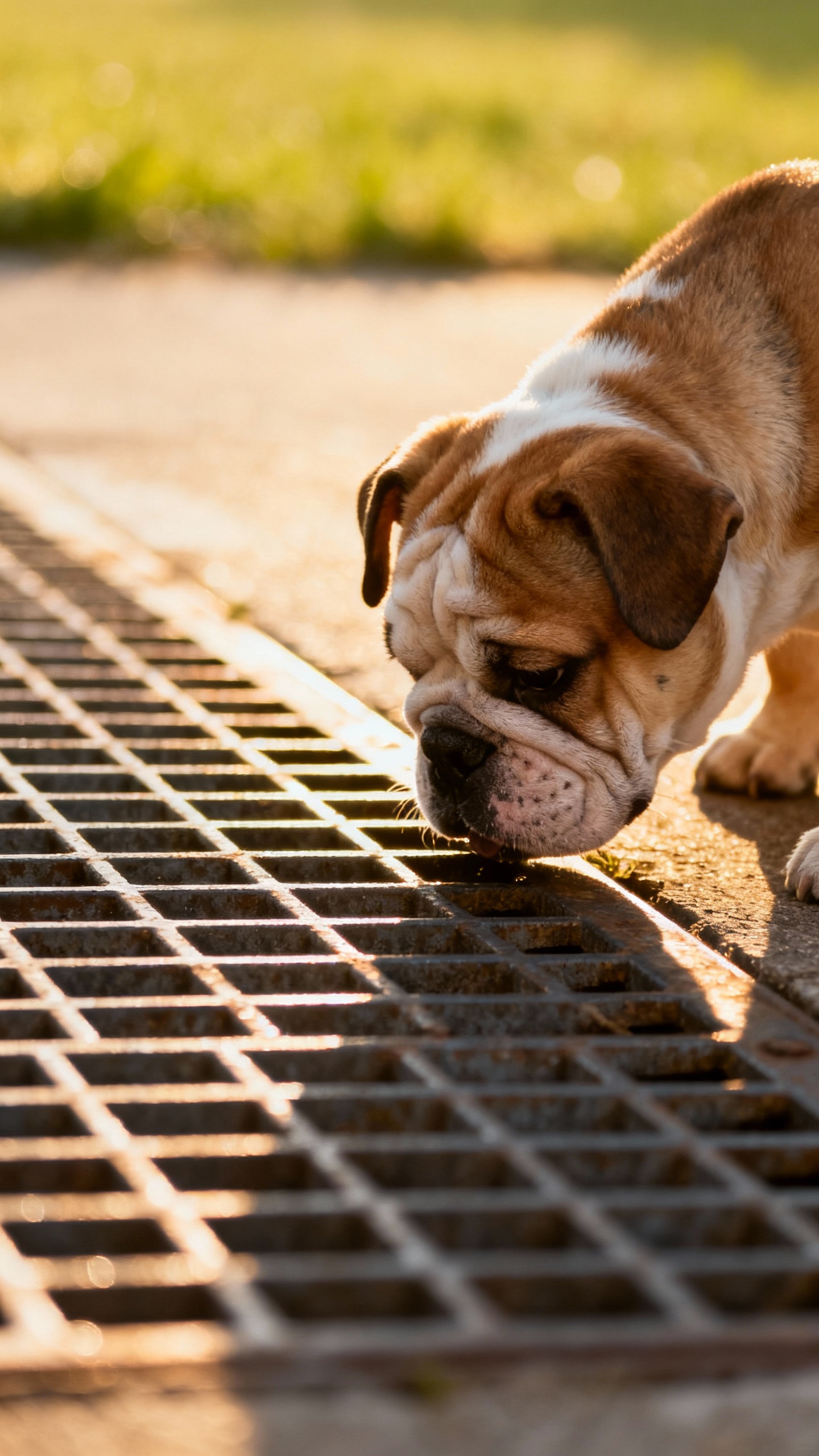
- Surfaces: Tile, wood, carpet, rubber mats, gravel, grass, metal grates (if they’re comfy), stairs (slow and supported).
- Settings: Parking lots (carried), outdoor cafes at quiet hours, elevators, lobbies, calm pet-friendly stores.
Everyday Sounds
Bulldogs can act unbothered… until a blender attacks. Pair sounds with rewards:
- Doorbells, hairdryers, vacuum, traffic, kids playing, sirens, skateboards.
- Start at low volume or distance. Treat for looking at the sound calmly.
Build up gradually.
Dog-to-Dog Introductions: Quality Over Quantity
Not every dog deserves your puppy’s time. You want calm, fully vaccinated role models.
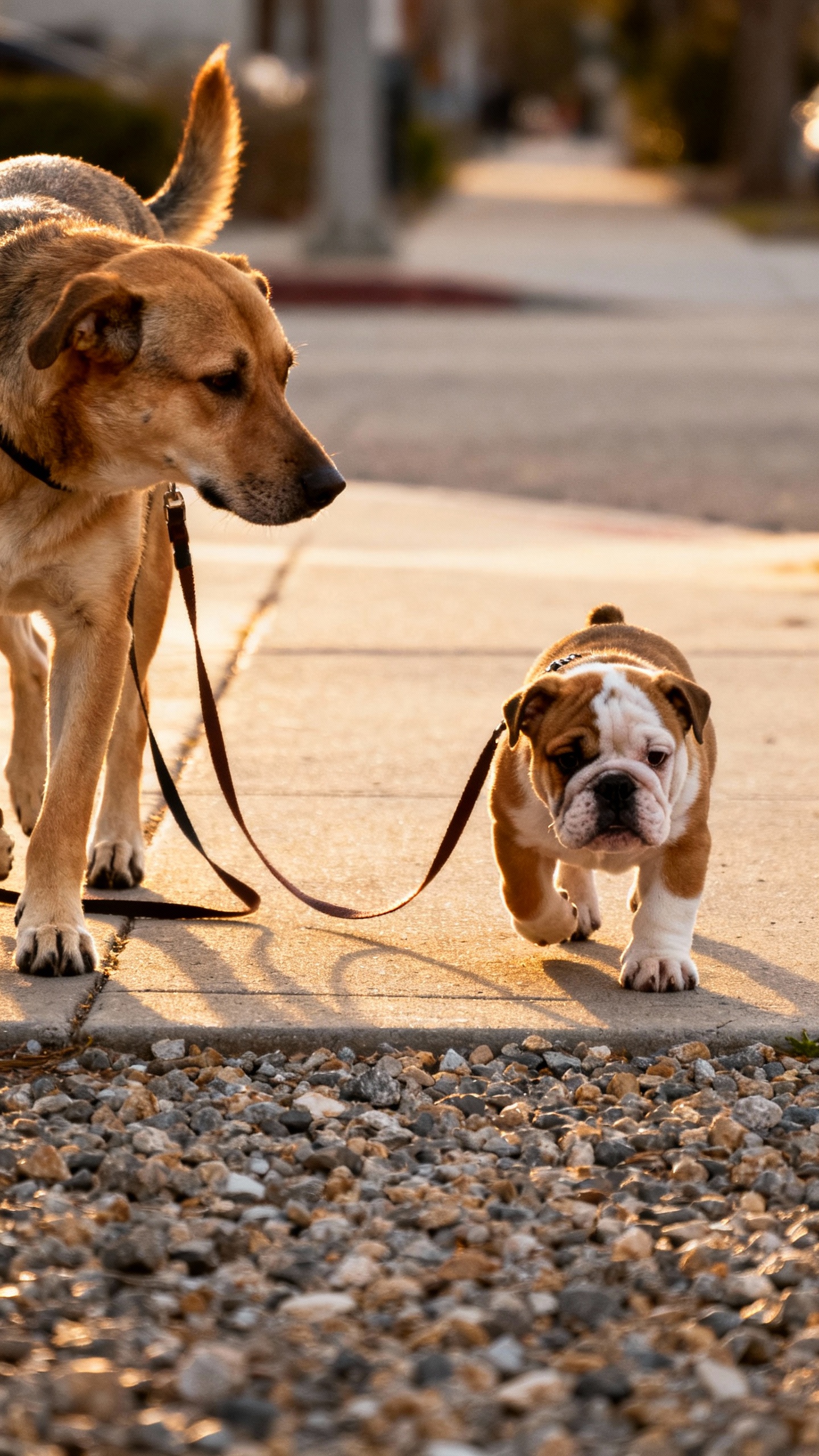
- Start with one dog in a neutral space. Parallel walk first. Keep leashes loose.
- Watch body language: Soft eyes, wiggly body, curved approach = green light.
Stiff, still, or hiding = break time.
- Short sessions, frequent breaks. One to five minutes is plenty. End on a good note.
Red Flags (Abort the Playdate)
- Puppy pancaking (flattening to the ground) and not recovering
- Hard staring or bulldozing from the other dog
- Relentless chasing without role reversals
IMO: A calm adult dog that plays gently teaches better manners than a dozen hyped-up puppies.
Build Confidence With Easy Wins
Confidence grows through tiny challenges your puppy can crush.
- Obstacle laps at home: Walk over a broomstick, under a chair, onto a low step, onto a mat. Treat each success.
- Handling practice: Touch paws, ears, tail, lips.
Treat for staying relaxed. Your vet and groomer will adore you.
- Settle on a mat: Reward your pup for lying on their mat in different places. This is your portable “off switch.”
The 3-Second Rule
Let your puppy greet a person or dog for three seconds, then call them back for a treat.
Release to greet again if both parties feel good. This prevents overstimulation and teaches recall in real life. FYI: It’s magic.
Timing, Temperament, and Bulldog Quirks
Bulldogs tire faster, overheat quicker, and pretend they’re fine until they’re not.
Keep sessions short.
- Session length: 5–10 minutes, 2–4 times a day.
- Heat caution: Avoid midday sun. Bring water. Watch for panting and a darkened tongue.
- Energy checks: If your puppy zooms and nips, they’re probably overtired.
Nap time beats more stimulation.
Reading Your Pup
- Relaxed: Loose body, soft face, sniffing around, curious.
- Unsure: Lip licking, yawning, turning away, tucked tail. Create space; reward with distance.
- Over it: Melting to the floor, ignoring food, barking nonstop. End the session.
Try again later.
Training You Should Pair With Socialization
Strong basics help your pup navigate the world confidently.
- Name recognition: Say their name once. Treat when they look.
- Come when called: Practice indoors first. Reward heavily.
- Leave it: Bulldogs love “forbidden snacks.” Save their gut and your wallet.
- Loose leash walking: Reward at your side.
Short bursts. Don’t drag; guide.
Puppy Class: Yes, Please
Look for:
- Small, structured classes with breaks
- Positive reinforcement methods only
- Instructors who help you read body language
Pro tip: If a class feels chaotic, it is. Walk away.
Common Mistakes (And Quick Fixes)
- Overexposure: Don’t flood your puppy with crowds and chaos.
Fix: Start small, add complexity gradually.
- Letting strangers grab your pup: Bulldog pups can shut down. Fix: Coach people to crouch, offer a hand, and wait.
- Forcing dog park socialization: Huge no for puppies. Fix: Invite one calm, known dog instead.
- Skipping rest: Overtired pups act “naughty.” Fix: Respect naps.
Lots of them.
- Ignoring breed needs: Heat and stairs can be tough. Fix: Keep it cool and go slow on inclines.
Sample One-Week Socialization Plan
Keep it flexible. Swap days as needed.
- Day 1: Meet one adult friend at home.
Handling practice. Short car ride with treats.
- Day 2: Walk on grass, gravel, and a rubber mat. Hear a vacuum from another room, treat for calm.
- Day 3: Parallel walk with a known, vaccinated dog.
Three-second greetings.
- Day 4: Visit a quiet cafe patio for five minutes. Mat settle. Leave early while it still feels easy.
- Day 5: Meet a person wearing a hat and sunglasses.
Practice “come” indoors with distractions.
- Day 6: Ride an elevator or walk by one. Hear traffic from a distance. Treat for looking.
- Day 7: Puppy class or a short visit to a pet-friendly store.
Keep it under 10 minutes.
FAQ
When should I start socializing my bulldog puppy?
Start as soon as your vet clears you for controlled settings—usually right after the first round of shots. You can begin at home immediately: handling, sounds, surfaces, and meeting healthy, vaccinated dogs you trust. The sweet spot runs up to about 16 weeks, but keep socializing after that too.
How do I socialize if my puppy seems scared?
Scale way back.
Increase distance, reduce intensity, and reward any calm glance toward the scary thing. Let your puppy lead the pace. If they recover quickly, keep going.
If not, that’s your sign to end the session and try a simpler version next time. No shame in slow and steady—FYI, it often sticks better.
Can bulldog puppies go to the dog park?
Not recommended. Dog parks can overwhelm puppies and expose them to rough play and disease.
Pick curated meetups with vaccinated, friendly dogs in a fenced yard or a quiet field. Your future adult bulldog will thank you.
What treats work best for socialization?
Use tiny, soft, smelly treats your puppy can swallow fast—think training bites, shredded chicken, or a bit of cheese. You want quick delivery, no crunching delays.
Bring more than you think you need. Then bring a little more, IMO.
How much daily socialization is enough?
Aim for 2–4 mini-sessions of 5–10 minutes each, plus normal life exposure (car rides, neighborhood sights). Keep it short, positive, and varied.
Tired bulldog = good. Overcooked bulldog = meltdown.
What if my bulldog puppy gets stubborn during outings?
Stubborn often means confused, tired, or hot. Offer a reset: water break, shade, a few easy cues for treats, or a ride home.
Don’t drag or argue. Bulldogs negotiate like lawyers—set them up to win instead.
Conclusion
Socializing your bulldog puppy isn’t about throwing them into the deep end—it’s about stacking small, awesome experiences until the world feels safe. Keep it short, sweet, and intentional.
Celebrate every tiny victory. Do that, and your potato-with-legs becomes a confident, happy companion who can roll with anything life throws their way. IMO, that’s the dream.
Leave a Reply