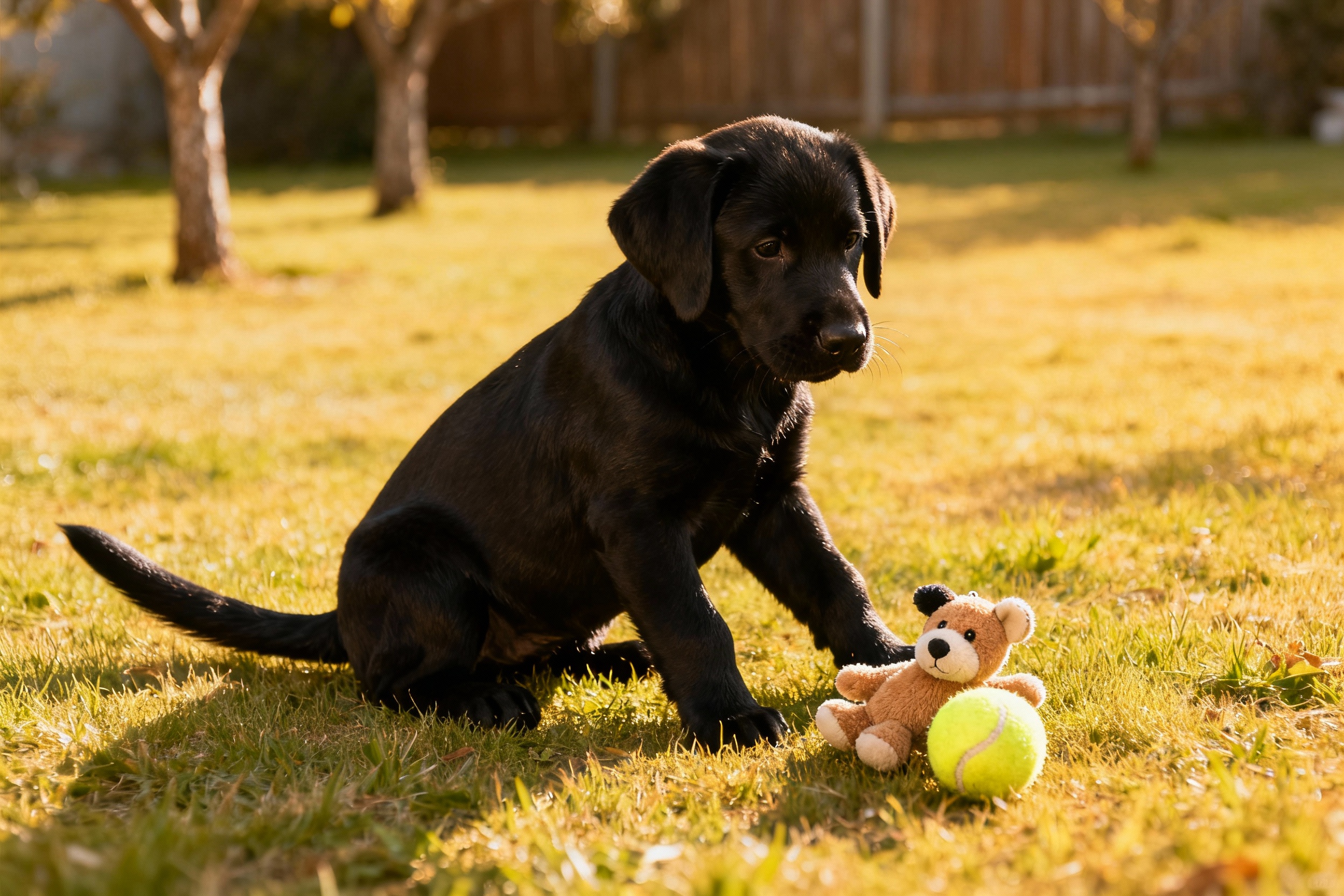
Your Labrador puppy didn’t arrive with a manual, but they did arrive with a zoomie button and a PhD in “Say Hi.” Socialization doesn’t mean flooding your pup with chaos—it means teaching them the world is safe, fun, and full of snacks. Start early, go slow, and you’ll raise a confident dog who can handle anything from skateboards to squeaky toddlers. Ready to turn your floppy-eared tornado into a social butterfly?
Why Socialization Matters (and Why Labs Need It)
Labradors love people.
They also love jumping on people, licking faces, and stealing socks. Good socialization builds impulse control and confidence, so your Lab learns to greet politely and keep their cool in new situations. Poor socialization can lead to fear, reactivity, or general chaos. Labs are friendly by default, but enthusiasm without manners gets messy. Socialization teaches calm curiosity instead of hyperdrive.
Start Early, But Be Smart About It
You don’t need to wait until all vaccines are complete to start.
You just need to socialize safely. Focus on controlled environments first.
- Invite friends over for gentle, calm handling and treats.
- Carry your puppy in public places if the ground feels sketchy (busy sidewalks, pet stores).
- Enroll in a reputable puppy class with vaccination requirements and small groups.
- Use sound playlists (thunder, fireworks, doorbells) at low volumes during play and meals.
Vaccines vs. Socialization: The Balance
FYI, the risk of behavior problems from zero socialization often outweighs the infection risk when you choose clean, controlled settings. Skip dog parks for now, but don’t skip life experiences.
The “50 Things in 50 Days” Challenge
Make a game out of it.
Aim to introduce your Lab to one new thing daily, in a positive, low-pressure way. Think variety, not intensity.
People Variety
Expose your pup to different looks and movements:
- Hats, sunglasses, beards, wheelchairs, crutches
- Kids moving fast and slow, adults with big coats
- Soft-voiced people and loud, hearty laughers
Ask people to ignore the puppy at first so your Lab learns to approach calmly instead of cannonballing into every human.
Environment Variety
New surfaces and spaces build confidence:
- Grass, gravel, tile, metal grates
- Stairs, elevators, automatic doors
- Car rides to quiet parking lots and drive-throughs
Keep sessions short, around 5–10 minutes. Leave while your puppy still feels comfortable.
Always end with a treat or play.
Animal Encounters
Not every dog wants a Lab greeting committee. Choose calm, friendly adult dogs with good manners. Parallel walk first (10–15 feet apart), then let the dogs approach if both look relaxed.
Make Every New Thing a Good Thing
Pair new experiences with food, toys, or play. You’re building associations—“Oh look, a skateboard!
That means chicken appears.”
- Use high-value treats (tiny bits of chicken, cheese, or soft training treats).
- Feed while the thing happens (noise plays, person approaches, car passes).
- Stop before your puppy gets overwhelmed. Think quality over quantity.
Body Language: Your Early Warning System
Watch for subtle stress signals:
- Lip licking, yawning, tucked tail, pinned ears
- Freezing or moving away
If you spot these, add distance, lower intensity, and try again with more treats. Your goal: relaxed body, soft eyes, wagging tail, curiosity.
Teach Manners in Real Life (Not Just in the Kitchen)
You’ll use social settings to train.
Labs learn fast, but they also forget fast when the world gets exciting. Build habits where they matter.
The “Sit to Say Hi” Rule
No sit, no greet. Every single time.
Ask for a sit before anyone pets your puppy. If your Lab jumps, the greeting ends. When they sit again, the fun resumes. Consistency turns manners into muscle memory.
Leash Skills in Busy Places
Practice loose-leash walking near distractions:
- Start 20–30 feet away from people/dogs.
- Reward heavily when your puppy looks at you.
- Gradually close the distance as they stay calm.
IMO, a front-clip harness helps set you both up for success while you teach the basics.
Handling, Grooming, and Vet-Ready Confidence
Let’s avoid “the vet is a horror movie” storyline. Normalize gentle handling now so exams and grooming feel routine.
- Touch ears, paws, tail, belly for 1–2 seconds, treat, release.
Repeat.
- Open the mouth, look at teeth, treat.
- Hold the collar briefly, treat. Practice putting on and taking off harnesses.
- Fake vet routine: lift lips, check paws, stethoscope sounds from YouTube, treat after each step.
Nail Trim Prep
Break it into tiny steps:
- Show the clippers or grinder, treat.
- Touch the paw with the tool, treat.
- Tap nail with tool (no trimming), treat.
- Trim one nail, party like you won the lottery.
Short sessions. Quit while your puppy still thinks this game is awesome.
Common Mistakes (And How to Dodge Them)
We all mess up.
The trick is to catch it early.
- Overwhelming the puppy: Crowded events, off-leash free-for-alls. Solution: fewer dogs, more space, shorter visits.
- Rewarding chaos: If jumping earns attention, expect more jumping. Solution: attention only for calm behavior.
- Inconsistency: Sometimes allowed on the couch, sometimes not?
Dogs don’t do “sometimes.” Pick rules and stick to them.
- Waiting too long: The prime socialization window runs roughly up to 12–16 weeks. Start now, not “after next month.”
Build a Weekly Socialization Routine
Make it simple and repeatable. Here’s a sample week:
- Mon: Short car ride + walk on different surface.
Practice sit to greet one new person.
- Tue: Sound exposure at home (thunder playlist) during playtime.
- Wed: Puppy class or controlled meet-up with a friendly adult dog.
- Thu: Visit a quiet café patio. Reward calm while people pass.
- Fri: Handling practice (paws, ears, teeth). One nail if you’re both chill.
- Sat: Farmer’s market loop at a distance.
No petting unless puppy sits.
- Sun: Rest day. Sniff walk, puzzle toys, extra naps. Socialization includes recovery.
FAQs
What age should I start socializing my Lab puppy?
Start as soon as your puppy comes home, often 8–10 weeks.
Keep it safe and controlled until vaccines finish. You don’t need chaos—you need calm exposure, treats, and short sessions. Early wins build lifelong confidence.
How much is too much socialization in one day?
If your puppy starts zoning out, getting mouthy, or showing stress signals, you’ve hit the limit.
Aim for multiple short exposures (5–10 minutes) rather than marathon outings. End on a positive note and let them nap—rest cements learning.
What if my puppy seems scared of something?
Back up, reduce intensity, and feed treats while the “scary thing” stays at a comfortable distance. Don’t force interactions.
Let curiosity grow at your puppy’s pace. IMO, patience now prevents fear later.
Can I socialize a puppy without meeting tons of dogs?
Absolutely. Socialization isn’t just “meet dogs.” It’s learning about sounds, surfaces, handling, vehicles, people types, and environments.
Quality, neutral experiences beat a dozen chaotic dog park greetings every time.
How do I stop my Lab from jumping on people?
Teach “sit to say hi.” Ask for a sit before anyone greets your pup. If they jump, the greeting stops. When they sit again, praise and treat.
Get friends on board so your puppy hears one message from everyone.
Do I need a trainer?
You don’t need one, but a good puppy class helps a ton. Look for small class sizes, positive reinforcement methods, and clear structure. FYI, a trainer also helps you spot subtle stress and adjust faster.
Conclusion
Socializing a Labrador puppy doesn’t mean throwing them into chaos—it means stacking tiny wins.
Keep sessions short, fun, and full of rewards. Expose your pup to the world at their pace, teach manners as you go, and laugh off the goofy moments. Do that, and you’ll end up with the dream: a friendly Lab who handles life like a pro.
Leave a Reply