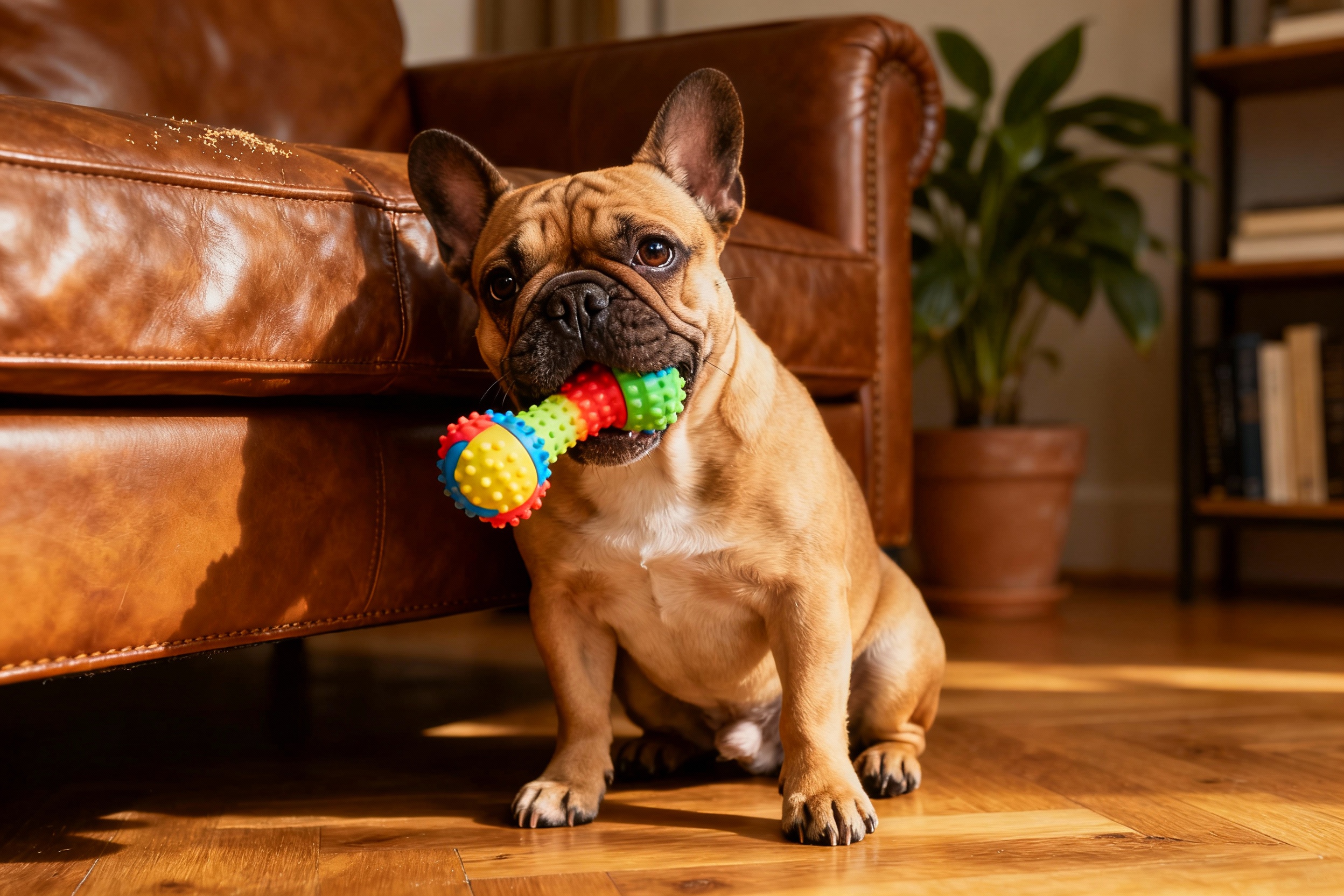
Your Frenchie puppy didn’t wake up and choose chaos—they’re teething, curious, and your furniture happens to taste like forbidden joy. Good news: you can stop the gnaw-fest without turning your living room into a plastic-chew graveyard. With the right mix of training, redirection, and a few clever hacks, you’ll protect your couch and keep your pup happy.
Ready to outsmart those tiny shark teeth?
First, Know Your Enemy: Why Frenchie Puppies Chew

Chewing isn’t “bad behavior.” It’s normal. Puppies chew to explore the world, ease teething discomfort, and blow off steam. French Bulldogs?
They pack determination into a potato-shaped body. Chewing spikes at 3–6 months when teething hits. They’ll also chew more when bored or under-stimulated. So you don’t just fix chewing—you fix the reason behind it.
IMO, that mindset shift saves your sanity.
Set Up Your Home So Your Puppy Can’t Fail
You can’t supervise every second. So build a puppy-safe environment that says “yes” to chewing the right things and “nope” to your baseboards.
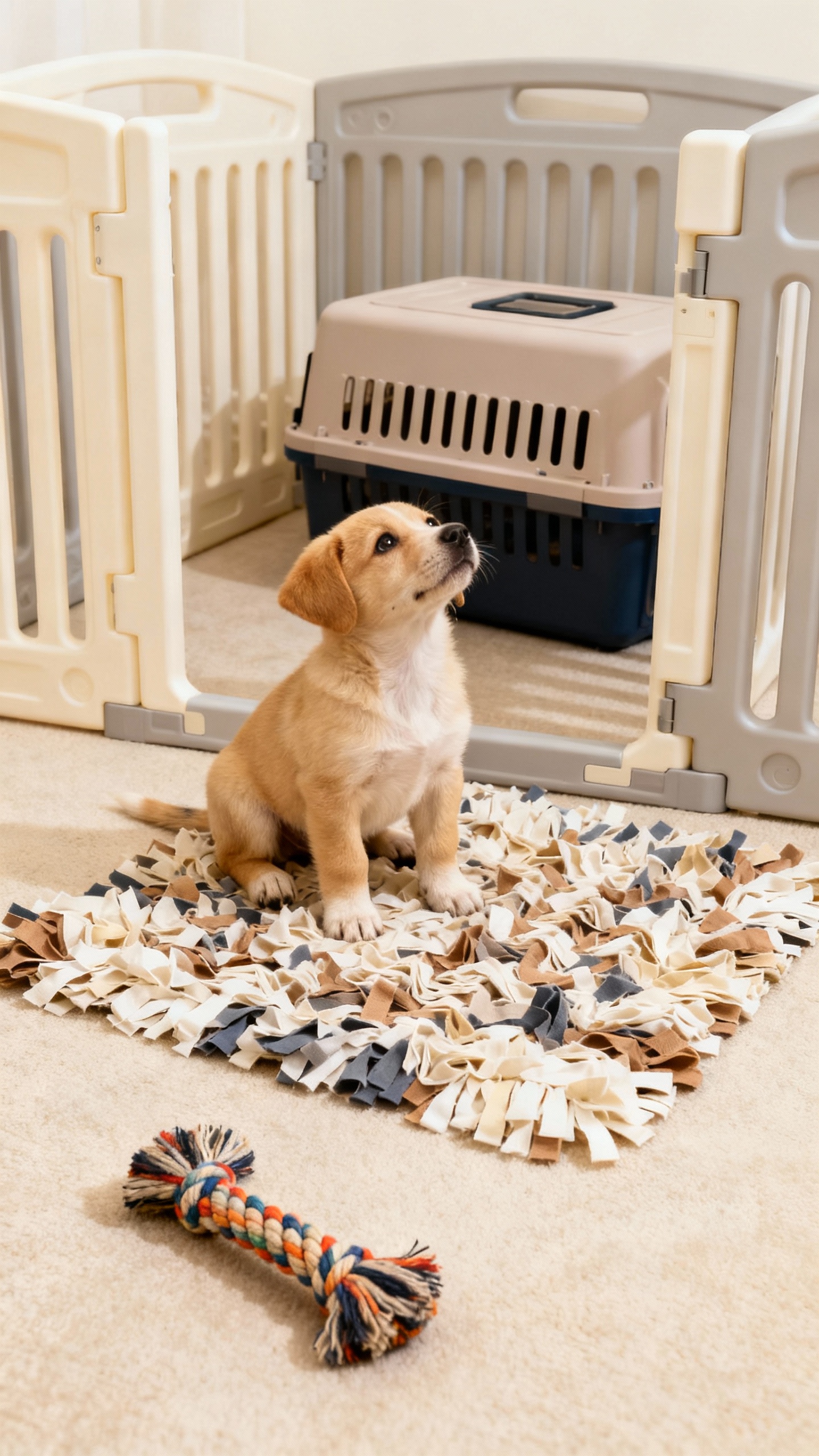
- Limit access with baby gates or playpens so your pup can’t roam and redecorate.
- Crate train for short periods. A comfy crate prevents unsupervised destruction and gives them a safe den.
- Hide temptation: shoes in closets, remotes in drawers, cords in covers or behind furniture.
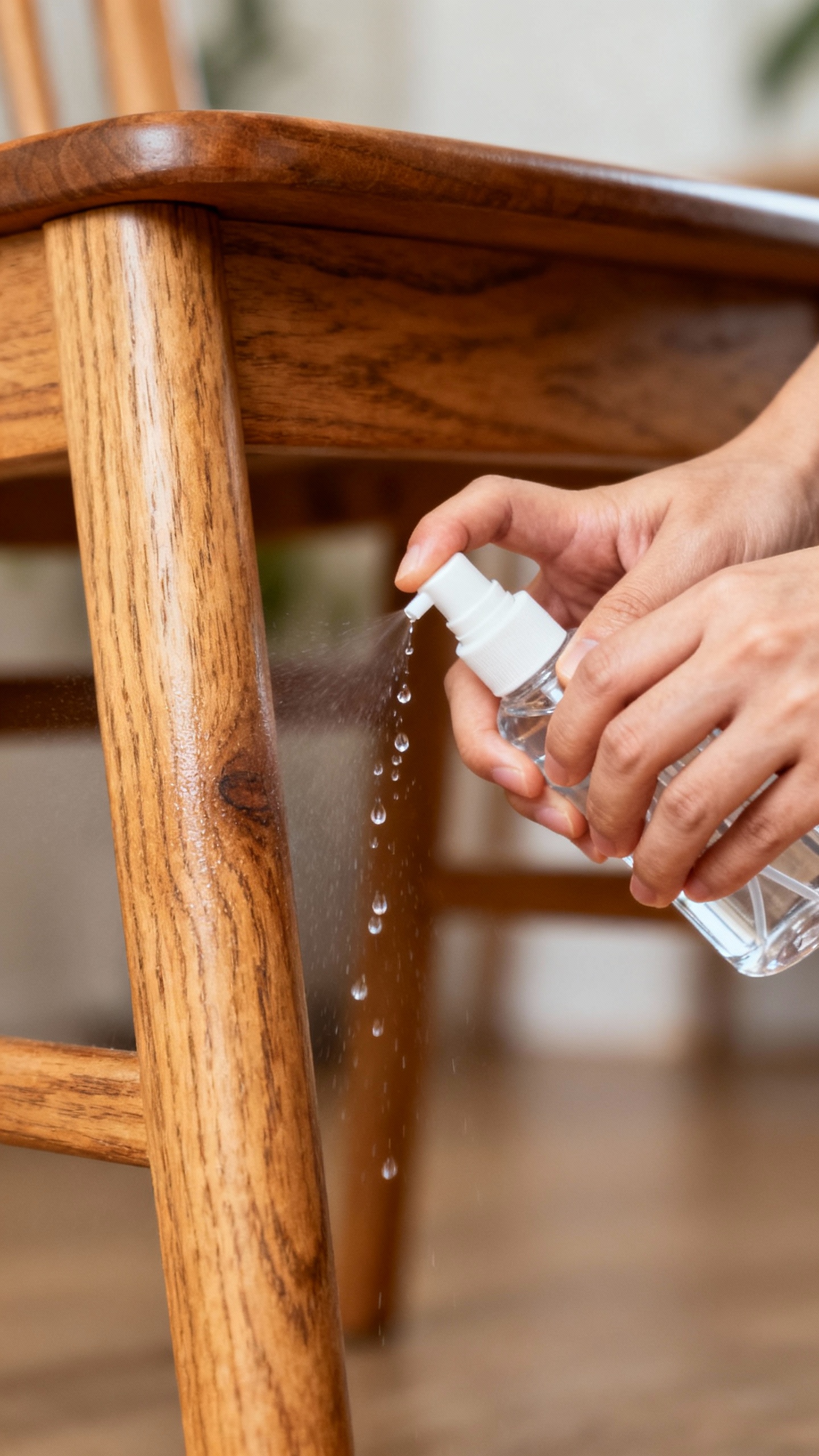
- Furniture defense: Double-sided tape or chew-deterrent sprays can protect hotspots like chair legs.
What to Put in Their Space
Stock the zone with approved chewables so your puppy never runs out of “legal” options.
- Soft puppy teething toys (freeze some for extra relief)
- Rubber toys like KONGs stuffed with kibble and a smear of peanut butter
- Rope toys for supervised tug sessions
- Textured chew sticks designed for puppies
Redirection: The Skill That Saves Sofas
Catching your pup mid-chomp?
Don’t scold. You’ll just add drama. Do this instead:
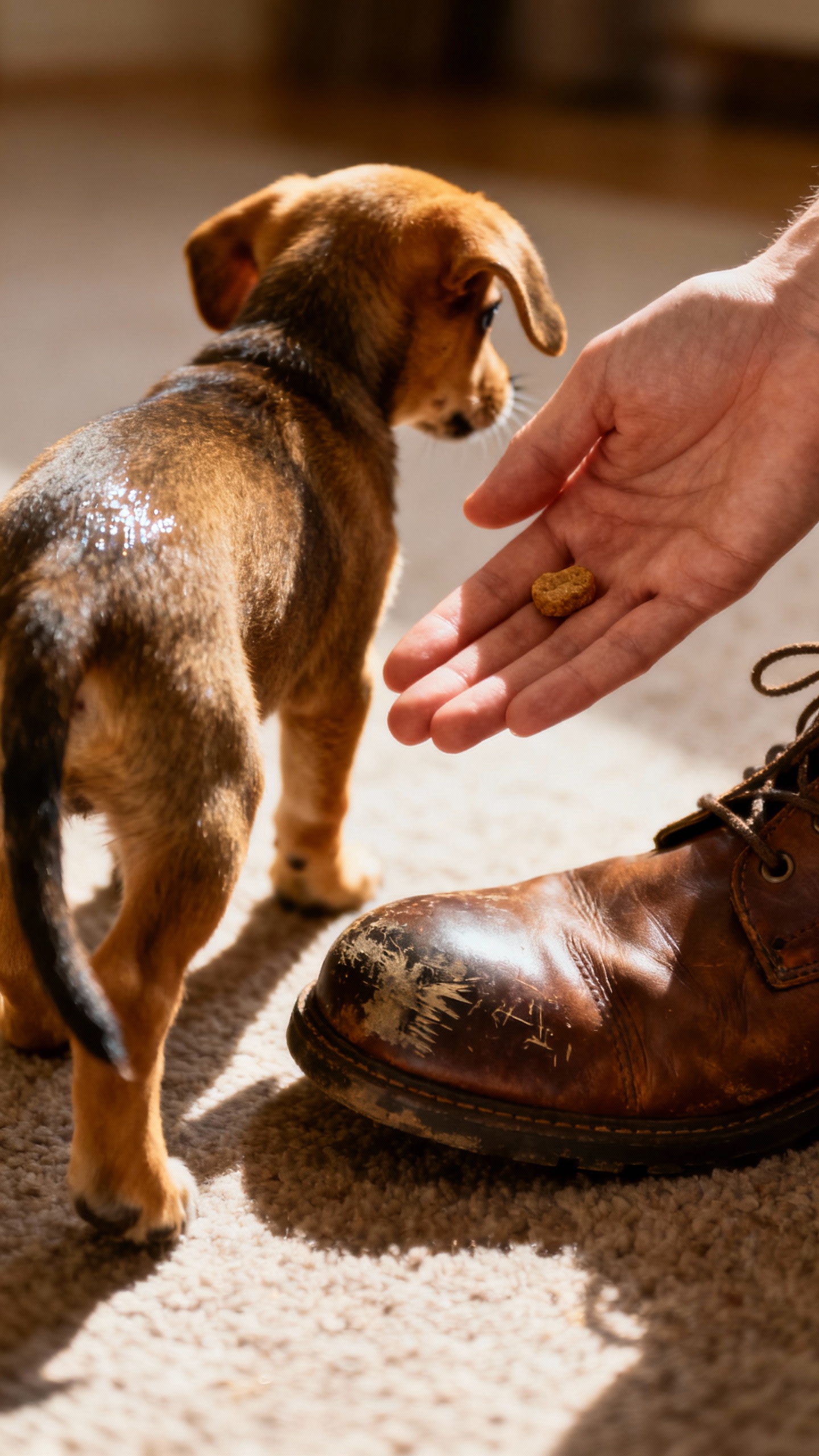
- Interrupt gently: say “Uh-uh” or “Eh-eh” in a calm, neutral tone.
- Offer the right chew immediately—something more exciting than the table leg.
- Praise the switch: “Yes!” then toss a small treat or give affection while they chew the correct item.
Repeat this a thousand times.
Not kidding. Consistency rewires habits. You’ll see fewer “oops” moments once your pup understands that chew toy = party, furniture = nope.
Teach a Solid “Leave It”
Train “leave it” using treats and repetition.
- Hold a treat in a closed fist.
Puppy sniffs? Wait it out.
- When they back off, say “Yes!” and reward from the other hand.
- Progress to placing the treat on the floor with your hand hovering, then uncovered.
FYI: Once your pup nails “leave it,” redirecting from furniture becomes 10x easier.
Outsmart Teething With the Right Chews
Not all chews fit Frenchie mouths. And some “hard as rock” options can crack puppy teeth—big yikes. Great options:
- Rubber toys (size-appropriate, with some give)
- Freezer toys or frozen washcloths for gum relief
- Puppy-safe dental chews (check size and age guidelines)
- KONGs stuffed with soaked kibble, mashed banana, or pumpkin
Avoid or supervise closely:
- Hard bones, antlers, or hooves (risk of fractures)
- Rawhide (choking and digestion risks)
- Anything that splinters or breaks into sharp pieces
Make Chews More Interesting Than Your Couch
Rotate toys weekly.
Add scent and texture variety. Smear a bit of wet food inside rubber toys. Freeze brothy ice cubes with treats inside for hot days.
Novelty keeps them focused on their stuff—not yours.
Burn Energy the Smart Way
A tired Frenchie chews less. But we need to consider their flat faces and heat sensitivity.
- Short, frequent play sessions: 5–10 minutes of tug, fetch, or flirt pole (gentle) beats one marathon session.
- Brain work: Puzzle toys, snuffle mats, and basic training drain mental energy fast.
- Training snacks: Practice sit, down, place, and leave it throughout the day.
Structured Routines Prevent Boredom
Set windows for play, training, naps, potty, and solo chew time. Puppies thrive on rhythm.
If your Frenchie knows what’s next, they chew less “just because.”
Use Deterrents (But Don’t Rely on Them)
Bitter sprays can help, but they’re not magic. Some pups treat them like a spicy condiment. If you use them:
- Test on a small, hidden furniture area first.
- Reapply often—most sprays wear off.
- Pair with redirection and training every time.
IMO, deterrents should supplement your plan, not run the show.
When It’s More Than Teething
If your puppy chews furniture like it’s a full-time job, you might face anxiety or understimulation.
- Separation anxiety: Chewing only when alone?
Consider crate training, gradual departures, and calming routines.
- Medical issues: Excessive drooling, bleeding gums, or refusal to eat? Call the vet.
- Zero impulse control: Work with a positive-reinforcement trainer for customized help.
Signs You’re Making Progress
- Fewer “caught in the act” moments
- Pup seeks out their chew toys without prompting
- They respond to “leave it” even when hyped
Common Mistakes to Avoid
- Scolding after the fact: Dogs don’t connect delayed scolding with past behavior.
- Leaving the room during free-roam: That’s an invitation to experiment.
- Too few chew options: Offer variety in texture, size, and flavor.
- Over-exercising: Frenchies overheat easily—use mental work to tire them out safely.
- Inconsistency: Everyone in the home must follow the same rules and commands.
FAQ
How long does the chewing phase last for French Bulldog puppies?
Most pups chew heavily from 3–6 months during teething. You’ll likely see improvements around 7–8 months, with occasional flare-ups until 12 months.
Keep training consistent, and it won’t feel eternal.
Is crate training necessary to stop furniture chewing?
Not mandatory, but super helpful. A properly introduced crate prevents unsupervised mistakes and gives your pup a calm place to settle. Think of it as seatbelts for your furniture.
What are the safest chews for Frenchie puppies?
Soft rubber toys, puppy dental sticks, and frozen KONGs work well.
Avoid super-hard items like antlers or cooked bones that can crack teeth. Always size up slightly so nothing becomes a choking hazard.
Do deterrent sprays really work?
Sometimes. Some puppies hate the taste; others shrug and keep chewing.
Use sprays as a backup while you train and redirect. Reapply regularly or they lose effect.
Why does my puppy chew more when I’m busy or on calls?
Because they’re smart. They learn that chewing gets your attention fast.
Preempt this with a stuffed KONG or puzzle toy before you hop on calls—beat them at their own game.
Should I give my puppy old socks or shoes to chew?
Nope. Puppies don’t know the difference between “old sock” and “your favorite sneaker.” Keep the category clear: only dog toys are chewable. Your wardrobe will thank you.
Wrapping It Up
You’ll stop furniture chewing with a combo of management, redirection, and smart energy outlets.
Keep chew toys plentiful, train “leave it,” supervise like a hawk, and set your puppy up to win. Stay consistent for a few weeks and you’ll see the switch flip. Your Frenchie gets relief, your furniture survives, and peace returns to the living room—IMO, that’s a win-win.
Leave a Reply