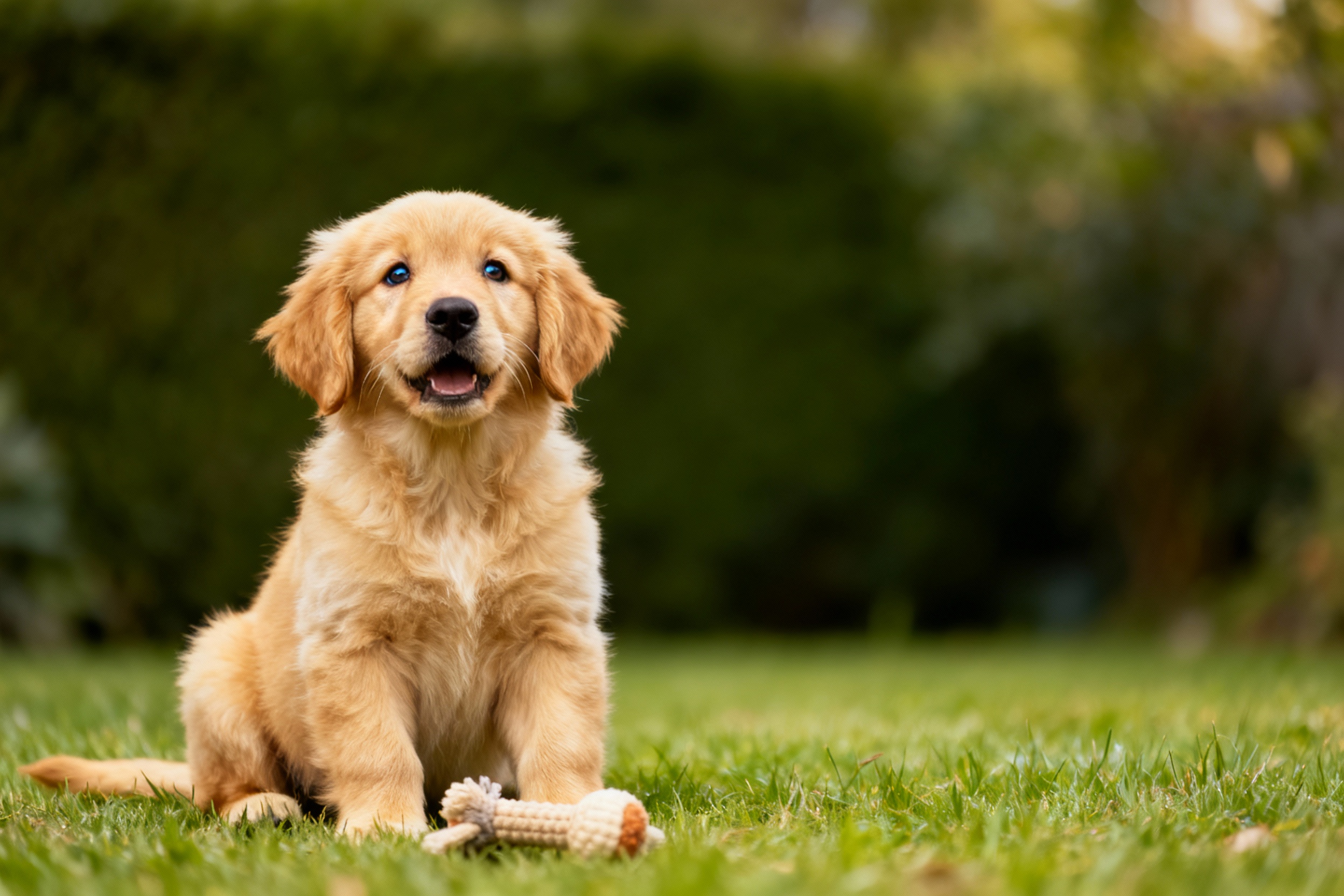
Your 3-month-old Golden Retriever is a furry tornado with big feelings, sharper puppy teeth, and the attention span of a goldfish. Good news: this is prime time to build habits that stick for life. You don’t need military precision—just consistency, patience, and treats you can find with your eyes closed.
Let’s turn that adorable chaos into a well-mannered best friend.
Know Your 3-Month-Old Golden: What’s Normal
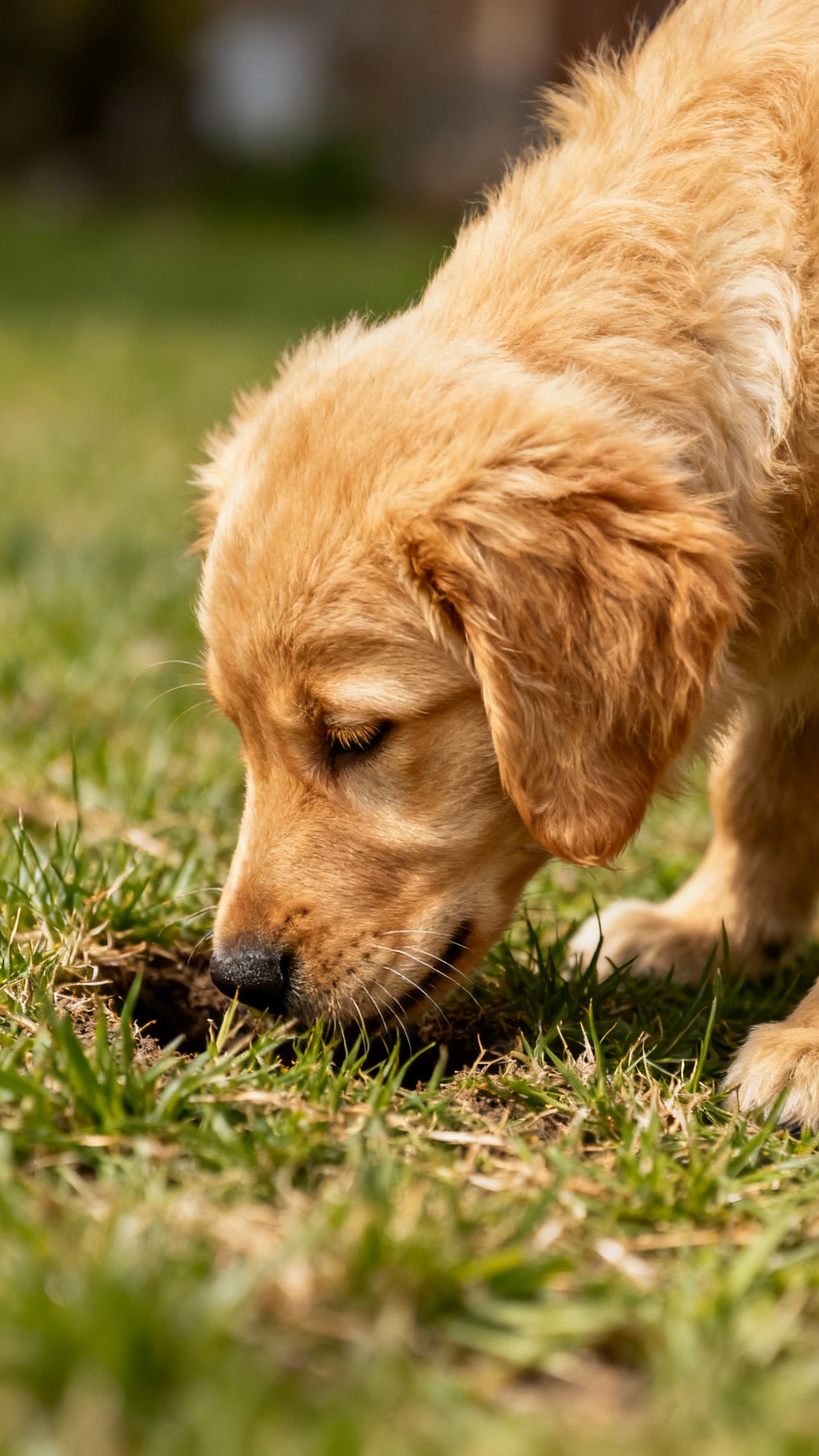
At three months, your Golden is a baby with legs. They explore with their mouth, sprint first and think later, and nap like they’re training for the Sleep Olympics. That’s normal. Energy comes in bursts. Expect zoomies followed by power naps.
Plan training in short, fun sessions. Curiosity rules everything. Use it. Make training a game, not a lecture. Chewing is inevitable. Redirect to safe chew toys. Your shoes are not “textured enrichment.” They’re shoes.
Set Up a Routine (Your Secret Weapon)
Routine makes training 10x easier.
Puppies love predictability almost as much as they love socks. Daily rhythm to aim for:
- Wake, potty, breakfast, a short training session
- Nap, potty, play
- Lunch (if you split meals), potty, training
- Nap, potty, light play
- Dinner, potty, cuddle time
- Final potty trip before bed
Keep sessions short. 3–5 minutes, 3–5 times a day. Tiny brains, tiny lessons. You’ll get more progress and fewer meltdowns.
Potty Training Without Tears (or Carpets)
You win potty training with boring consistency, not magic. Take your puppy out:
- First thing in the morning
- After meals and naps
- After play sessions
- Every 1–2 hours in between
Choose one potty spot. Same place, same cue word like “Go potty.” Then praise like they just solved world peace. Accidents happen. Clean with an enzymatic cleaner and move on.
No scolding. If you catch them mid-squat inside, calmly pick them up and take them outside.
Crate Training = Sanity Saver
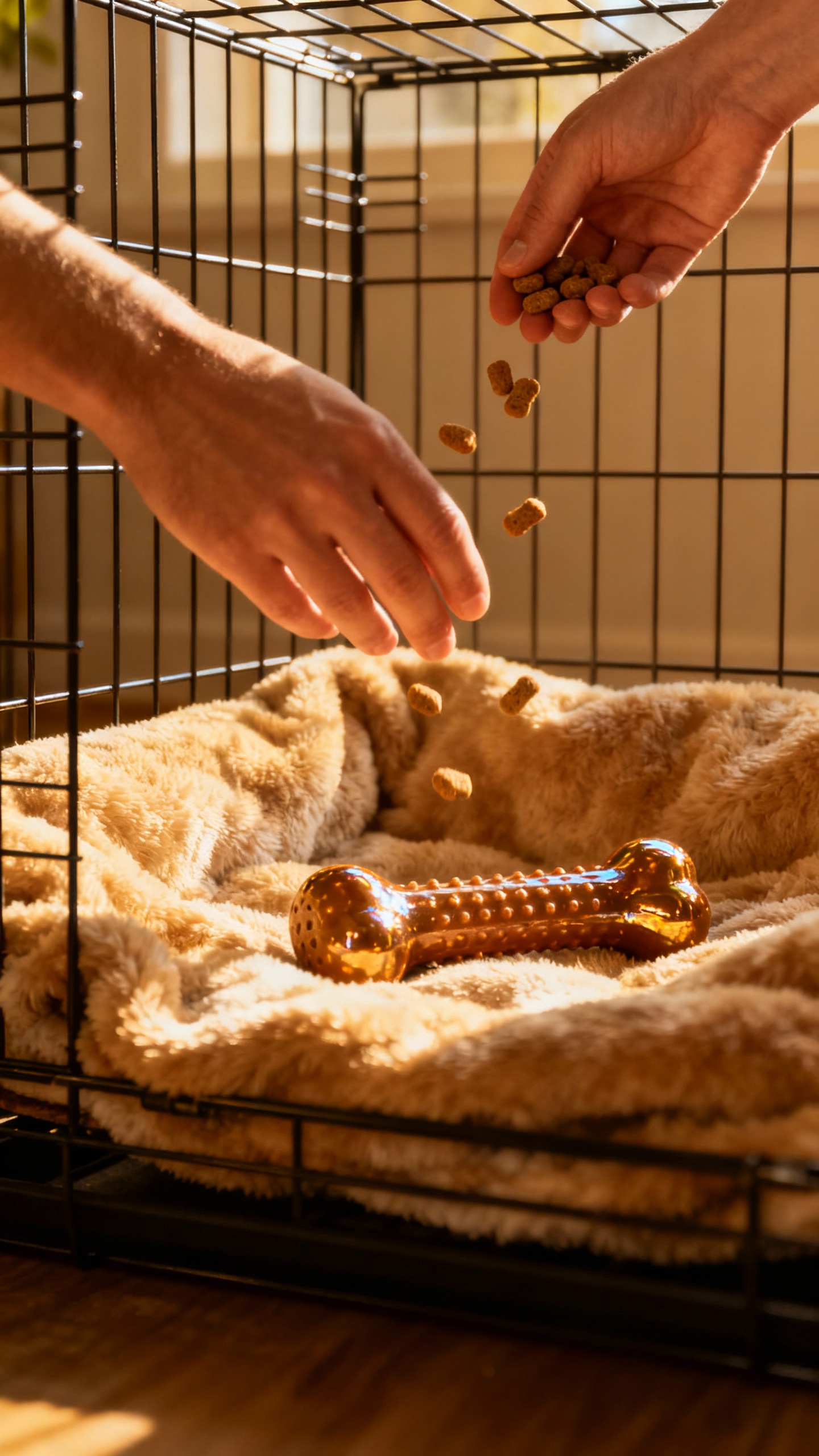
Crates help with potty training and teach your pup to settle. Make it cozy with a blanket and chew toy.
Toss treats in, feed meals inside, and keep the door open at first. Build up to short, calm naps. Golden retrievers love company. Don’t crate for long stretches. A 3-month-old can hold it for about 3–4 hours during the day.
Basic Cues That Matter (And How to Teach Them)
Forget fancy tricks for now.
Nail the essentials. 1) Name recognition Say their name once. When they look at you, yes/treat. That’s it.
Easy wins. 2) Sit Hold a treat above their nose and lift slightly. As their butt hits the floor, yes/treat. Add the word “Sit” once they do it consistently. 3) Down From sit, bring the treat from their nose down to the ground.
As elbows hit, yes/treat. Keep it casual. 4) Come Start indoors. Crouch, say “Come!” in a happy voice, then reward like they just won an Oscar.
Never call them for something they dislike (IMO, that’s how you ruin recall). 5) Drop it/Leave it Trade up. Offer a better treat when they have something in their mouth. Say “Drop it,” reward, then give the item back sometimes.
It builds trust.
Pro Tip: Use Hand Signals
Strong hand signals help in busy places later. Pair a hand cue with the word every time. Eventually, you can whisper the cue—or not say it at all—and your dog still gets it.
Leash Manners for Wiggly Goldens
Leash training isn’t a tug-of-war.
It’s teaching your pup that staying near you pays better than pulling. Start indoors. Clip a lightweight leash and walk around the room. Every time your puppy is near your side with a loose leash, treat. Use “Let’s go.” Say it softly, take a step, reward movement toward you. Keep it under 2 minutes.
End before they get bored. If they pull? Stop moving. Wait for slack. Mark “Yes,” then move forward.
No yanking. No lectures. Just boring statues until the leash loosens.
Harness > Collar
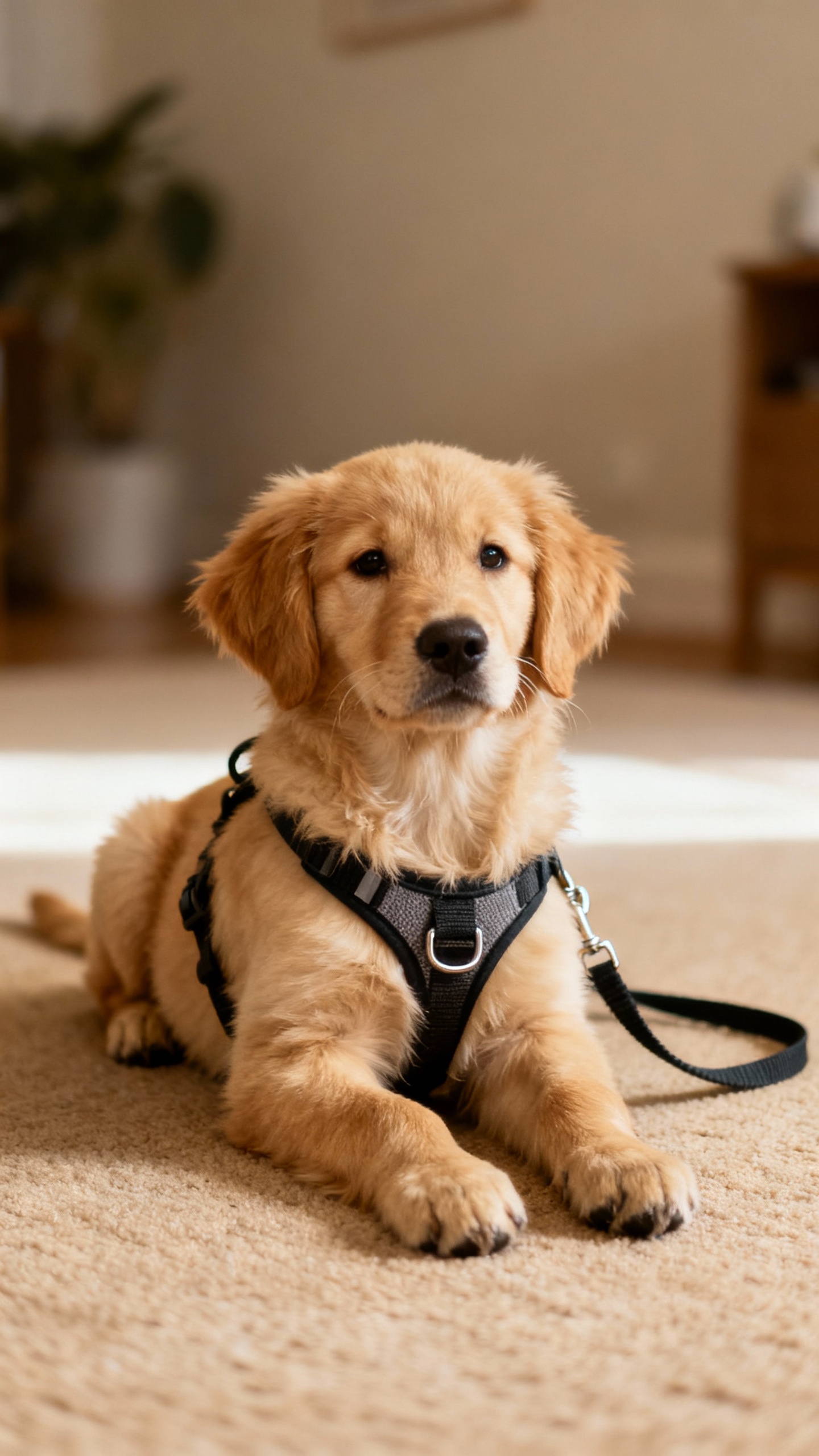
Use a comfy harness to protect their neck and give you better control.
Front-clip harnesses can help prevent pulling as they learn.
Socialization Without Overwhelm
This window is gold (pun intended). You’re not just meeting people—you’re building a confident, flexible adult dog. Expose your puppy to:
- Different surfaces: grass, gravel, wood floors
- People with hats, sunglasses, beards
- Wheels: skateboards, strollers, bikes
- Sounds: vacuums, doorbells, traffic (use low volume first)
Keep it positive. Treat often. If your pup looks unsure, create distance and feed calmly.
No forcing. Curiosity beats fear every time. Vet note: Before full vaccinations, stick to clean, safe environments or puppy classes that require vaccine proof. FYI, socialization is about controlled experiences, not dog parks.
Puppy Playdates Done Right
Match with gentle adult dogs or well-behaved puppies.
Watch body language:
- Loose wiggly bodies = good
- Stiff freezes, tucked tails, or nonstop pinning = break time
Short sessions, frequent breaks. You’re the lifeguard.
Bite Inhibition and Chewing: Save Your Fingers
Puppies bite. It’s how they explore and play.
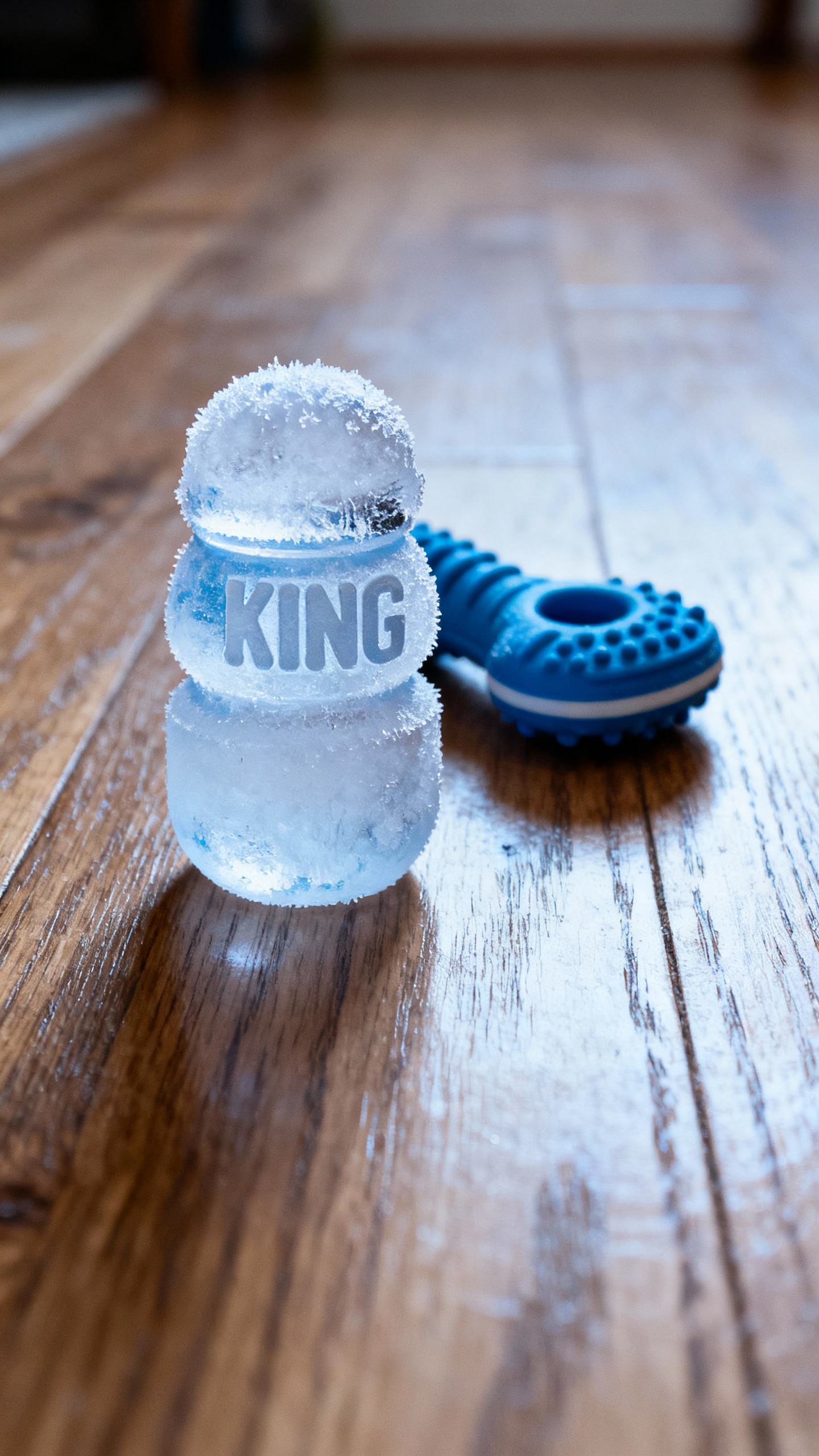
You can teach soft mouths without drama. When they bite skin: Say “Ouch” in a calm voice, pause interaction for a few seconds, then offer a chew toy. Reward chewing the right thing. Rotate chew options. Think rubber toys, frozen Kongs, braided toys. Keep it interesting to save your furniture. Over-tired = bitey. If your pup turns into a land piranha, they probably need a nap.
Crate time with a chew and soft music works wonders.
Make Food Work For You
Your pup eats three meals a day? That’s three training jackpots. Use part of their kibble for training, then top up the bowl with the rest. High-value treats for harder stuff or distractions: tiny bits of chicken, cheese, or soft training treats.
Keep sizes pea-small. Goldens love food (shocking, I know).
Prevent Resource Guarding Early
Teach “I approach = good things appear.” Walk by while your dog eats and drop something yummy. Trade a toy for a better treat, then give the toy back sometimes.
They’ll learn hands near food mean bonuses, not theft.
Common Mistakes to Avoid
- Too much freedom too soon. Use gates and leashes indoors. Freedom is earned.
- Repeating cues. If you say “Sit sit sit sit,” your cue becomes background noise. Say it once.
Help with a hand signal.
- Training when they’re wired. Zoomies are not learning time. Play, potty, then train.
- Skipping socialization. You can’t “make it up later.” Do it now, gently and often.
- Inconsistent rules. Couch or no couch—pick one. Dogs don’t speak “sometimes.”
Sample 1-Week Mini Plan
Daily:
- 3–5 short training sessions: name, sit, come, leash basics
- 1–2 socialization exposures: new surface/sound/person
- Play with structured breaks and chew time
Week goals:
- Responds to name 8/10 times
- Sit without a lure 7/10 times
- Comes happily indoors from 10 feet
- Walks 10 steps on loose leash inside
- No accidents for 2–3 days in a row
FAQ
How long can a 3-month-old Golden Retriever exercise?
Use the “5-minute rule”: about 15 minutes of structured walking per day, split into short sessions.
Add play and training, but keep it low impact. Their joints are still developing, so save long runs and stairs workouts for later.
When should I start puppy classes?
Right now, IMO. Look for a positive-reinforcement class that requires vaccines.
Great trainers focus on confidence, handling, and social skills—not just “sit.” It’s also fantastic for you to learn timing and technique.
My puppy won’t stop biting—what am I doing wrong?
Probably nothing. At this age, biting is normal. Make sure your pup naps enough, redirect to toys, and pause play when teeth touch skin.
Keep sessions short and calm. If it feels extreme or you’re worried, a qualified trainer can help quickly.
What treats are best for training?
Soft, tiny, and irresistible. Think pea-sized chicken, cheese, or commercial training treats.
For easy stuff, use kibble. For harder tasks or distractions, upgrade the treat value. Keep sessions snack-sized to avoid tummy upsets.
How do I stop pulling on walks?
Train indoors first.
Reward any slack leash. If your pup pulls, stop. When the leash loosens, move again.
A front-clip harness helps, but your timing matters more than your gear. Consistency beats strength every time.
Should I worry about jumping on people?
Teach an alternative like “Sit to greet.” If paws leave the floor, the attention disappears. When all four feet stay grounded or they sit, praise and treat.
Goldens are social butterflies; channel it into polite hellos.
Conclusion
Your 3-month-old Golden Retriever doesn’t need perfection—they need repetition, kindness, and a plan. Keep sessions short, make training a game, and stick to your routine. You’ll blink and see a confident, well-mannered companion who still loves belly rubs and snacks—because, FYI, that part never changes.
Enjoy the chaos. It doesn’t last long.
Leave a Reply