
You just brought home a seven-week-old German Shepherd tornado with paws. Congratulations—you adopted a genius with the attention span of a fruit fly. The next few weeks will shape your pup’s habits for life, so let’s make the most of that adorable chaos.
We’ll keep it simple, fun, and doable—even if you’re running on coffee and puppy breath.
Set the Foundation on Day One
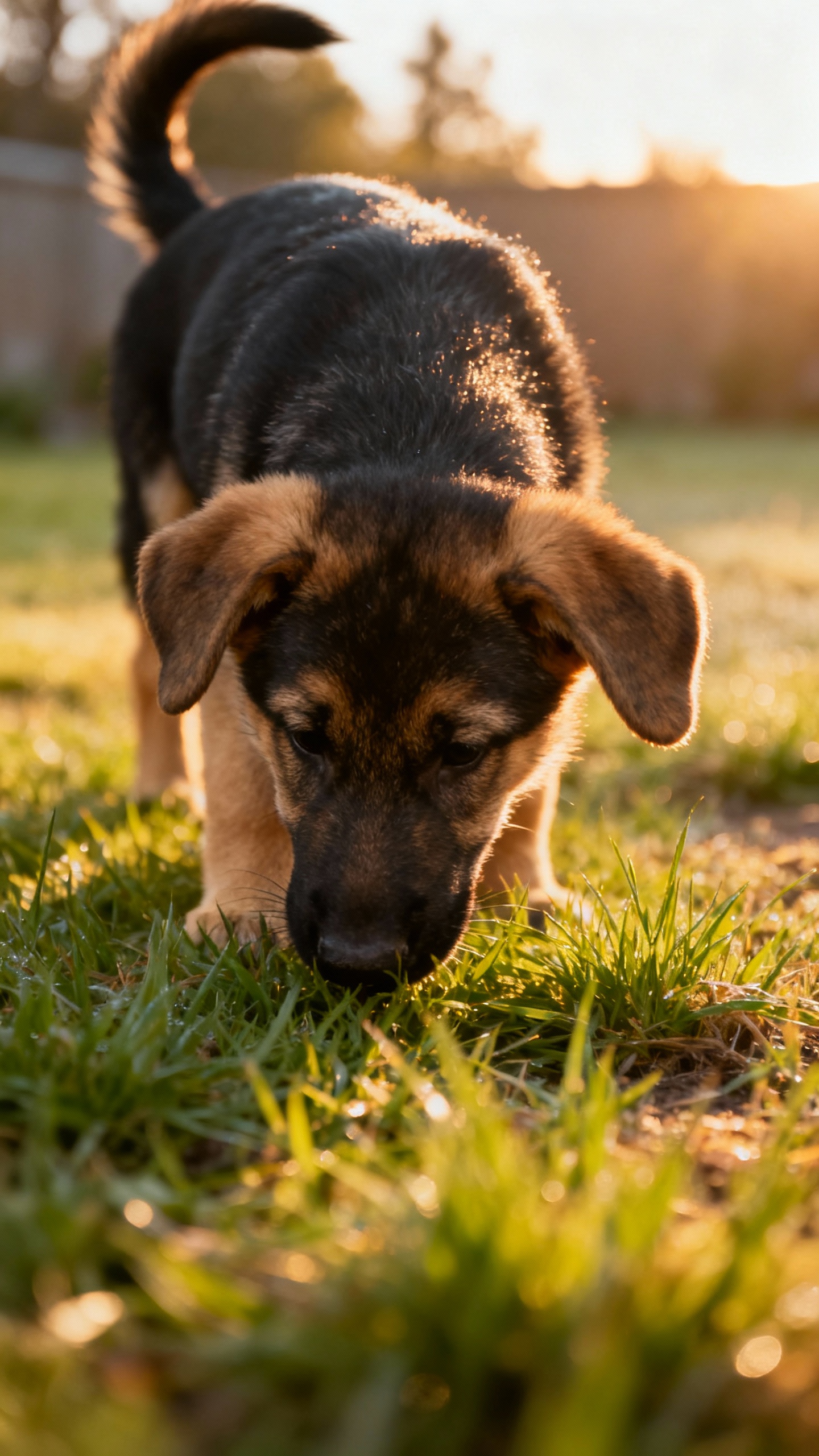
Your puppy learns from minute one. Not “when you get around to it.” Start with a routine they can trust—eat, potty, play, nap, repeat. Structure calms that buzz of puppy energy and prevents future headaches. Create a simple daily rhythm:
- Wake up → potty immediately
- Breakfast → potty again
- Short play/training → nap (in crate, ideally)
- Repeat in cycles all day
Place your pup’s crate in a quiet, central spot.
You want them near the family routine without constant overstimulation. And yes, the first nights might come with opera. Stay calm, keep it short, and stick to the plan.
Gear Up (Without Overbuying)
You don’t need a shopping cart explosion.
Get the essentials:
- Crate that fits now and later (with a divider)
- Flat collar or harness, lightweight leash
- High-value treats (soft, pea-sized)
- Kongs/chew toys for teething relief
- Puppy-safe playpen for sanity and safety
Potty Training Without Tears
German Shepherd pups learn fast, but not if you expect miracles. You’re training a tiny bladder wrapped in fluff. Keep it scheduled, supervised, and sweet. Potty timing rules of thumb:
- After waking up
- After eating or drinking
- After play
- Every 45–60 minutes when active
Go to the same spot, use the same cue (“Go potty”), and celebrate like they just solved world peace when they go.
If accidents happen (they will), clean with enzymatic cleaner and move on. No scolding. Scolding teaches secrecy, not aim.
Nighttime Strategy
Short crate stint, quiet house, quick potty break, back to sleep.
Keep the lights dim and voices low. Middle-of-the-night play party? Hard pass.
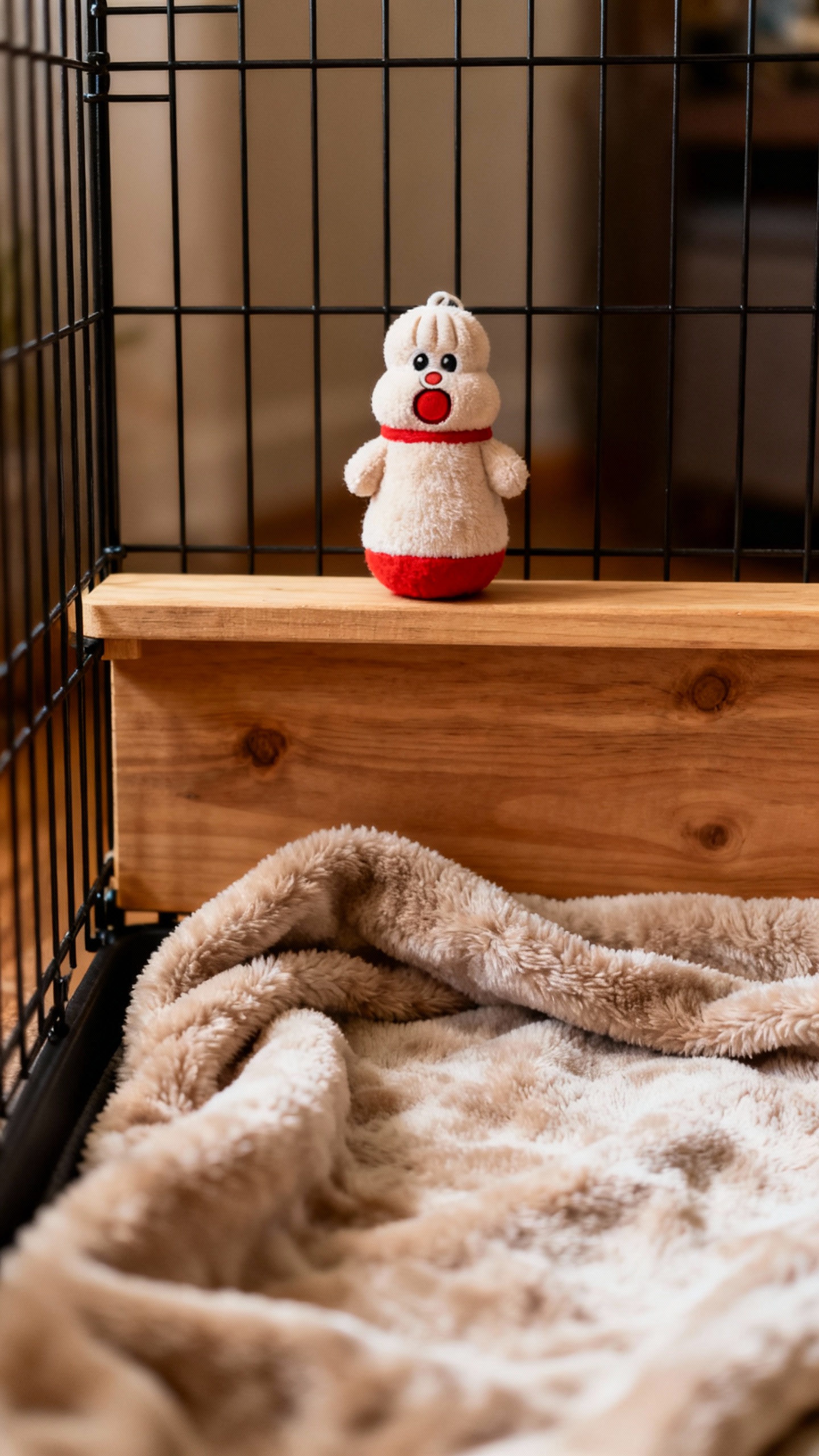
Crate Training That Actually Works
Think of the crate as a den, not a doggy jail.
You want your pup to love it, so you must make it cozy and rewarding. Make the crate awesome:
- Feed meals in the crate
- Use a stuffed Kong during downtime
- Start with the door open, then close for short periods
- Gradually increase duration while you stay nearby
Never use the crate as punishment. Also, if your puppy screams, wait for a brief quiet moment before letting them out. Reward calm, not the canine siren routine.
Socialization: The Golden Window
At seven weeks, your Shepherd’s brain absorbs experiences like a sponge.
Socialization doesn’t mean “meet every dog at the park.” It means gentle exposure to the world in a safe, controlled way. Positive exposure checklist:
- Different surfaces: grass, tile, carpet, gravel
- Sounds: vacuum, blender, doorbell, traffic (at a distance)
- People: hats, glasses, kids (supervised), walking sticks
- Objects: umbrellas, wheelchairs, skateboards
Pair every new experience with treats and praise. You’re building confidence, not forcing bravery. FYI: carry your pup in busy areas until vaccinations progress; choose calm, vaccinated dog friends for meetups.
Handling and Grooming Basics
Start now so vet visits don’t become WWE matches.
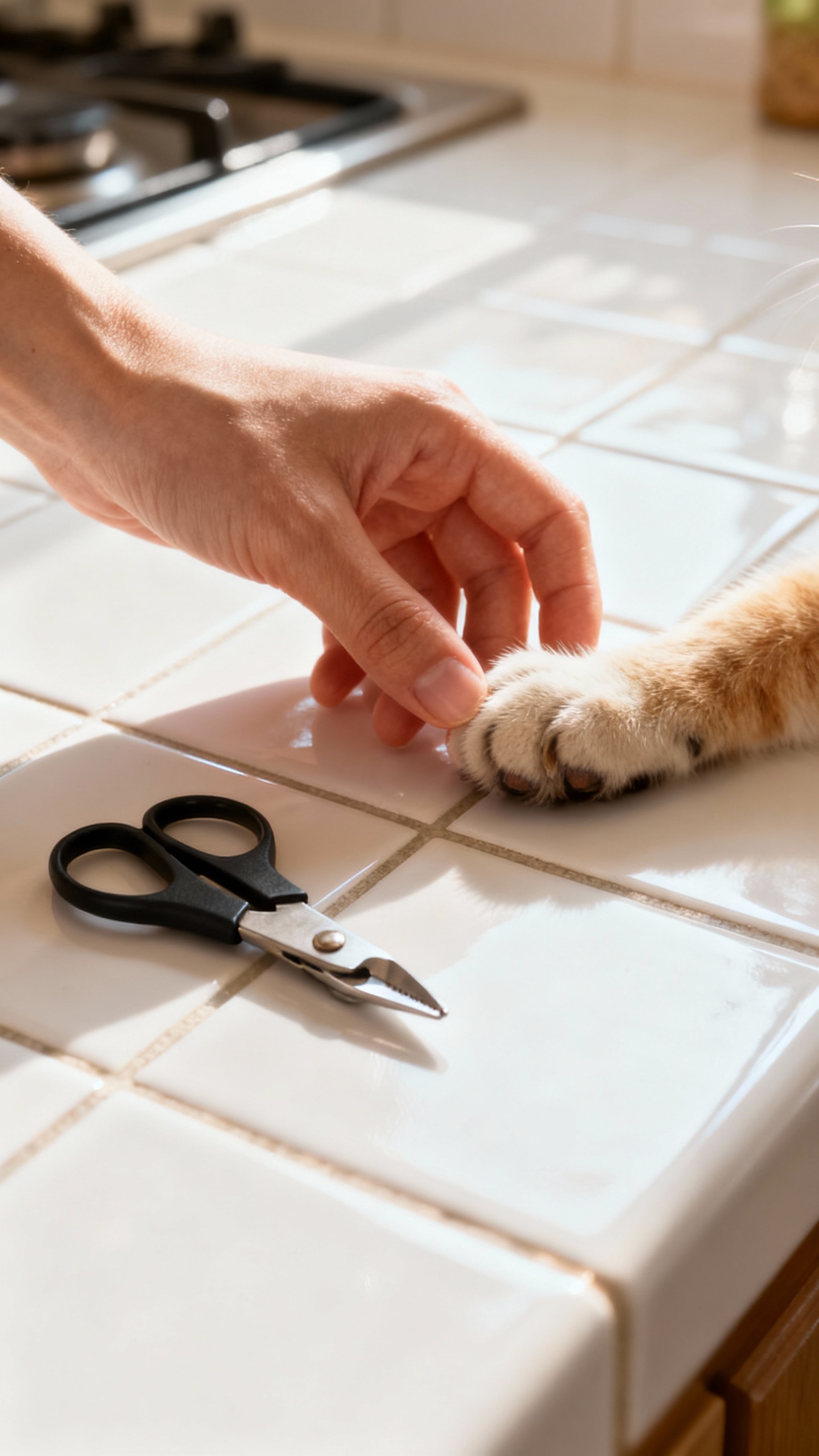
- Touch paws, ears, tail, and mouth daily while feeding treats
- Introduce nail clippers or grinder slowly, no rush
- Short brushing sessions—GSDs shed like it’s their job
Training: Tiny Sessions, Big Wins
German Shepherds crave jobs.
Give them micro-assignments that tire their brains out. Two to four minutes per session, a few times a day. Keep it fun, not military bootcamp. Core beginner cues:
- Name: Say the name → mark “Yes!” → treat when they look at you
- Come: Back up excitedly, clap, “Puppy, come!” → treat and party
- Sit: Lure with treat over nose → sit → treat
- Down: Lure treat from nose to floor → treat when elbows touch
- Leave it: Treat in fist; when puppy backs off, “Yes” → reward
End every session with a win.
If your pup loses focus, that’s your cue to stop, not theirs to “try harder.” IMO, a happy two-minute session beats a grumpy ten-minute grind.
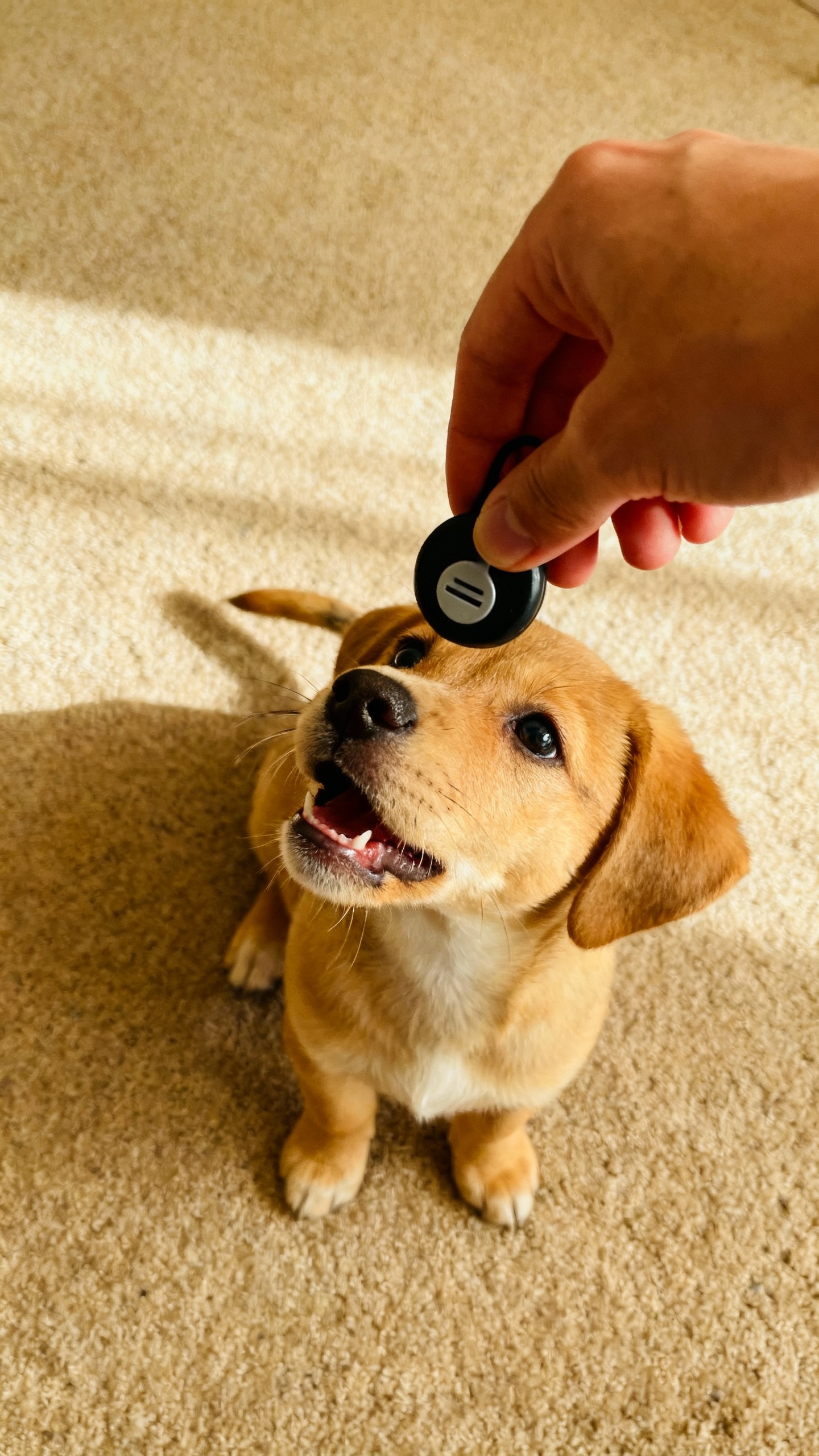
Marker Training 101
Use a consistent marker—“Yes!” or a clicker—at the exact moment your pup does the right thing. Then treat. This clarity speeds learning like crazy.
Bite Inhibition and Chewing (AKA Save Your Fingers)
Puppies mouth everything.
Your job: teach soft mouths and appropriate targets. When biting happens:
- Yelp softly or say “Ouch,” then pause play for 5–10 seconds
- Offer a chew toy; praise when they chew that instead
- End play entirely if they escalate—no drama, just done
Stock up on chew options: rubber toys, frozen Kongs, puppy-safe chew sticks. Rotate toys to keep them exciting. And supervise—your pup has the judgment of a soap dish right now.
Leash Skills Without the Tug-of-War
At seven weeks, you’re not marching a mile.
You’re teaching that the leash means connection and calm. Start indoors or in the backyard where distractions stay low. Build loose-leash habits:
- Let the pup wear the leash while you drop treats by your leg
- Take a step—if they follow beside you, “Yes!” → treat
- If they pull ahead, stop. Wait for slack, then move again
Keep it short and sweet.
You’re teaching the idea, not burning energy. For that, use play sessions and sniffy decompression walks in safe areas.
Enrichment: Tire the Brain, Save the Sofa
A bored German Shepherd becomes a creative interior designer. Keep that mind busy with simple activities that build problem-solving skills. Easy enrichment ideas:
- Scatter feeding: toss kibble in the yard for nose work
- Snuffle mat or towel roll-ups with treats
- Cardboard box puzzles (supervised)
- Basic scent games: hide a treat and let them find it
This builds confidence and satisfies their working-dog DNA.
Less chaos, more naps. Everybody wins.
Common Mistakes (And How To Dodge Them)
Overtraining: Keep sessions short. Puppies burn out fast. Inconsistency: Set rules and stick to them.
Couch privileges? Decide now. Punishment: Correct gently and redirect. Fear kills trust, and trust fuels learning. Skipping socialization: Vaccines and safety matter, but you can still socialize smartly.
Health and Vet Check
Keep vaccinations on schedule.
Ask your vet about deworming, flea/tick prevention, and safe socialization options. Track weight and body condition—GSD pups grow fast, but you want steady, lean growth, not chonk.
FAQ
How long can a 7-week-old German Shepherd hold their bladder?
Not long. Think 45–60 minutes when awake, and a bit longer during sleep.
Plan frequent potty breaks and expect nighttime interruptions. This phase feels long but passes quickly.
When should I start formal obedience classes?
You can begin a puppy kindergarten around 8–10 weeks once your vet clears you. Meanwhile, train at home daily with short sessions.
Early socialization classes that require vaccine records are ideal.
What should I use for rewards if my puppy loses interest in treats?
Rotate high-value options: soft chicken bits, cheese crumbs, or store-bought training treats. Also use play, tug, and praise as rewards. If the environment outcompetes your treat, move to a quieter space.
My puppy cries in the crate—do I let them out?
Wait for a brief pause in the noise, then let them out.
Reward calm exits, not protests. Make the crate positive with meals, chews, and gradual practice. If you cave during screaming, you teach them that noise opens doors.
How much exercise does a 7-week-old GSD need?
Short play bursts, gentle sniff walks, and plenty of naps.
Aim for mental work over long physical sessions. Too much impact can stress growing joints, so keep zoomies on soft surfaces and avoid stair marathons.
What’s the best way to stop jumping?
Prevent rehearsal. Step back when they launch, and reward four paws on the floor.
Teach an incompatible behavior like sit for greeting. Consistency from everyone in the house makes the difference, IMO.
Conclusion
You’ve got a smart, sensitive, high-energy pup who wants a job and a leader—aka you. Keep training short and fun, crate train from day one, and socialize thoughtfully.
Celebrate tiny wins, stay consistent, and protect nap time like it’s sacred. Do this, and your seven-week-old whirlwind becomes a confident, well-mannered best friend faster than you think.
Leave a Reply